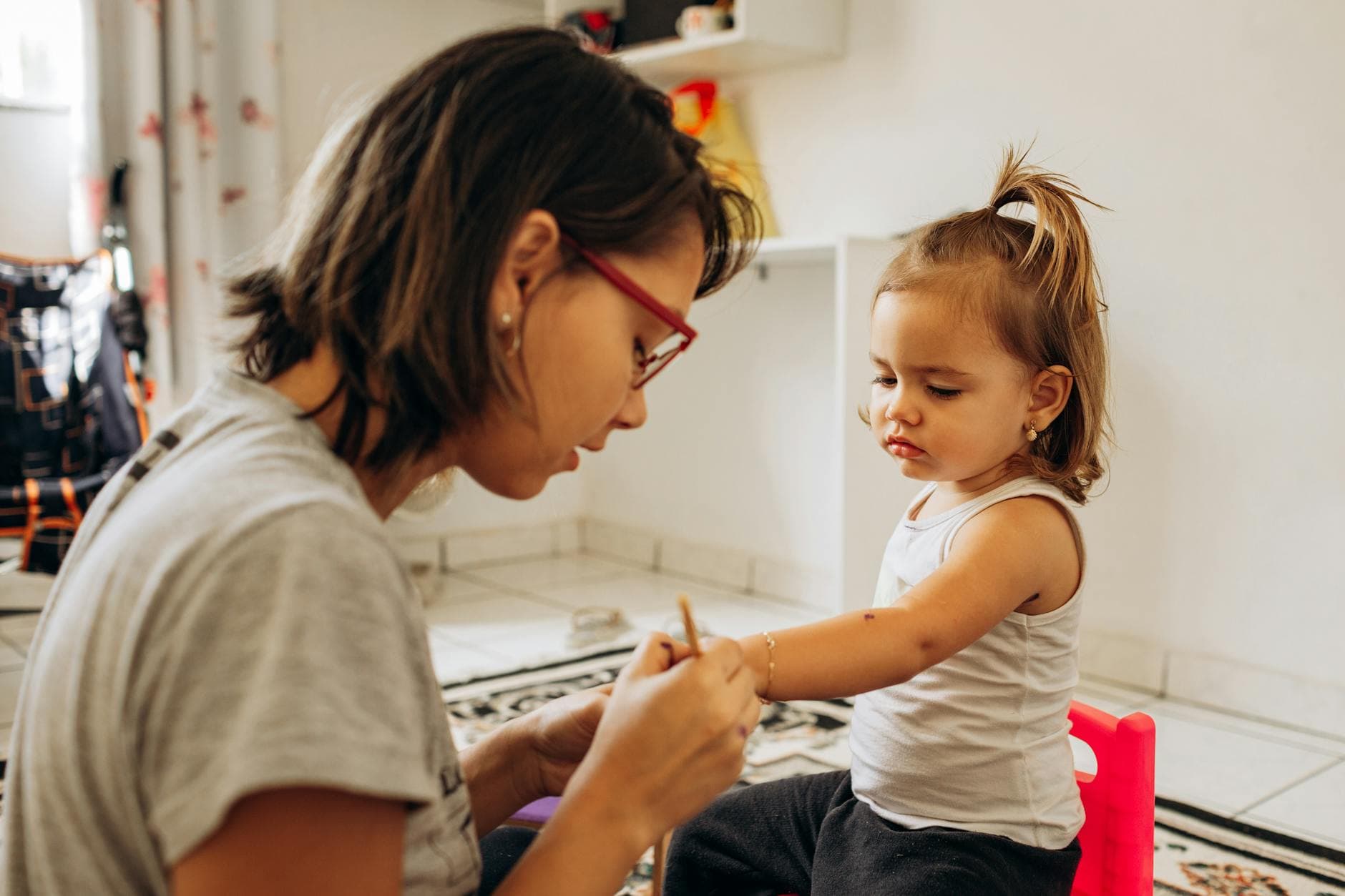
The Toddler Listening Myth: What They Don't Tell You
There's this idea floating around that toddlers are just little sponges, soaking everything up without a filter. And while they are learning at an astonishing rate, the idea that they're automatically great listeners is, well, a myth. Many parents think that when they talk, their toddler is absorbing every word, processing it like a miniature adult. But the reality of active listening toddlers is far more nuanced, and frankly, a lot more challenging. You’ve probably noticed this yourself; you explain something, and five minutes later, it’s like you never said a word. This isn't defiance; it's development. Understanding how to truly connect with your little one, and foster their own nascent communication skills, is key.
Why Toddlers Don't "Just Listen"
Toddlers are in a constant state of discovery. Their brains are wired for exploration, not necessarily for quiet contemplation of parental directives. They are driven by immediate needs and sensory input. Think about the last time you tried to explain a complex concept to someone who was starving or exhausted – it’s tough, right? Toddlers experience these states intensely and frequently.
The Developmental Leap
Their ability to process and retain information is still very much under construction. Language comprehension often outpaces their ability to express themselves, leading to frustration on both sides. This is a normal part of toddler development stages. Patience isn't just a virtue here; it's a necessity.
What "Active Listening" Really Means for Little Ones
For adults, active listening involves focus, empathy, and verbal/non-verbal feedback. For toddlers, it’s a much simpler, more foundational concept. It means being present, acknowledging their attempts to communicate, and responding in a way that validates their feelings and actions. It's about building blocks, not complex architectural designs.
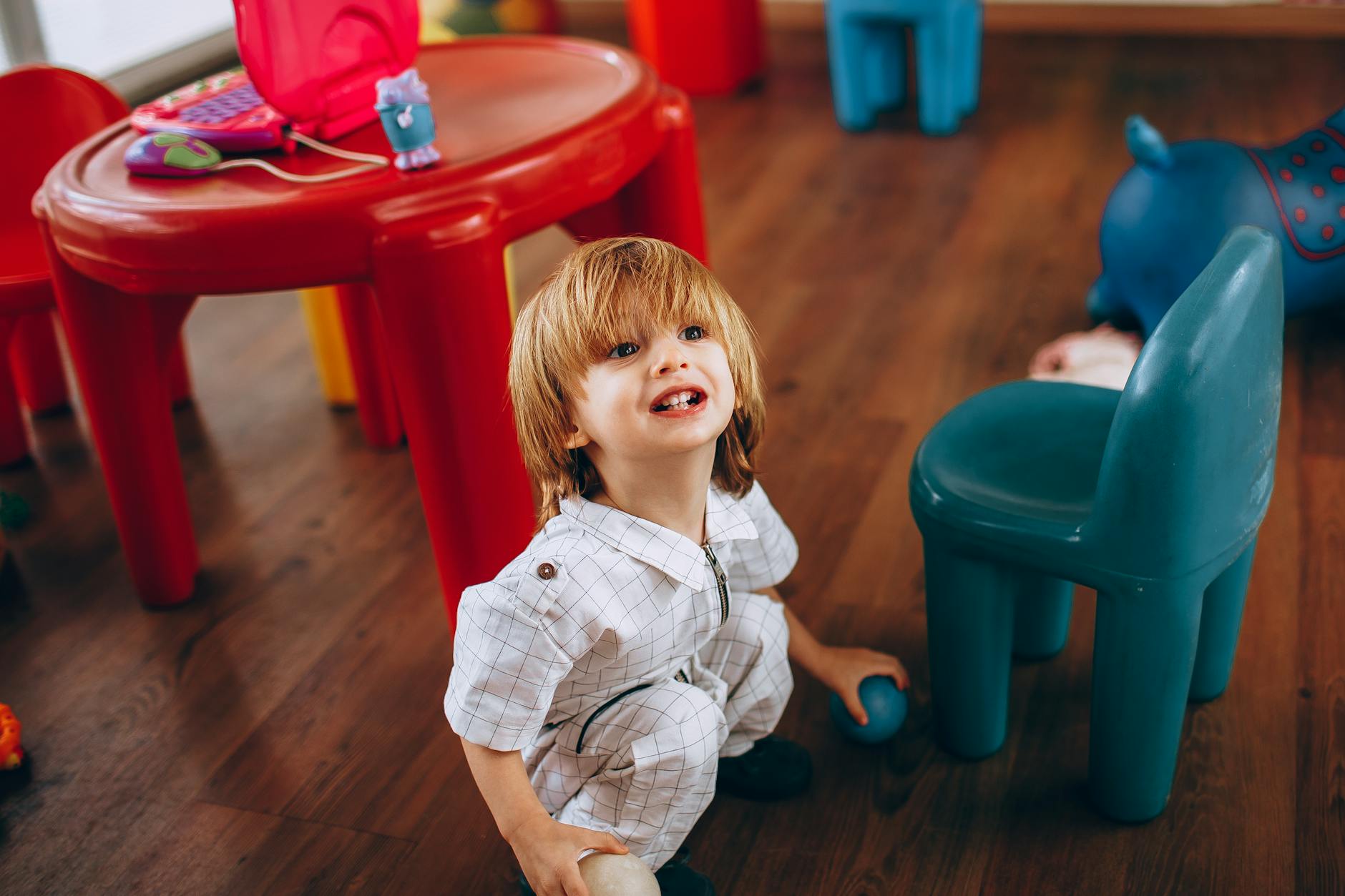
Beyond the Babble: Decoding Toddler Communication
You might be wondering how to even begin to decipher what your toddler is trying to tell you. It’s easy to dismiss their grunts, gestures, and seemingly random outbursts as meaningless noise. But beneath the surface, there's a rich tapestry of communication waiting to be understood. This is where the real work of toddler communication skills comes into play. It’s not just about what we say to them, but how we interpret their messages.
The Language of Actions
Before words, there are actions. A toddler pointing insistently at the cookie jar isn't being demanding; they're communicating a desire. A child who pushes a toy away might be signalling they’re done playing or that they don’t like that particular toy. Observing these non-verbal cues is crucial.
Emotional Expressiveness
Toddlers are masters of emotion, even if they can’t articulate them perfectly. Tears, giggles, tantrums – these are all forms of communication. Learning to interpret the underlying emotion can help you respond more effectively and avoid unnecessary conflict. This is part of understanding toddler behavior.
When Words Fail Them
Here's the thing: your toddler likely has a lot to say, but their vocabulary and sentence structure are limited. They get frustrated when they can't express a complex thought or feeling. This frustration often boils over into what we perceive as tantrums, but it's really a cry for help in communication.

Building the Foundation: Your Role in Active Listening
So, how do we cultivate this skill of active listening toddlers? It starts with us. We need to model the behavior we want to see and create an environment where communication is encouraged and valued. This isn't about being perfect; it's about being present and responsive. It’s about showing up for them, even when you’re exhausted from a long day.
Get Down on Their Level
Physically getting down to your toddler's eye level when they are speaking to you is a simple yet powerful act. It signals respect and undivided attention. It says, "I see you, and what you have to say matters to me." This is a fundamental aspect of parent-child communication.
Reflect and Validate
When your toddler expresses themselves, try to reflect back what you think you heard or understood. "Oh, you want the red car? The big red car?" This not only helps clarify their message but also teaches them that their words have impact. Validating their feelings is equally important. If they’re upset about a dropped toy, say, "It’s sad when toys fall down, isn’t it?" This is the essence of empathetic listening with children.
The Power of Pauses
We often rush to fill silence, but for toddlers, a moment of quiet can be just as communicative. After you ask a question or make a statement, allow a few seconds for them to process and respond. Don't immediately jump in with more words or answers.
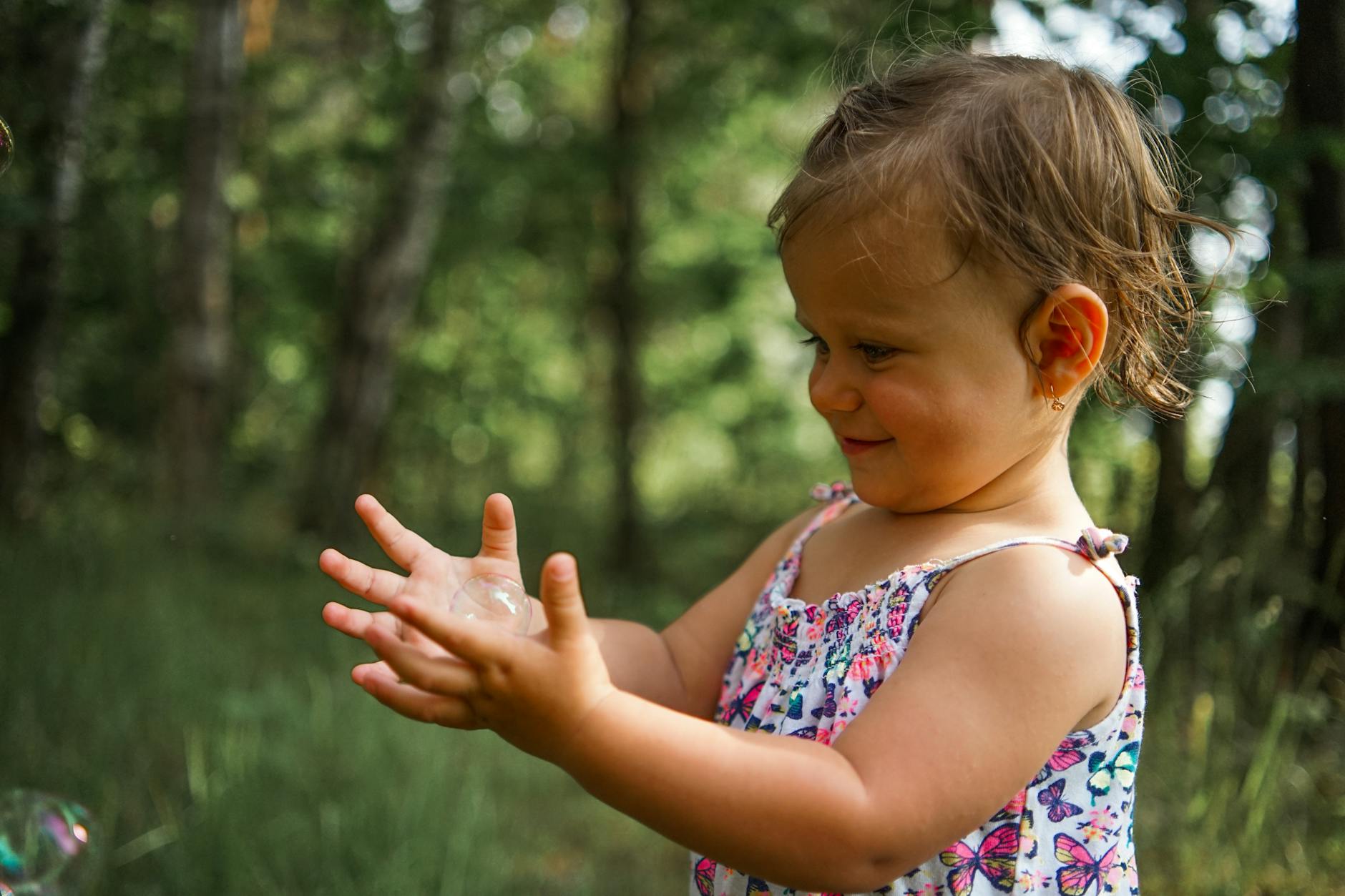
Navigating the Energy Surge: Toddler Spring Energy and Listening
As the seasons change, you might notice a surge in your toddler's energy levels. This is often referred to as toddler spring energy, and it can make focused listening feel like an Olympic sport. Their desire to explore and move often overrides their ability to sit still and listen. This is where patience and creative strategies come in.
Channeling the Energy
Instead of fighting the energy, try to channel it. If you need to explain something, can you do it while they’re moving? Perhaps you can incorporate actions into your conversation. "Let’s put the blocks in the basket. Can you bring me three blue ones?" This turns a listening task into a game.
Short Bursts of Attention
Understand that a toddler's attention span is short. Trying to have a lengthy, involved conversation is likely to be met with distraction. Break down your communication into smaller, digestible chunks. Focus on one idea or instruction at a time. This is particularly helpful when communicating needs during a busy season.
When to Let It Go
There will be times when your toddler is simply not in a listening mood. They might be overtired, overstimulated, or just overwhelmed. Forcing the issue will likely lead to meltdowns and resentment. Sometimes, the best form of listening is recognizing when they need space or a different approach, like a quiet moment or a change of scenery.
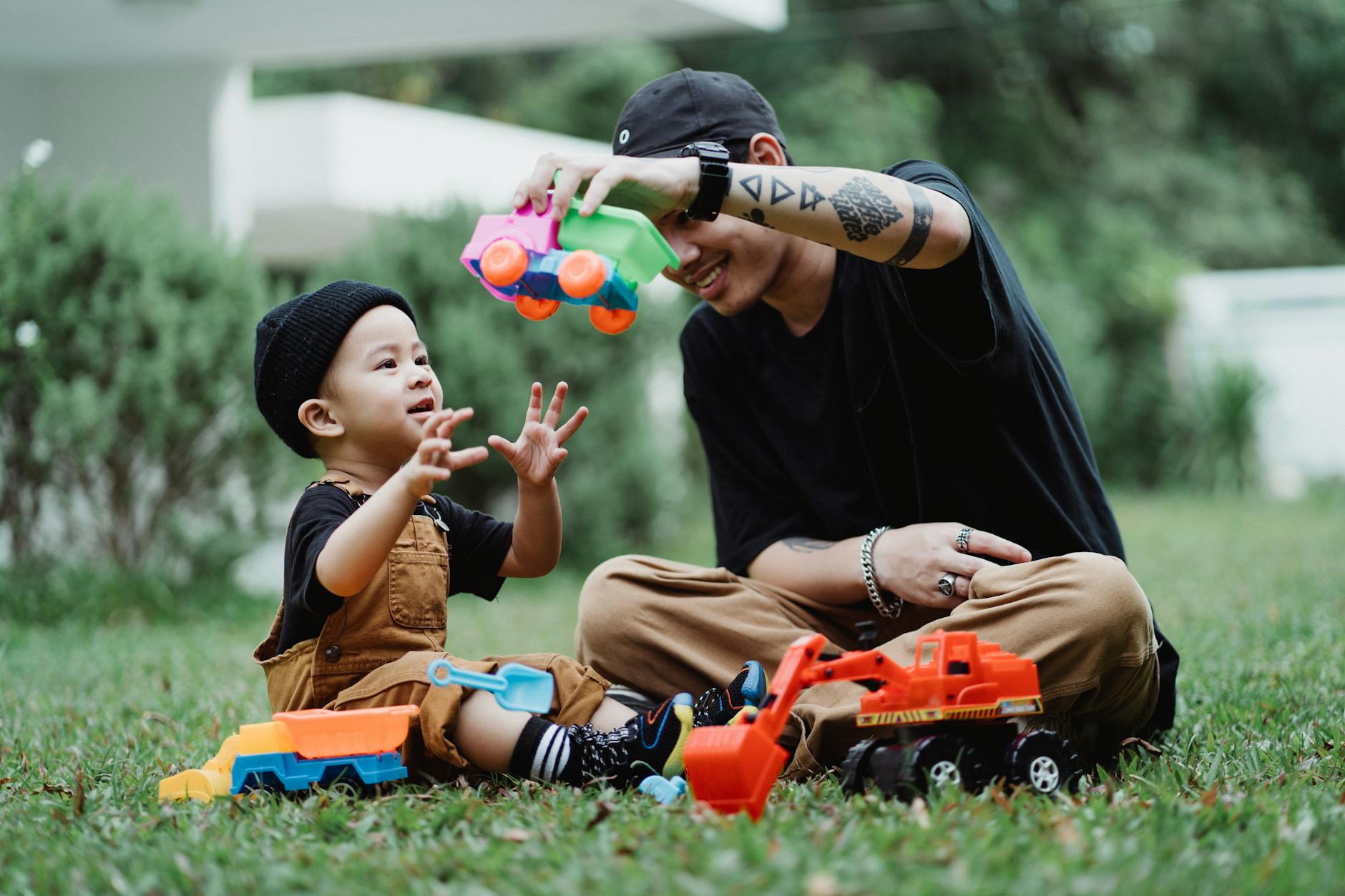
Here's the Truth: Active Listening is a Two-Way Street
What nobody tells you about active listening toddlers is that it's not just about teaching them to listen; it's about learning to listen to *them*. It’s about recognizing their attempts at communication, even when they're messy and imperfect. This is where you truly start to connect. It’s a reciprocal relationship, built on mutual understanding and respect. This is a fundamental aspect of positive parenting techniques.
The Impact of Being Heard
When a toddler feels truly heard and understood, their confidence grows. They are more likely to engage in cooperative play, follow directions, and express themselves constructively. This can significantly reduce instances of dealing with toddler meltdowns. Research from organizations like Healthline research on active listening toddlers consistently shows the benefits of this approach.
Building a Secure Attachment
Consistent, responsive listening builds a secure attachment between you and your child. They learn that you are a safe and reliable source of comfort and understanding. This foundation is crucial for their emotional and social development. It’s about creating a safe space for them to be themselves.
It Takes Practice (for Everyone!)
I'll be real with you, this isn't always easy. There will be days when you feel like you're speaking a different language. That's okay. The goal isn't perfection, but progress. Keep showing up, keep trying, and celebrate the small victories. You are building essential toddler communication skills that will serve them for a lifetime. Think about how much easier it is to communicate needs in a relationship when you've practiced these skills from the start.
Beyond Toddlerhood: The Lifelong Benefits of Early Listening Skills
The habits we establish around active listening toddlers have ripple effects far beyond their early years. The ability to truly hear and understand others is a cornerstone of healthy relationships, successful careers, and personal well-being. By fostering these skills early, you're giving your child an incredible gift.
Future Communication Prowess
Children who experience consistent, empathetic listening are more likely to become adults who can articulate their own needs effectively and listen deeply to others. This is invaluable for navigating friendships, romantic partnerships, and professional environments. The foundational work done now, through practices like those discussed on Psychology Today research on active listening toddlers, pays dividends.
Emotional Intelligence Boost
Learning to understand and respond to emotions – both their own and others' – is a key component of emotional intelligence. Active listening helps toddlers recognize nuances in tone and body language, fostering empathy and self-awareness. This is a critical skill, as highlighted by research from the National Institutes of Health research on active listening toddlers.
A More Connected Family
Ultimately, prioritizing active listening creates a more connected and harmonious family environment. When everyone feels heard and valued, there’s less conflict and more cooperation. It’s about building a family culture where communication flows freely, and problems can be addressed collaboratively. This is the essence of what it means to declutter communication and spark joy in family talks.
Remember, this journey of active listening toddlers is ongoing. It’s about more than just getting them to obey instructions; it’s about building a bridge of understanding that will support them throughout their lives. Keep listening, keep connecting, and watch your child flourish.