
The Muddled Mess: Why We Struggle to Express Complex Emotions
There's a common myth that if you're a "good communicator," you should be able to lay out your feelings perfectly, like a neatly organized spreadsheet. You feel something, you articulate it, and poof! Understanding. If only it were that simple. The truth is, most of us, myself included, wrestle with how to express complex emotions. It’s not about a lack of skill; it’s about the sheer, messy, beautiful intricacy of human feeling. We often get stuck, resorting to generalizations or, worse, silence, because the words just don't feel adequate.
The Illusion of Simplicity
We're bombarded with messages suggesting emotions are binary: happy or sad, angry or calm. This oversimplification is a major roadblock. When you feel a tangle of annoyance, disappointment, and a hint of hurt, saying "I'm upset" doesn't capture the nuance. This is where advanced emotional expression becomes crucial.
The Inner Monologue vs. Outer Expression
Inside your head, you might have a whole symphony of feelings, a chaotic orchestra playing different tunes simultaneously. But when it comes time to speak, that symphony often gets reduced to a single, often inaccurate, note. This gap between what we feel and what we say is a breeding ground for misunderstanding.

Building Your Emotional Lexicon
You can't express what you don't have the words for. Think of it like trying to describe a color you've never seen. Developing your emotional vocabulary is the foundational step to effectively express complex emotions. It’s not about memorizing a dictionary of feelings; it’s about recognizing and naming the subtle shades of your inner world.
Beyond "Fine" and "Okay"
We rely on a handful of go-to words because they’re easy and socially acceptable. But "fine" can mean anything from "ecstatic" to "on the brink of tears." Learning to articulate feelings requires digging deeper. Are you feeling overwhelmed? Frustrated? Resentful? Envious? Elated? Content?
The Power of Specificity
Imagine telling a friend you're "stressed." That's a start. Now, imagine saying, "I'm feeling overwhelmed by the project deadline, and I'm also a bit anxious about the feedback I received yesterday." See the difference? The latter gives your friend a much clearer picture, allowing for more targeted support and understanding.
Tools for Expansion
There are fantastic resources to help you expand your emotional vocabulary. Books on emotional intelligence, therapy sessions, and even just paying closer attention to how you feel in different situations can be incredibly beneficial. Keep a journal, noting not just what happened, but how it made you feel, and try to find more precise words for those sensations.

The Art of "I Feel" Statements
This is a cornerstone of healthy communication, a technique championed in approaches like Nonviolent Communication. Learning to use "I feel" statements is a game-changer for expressing yourself clearly and without blame, making it easier to express complex emotions constructively.
Deconstructing Blame
When we say, "You make me so angry," we're pointing a finger. This immediately puts the other person on the defensive. An "I feel" statement reframes this. Instead of "You never listen to me," try "I feel unheard when I'm trying to explain something important to you."
The Three-Part Formula
A classic "I feel" statement follows a simple structure: "I feel [emotion] when [specific behavior/situation] because [impact/need]." For example: "I feel disappointed when plans change at the last minute because I was really looking forward to our time together." This structure is incredibly effective for articulating feelings without escalating conflict.
Practice Makes Progress
This isn't something you master overnight. It takes conscious effort. Start small. Try using "I feel" statements in low-stakes situations. You might be surprised at how much more receptive people are when they don't feel attacked. This is a vital skill for relationship conflict resolution.

Navigating Nuance: When Feelings Intertwine
Here's where it gets really interesting, and often, really challenging. Most of the time, we don't feel just one thing. We feel a blend, a complex cocktail of emotions. This is the essence of trying to express complex emotions. Think about a time you received constructive criticism. You might feel grateful for the feedback, but also a sting of defensiveness, perhaps a touch of embarrassment, and a flicker of determination to improve. How do you articulate all of that?
The Case of the Mixed Signals
I'll be real with you, this used to trip me up constantly. I'd feel a surge of gratitude for a friend's help, but also a pang of guilt because I felt I'd inconvenienced them. If I only expressed the gratitude, the guilt would fester. If I only expressed the guilt, I might seem ungrateful. The key is acknowledging both.
Story Time: The "Surprise" Party Dilemma
Let me tell you about my friend Sarah. Her partner threw her a surprise birthday party. She was genuinely touched by the effort and the love. But she also felt a wave of anxiety because large social gatherings aren't her favorite, and she’d had a draining week at work. She wanted to express both her joy and her overwhelm without seeming unappreciative or ungrateful. She managed to say, "I am so incredibly touched and grateful for this amazing party! It means the world to me. Honestly, I'm also feeling a little bit overwhelmed right now because I've been so exhausted lately. I might need to step away for a few minutes to recharge, but please know how much I love all of you." Her guests understood. They saw her genuine appreciation, but also her need for a moment of quiet. This is advanced emotional expression in action.
Acknowledging the Contradictions
The goal isn't to resolve the contradiction immediately, but to name it. "I'm feeling both excited about this opportunity and incredibly nervous about the unknown." Or, "I'm angry that this happened, but I also understand why you might have felt you had to do it." This allows for a more complete and honest portrayal of your inner state.
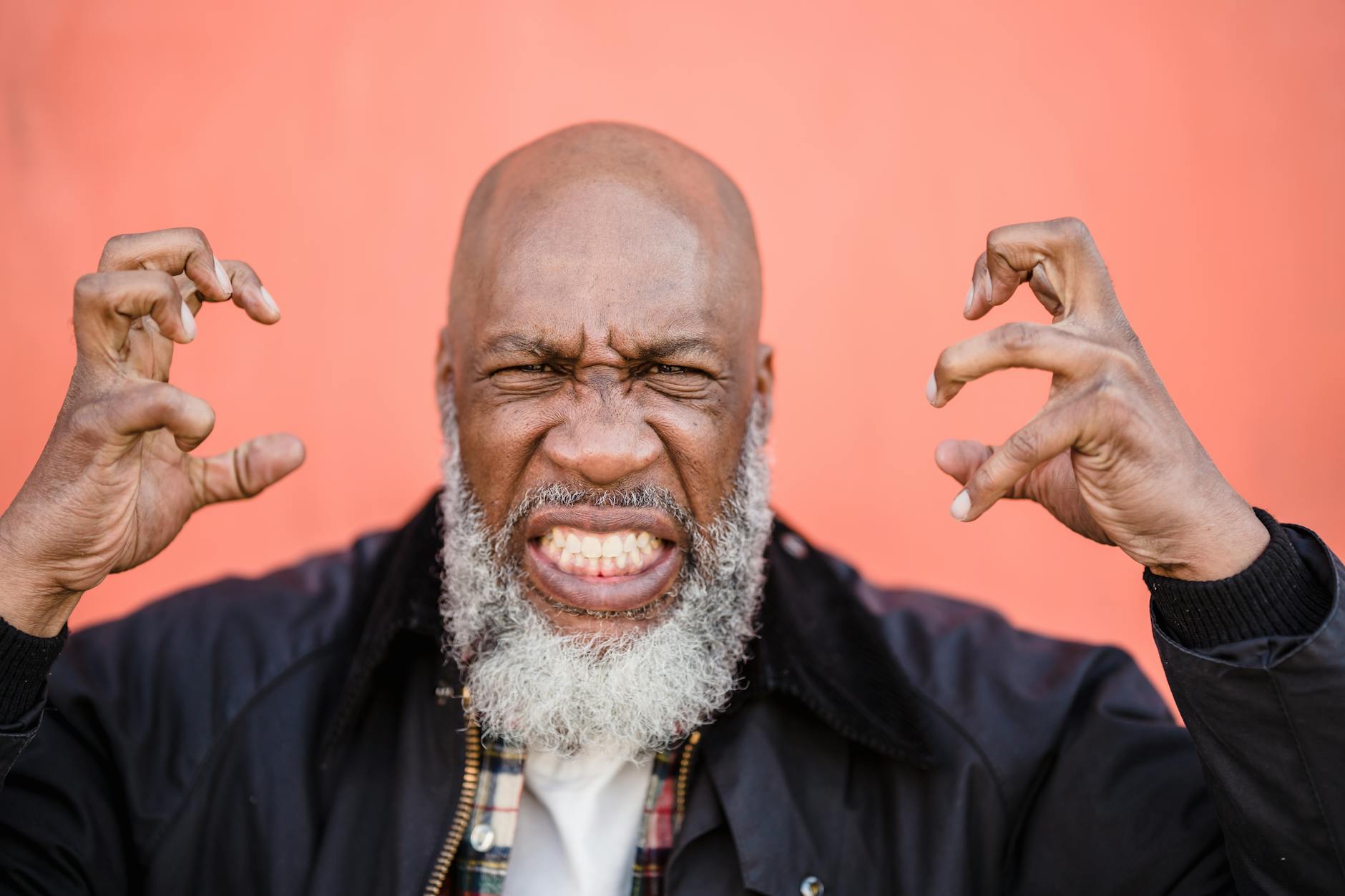
The Role of Emotional Intelligence
At its core, learning to express complex emotions is a significant component of emotional intelligence. It’s about understanding your own feelings, managing them, and then communicating them effectively to others. This is a skill that can be developed and honed over time.
Self-Awareness: The First Step
You can't express what you don't recognize. Deepening your self-awareness through mindfulness, introspection, and seeking feedback is crucial. What are your triggers? What are your typical emotional responses? The more you know yourself, the better equipped you are to articulate your inner landscape.
Empathy Building: Understanding Others' Worlds
Emotional intelligence isn't just about you; it's also about understanding others. When you can empathize with someone else's feelings, you're better able to frame your own emotions in a way that is received with understanding. This is where active listening comes into play; truly hearing what someone else is saying, both verbally and non-verbally, can inform how you choose to express yourself.
Emotional Regulation: Not Suppression
This is a critical distinction. Emotional regulation isn't about stuffing down your feelings until they explode. It's about managing them constructively. It means acknowledging a strong emotion, allowing yourself to feel it, but choosing how and when to express it in a way that is productive for the situation and your relationships. For instance, if you feel a surge of intense anger, effective emotional regulation might mean taking a deep breath and waiting until you're calmer before you speak, rather than lashing out.
Practical Strategies for Deeper Connection
Moving from theory to practice is where the real transformation happens. These strategies are designed to help you implement what we've discussed and truly master how to express complex emotions in your daily life, fostering healthier communication and stronger bonds.
Mindful Pauses
Before responding, especially in emotionally charged situations, take a pause. Count to ten, take a few deep breaths, or even excuse yourself for a moment. This space allows your rational brain to catch up with your emotional brain, giving you time to choose your words more carefully and accurately.
Seek Clarity Through Questions
If you're unsure about your own feelings, or want to ensure you're being understood, ask clarifying questions. "Does that make sense?" or "How does that land with you?" can open the door for further dialogue and ensure your message is received as intended. This is a great complement to active listening in relationships.
Embrace Vulnerability
This one surprised me how powerful it is. Sharing your complex emotions can feel risky, but it’s often where the deepest connections are forged. When you allow yourself to be vulnerable, you give others permission to do the same. This builds trust and intimacy. Think about the impact of learning to express needs in couples; it opens up a whole new level of connection.
Learn from Conflict Resolution
Conflict is inevitable, but how you navigate it is key. Using the tools we've discussed—"I feel" statements, specificity, and emotional awareness—can turn potential blow-ups into opportunities for growth. Understanding how to express needs during conflict is a vital skill for maintaining healthy relationships.
The Long Game of Communication
Mastering the ability to express complex emotions isn't a destination; it's an ongoing journey. It requires patience, practice, and a willingness to be imperfect. The rewards, however, are immense: deeper understanding, stronger relationships, and a more authentic connection with yourself and others. It’s about building a bridge between your inner world and the world outside, one carefully chosen word at a time. The research from The Gottman Institute research on express complex emotions consistently highlights the importance of this nuanced communication for relationship success.