
I remember a dinner conversation a few years back that went sideways faster than a runaway grocery cart. My teenage daughter, Maya, was trying to explain her frustration with a group project at school, her voice tight with emotion. My son, Liam, was mid-way through a story about his soccer game, oblivious. My wife, Sarah, was trying to mediate, her brow furrowed. And me? I was mentally running through my grocery list, only half-listening. The air crackled with unspoken tension, a perfect storm of miscommunication. It hit me then, with a jolt, that we were all in the same room, but miles apart emotionally. This wasn't just about a bad dinner; it was a stark illustration of what happens when family communication empathy is missing. It's the silent killer of connection, the invisible wall that separates us when we need each other most.
The Astonishing Power of Truly Hearing Each Other
We often think of communication as talking, as getting our point across. But what if the real magic, the true breakthrough, lies not in speaking, but in listening? Not just with our ears, but with our hearts. This is the essence of empathy in families, and honestly, it’s a game-changer. It’s about stepping into someone else’s shoes, even if they’re a size or two different from your own.
What Exactly is Family Communication Empathy?
At its core, family communication empathy is the ability to understand and share the feelings of another family member. It’s about recognizing their perspective, validating their emotions, and responding with compassion. It’s not about agreeing with them necessarily, but about making them feel seen and understood. Think of it as an emotional translator, helping you decode the unspoken messages behind the words.
Why It's More Crucial Than We Think
When empathy is present in family communication, the entire dynamic shifts. Arguments become less about winning and losing, and more about problem-solving together. It fosters a sense of safety and trust, where everyone feels comfortable expressing their true selves without fear of judgment. This is foundational for building truly resilient and loving relationships.
The Ripple Effect of Understanding
When one family member practices empathy, it often inspires others to do the same. It creates a positive feedback loop. Imagine a household where disagreements are met with curiosity rather than defensiveness. This is the power of cultivating empathetic family dynamics.
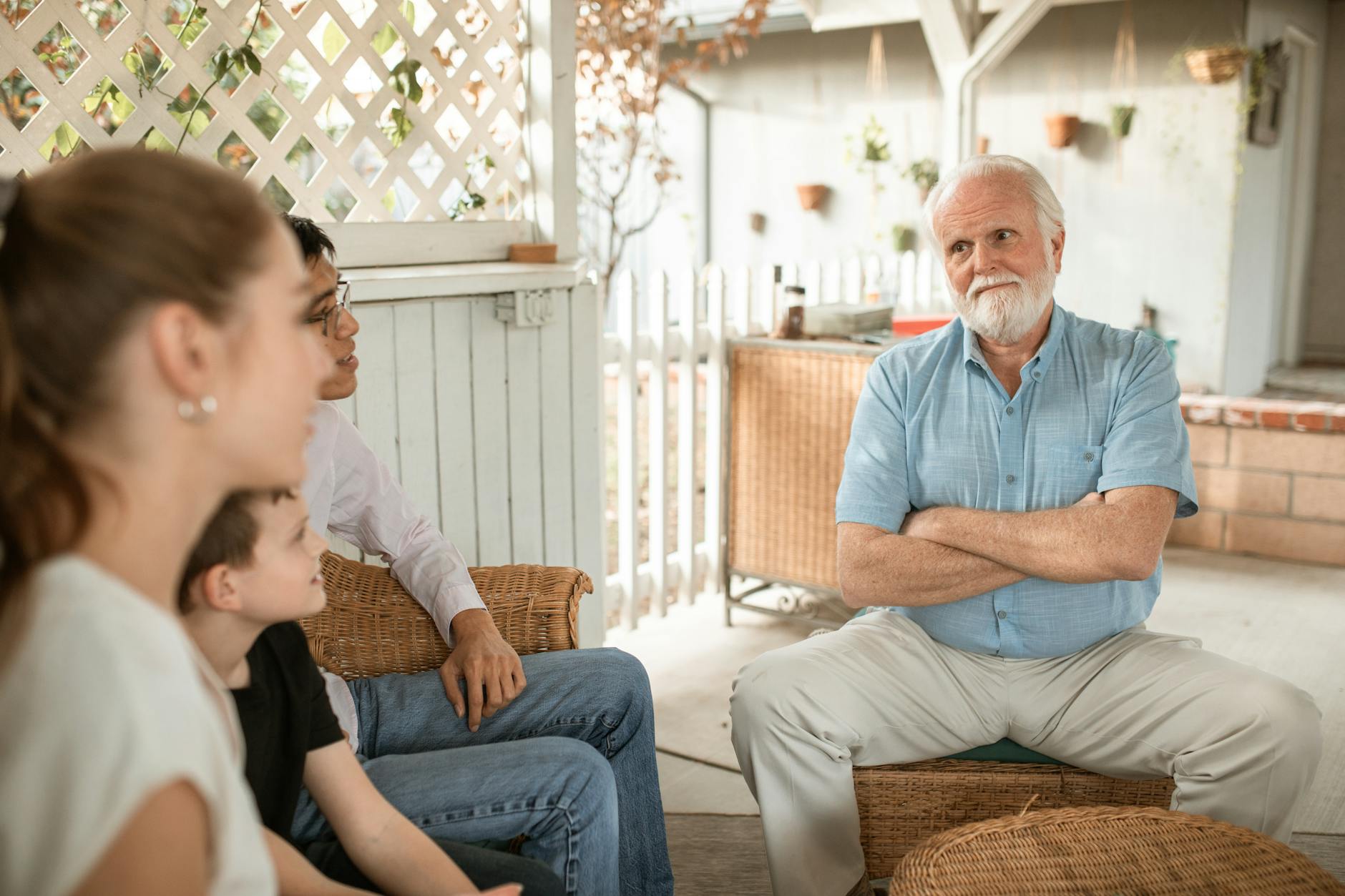
Unpacking the Building Blocks of Empathetic Family Dynamics
So, how do we actually *do* this empathy thing within the often chaotic landscape of family life? It’s not about grand gestures; it's about the small, consistent actions that build a foundation of understanding. It requires conscious effort, but the rewards are immense.
The Art of Active Listening: More Than Just Silence
This one surprised me. I used to think active listening meant just not interrupting. Wrong! It’s a full-contact sport for the ears and the heart. It involves paying full attention, reflecting back what you hear, and asking clarifying questions. It's about showing you're engaged, not just waiting for your turn to speak. For instance, when Maya was upset about her project, instead of immediately offering solutions, I could have said, "So, it sounds like you're feeling really overwhelmed by the lack of effort from your group members, and that's making you feel unheard and frustrated. Is that right?" This simple reflection can diffuse so much tension.
Tips for Mastering Active Listening
- Make eye contact (when culturally appropriate).
- Nod and use verbal cues like "uh-huh" and "I see."
- Paraphrase to confirm understanding.
- Avoid formulating your response while the other person is speaking.
- Ask open-ended questions to encourage elaboration.
Validating Feelings: The Power of "I Hear You"
Validation isn't about agreeing with the *behavior*, but about acknowledging the *emotion*. If your child is upset about not getting a toy, you don't have to buy them the toy. You can say, "I understand you're really disappointed right now because you wanted that toy." This simple act of acknowledging their feelings, even if you can't meet their request, makes them feel heard and respected. It’s a cornerstone of effective family communication.
Embracing Different Perspectives: The "What If" Game
We all have our own unique lenses through which we view the world. Teaching ourselves and our children to consider alternative viewpoints is a vital part of building empathy. Encourage family members to ask, "What might they be feeling?" or "Why might they have acted that way?" This shifts the focus from judgment to curiosity.

Navigating Conflict with Compassion: A New Approach
Conflict is inevitable in any family. The key isn't to avoid it, but to learn how to navigate it constructively. This is where family communication empathy truly shines, transforming potential blow-ups into opportunities for growth.
Beyond Blame: Understanding Underlying Needs
Often, conflict arises because someone's needs aren't being met. Instead of focusing on who is "right" or "wrong," try to uncover the unmet needs. For example, if Liam is constantly leaving his toys scattered, he might not be intentionally trying to annoy you. He might simply need a clearer system for organization or more playtime before tidying up. Understanding these underlying needs is crucial for conflict resolution family. This is where resources like a Conflict Resolution Worksheet: Solve Disputes Easily can be incredibly helpful.
The Empathy-Driven Apology
A genuine apology is a powerful tool for repairing ruptures. It goes beyond a simple "I'm sorry." It involves acknowledging the impact of your actions, taking responsibility, and expressing a commitment to do better. Avoid bad apology examples; instead, focus on sincerity and understanding. A good apology demonstrates empathy.
The Role of Emotional Intelligence in Family Squabbles
Developing emotional intelligence within the family unit is paramount. This means recognizing and managing our own emotions, as well as understanding and responding to the emotions of others. When we can regulate our own frustration, we're better equipped to approach conflict with empathy rather than anger. According to American Psychological Association research on family communication empathy, higher levels of emotional intelligence are linked to stronger family bonds and better conflict resolution outcomes.
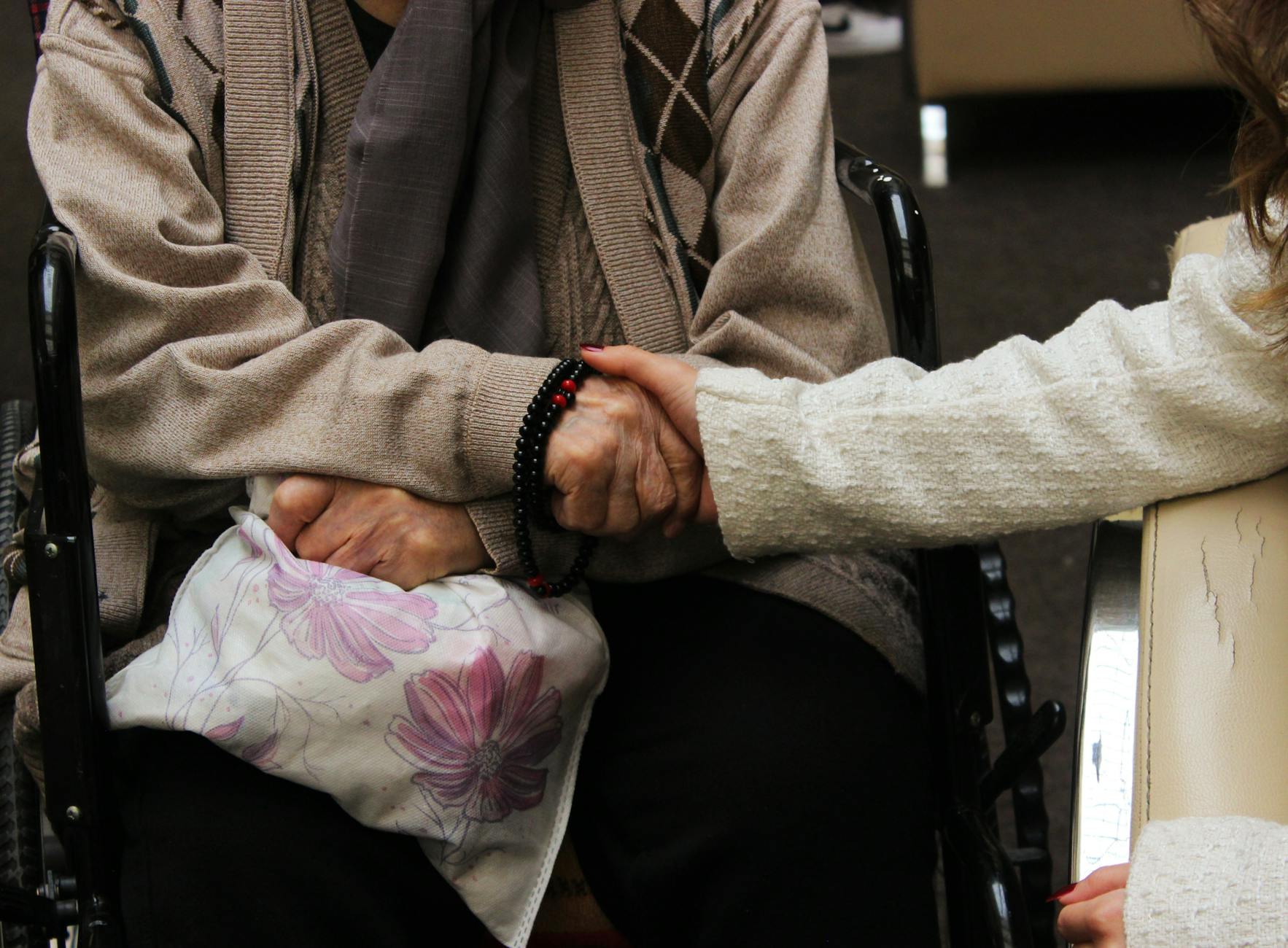
The Unexpected Angle: Empathy as a Skill, Not Just a Feeling
Here's the thing: I used to think empathy was something you either had or you didn't. A personality trait. But the more I delved into this topic, the more I realized that empathy is a skill. A muscle that can be strengthened with practice. This realization is incredibly empowering. It means we aren't doomed to a life of miscommunication if we haven't been naturally empathetic in the past. We can actively cultivate it.
Practicing "Walk a Mile in Their Shoes" Daily
This doesn't mean you have to literally wear someone else's shoes, but it does mean making a conscious effort to see situations from their perspective. Before reacting to a family member's behavior, pause and ask yourself: "What might be going on for them right now?" This simple mental exercise can completely alter your response. It’s about intentionally fostering understanding.
Leveraging "I Feel" Statements for Clearer Expression
When we communicate our own needs and feelings, using "I feel" statements is far more effective than "you always" or "you never" accusations. For example, instead of saying, "You never help with chores," try, "I feel overwhelmed and unappreciated when the dishes aren't done after dinner." This is a key component of Express Needs at Home: Spring Transition Tips and vital for healthy relationships.
The Power of Shared Vulnerability
When family members feel safe enough to be vulnerable with each other, it creates deep emotional bonds. Sharing fears, hopes, and even mistakes, allows for genuine connection. This vulnerability, met with empathy, is incredibly healing and strengthens the fabric of the family. It’s a beautiful illustration of Psychology Today research on family communication empathy.

Transforming Your Family's Communication Landscape
The journey toward greater family communication empathy isn't a sprint; it's a marathon. There will be days when you feel you're making huge strides, and days when it feels like you're back at square one. But the commitment to understanding and connection is what truly matters. It's about continuously striving to create a home where everyone feels heard, valued, and loved.
Small Steps, Big Impact: Daily Practices
Start small. Dedicate five minutes each day to truly listen to one family member without interruption. Make a conscious effort to validate someone's feelings, even in a minor disagreement. These consistent, small acts accumulate, gradually transforming your family's communication patterns. These are some of the most impactful Family Communication Tips: Spring Dynamics Made Easy.
The Long-Term Benefits: A Happier, Healthier Home
When empathy is a cornerstone of your family's communication, you build a more resilient, supportive, and loving environment. Children who grow up in empathetic households often develop stronger social skills, greater self-esteem, and a better capacity for healthy relationships throughout their lives. It’s an investment with dividends that last a lifetime. As noted by Healthline research on family communication empathy, strong family connections are vital for mental well-being.
Beyond the Family Unit: Extending Empathy
The skills you cultivate within your family unit don't just stay within your home. They ripple outwards, influencing how your children interact with the world and how you, as adults, connect with others. You become ambassadors of understanding, contributing to a more compassionate society. It’s a powerful, positive cycle.
This isn't just about avoiding arguments; it's about building a legacy of connection. It's about creating a sanctuary where every voice matters and every heart feels understood. The work of family communication empathy is challenging, yes, but it is also the most profoundly rewarding endeavor you can undertake. Look around your dinner table tonight. What small step can you take, right now, to foster a deeper sense of understanding? The journey begins with a single, empathetic breath.