My Biggest Snow Day Mistake
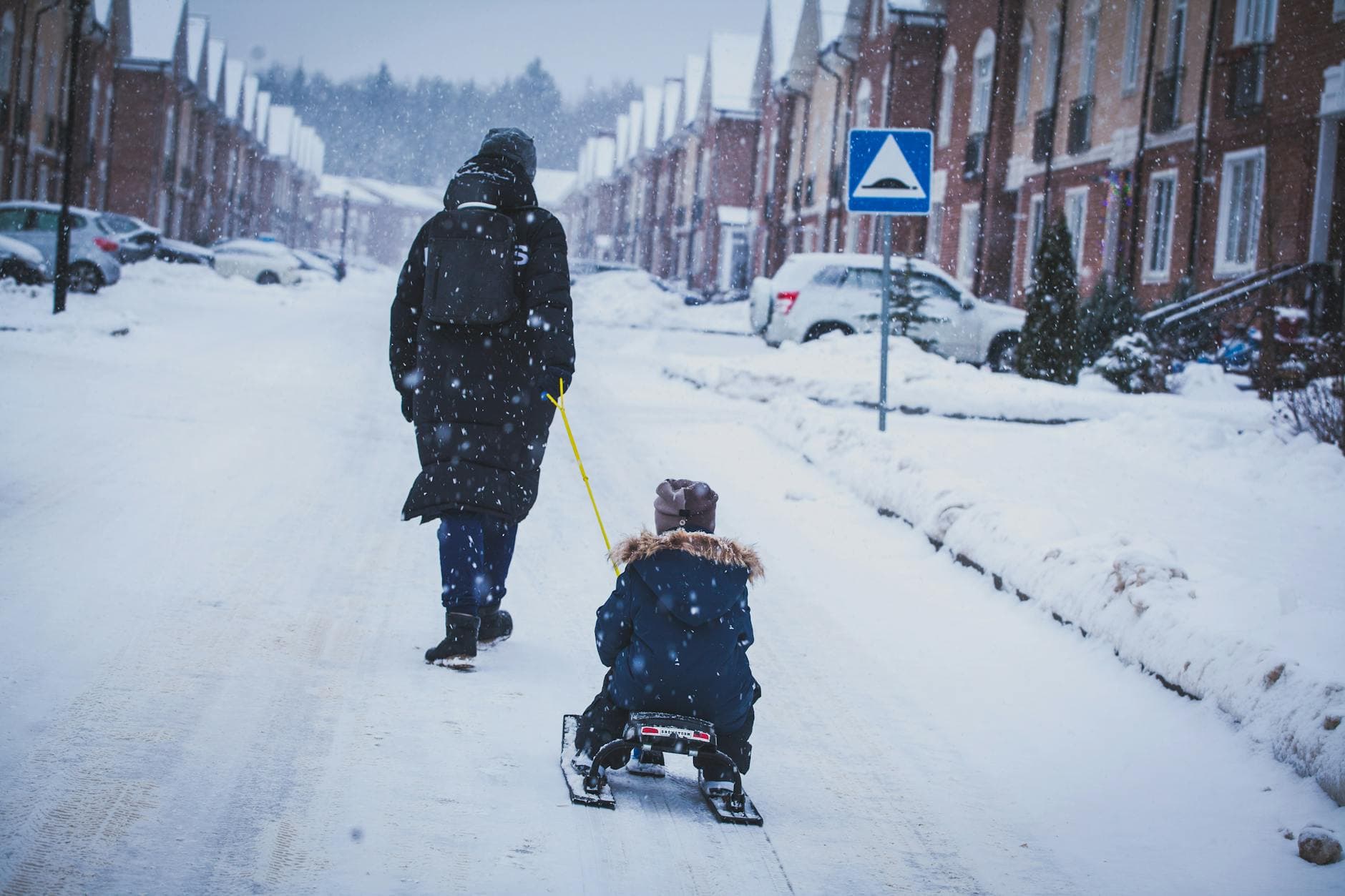
I'll be real with you, I used to think snow days were easy. A welcome break, a chance to relax. I pictured cozy fires, happy kids building snow forts, and maybe even a nap. What I quickly learned, the hard way, is that snow days can be a pressure cooker for family dynamics. And the single biggest problem? Poor **family snow day communication**. I thought I was a good communicator. Turns out, I was just scratching the surface.

Decoding the Snow Day Stressors
The Unexpected Challenges
The idyllic snow day fantasy often clashes with reality. Suddenly, everyone's home, routines are disrupted, and cabin fever sets in quickly. This environment breeds stress, and when stress levels spike, communication often breaks down. You might be wondering, what are the common culprits? Well, it's a combination of things. Boredom, unmet expectations, and the simple fact that you’re all in each other's space, all the time.
Sibling Rivalry on Ice
Sibling squabbles, already a common occurrence, seem to multiply in the confined space of a snow day. Shared toys, limited screen time, and the inevitable "he/she started it" accusations can quickly escalate. This is where effective **snow day conflict resolution** becomes essential. Without clear communication strategies, these small arguments can snowball into major conflicts, creating a tense atmosphere for everyone.
Parental Pressure and Burnout
Let's not forget the parents. Juggling work-from-home responsibilities, keeping the kids entertained, and managing the household during a winter storm can be incredibly overwhelming. This pressure can lead to short tempers and a lack of patience, which further hinders **communicating with kids snow day**. It's a recipe for burnout if you're not careful.
Essential Communication Strategies for a Smoother Snow Day
Setting Expectations and Boundaries
Before the snow even starts to fall, have a family meeting. Discuss what a snow day *could* look like. This is your chance to establish clear expectations regarding screen time, chores, and shared spaces. Consider using a visual schedule for younger children, outlining the day's activities and when they'll occur. This proactive approach sets the stage for a more harmonious day.
Active Listening and Empathy
When conflicts arise, resist the urge to immediately jump to solutions. Instead, practice active listening. This means truly hearing what your child is saying, acknowledging their feelings, and summarizing their perspective before offering advice or suggestions. Show empathy by validating their emotions, even if you don't agree with their actions. For instance, you could say, "I understand you're frustrated that your sister took the red crayon; it's disappointing when you can't have what you want."
Using "I" Statements
"I" statements are a powerful tool for expressing your own needs and feelings without blaming others. Instead of saying, "You're always interrupting me," try, "I feel frustrated when I'm interrupted because it makes it hard for me to concentrate." This approach encourages children to understand your perspective and promotes a more collaborative problem-solving environment. You can learn more about this in a course on Effective Relationship Communication Skills: Build Strong...

Turning Snow Day Struggles into Family Fun
Embracing Family Activities
Snow days present unique opportunities for family bonding. Think about some classic **family activities snow day**. Board games, card games, building a fort in the living room, or having a family movie marathon can all create positive memories. Get creative with indoor activities, like a scavenger hunt or an art project.
Incorporating Outdoor Play (If Possible)
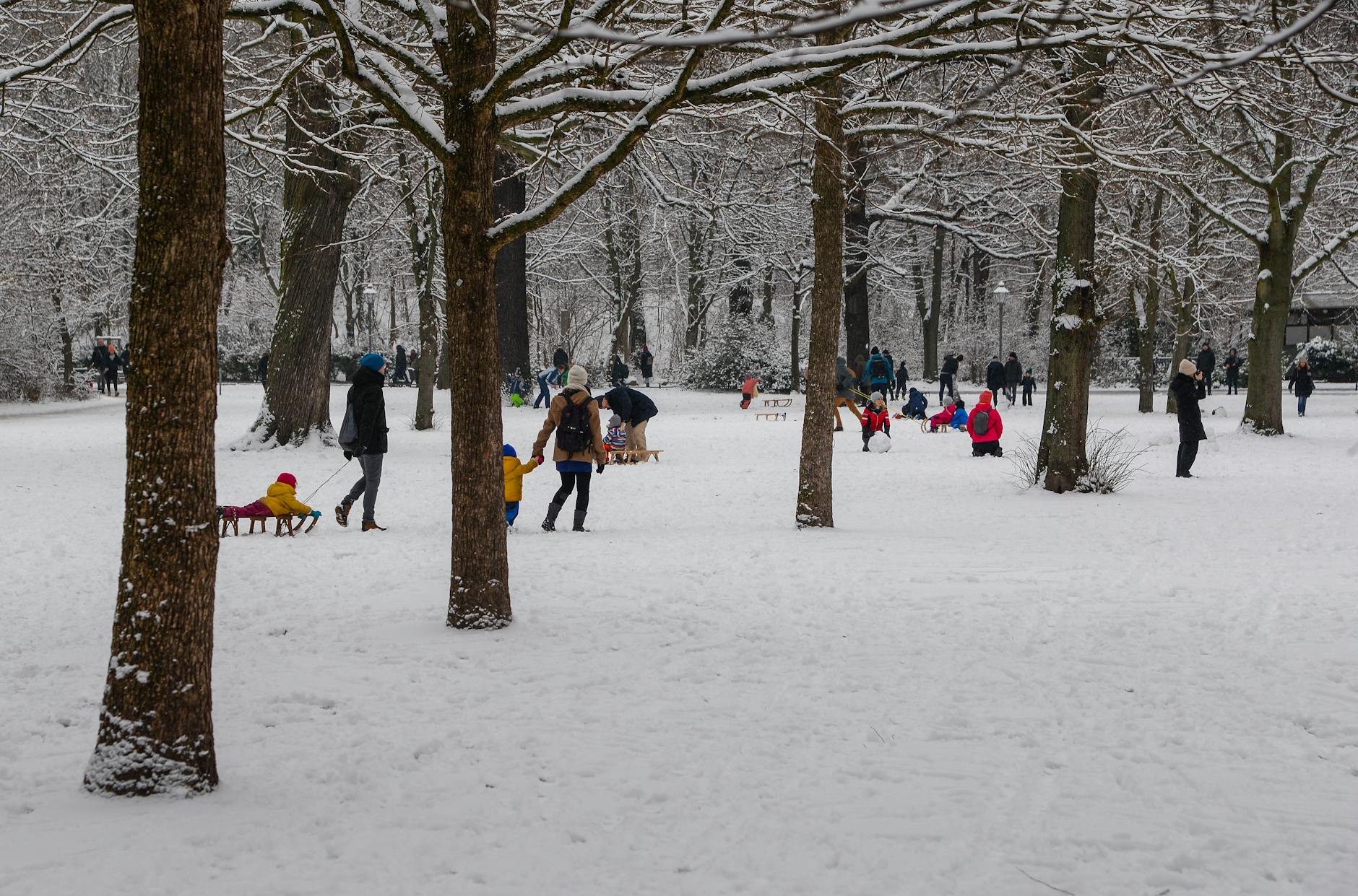
If the weather permits, embrace the snow! Bundle up and head outside for snowball fights, building a snowman, or sledding. Encourage kids to get exercise and fresh air. This can do wonders for releasing pent-up energy and reducing stress. Even a short period of outdoor play can significantly improve everyone's mood.
Creating a "No-Screen Time" Zone
Designate a specific time each day, or even a zone in your home, as a "no-screen time" area. This encourages family interaction and reduces the potential for arguments over screen time. Instead of giving in to the temptation of constant entertainment, use this opportunity to connect face-to-face, read a book together, or engage in a creative activity.
Managing Your Own Stress on a Snow Day
Self-Care is Non-Negotiable
Parenting during a snow day is a marathon, not a sprint. Prioritize self-care to avoid burnout. Even a few minutes of quiet time, a quick meditation, or a warm cup of tea can make a big difference. Don't feel guilty about taking breaks; they are essential for your well-being and your ability to effectively communicate with your family.
Seeking Support When Needed
Don't hesitate to reach out for help. If you're struggling, talk to your partner, a trusted friend, or a family member. Sharing the load and seeking emotional support can alleviate stress and improve your ability to navigate challenging situations. Remember, you don't have to do it all alone. The National Alliance on Mental Illness research on family snow day communication provides valuable resources.
Embracing Imperfection
Here's the thing: snow days won't always be perfect. Embrace the chaos, laugh at the spills, and remember that it's okay if things don't go according to plan. The goal isn't a flawless day; it's about creating connection and building resilience within your family.
Conflict Resolution Techniques for Snow Day Scuffles
The Power of Time-Outs (For Everyone!)
Sometimes, a temporary separation is the best solution. Establish a designated "calm-down" space for both children and adults. When emotions run high, encourage everyone to take a few minutes to cool off before addressing the conflict. This helps prevent escalation and allows for more rational communication. The The Gottman Institute research on family snow day communication emphasizes the importance of managing conflict.
Teaching Problem-Solving Skills
Help your children develop their own problem-solving skills. Encourage them to identify the problem, brainstorm possible solutions, and evaluate the consequences of each option. This empowers them to take ownership of their conflicts and promotes independent thinking.
Modeling Positive Behavior
Children learn by observing. Model the communication and conflict-resolution strategies you want to see in your children. If you lose your temper, apologize and explain how you could have handled the situation better. This demonstrates that mistakes are okay and that learning and growth are ongoing processes.
A Final Thought on Family Snow Day Communication
I used to think that a snow day was a free pass for everyone to do whatever they wanted, within reason. I was wrong. It’s a chance to build stronger family bonds, but that comes with a need for intentional effort. It requires open, honest communication, empathy, and a willingness to adapt. Remember, your ability to navigate the challenges of a snow day is not just about surviving; it's about creating lasting memories and strengthening your family's connection. And honestly, isn't that what it's all about?