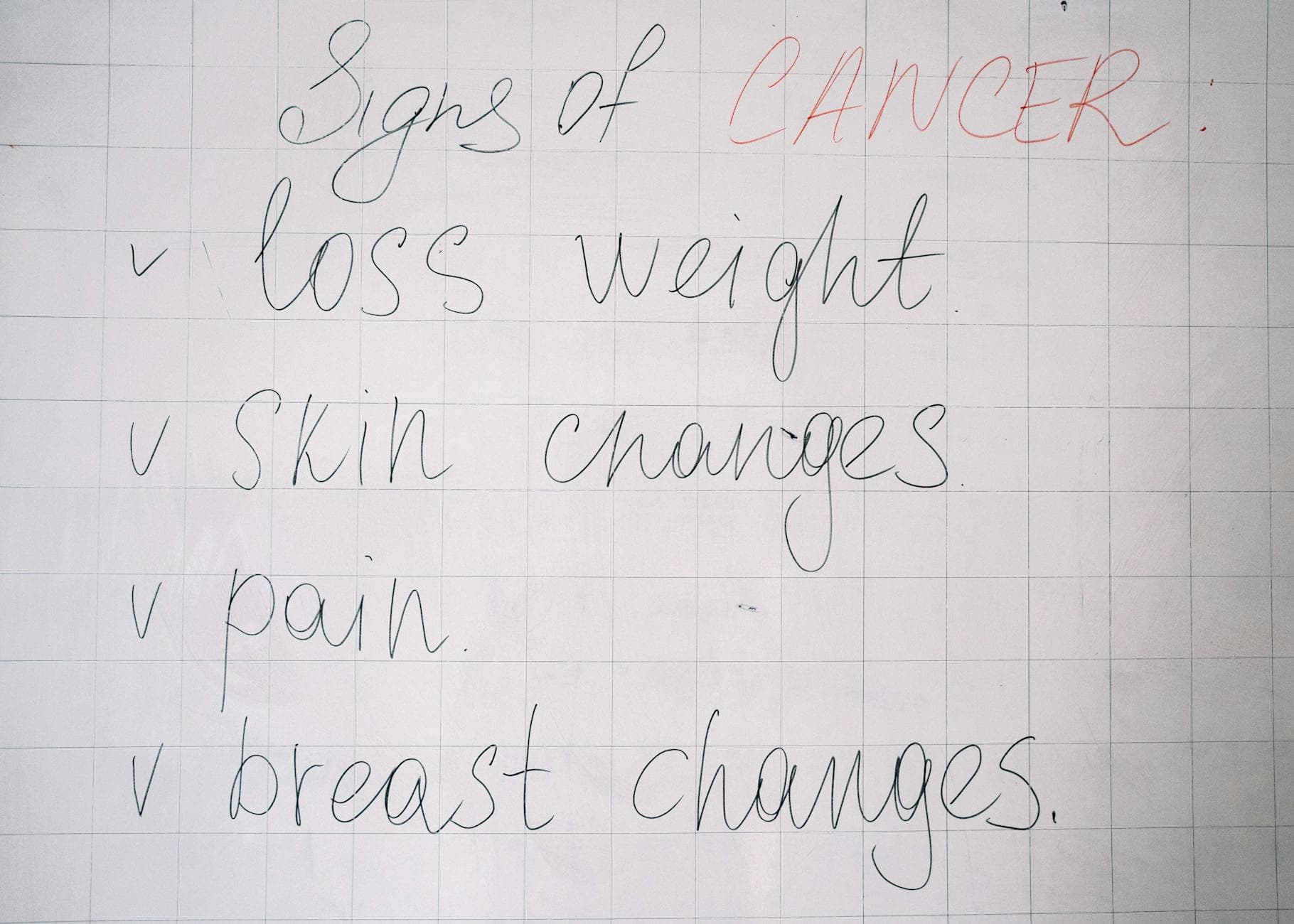
The Hidden Truth About Anxiety: It's More Than Just Worry
Did you know that over 40 million adults in the United States experience an anxiety disorder? That's a staggering number, and the reality is, many people don't even realize they're struggling. One of the first steps in addressing this issue is understanding the anxiety symptom checklist and what it looks like in your own life. It's often more complex than just feeling worried; it’s a web of physical, emotional, and behavioral changes.

Unpacking the Common Signs of Anxiety: Beyond the Obvious
Emotional and Mental Symptoms
Anxiety can manifest in some pretty unexpected ways. Sure, feeling excessive worry is a big sign, but what else? You might find yourself constantly on edge, feeling restless or irritable. Difficulty concentrating, racing thoughts, and a sense of impending doom are also common. You could experience a feeling of detachment from reality, like you're in a dream. It's not just about feeling "stressed"; it's about a persistent, pervasive sense of unease that colors your entire experience.
Physical Manifestations
The body often betrays the mind. Physical symptoms of anxiety are incredibly common. You might experience a racing heart, sweating, trembling, or shortness of breath. Digestive issues, such as stomachaches or diarrhea, are also frequent. Headaches, muscle tension, and fatigue are other physical signs that shouldn't be overlooked. I used to think these were separate issues, but now I know they're often interconnected.
Behavioral Red Flags
How you act can be a significant indicator. Avoidance is a big one. Do you find yourself avoiding situations or places that trigger your anxiety? Changes in sleep patterns, such as insomnia or oversleeping, are also common. Increased substance use, difficulty controlling your emotions, and changes in eating habits can all be connected to anxiety. These behaviors are often coping mechanisms, but they can worsen the underlying problem.

Delving into Specific Anxiety Disorders and Their Unique Symptoms
Generalized Anxiety Disorder (GAD)
People with GAD experience excessive worry about a variety of things, even when there's no obvious reason. The anxiety is persistent and can interfere with daily life. Symptoms often include restlessness, fatigue, difficulty concentrating, irritability, muscle tension, and sleep disturbances. You might find yourself constantly anticipating the worst, even in everyday situations.
Social Anxiety Disorder
Social anxiety is characterized by an intense fear of social situations. Individuals with this disorder may worry about being judged, embarrassed, or humiliated. Physical symptoms like blushing, sweating, and trembling are common. They may avoid social gatherings or public speaking, leading to isolation. It can be profoundly debilitating, impacting work, relationships, and overall well-being.
Panic Disorder
Panic disorder involves recurrent, unexpected panic attacks. These attacks are sudden episodes of intense fear that can include physical symptoms like heart palpitations, chest pain, and shortness of breath. People experiencing panic attacks often feel like they're going to die or lose control. The fear of future panic attacks can lead to avoidance behaviors and a significant disruption of daily life.

An Unexpected Angle: Anxiety's Connection to Other Conditions
Anxiety and Depression: The Overlap
It's crucial to understand that anxiety and depression often go hand in hand. Many people with anxiety also experience symptoms of depression, such as sadness, loss of interest in activities, and changes in appetite or sleep. These conditions can feed off each other, creating a vicious cycle. Recognizing this overlap is essential for effective treatment.
The Link Between Anxiety and Physical Health
Anxiety doesn't just impact your mental state; it can have a real impact on your physical health. Chronic stress and anxiety can weaken your immune system, making you more susceptible to illness. It can also exacerbate existing medical conditions, such as heart disease and digestive disorders. This is why addressing anxiety is vital for overall well-being.
Recognizing the Connection to Seasonal Affective Disorder
Believe it or not, anxiety can sometimes be triggered or worsened by seasonal changes. You might notice your anxiety symptoms intensifying during specific times of the year. This connection highlights the complex interplay between environmental factors and mental health.
Taking Action: What You Can Do About Your Anxiety Symptoms
Seeking Professional Help
If you're experiencing several symptoms on an anxiety symptom checklist, the first step is to seek professional help. A therapist or psychiatrist can provide a diagnosis and recommend appropriate treatment options. Cognitive-behavioral therapy (CBT) and medication are often used to manage anxiety. Don't hesitate to reach out; it's a sign of strength, not weakness.
Self-Care Strategies for Anxiety Relief
There are many things you can do to manage your anxiety symptoms on your own. Regular exercise, a balanced diet, and sufficient sleep are crucial. Relaxation techniques, such as deep breathing, meditation, and mindfulness, can help calm your nervous system. Journaling and spending time in nature can also be beneficial.
Building a Support System
Having a strong support system is vital. Talk to friends, family members, or join a support group where you can share your experiences and connect with others who understand what you're going through. You don't have to face this alone. Organizations like the National Alliance on Mental Illness provide valuable resources and support.
The Bottom Line: You're Not Alone
Anxiety is a widespread issue, and the first step to managing it is understanding its signs. By using an anxiety symptom checklist, you can recognize the symptoms and take action. Remember, you're not broken, and you don't have to suffer in silence. I encourage you to seek professional help and utilize self-care strategies. It's possible to find relief and live a fulfilling life. For further insights, you can explore resources from Psychology Today. Also, it's a good idea to research the Healthline research on anxiety symptom checklist. And remember, recovery is a journey, not a destination.