
The Truth About Anxiety: What Causes Anxiety Disorder?
I used to think anxiety was just "worrying too much." Honestly, I thought people could just "snap out of it." Boy, was I wrong. Years of struggling with my own mental health, and then working with others, have taught me a hard lesson: anxiety is a complex beast. Understanding what causes anxiety disorder is the first, crucial step toward managing it. It’s not a character flaw, a weakness, or something you can simply "get over." Instead, it's a multifaceted condition influenced by a combination of factors.
This isn't just about feeling a little nervous before a big presentation. We're talking about a persistent, overwhelming sense of dread, fear, or unease that can significantly impact your daily life. It can be debilitating. If you're struggling with this, please know you’re not alone, and there is hope.
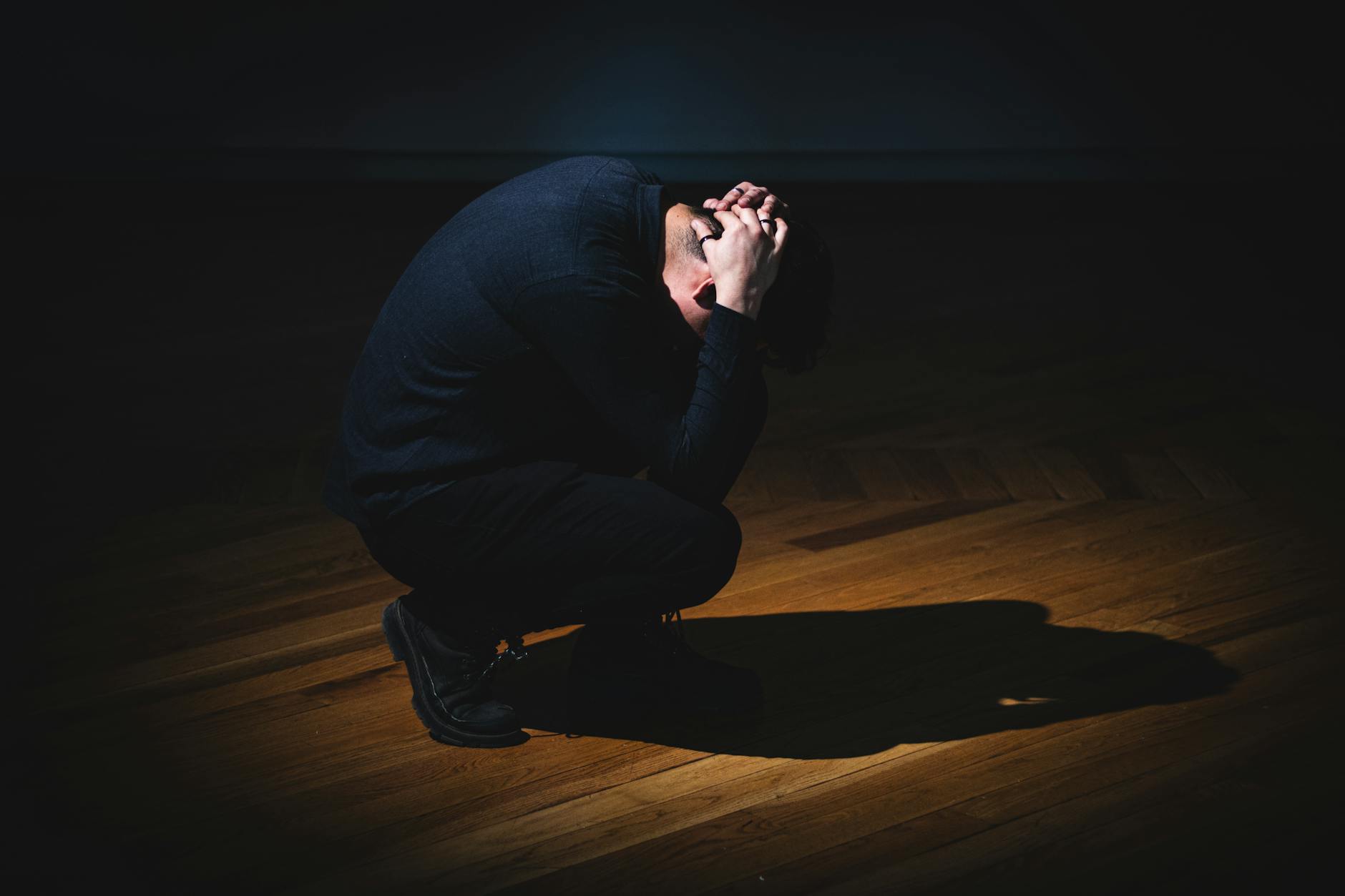
The Brain's Role: Biology and Anxiety
Here's the thing: our brains are incredibly complex, and they play a huge role in what causes anxiety disorder. Think of it like a finely tuned machine; when something goes wrong with the wiring, things can get out of whack.
Neurotransmitters: The Chemical Messengers
Our brains use chemical messengers called neurotransmitters to communicate. Serotonin, dopamine, norepinephrine, and GABA are some of the key players. Imbalances in these neurotransmitters can significantly contribute to anxiety. For example, low levels of serotonin are often linked to increased anxiety. The same goes for GABA, which is the brain's primary "calming" neurotransmitter. When GABA levels are low, the brain can become overstimulated, leading to anxiety symptoms.
The Amygdala and the Fight-or-Flight Response
The amygdala, a small almond-shaped structure deep within the brain, is the brain's threat detector. It's responsible for processing emotions, especially fear. In people with anxiety disorders, the amygdala can become overactive, triggering the fight-or-flight response even when there's no real danger. This can lead to a cascade of physical symptoms: a racing heart, rapid breathing, sweating, and feeling on edge.
Genetics: Are You Predisposed?
Genetics also play a part. Research suggests that if you have a family history of anxiety, you're more likely to develop an anxiety disorder. It's not a guarantee, but it can increase your risk. Genes don't directly "cause" anxiety, but they can make you more susceptible to it. This means you might be born with a brain that's more sensitive to stress or more prone to developing imbalances in neurotransmitters.
Environmental Factors: The World Around Us
While biology sets the stage, our environment can significantly influence what causes anxiety disorder. The world we live in, the things we experience, and the relationships we have all shape our mental health.
Stressful Life Events: The Trigger
Traumatic experiences are often at the root. A major life change, such as the loss of a loved one, a job loss, or a relationship breakup, can be a major trigger. For some people, these events can push them over the edge, leading to the development of an anxiety disorder. Even seemingly less significant stressors, like financial worries or relationship problems, can contribute to chronic anxiety.
Childhood Experiences: The Foundation
Childhood experiences can have a profound impact on our mental health. Children who experience abuse, neglect, or other adverse events are at a higher risk of developing anxiety disorders later in life. These early experiences can shape the way our brains develop, making us more vulnerable to stress and anxiety.
Learned Behaviors: Observing and Adapting
We learn a lot from observing others. If you grew up in a household where anxiety was common, or where people reacted to stress with fear, you might have learned to cope with situations in the same way. This can contribute to the development of anxiety symptoms. This isn't a judgment; it's simply an observation of how we learn from those around us.
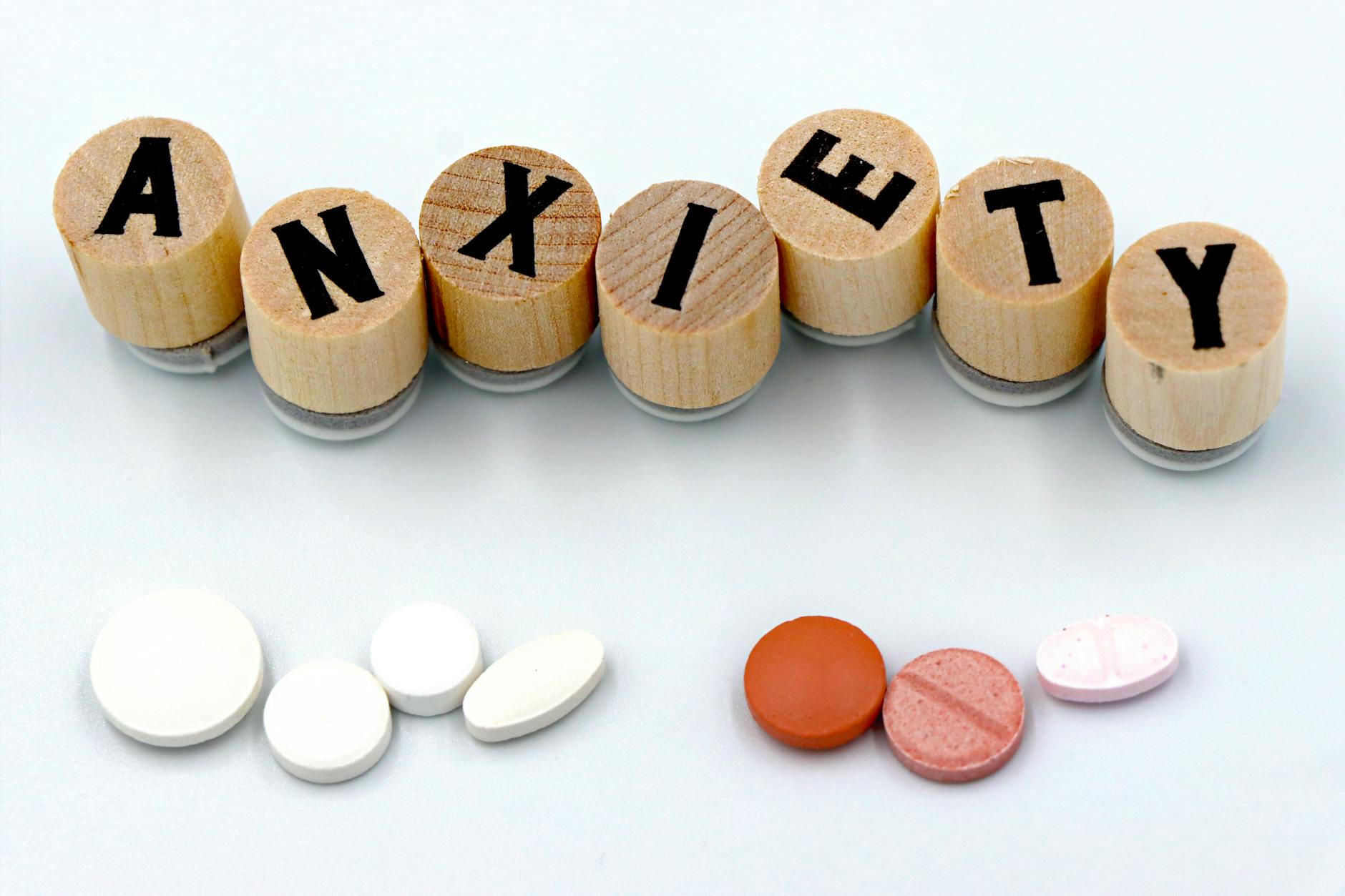
Types of Anxiety Disorders: A Closer Look
It's important to understand that anxiety isn't a single condition. There are several types of anxiety disorders, each with its own unique characteristics and triggers. Recognizing the specific type of anxiety you're experiencing is crucial for effective treatment.
Generalized Anxiety Disorder (GAD)
GAD is characterized by excessive, persistent worry about a variety of things. You might find yourself constantly worrying about your health, finances, relationships, or work. The worrying is often difficult to control and can interfere with daily life. People with GAD often experience physical symptoms like fatigue, muscle tension, and difficulty sleeping. Some estimates suggest that nearly 7 million adults in the United States are affected by GAD.
Social Anxiety Disorder
Social anxiety disorder involves intense fear of social situations. You might worry about being judged, embarrassed, or humiliated. This can lead to avoiding social events or experiencing significant distress when forced to interact with others. This can manifest in different ways. For example, you might experience physical symptoms like blushing, sweating, or trembling. This is a common form of anxiety, and understanding it is key to finding the right help.
Panic Disorder
Panic disorder is characterized by recurrent panic attacks. A panic attack is a sudden surge of intense fear or discomfort that can include physical symptoms like a racing heart, shortness of breath, and chest pain. Panic attacks can be incredibly frightening, and people with panic disorder often worry about having another one. This fear can lead to avoidance behaviors, where you avoid places or situations where you've had a panic attack.
How to Cope with Anxiety: Finding Relief and Taking Action
The good news is that there are effective ways to cope with anxiety and reduce its impact on your life. Here are some strategies that can help:
Therapy: Talking it Out
Therapy, particularly Cognitive Behavioral Therapy (CBT), is a highly effective treatment for anxiety disorders. CBT helps you identify and challenge negative thought patterns and behaviors that contribute to anxiety. Exposure therapy, a type of CBT, can be especially helpful for social anxiety and phobias. Talking to a therapist can offer a safe space to explore your feelings and develop coping mechanisms.
Lifestyle Changes: Prioritizing Your Well-Being
Lifestyle changes can significantly impact your anxiety levels. Regular exercise, a healthy diet, and getting enough sleep can all help reduce anxiety symptoms. Mindful practices like meditation and yoga can also be beneficial. Limiting caffeine and alcohol intake can also make a difference, as these substances can worsen anxiety. These small changes can add up to a big improvement in how you feel.
Medication: A Helping Hand
Medication, such as antidepressants or anti-anxiety drugs, can be helpful for some people. It's important to work with a doctor or psychiatrist to determine if medication is right for you. Medication can help manage the symptoms of anxiety, but it's often most effective when combined with therapy.
What Causes Anxiety Disorder: A Complex Equation
So, what causes anxiety disorder? As you can see, there isn't one single answer. It's a complex interplay of biological, environmental, and psychological factors. It's not your fault if you're struggling with anxiety.
The National Alliance on Mental Illness research on what causes anxiety disorder highlights the importance of understanding the multifaceted nature of this condition. It’s also crucial to remember that you're not alone. Millions of people worldwide experience anxiety disorders.
If you're struggling, reach out for help. Talk to a doctor, therapist, or support group. There are effective treatments available, and you can learn to manage your anxiety and live a fulfilling life. The American Psychological Association research on what causes anxiety disorder provides detailed information on treatment options.
Think about the last time you felt overwhelmed by anxiety. What were the triggers? What were the physical symptoms? Recognizing these patterns is the first step toward taking control.
Now, go out there and take care of yourself.