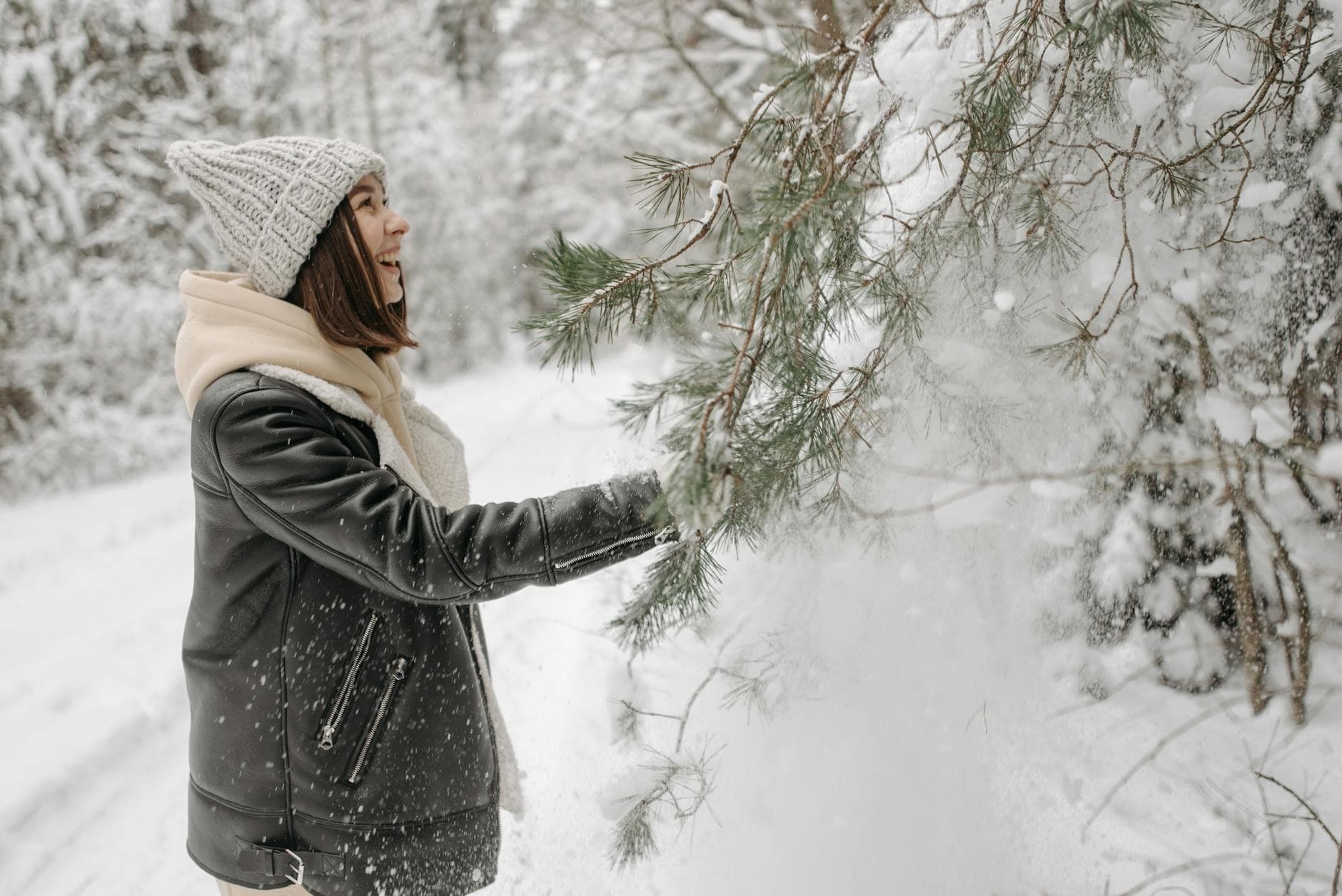
The sky outside is a relentless, washed-out grey. You pull your thickest sweater on, the one that feels like a hug, and stare out the window. Another day where the sun feels like a distant, almost forgotten memory. The cold seeps into your bones, and with it, a familiar, heavy feeling starts to settle in your chest. This is the season where many of us grapple with winter anxiety, that creeping sense of dread and low energy that can make even simple tasks feel monumental. If you're feeling this way, know you're not alone. Learning to manage winter anxiety is something I've worked on with countless people, and it's absolutely achievable.
Understanding the Winter Slump
It's easy to dismiss winter blues as just "the season," but for some, it's a genuine struggle that impacts daily life. This isn't just about feeling a bit sluggish; it's about a noticeable shift in mood, energy, and overall well-being. The shorter days and less sunlight can throw our internal clocks out of whack, affecting our sleep patterns and hormone production, particularly serotonin and melatonin. This can lead to feelings of sadness, irritability, and a general lack of motivation.
The Biological Underpinnings
The lack of sunlight exposure is a major player. Our bodies rely on natural light to regulate our circadian rhythms, the internal 24-hour cycle that governs sleep-wake patterns and influences many physiological processes. When daylight hours shrink, our melatonin production can increase, making us feel more sleepy and lethargic. Simultaneously, serotonin, a neurotransmitter that affects mood, can decrease. This biological shift is a primary driver behind what many experience as winter anxiety.
Beyond the Blues: Recognizing SAD
While mild winter blues are common, some individuals experience Seasonal Affective Disorder (SAD), a more severe form of depression linked to seasonal changes. SAD often begins in late fall and continues through winter, lifting as spring arrives. Symptoms can include persistent low mood, loss of interest in activities, changes in appetite and sleep, fatigue, and difficulty concentrating. If these feelings are intense and persistent, it’s crucial to seek professional help. National Alliance on Mental Illness research on manage winter anxiety highlights the prevalence and impact of SAD.
Practical Strategies to Manage Winter Anxiety
The good news is that there are many effective, practical ways to manage winter anxiety and even thrive during the colder months. It's not about waiting for spring to arrive; it's about actively building resilience and creating pockets of joy and well-being right now. I'll be real with you, some of these require consistent effort, but the payoff is immense.
Harnessing the Power of Light
This is probably the most talked-about strategy, and for good reason. Light therapy, or phototherapy, involves sitting in front of a special light box that mimics natural sunlight. It's been shown to be effective for many people with SAD and can also help with general winter blues. I had a client, Sarah, who was skeptical at first. She started with a 20-minute session each morning while reading the news. Within two weeks, she reported feeling significantly more alert and less prone to that heavy, foggy feeling that used to plague her mornings.
Finding the Right Light Box
Not all light boxes are created equal. Look for one that emits at least 10,000 lux and has a UV filter. It's best to consult with a healthcare professional to determine the right type and usage for your needs.
Maximizing Natural Light Exposure
Even without a light box, make every effort to get outside during daylight hours. Even on a cloudy day, the ambient light is more beneficial than being indoors. Open your curtains wide, sit near windows, and try to schedule outdoor activities, even short walks, during the brightest parts of the day.
Nourishing Your Body and Mind
What we eat and how we move our bodies plays a massive role in our mental state, especially during winter. It’s easy to crave comfort food, but focusing on nutrient-dense options can make a real difference.
Mindful Eating for Mood
Opt for a diet rich in fruits, vegetables, whole grains, and lean proteins. Omega-3 fatty acids, found in fish like salmon and flaxseeds, are particularly beneficial for brain health and mood regulation. Limiting processed foods, excessive sugar, and caffeine can also help stabilize energy levels and reduce anxiety.
The Movement Prescription
Exercise is a powerful mood booster. Even moderate physical activity can release endorphins, which have natural mood-lifting and stress-reducing effects. Aim for at least 30 minutes of activity most days of the week. This doesn't have to mean intense gym sessions; a brisk walk, dancing in your living room, or even a vigorous cleaning session can be incredibly effective.
Cultivating Connection and Routine
In winter, it's tempting to withdraw, but social connection and a consistent routine are vital for mental well-being. These provide structure and a sense of belonging, which are powerful antidotes to anxiety.
Prioritizing Social Interaction
Make a conscious effort to connect with friends and family, even if it's virtually. Schedule regular phone calls, video chats, or safe, distanced meet-ups. Sharing your feelings with someone you trust can be incredibly cathartic.
The Comfort of Routine
When days blur together, a predictable schedule can provide a much-needed anchor. Try to maintain consistent sleep and wake times, schedule regular meals, and block out time for enjoyable activities. This structure can help reduce feelings of overwhelm and increase a sense of control.

Embracing Self-Care as a Non-Negotiable
This is where many people falter. We often see self-care as a luxury, something we'll get to when we have more time or energy. But during winter, it needs to be a priority, a fundamental part of your strategy to manage winter anxiety.
Mindfulness and Relaxation Techniques
Practicing mindfulness can help you stay present and reduce rumination on worries. Simple deep breathing exercises, meditation, or progressive muscle relaxation can work wonders. Even five minutes of focused breathing can shift your state.
The Art of Saying No
This one surprised me how much it helped people. Learning to decline invitations or requests that will drain your energy is crucial. Protecting your time and energy is not selfish; it's essential for your well-being.
Engaging Your Senses
Winter offers unique sensory experiences that can be grounding and comforting. Think about the scent of pine, the warmth of a fire, the taste of a hot beverage, or the feel of a soft blanket. Intentionally engaging these senses can bring you back to the present moment and provide comfort.

When to Seek Professional Support
It's important to remember that while these strategies are powerful, they are not a substitute for professional help when needed. If your winter anxiety is significantly impacting your ability to function, or if you're experiencing thoughts of self-harm, please reach out to a mental health professional immediately. Healthline research on manage winter anxiety offers extensive resources and guidance.
Recognizing the Signs You Need More Help
Persistent feelings of hopelessness, significant changes in appetite or sleep that aren't improving with lifestyle changes, withdrawal from social activities, and loss of interest in things you once enjoyed are all signs that it might be time to talk to a therapist or doctor. The National Institutes of Health research on manage winter anxiety provides valuable insights into when to seek professional intervention.
Therapy as a Tool for Resilience
Therapy can provide you with personalized strategies and support to navigate winter anxiety. Therapists can help you explore the root causes of your anxiety, develop coping mechanisms, and build long-term resilience. Techniques like Cognitive Behavioral Therapy (CBT) are particularly effective for anxiety disorders.
Looking Beyond Winter: The Transition to Spring
As the days begin to lengthen, many people experience a shift, sometimes even a new form of anxiety as they transition out of the winter period. This is often referred to as post winter stress or winter to spring transition anxiety. While the relief of warmer weather is welcome, the change itself can be jarring.
The Springtime Blues Effect
Interestingly, some individuals experience a reversal of SAD symptoms in the spring, leading to what's sometimes called "spring seasonal affective disorder." This can manifest as agitation, insomnia, or a feeling of being overwhelmed. It’s important to be aware that the transition period itself can be challenging and requires its own set of coping strategies.
Mental Health Reset in Spring
The arrival of spring offers a wonderful opportunity for a mental health reset. Think about the natural world waking up – it’s a powerful metaphor for our own potential for renewal. This is the perfect time to re-evaluate your coping strategies and incorporate new ones that will carry you through the rest of the year. Natural mood boosters: spring energy beyond sunlight can be a great resource here.
Self-Care After Winter
Just as you focused on self-care during winter, continue that practice as you move into spring. This might mean expanding your outdoor activities, exploring new hobbies, or revisiting old ones that bring you joy. It’s about building on the resilience you’ve cultivated.
Embracing the Shift
The winter to spring transition anxiety often stems from a disruption of routine and a sudden shift in energy levels. Be gentle with yourself during this time. Gradually reintroduce more active pursuits and social engagements. If you’ve experienced post grad adjustment, you know how significant transition periods can be; this is similar.
Learning to manage winter anxiety isn't a one-time fix; it's an ongoing practice of self-awareness and intentional action. By understanding the biological and psychological factors at play, and by implementing practical, consistent strategies, you can not only survive winter but truly find ways to thrive. It’s about building a toolkit that serves you, not just when the snow falls, but all year round.