
The Myth of "Just Push Through It"
There's this persistent idea floating around that struggling with your mental health is a sign of weakness, something to be ignored or "pushed through." Honestly, that's one of the most damaging misconceptions out there. It tells people they're alone in their fight and that seeking help or making changes is somehow admitting defeat. The truth is, building strong mental health habits is an active, ongoing process, much like tending to a garden. It requires intention, consistency, and a willingness to adapt. This isn't about perfection; it's about progress and cultivating a resilient inner world.
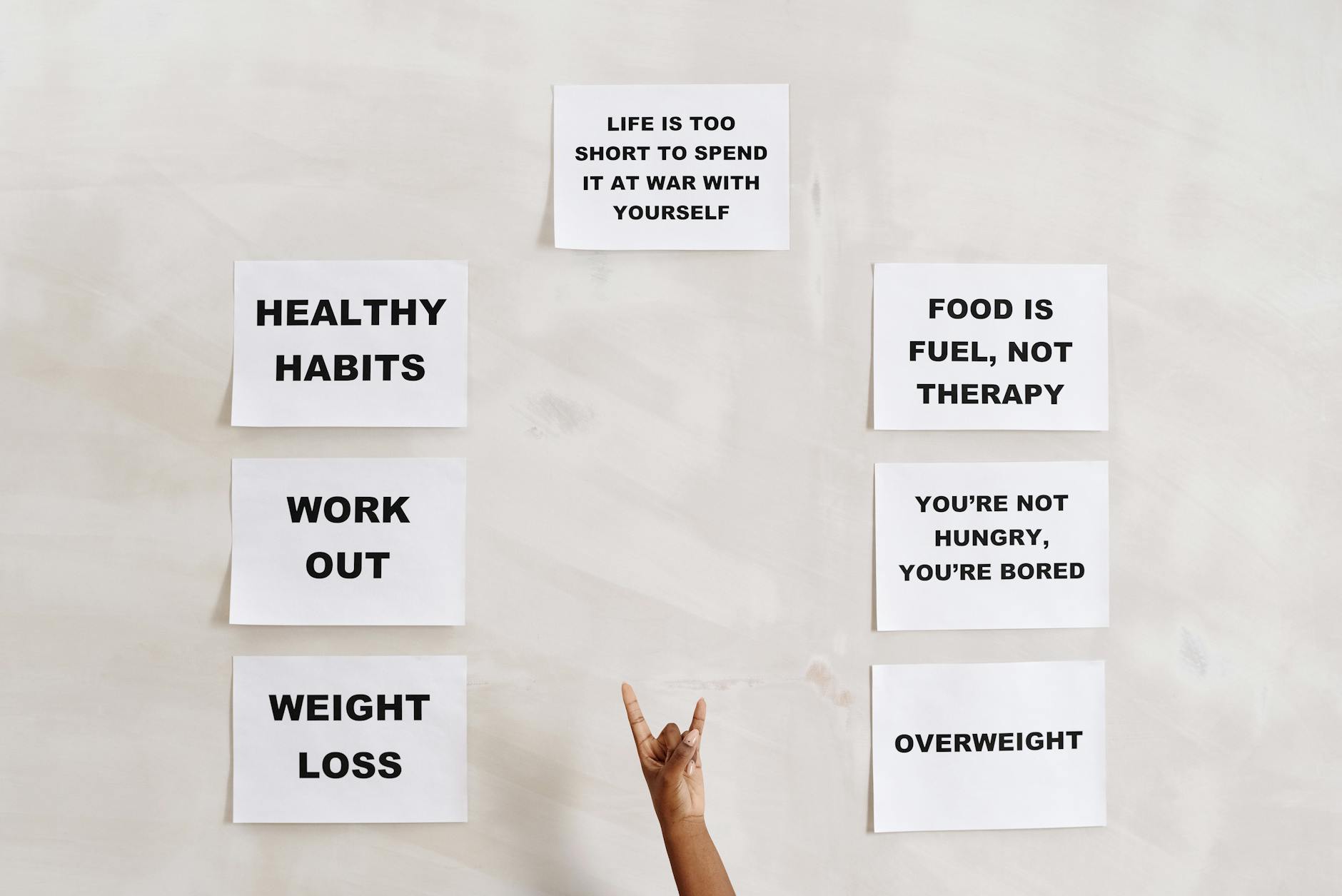
Spring Cleaning for Your Mind: Why It Matters
You know that feeling when spring rolls around, and you're suddenly motivated to declutter your home? You open windows, air things out, get rid of the old stuff. Well, your mind needs that same kind of attention. The concept of a Mental Decluttering Spring: Boost Your Well-being Now! isn't just a catchy phrase; it's a vital practice for maintaining emotional well-being. We accumulate mental clutter – worries, anxieties, unresolved issues – just like we accumulate physical clutter. If left unchecked, it can weigh us down, dim our outlook, and impact our overall mental wellness.
The Accumulation of Mental Baggage
Think about the last time you felt overwhelmed. Chances are, it wasn't one big thing, but a collection of smaller stressors that piled up. Each unaddressed worry, each unresolved conflict, each moment of self-criticism adds another layer. Over time, this can lead to significant mental fatigue and a feeling of being stuck. It's like trying to navigate through a thick fog – you can't see clearly, and every step feels heavy.
The Benefits of a Clearer Mind
When you actively engage in decluttering your mind, you create space. Space for new ideas, for joy, for genuine connection, and for effective problem-solving. This is where developing intentional mental health habits becomes crucial. It's not about eliminating all negative thoughts – that's impossible. It's about learning to manage them, to prevent them from taking over, and to cultivate a more positive and resilient mindset. This proactive approach is far more effective than waiting until you're in crisis mode.
Connecting Physical and Mental Spring Cleaning
It's no coincidence that many cultures associate spring with renewal and fresh starts. The natural world is bursting back to life, and this can be a powerful catalyst for us to do the same internally. Harnessing this seasonal energy for spring mental health initiatives can be incredibly effective. Just as clearing out your physical space can make you feel lighter and more energized, so too can clearing out mental cobwebs.
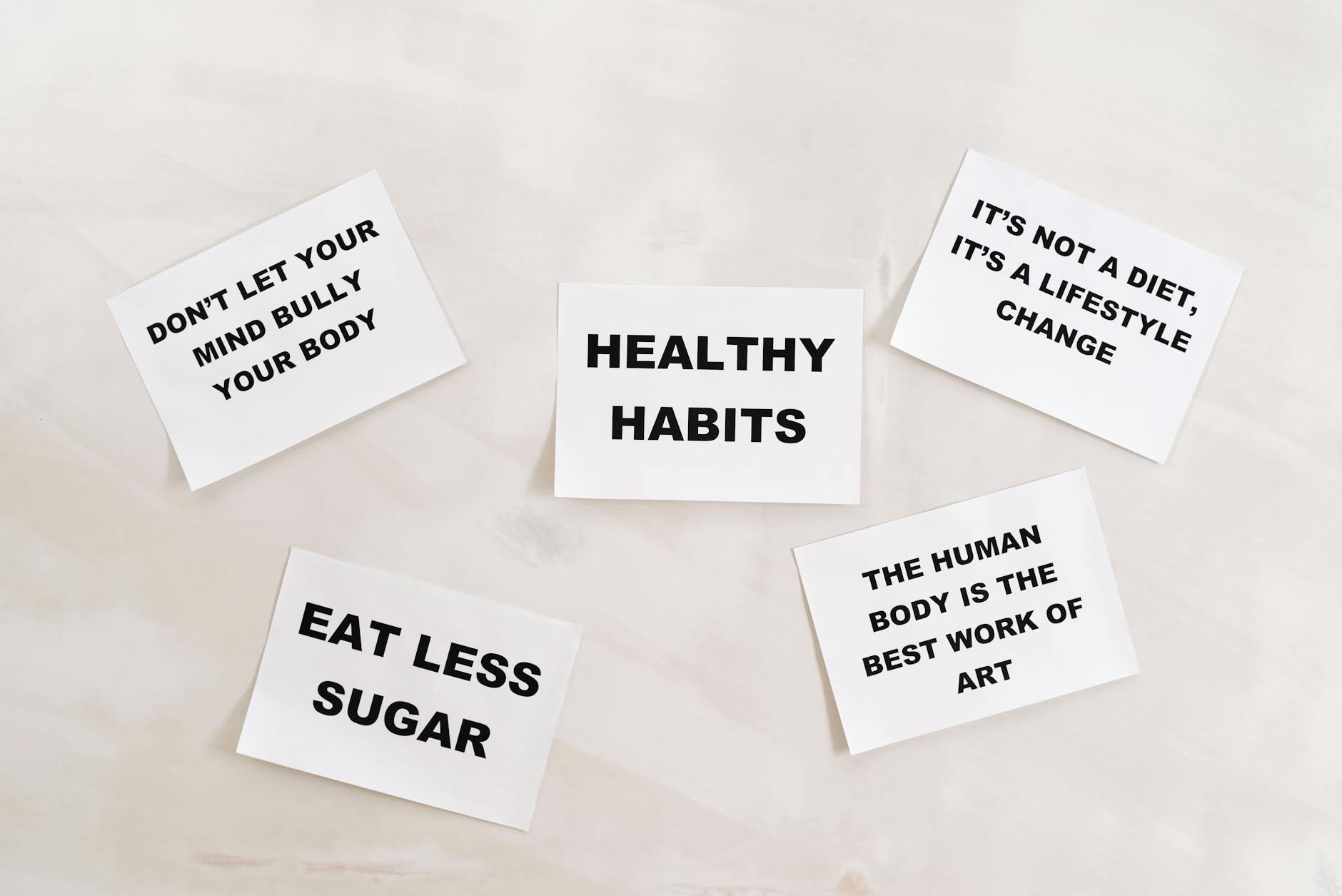
Cultivating Mindful Habits for Daily Life
Mindfulness is a buzzword, I know. But here's the thing: it's not about emptying your mind or achieving some zen-like state of perpetual calm. At its core, mindful habits are about paying attention to the present moment without judgment. This simple act can be revolutionary for your emotional well-being.
What Mindfulness Really Is (and Isn't)
Many people misunderstand mindfulness. They think it requires hours of meditation, which can feel daunting. But you can integrate mindfulness into everyday activities. It's about bringing awareness to what you're doing, feeling, and thinking, right here, right now. This means truly tasting your food, noticing the sensation of water on your skin in the shower, or actively listening when someone is speaking to you. It’s about being present, not absent.
Simple Mindfulness Exercises to Start With
You don't need a special retreat to practice mindfulness. Start small. Try a five-minute breathing exercise. Focus on the inhale and exhale. Notice the rise and fall of your chest or abdomen. When your mind wanders (and it will, that's what minds do!), gently guide it back to your breath. This practice of returning is the essence of mindfulness. Another simple exercise is a body scan, where you systematically bring your attention to different parts of your body, noticing any sensations without trying to change them.
The Impact of Mindfulness on Stress
When you're stressed, your mind often races ahead to future problems or gets stuck in past regrets. Mindfulness helps anchor you in the present, interrupting this cycle. By observing your thoughts and feelings without getting caught up in them, you can gain a sense of distance and perspective. This is a powerful tool for stress management techniques. Research from organizations like the National Institutes of Health research on mental health habits consistently shows the benefits of mindfulness-based interventions for reducing anxiety and depression.

Essential Mental Wellness Tips for a Balanced Life
Building a robust mental health toolkit isn't about finding a magic cure; it's about accumulating a collection of reliable strategies that support your emotional well-being. These are the everyday practices that fortify you against life's inevitable storms.
The Power of Connection
Humans are fundamentally social creatures. Isolation can be incredibly detrimental to our mental health. Prioritizing genuine connection with others is a cornerstone of emotional well-being. This doesn't mean having a thousand acquaintances; it means nurturing a few deep, supportive relationships. Make time for friends and family, engage in meaningful conversations, and be present when you're with them. Sometimes, just knowing someone has your back can make all the difference.
Movement as Medicine
You've probably heard it a million times: exercise is good for you. But I'll be real with you, sometimes the motivation to get moving when you're feeling down is incredibly hard to find. Yet, the benefits for your mental state are profound. Physical activity releases endorphins, which are natural mood boosters. It also helps to reduce stress hormones like cortisol. You don't need to run a marathon. A brisk walk, some dancing in your living room, or stretching can all contribute significantly. Think about the Boost Mood Naturally: Overcome the Spring Slump with Easy... tips that often emphasize gentle movement.
Nourishing Your Body, Nourishing Your Mind
What you eat directly impacts how you feel, both physically and mentally. While it's not about restrictive diets, being mindful of your nutrition can make a significant difference. A diet rich in fruits, vegetables, whole grains, and lean proteins provides the nutrients your brain needs to function optimally. Conversely, excessive sugar, processed foods, and caffeine can lead to energy crashes and mood swings. Paying attention to how different foods make you feel is a key part of developing self-awareness and supporting your overall mental wellness.
Prioritizing Sleep and Rest
This one is non-negotiable. Lack of quality sleep can wreck your mood, impair your cognitive function, and make you more susceptible to stress and anxiety. Aim for 7-9 hours of consistent sleep per night. Establish a relaxing bedtime routine – perhaps reading a book, taking a warm bath, or doing some gentle stretches. Avoid screens for at least an hour before bed, as the blue light can interfere with melatonin production. Getting enough rest is a fundamental pillar of good mental health habits.

Decluttering Your Mind: Practical Strategies
We've touched on the idea of a Mental Decluttering Spring: Boost Your Well-being Now!, but how do you actually achieve that mental clarity? It's about actively clearing out the noise and making space for what truly matters.
Journaling for Mental Clarity
Putting your thoughts and feelings down on paper can be incredibly cathartic. Journaling allows you to process your emotions, identify patterns in your thinking, and gain new perspectives. You can write freely, make lists, or even use prompts. For instance, try writing down three things you're grateful for each day, or three challenges you're facing and potential solutions. This practice is a powerful tool for mental clarity strategies.
Setting Boundaries: Protecting Your Energy
This one surprised me when I first started really practicing it. Saying "no" is not selfish; it's self-preservation. Learning to set boundaries, whether it's with work, social commitments, or even family, is crucial for protecting your mental energy. Understand your limits and communicate them clearly and respectfully. This is essential for effective stress management techniques and preventing burnout.
Digital Detox: Reclaiming Your Attention
Our phones and social media can be huge sources of mental clutter. The constant barrage of notifications, curated feeds, and the pressure to be always "on" can be exhausting. Consider scheduling regular digital detox periods. This could be an hour each evening, a full day on the weekend, or even just turning off notifications for certain apps. Reclaiming your attention allows you to be more present in your real life and reduces mental fatigue. This is a key component of modern mindful habits.
Personal Growth Habits for Lasting Well-being
Mental health isn't a destination; it's a journey. Cultivating habits that foster personal growth ensures that you're not just maintaining, but actively evolving and building resilience.
Embracing Continuous Learning
The world is constantly changing, and so are we. Committing to lifelong learning, whether it's through reading books, taking courses, or learning a new skill, keeps your mind engaged and adaptable. This intellectual stimulation can be a powerful antidote to feelings of stagnation or boredom. It contributes to a positive outlook and a sense of purpose, aligning with positive psychology habits.
Practicing Self-Compassion
This is perhaps the most challenging, yet most vital, habit to cultivate. We are often our own harshest critics. Self-compassion means treating yourself with the same kindness, understanding, and support you would offer a dear friend. When you make a mistake or experience a setback, instead of beating yourself up, acknowledge the difficulty and offer yourself comfort. It's about recognizing your shared humanity and imperfections. This is a core element of overall emotional well-being.
Setting Meaningful Goals
Having goals provides direction and a sense of accomplishment. However, it's important that these goals are meaningful to *you*, not just what you think you *should* be striving for. Break down larger goals into smaller, manageable steps. Celebrate your progress along the way. This process of setting and working towards goals is fundamental to personal growth habits and can combat feelings of aimlessness.
Seeking Support When Needed
I'll be honest, there's still a stigma around asking for help. But seeking support, whether from friends, family, or a mental health professional, is a sign of strength, not weakness. Sometimes, an outside perspective is invaluable. If you're struggling with issues like Spring Fatigue Remedies: Boost Your Mood Naturally Now or seasonal mood shifts like those addressed in Seasonal Mood Boost: Therapy for Seasonal Shifts, professional guidance can provide tailored strategies and support. Organizations like the National Alliance on Mental Illness research on mental health habits highlight the importance of accessible mental health care.
Building effective mental health habits is an ongoing commitment, a continuous practice of tending to your inner world. It's about creating a life where you feel more resilient, more present, and more at peace. Don't wait for a "spring cleaning" moment to start; begin today, with one small, intentional step. Your future self will thank you for it.