Spring Sad Coping: Reclaiming Your Joy When the World Wakes Up
I used to think spring was a universal cure-all. The end of winter, the return of sunshine, the blooming flowers – it was supposed to be this automatic mood lift. I’d brace myself for it, ready to shed the layers of hibernation and embrace vibrant energy. But for years, I got it wrong. I’d find myself feeling… off. A strange mix of fatigue and restlessness, a persistent low hum of melancholy even as the world around me seemed to burst into life. This is the paradox of spring sad coping, a challenge many face but few openly discuss. It’s not just about surviving winter; it’s about navigating the unexpected emotional shifts that spring can bring.
The Unexpected Shadow of Spring
It’s a peculiar phenomenon, isn’t it? You’d expect the longer days and warmer weather to automatically translate into a better mood. Yet, for many, spring ushers in a different kind of struggle. This isn't always the dramatic shift of full-blown Seasonal Affective Disorder (SAD) that many associate with winter, but a subtler, often more confusing experience.
When Sunshine Feels Like a Misfit
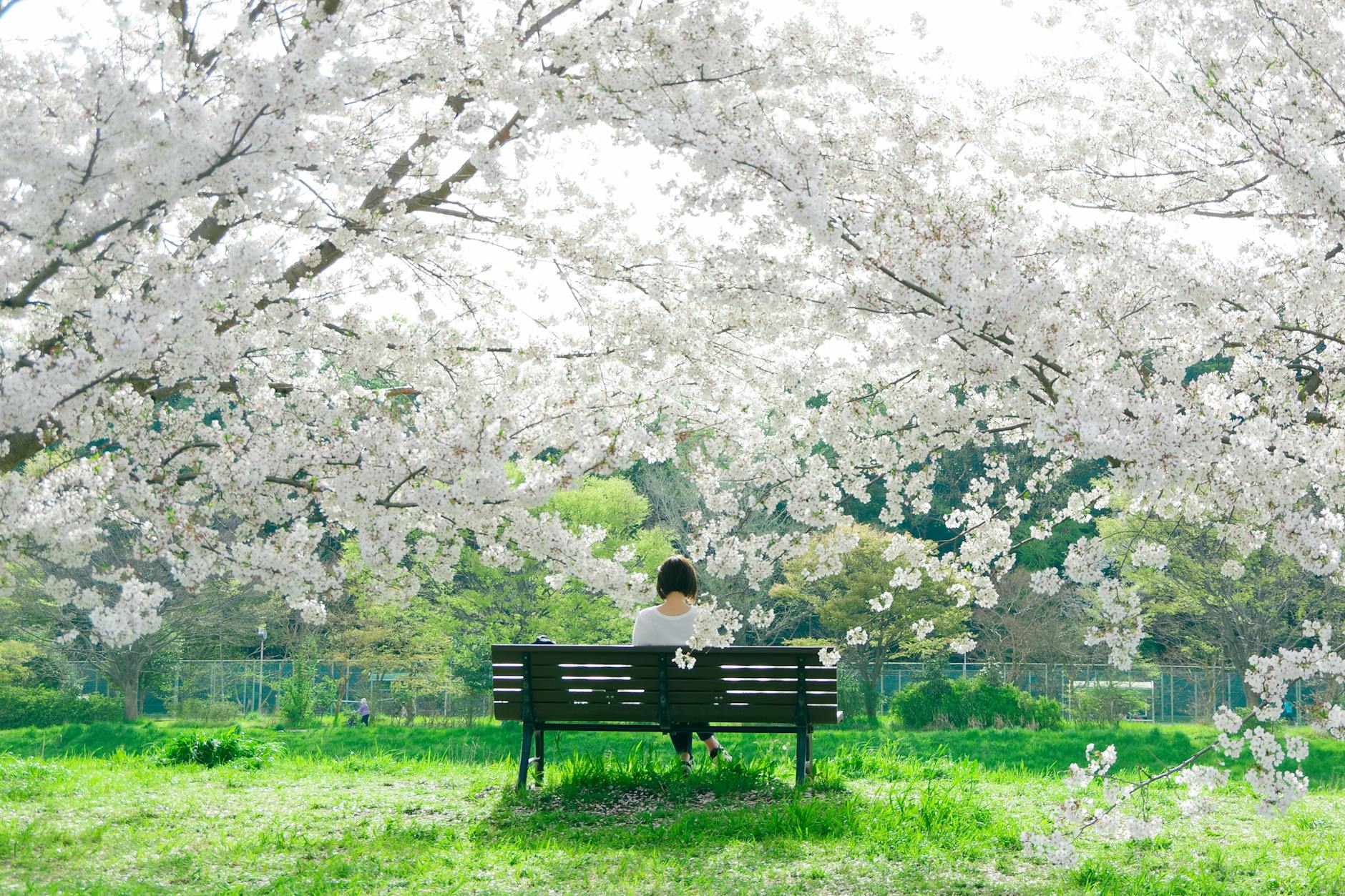
This feeling can be deeply isolating. You see everyone else seemingly thriving, posting bright, cheerful photos, and you’re left wondering what’s wrong with you. It’s a silent battle, fought in the quiet moments between blooming daffodils and chirping birds.
Understanding Springtime Sadness
The scientific community has begun to shed light on why this happens, and it’s more complex than simply "winter blues ending." It’s often a form of **spring seasonal affective disorder**, or a related mood disturbance. The drastic changes in daylight hours, temperature fluctuations, and even increased pollen can throw our internal clocks and neurochemistry out of whack.
The Biological Tug-of-War
Our bodies are incredibly sensitive to environmental cues. When spring hits, the surge in daylight can disrupt our melatonin production, the hormone that helps us sleep. This can lead to sleep disturbances, fatigue, and irritability – all hallmarks of feeling sad in spring. It’s like your internal thermostat is set to a different season, and your body is struggling to catch up. This can be particularly challenging if you're already prone to mood fluctuations, leading to Spring Mood Swings? Expert Tips to Navigate Shifting Emot....
Seasonal Depression Spring: More Than Just a Feeling
It's crucial to recognize that this isn't just a fleeting bad mood. For some, it can be a genuine form of seasonal depression spring, impacting daily functioning. It’s easy to dismiss these feelings, especially when the external environment is so contrary, but acknowledging them is the first step toward effective **spring sad coping**.
Strategies for Spring Sad Coping
So, how do we navigate this unexpected emotional landscape? It’s about building a toolkit of strategies that are specific to the nuances of spring. It’s not just about chasing a "spring mood boost" but about creating sustainable well-being.
Embrace the Light, Wisely
Light therapy is a cornerstone for many experiencing SAD. Even if your symptoms are milder, strategically increasing your light exposure can make a significant difference.
Morning Light Rituals
Try to get outside for at least 20-30 minutes shortly after waking up. Even on cloudy days, natural light can help regulate your circadian rhythm. This is a simple yet powerful way to kickstart your **spring mental health**.
Light Therapy Boxes
If getting outside is difficult, consider a light therapy box. These devices emit bright light that mimics natural sunlight. Look for one that’s at least 10,000 lux. I found that using mine for 20 minutes each morning before checking emails really helped clear my head, contributing to my Overcome Mental Fog: Spring Renewal for Your Mind.
Mindful Movement and Nature's Therapy
The temptation might be to stay indoors, but movement is vital. Spring offers a beautiful backdrop for physical activity.
Reconnecting with Nature
Walks in parks, hikes, or even just sitting by a lake can have profound effects. The sensory experience of spring – the smells, sounds, and sights – can be incredibly grounding. This is a fantastic way to combat Springtime Sadness? Beat the Blues & Boost Your Mood.
Gentle Exercise
You don't need to run a marathon. Gentle yoga outdoors, cycling, or even gardening can provide a much-needed **spring energy boost** and help regulate your mood. Remember, consistency is more important than intensity.
Nourishing Your Body and Mind
What you eat and how you rest plays a huge role in your overall **spring mental health**.
Balanced Nutrition
Focus on whole, unprocessed foods. While the urge for seasonal treats might be strong, prioritizing fruits, vegetables, lean proteins, and healthy fats will provide sustained energy and support your brain chemistry. Pay attention to how certain foods make you feel.
Prioritizing Sleep Hygiene
With the changing light, sleep can be disrupted. Stick to a regular sleep schedule, create a relaxing bedtime routine, and ensure your bedroom is dark and cool. Poor sleep exacerbates feelings of sadness and fatigue.
Challenging the "Spring is Always Happy" Narrative
One of the hardest parts of dealing with spring sadness is the societal expectation. We’re conditioned to believe spring equals joy. Challenging this internal and external pressure is a critical part of **spring sad coping**.
Authenticity Over Aspiration
It’s okay not to feel ecstatic. Allow yourself to feel what you’re feeling without judgment. Authenticity is key to genuine healing. Trying to force happiness can often backfire, making you feel even more inadequate.
Seeking Support When Needed
Talking about it is powerful. You might be surprised how many people resonate with your experience.
Open Conversations
Share your feelings with trusted friends, family, or a partner. Sometimes, just voicing your struggles can alleviate a significant burden. This can be a vital part of your Spring Sad Symptoms: Beat SAD With Proven Coping Tips.
Professional Help
If these feelings persist or significantly impact your life, don't hesitate to seek professional help. Therapists can provide tailored strategies and support. Organizations like the National Alliance on Mental Illness research on spring sad coping offer resources and understanding. Research from the National Institutes of Health research on spring sad coping also highlights the effectiveness of various therapeutic approaches.
The Long Game: Building Resilience for Spring
**Spring sad coping** isn't a one-time fix; it's an ongoing practice of self-awareness and self-compassion. It’s about building resilience so that you can not only get through the season but truly thrive.
Anticipating and Planning
If you know you’re prone to these feelings, start preparing before spring fully arrives.
Pre-emptive Strategies
Begin incorporating some of these coping mechanisms into your routine in late winter. This can help your system adjust more smoothly.
Journaling Your Progress
Keep a journal to track your mood, energy levels, and what strategies seem to work best for you. This self-monitoring is invaluable for understanding your personal patterns. I’ve found that tracking my sleep alongside my mood has been incredibly insightful, as detailed in Spring Mood Swings? Expert Tips to Navigate Shifting Emot....
Cultivating Inner Peace Amidst External Change
Ultimately, the goal is to find a sense of inner peace, regardless of the season. This involves learning to accept the ebb and flow of emotions.
Mindfulness and Self-Compassion
Practice mindfulness to stay present and observe your thoughts and feelings without judgment. Treat yourself with the same kindness you would offer a friend. This is a foundational aspect of Sad Spring Mood? Boost Your Energy & Well-being Now!.
Finding Joy in the Small Things
Focus on the subtle joys spring offers – the taste of fresh berries, the warmth of the sun on your skin, a quiet moment with a loved one. These small moments, consistently appreciated, build a strong foundation for overall happiness. The journey of **spring sad coping** is about finding your own unique way to bloom. It's a testament to your strength and resilience.