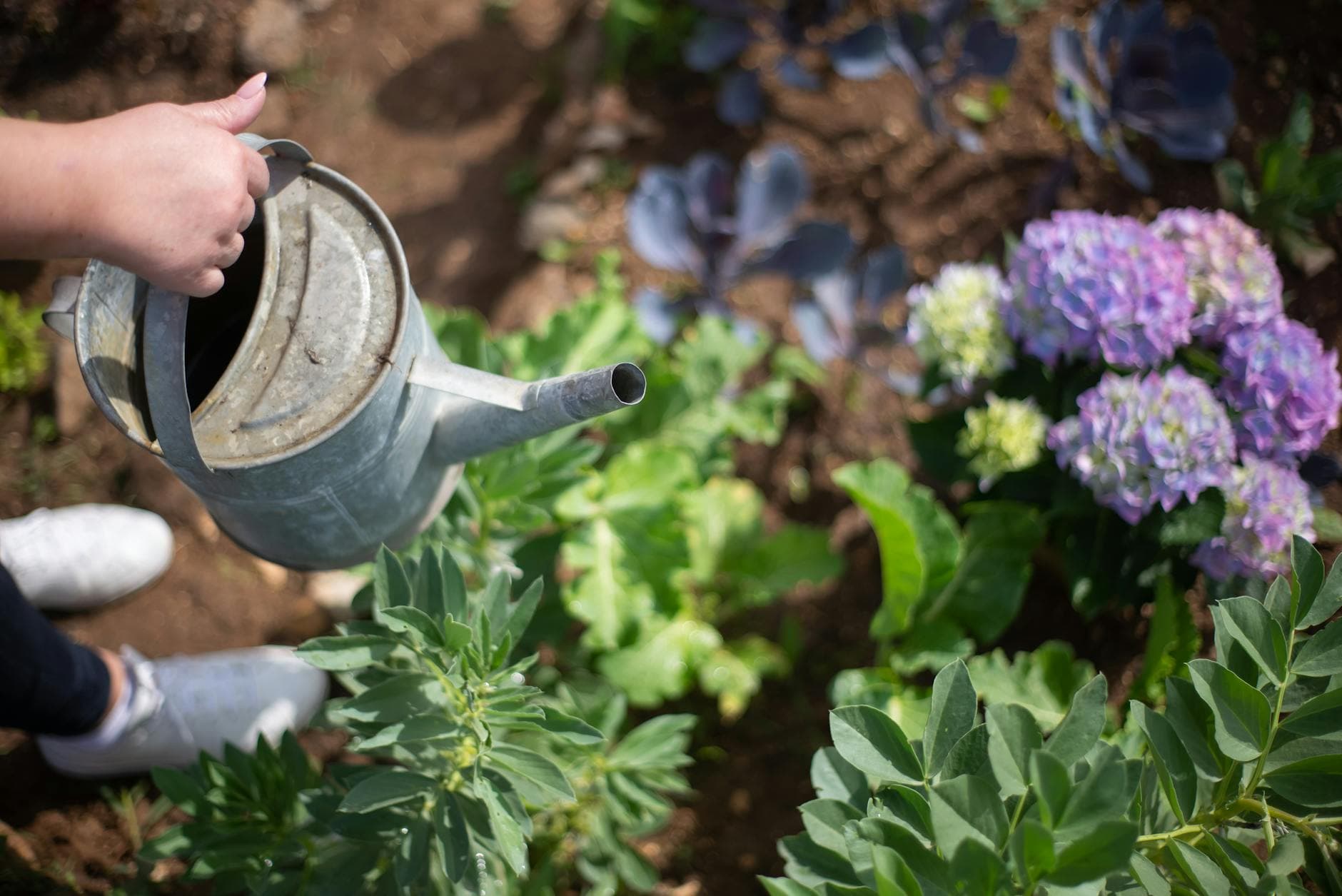
There's this pervasive idea that gardening is just for people with acres of land and a green thumb passed down through generations. Or worse, that it's just a chore, a way to keep up with appearances. I'll be real with you, I used to think that too. But I've recently stumbled upon something truly transformative, a practice that’s quietly revolutionizing how we approach mental well-being: therapeutic gardening. It's so much more than pulling weeds and planting petunias. It's a profound connection to the earth, a gentle balm for the soul, and an incredibly accessible tool for cultivating calm.
The Unexpected Power of Therapeutic Gardening
Beyond the Lawn Mower
Forget the image of manicured lawns and perfectly aligned rows. Therapeutic gardening is about the process, the sensory experience, and the quiet moments of connection. It's about getting your hands dirty, literally, and in doing so, loosening the grip of stress and anxiety.
A Natural Antidote to Modern Stress
In our hyper-connected, always-on world, finding genuine moments of peace can feel like searching for a needle in a haystack. Therapeutic gardening offers a tangible escape. The simple act of tending to a plant, observing its growth, and engaging with the natural world provides a powerful antidote to the mental clutter that often plagues us. This is where the magic of gardening for mental health truly shines.
Cultivating Calm, One Seed at a Time
This isn't about producing prize-winning vegetables or the most vibrant floral display. It's about the journey of nurturing life. As you engage in mindful gardening, you're not just tending to plants; you're tending to yourself. You're creating a space for reflection and fostering a sense of accomplishment that can significantly boost your mood.
The Science Behind the Soil
The Biophilia Hypothesis in Action
There's a reason we feel so good when we're surrounded by nature. The biophilia hypothesis suggests that humans have an innate tendency to seek connections with nature and other forms of life. Therapeutic gardening taps directly into this deep-seated need. Studies, like those highlighted by the American Psychological Association research on therapeutic gardening, show tangible benefits.
Cortisol Levels and Calmness
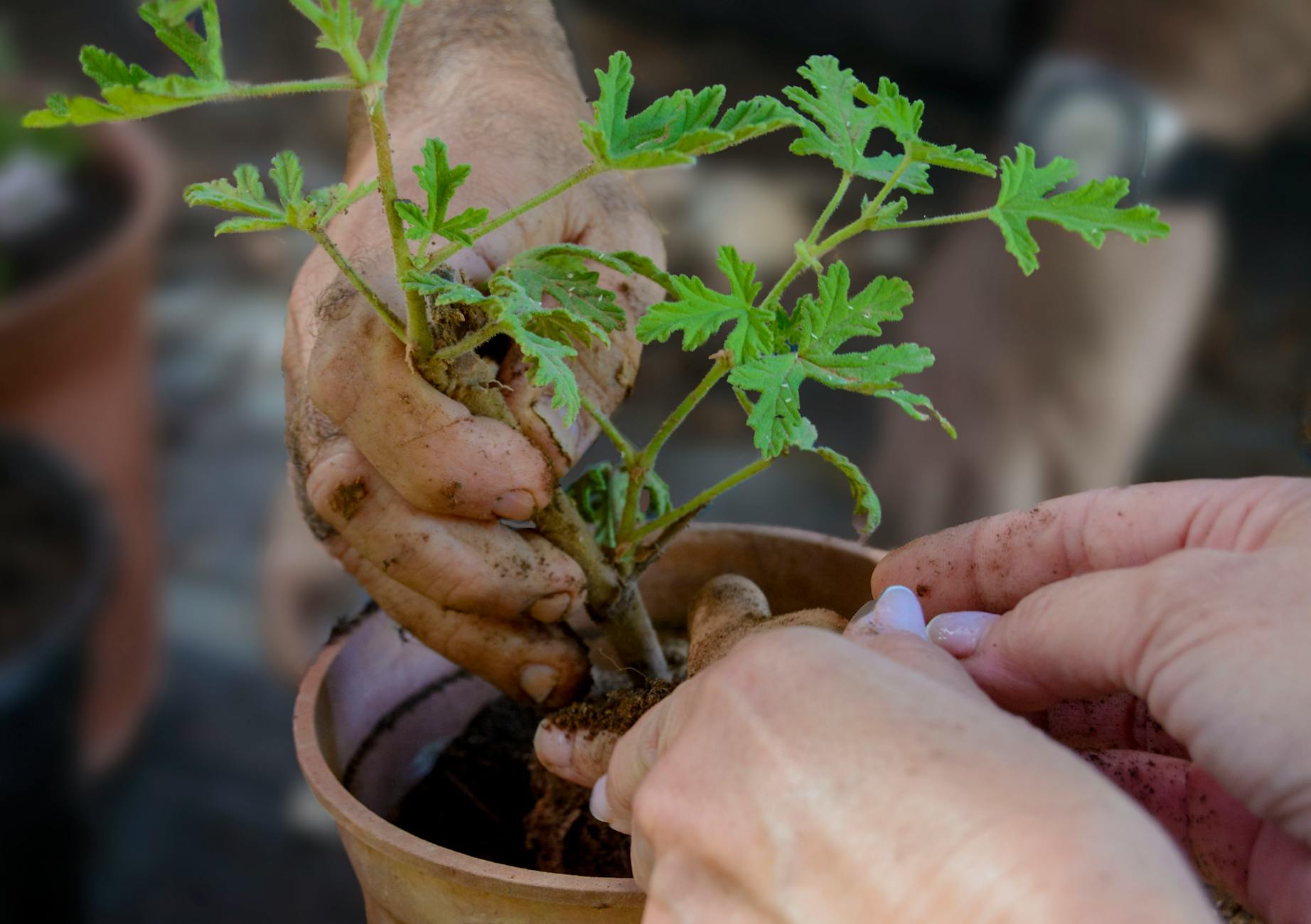
One of the most fascinating aspects is how it directly impacts our physiology. Research has indicated that engaging in gardening activities can actually lower cortisol levels, the body's primary stress hormone. This isn't just anecdotal; it's a measurable shift towards a more relaxed state. The act of digging, planting, and watering can be incredibly grounding, helping to dissipate anxious energy.
Microbes and Mood Boosters
Here's one that really surprised me: soil microbes. Yes, the tiny organisms living in the dirt! Some research suggests that exposure to certain soil bacteria, like Mycobacterium vaccae, can trigger the release of serotonin in the brain, acting as a natural antidepressant. So, getting your hands dirty isn't just metaphorically good for you; it can be biologically beneficial too. This is a key aspect of understanding the horticultural therapy benefits.
Gardening for Mental Health: Practical Applications
Your Personal Sanctuary
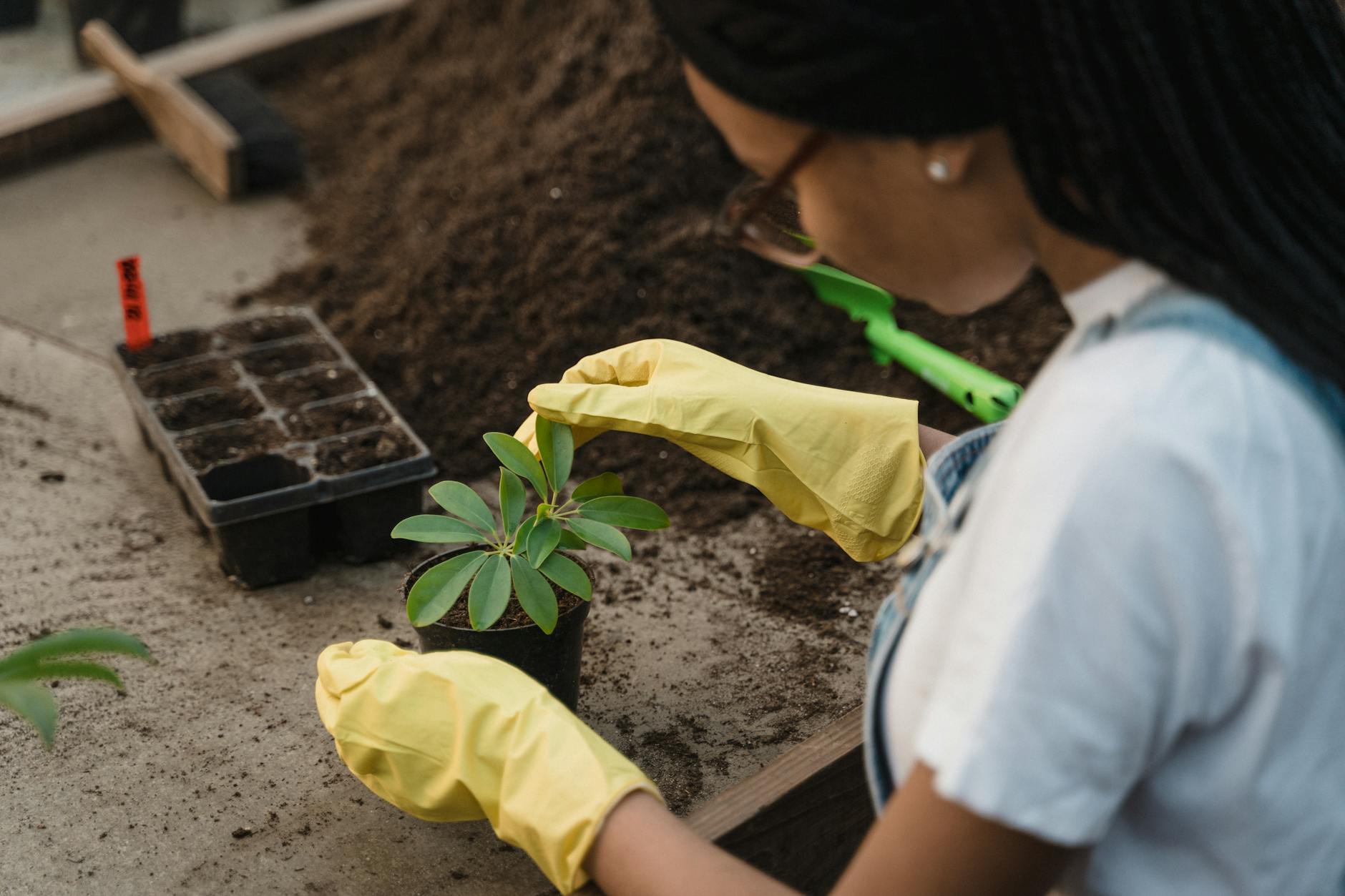
You don't need a sprawling estate to experience therapeutic gardening. A few pots on a balcony, a windowsill herb garden, or even a small raised bed can be your personal sanctuary. The key is to create a space where you can disconnect from external pressures and reconnect with yourself. It’s one of the most accessible anxiety relief outdoor activities available.
Mindful Moments Outdoors
Mindful gardening is about bringing your full attention to the present moment. Notice the texture of the soil, the scent of the blossoms, the feel of the sun on your skin, the sound of the wind rustling through leaves. This heightened awareness is a form of meditation, helping to quiet the constant chatter in our minds. It's a beautiful way to practice mindful gardening.
Combating Seasonal Blues
As spring arrives, many of us experience shifts in mood. While it's often associated with renewal, spring can also bring about feelings of lethargy or even sadness for some. Engaging in calming spring activities like therapeutic gardening can be a powerful tool to combat these feelings. It offers a tangible way to welcome the season with a sense of purpose and peace, helping to address issues like sad spring mood and spring melancholy therapy.
The Unexpected Angle: Gardening as a Teacher
Lessons in Patience and Resilience
Gardening is a masterclass in patience. You plant a seed, and you have to wait. You nurture it, and you have to trust the process. This mirrors life itself. Plants face challenges – pests, drought, frost – and they often show incredible resilience. Watching a plant overcome adversity can be a powerful lesson for us when we're facing our own struggles, helping us overcome mental fog.
Embracing Imperfection
Nature is rarely perfect. There will be wilting leaves, nibbled edges, and plants that don't quite thrive. Therapeutic gardening teaches us to embrace imperfection, both in our gardens and in ourselves. It's about appreciating the beauty in the flawed and the unique, fostering a more self-compassionate outlook. You learn to adapt, to accept, and to find joy even when things aren't going exactly as planned. This is particularly helpful for those experiencing seasonal mood swings.
A Gentle Reset for Overwhelmed Parents
For parents, the demands can feel relentless. Parental burnout is a real and significant challenge. Therapeutic gardening offers a quiet, restorative escape. Even just 15-20 minutes spent tending to a few plants can provide a much-needed mental break, allowing for a gentle reset. It’s a practical approach for parental burnout spring.
Getting Started with Therapeutic Gardening
Start Small, Dream Big
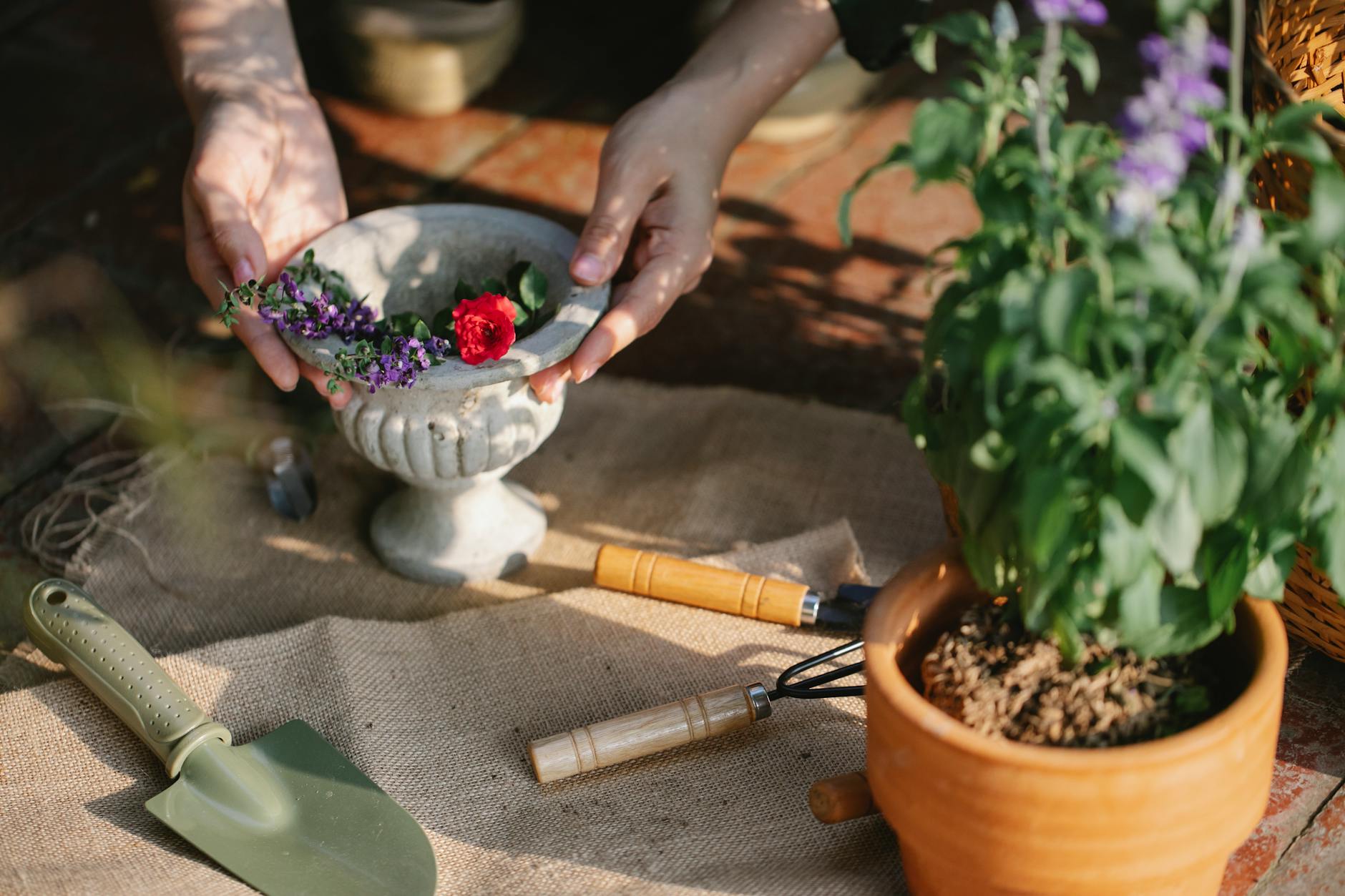
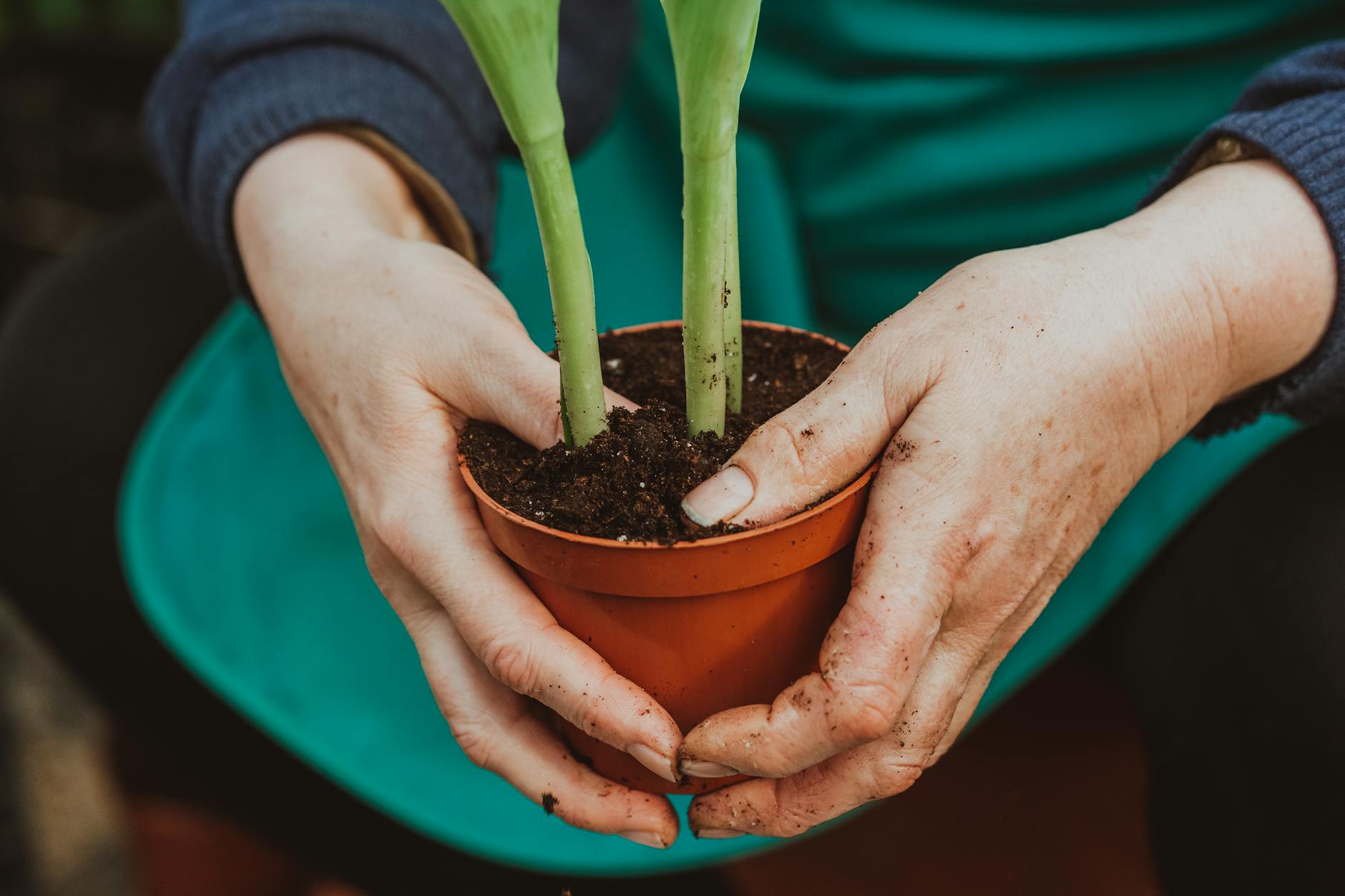
Don't feel pressured to create a botanical garden overnight. Begin with something manageable and enjoyable. A single herb plant like basil or mint, or a small pot of cheerful marigolds, can be a wonderful starting point. The goal is to build positive experiences, not to add more pressure.
Engage Your Senses
The true power of therapeutic gardening lies in its sensory engagement. Take the time to really feel the soil between your fingers. Inhale the earthy aroma. Listen to the rustle of leaves. Observe the intricate details of a budding flower. These sensory inputs are grounding and can significantly reduce stress. These are fundamental spring mental wellness practices.
The Importance of Routine
While spontaneity is lovely, establishing a gentle routine can amplify the benefits. Dedicate specific times, even if brief, to your gardening practice. This consistency helps to build momentum and makes it easier to integrate into your life. It’s about creating a sustainable rhythm of self-care, a core element of effective outdoor therapy techniques.
The Lasting Bloom of Well-being
Therapeutic gardening is more than a hobby; it’s a pathway to deeper self-understanding and profound well-being. It reminds us of our connection to the natural world and our own capacity for growth and resilience. The simple act of cultivating life can, in turn, cultivate a more peaceful and fulfilling life within ourselves. It’s a practice that offers stress relief gardening in its purest form, allowing us to nurture ourselves as we nurture the earth. The insights gleaned from this practice are supported by organizations like the National Alliance on Mental Illness research on therapeutic gardening and discussed in publications such as Psychology Today research on therapeutic gardening.
So, the next time you feel overwhelmed, consider stepping outside. Pick up a trowel, feel the soil, and plant a seed. You might just discover that in tending to the earth, you are also tending to the most important garden of all: your own inner landscape.