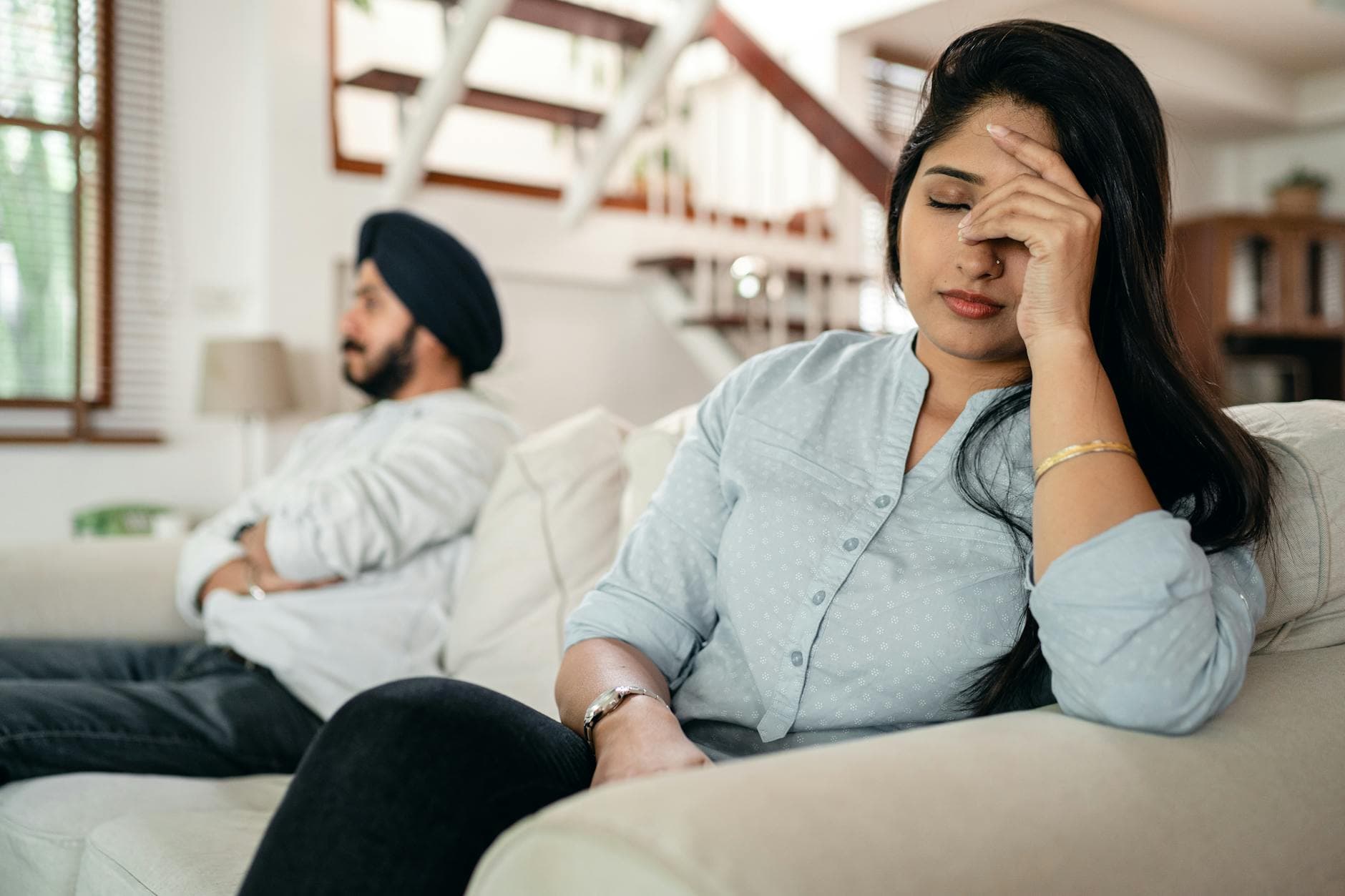
The Truth About Anxiety in Romantic Relationships
A common misconception is that anxiety in romantic relationships simply means you're "overthinking" or "being too clingy." While those behaviors can be present, they're often symptoms of a deeper issue. The reality is that relationship anxiety is a complex emotional experience that can significantly impact your well-being and the success of your partnerships. It’s not something to be dismissed; it’s something to understand and address.
I've worked with countless individuals grappling with this, and I've seen firsthand how debilitating it can be. From the constant worry about your partner's feelings to the fear of abandonment, anxiety can create a cycle of insecurity and distress. But there's good news: understanding what's happening is the first step toward managing it.

What Are the Common Relationship Anxiety Symptoms?
Recognizing the symptoms is crucial for addressing the problem head-on. You might be wondering, "Do I have relationship anxiety?" Here are some of the most common signs.
Excessive Worry and Rumination
One of the hallmark symptoms is persistent worry about the relationship. Do you find yourself constantly overanalyzing your partner's actions and words? Are you spending hours replaying conversations in your head, searching for hidden meanings or signs of trouble? This rumination often leads to heightened anxiety and a feeling of unease. You might spend a lot of time on relationship anxiety symptoms.
Constant Reassurance-Seeking
Another common symptom is the need for constant reassurance from your partner. You might repeatedly ask if they love you, if they're happy, or if they're going to leave you. This behavior stems from a deep-seated insecurity and a fear of not being good enough. It can be exhausting for both you and your partner, and it can create a dynamic where your partner feels constantly pressured.
Jealousy and Possessiveness
Jealousy is a natural human emotion, but when it becomes excessive, it can be a sign of relationship anxiety. This could manifest as constantly checking your partner's phone, social media, or questioning their interactions with others. This can erode trust and damage the foundation of your relationship. I've often seen this manifest in clients who have had their trust broken in the past.

How Anxiety Affects Your Relationships: The Ripple Effect
Anxiety doesn't just impact your inner world; it can dramatically shape the dynamics of your relationships. Here’s what you need to know about anxiety and relationship issues.
Communication Problems and Conflict
Anxiety can lead to communication breakdowns. When you're anxious, you might struggle to express your needs clearly. You might also become defensive or shut down during conversations. This can lead to misunderstandings, arguments, and a growing sense of distance between you and your partner. It’s easy to see how this could create relationship conflict.
Erosion of Trust and Intimacy
Constant worry and reassurance-seeking can erode trust. When your partner feels constantly questioned or scrutinized, they might start to feel suffocated or distrusted. This can lead to a breakdown in intimacy, as both partners become less willing to be vulnerable and open with each other. It’s a vicious cycle, really.
Impact on Daily Life
Anxiety can spill over into other areas of your life. It can affect your sleep, your appetite, and your ability to concentrate at work or school. It can also lead to social withdrawal, as you become less inclined to spend time with friends and family. The ripple effect can be significant, impacting your overall well-being.

What Nobody Tells You About Anxiety in Relationships
Here's the thing: many people assume that anxiety in relationships is a sign of weakness or a personal failing. However, it's often rooted in deeper issues, such as past experiences, attachment styles, or underlying mental health concerns. You are not alone, and it's not your fault.
Attachment Styles and Their Influence
Your attachment style, developed in early childhood, can significantly influence your romantic relationships. For example, people with anxious attachment styles often crave closeness and fear abandonment. This can lead to the behaviors associated with relationship anxiety, such as constant reassurance-seeking and jealousy. Understanding your attachment style is a critical piece of the puzzle.
The Role of Past Experiences
Past experiences, such as previous relationship breakups or childhood trauma, can also contribute to relationship anxiety. If you've experienced betrayal or loss in the past, you might be more likely to develop anxieties about your current relationship. These experiences can create a heightened sense of vulnerability and a fear of repeating past mistakes. I used to think that it wasn't as big a factor as it actually is.
The Link to Mental Health
Anxiety disorders, such as generalized anxiety disorder or social anxiety disorder, can increase the likelihood of experiencing relationship anxiety. Mental health and relationships are intertwined. If you're struggling with an anxiety disorder, it's essential to seek professional help. Addressing your underlying mental health concerns can significantly improve your relationships.
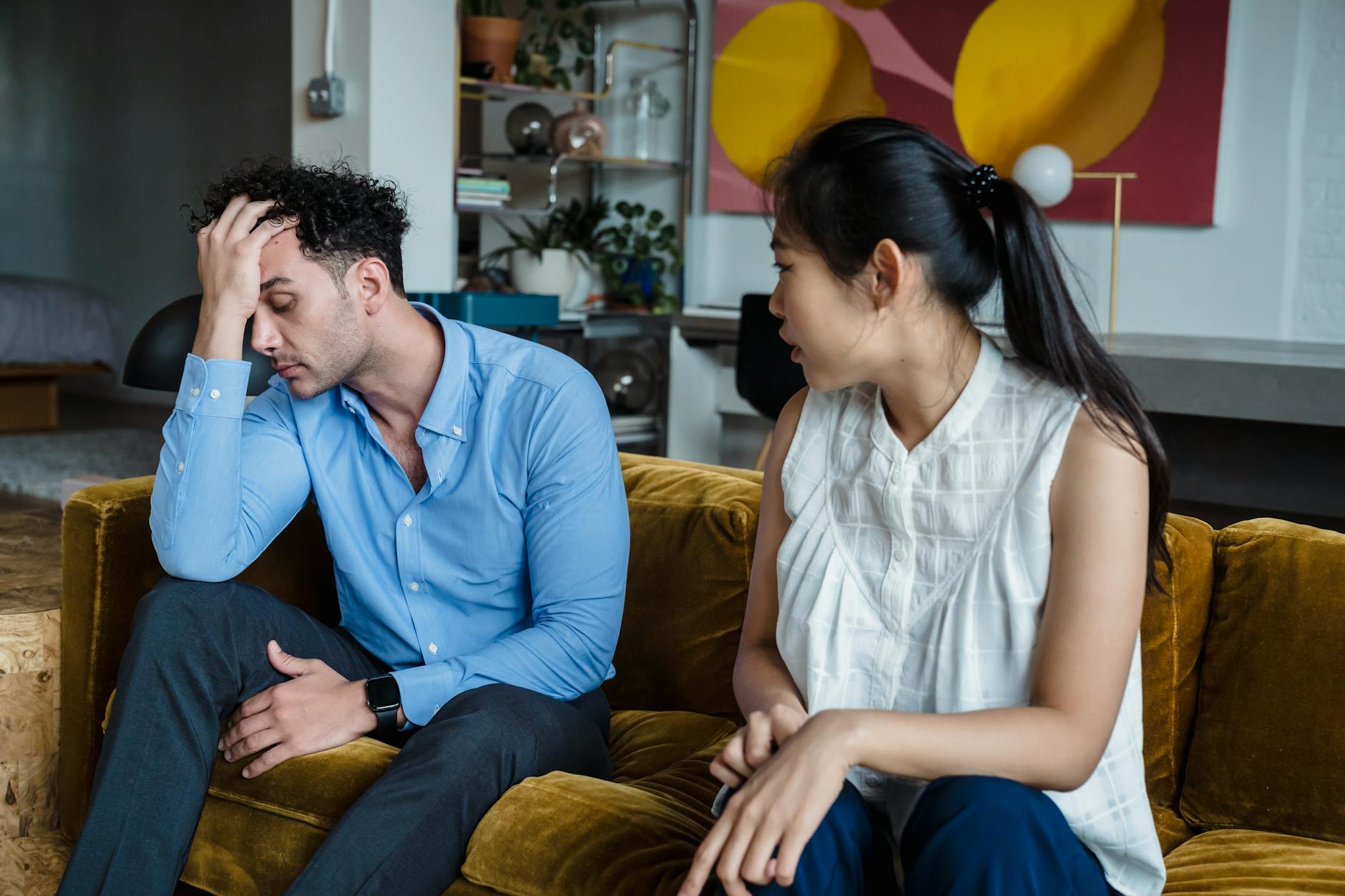
How to Manage and Overcome Relationship Anxiety
Managing and overcoming relationship anxiety is possible. It requires self-awareness, effort, and, sometimes, professional support. Here’s a breakdown of some effective strategies.
Self-Awareness and Mindfulness
The first step is to become aware of your anxiety triggers and patterns. Pay attention to your thoughts and feelings. When do you feel most anxious? What situations or behaviors seem to set off your anxiety? Practicing mindfulness can help you stay present and avoid getting caught up in anxious thoughts. This is a practice, not a destination.
Effective Communication Techniques
Developing healthy communication skills is crucial. Learn to express your needs and feelings clearly and honestly. Practice active listening and empathy. When you can communicate effectively, you're less likely to experience misunderstandings and conflict. It's often helpful to learn about emotional validation and how to use it in your relationship.
Tips for Better Communication
- Use "I" statements to express your feelings.
- Practice active listening by summarizing and reflecting on what your partner says.
- Choose a calm time to discuss difficult topics.
Seeking Professional Help
If your anxiety is severe or impacting your daily life, consider seeking professional help. A therapist can provide support, guidance, and evidence-based strategies for managing your anxiety. Therapy can also help you explore the underlying causes of your anxiety and develop healthier coping mechanisms. Consider looking into The Gottman Institute research on anxiety in romantic relationships.
Anxiety in a New Relationship: Navigating the Early Stages
Starting a new relationship can be exciting, but it can also trigger anxiety. The uncertainty of the early stages, the fear of rejection, and the pressure to make a good impression can all contribute to feelings of unease. It's important to be patient with yourself and your partner. Remember, it takes time to build trust and security.
Establishing Healthy Boundaries
Setting healthy boundaries is crucial in a new relationship. Communicate your needs and expectations clearly. Be honest about what you're comfortable with and what you're not. This can help you avoid situations that trigger your anxiety and create a sense of safety and security. You can also spot potential relationship red flags early on.
Focusing on the Present
Try to stay present in the moment. Avoid getting caught up in future worries or past experiences. Focus on enjoying the early stages of the relationship and getting to know your partner. This can help you reduce anxiety and build a stronger foundation for your relationship. You'll find yourself able to connect much more easily.
Building Trust Gradually
Trust takes time to build. Don't expect to trust your partner completely right away. Allow trust to develop organically, as you get to know each other better. Communicate openly and honestly, and be willing to be vulnerable. This will help you build a strong and secure relationship.
Final Thoughts: Taking Control of Your Relationship Anxiety
Anxiety in romantic relationships is a common challenge, but it doesn't have to define your love life. By understanding the symptoms, addressing the underlying causes, and implementing effective strategies, you can manage your anxiety and build healthier, more fulfilling relationships.
Remember, it's okay to ask for help. Whether you seek support from a therapist, a trusted friend, or a support group, there are resources available to help you navigate this journey. Take things one step at a time, be patient with yourself, and celebrate your progress. You deserve to experience love without the constant weight of anxiety. And honestly, it's possible. It will be a process, but you can do it.