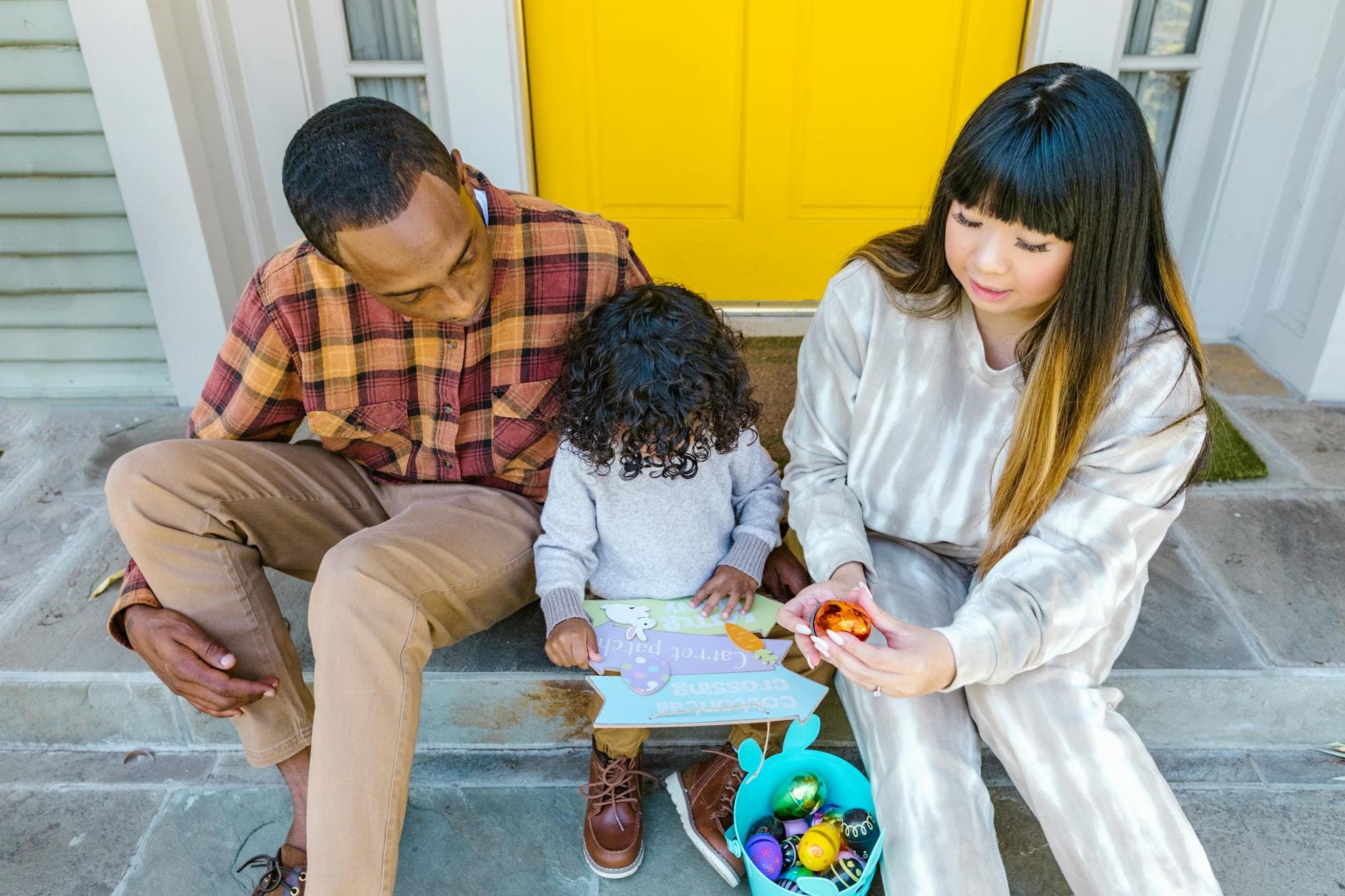
I'll be real with you: for years, I approached co-parenting spring break with a kind of nervous dread. I used to think the only way to get through it was to have everything meticulously planned down to the minute, with zero room for deviation. I even drafted complex spreadsheets for who was responsible for packing sunscreen and bug spray. It was exhausting, and frankly, it put a massive strain on my relationship with my ex. The truth is, the most successful co-parenting spring break experiences I've witnessed, and the ones I've personally navigated with less stress, were built on flexibility and a genuine commitment to the kids' well-being, not rigid adherence to a schedule.
Navigating the Co-Parenting Spring Break Maze
The Inevitable Shift in Routine
Spring break, for any family, means a disruption. For divorced or separated parents, this disruption can feel amplified. Suddenly, the familiar rhythm of shared custody arrangements is put on hold, replaced by a concentrated period of time with one parent, or perhaps a split between both. This shift is often the biggest hurdle, and it requires a proactive approach to communication and planning.
Why This Break Matters for Kids
Beyond the fun of no school, spring break offers a crucial opportunity for children to decompress and reconnect. Whether they're spending it with one parent, the other, or even a blended family unit, the break allows for deeper engagement. It's a chance for focused family time, something that can be harder to come by during the regular school year. Understanding this intrinsic value can shift your perspective from just managing logistics to actively creating positive experiences.
Setting the Stage for Success
The foundation of any successful co-parenting holiday plan, including spring break, is open and honest communication. Don't wait until the last minute to discuss plans. Initiate the conversation early, ideally a few weeks before the break begins. This isn't about dictating terms; it's about collaborating to ensure the children have a positive and memorable experience. This proactive dialogue can prevent a lot of the downstream stress that often accompanies co-parenting spring break.

Crafting Your Spring Break Parenting Plan
The Art of Early Discussions
When I talk about early discussions, I mean *early*. Think before the winter holidays are even over. This gives both parents ample time to consider their own schedules, potential vacation ideas, and importantly, what the children might want or need. You might be surprised by how much smoother things go when you’re not scrambling for answers in March. This collaborative approach is vital for successful co-parenting spring break.
Defining Custody and Visitation
Your existing child custody arrangements will naturally guide how spring break is divided. Most parenting plans have clauses addressing holidays and breaks. If yours doesn't, or if it's vague, this is the perfect time to clarify. Will the break be split evenly, or will one parent have the entire week? Consider the children's ages and their established routines when making these decisions. For younger children, minimizing transitions can be beneficial. For older ones, more flexibility might be appreciated.
Incorporating Child Input (Wisely)
This one surprised me early in my co-parenting journey. I used to think it was entirely up to the adults to decide. But involving the children, in an age-appropriate way, can be incredibly empowering for them. Ask them what they'd like to do, who they'd like to see, or if they have any specific activities in mind. Frame it as gathering their ideas to help you plan. This doesn't mean their every wish is granted, but it shows them their opinions are valued. It can make the difference between a child who feels dragged along and one who feels like an active participant in their own break.

Executing a Smooth Spring Break Transition
The Hand-Off Ritual
The actual exchange of children can be a flashpoint. Aim for neutrality and efficiency. Keep the conversation brief and focused on the children. Avoid rehashing past conflicts or launching into lengthy discussions about the other parent's perceived shortcomings. A simple, "Have a great week with Dad/Mom!" is often all that's needed. If there are essential logistical details (like medication or specific instructions), share them calmly and concisely. This is where strong co-parenting communication truly shines.
Managing Travel and Logistics
If travel is involved, whether across town or across the country, clear communication about itineraries, accommodation, and contact information is paramount. Who is responsible for booking flights? What are the check-in and check-out times? Ensure both parents have access to emergency contact details for any travel companions. This is especially important when dealing with divorce spring break custody arrangements that might involve more complex travel scenarios.
The Importance of Flexibility
Here's the thing: even the most carefully laid plans can go awry. A flight can be delayed, a child might get sick, or an unexpected opportunity might arise. This is where flexibility becomes your superpower. If your co-parenting spring break plan is too rigid, it can lead to unnecessary conflict. Be prepared to make minor adjustments. If your ex wants to slightly alter the schedule for a special family event, consider the impact on the children. Unless it's a significant deviation that impacts your own plans or the child's well-being, a little give-and-take goes a long way.

Addressing Potential Co-Parenting Conflicts During Spring Break
Pre-emptive Strike: Clear Boundaries
One of the most effective ways to manage potential conflicts is to establish clear boundaries upfront. This applies not only to the children's schedule but also to communication between parents. Agree on how and when you will communicate about the children during the break. Will you text daily updates, or is a brief check-in every few days sufficient? Setting these expectations can prevent misunderstandings and feelings of being overly monitored or ignored. This is a key component of navigating shared custody spring break successfully.
When Minor Issues Arise
Let’s say your child is supposed to be back by 6 PM on Sunday, but your ex is running late. Instead of immediately jumping to anger, try a calm text: "Hi [Ex's Name], just checking in. Are you on your way? We need to get [Child's Name] settled for school tomorrow." Give them the benefit of the doubt initially. If it becomes a pattern, then it’s a conversation for another time, perhaps after the break. For immediate, smaller issues, focus on problem-solving rather than blame. Remember, your child’s emotional well-being is often more important than who won the "parenting battle."
Escalating Conflicts: When to Seek Outside Help
Sometimes, despite best efforts, conflicts can escalate. If disagreements become persistent, emotionally charged, or negatively impact the children, it might be time to consider external support. This could involve a mediator, a therapist specializing in divorce and children, or even revisiting your legal agreements if necessary. Resources like the American Psychological Association research on co-parenting spring break offer insights into effective conflict resolution strategies. Don't let conflicts fester; addressing them constructively is crucial for long-term co-parenting harmony.

Making Co-Parenting Spring Break a Positive Experience
Focus on the Children's Experience
Ultimately, the goal of co-parenting spring break should be to create a positive and memorable experience for your children. This means putting their needs and feelings at the forefront of your decision-making. Are they feeling stressed by too many transitions? Do they miss spending time with grandparents? Listen to them and try to accommodate their needs as much as possible within the framework of your co-parenting agreement. This focus can transform spring break from a logistical challenge into a genuine opportunity for family connection.
Building Bridges, Not Walls
Think about the last time you had a truly positive interaction with your co-parent about the children. What made it work? Was it a shared goal? A moment of understanding? Actively look for these opportunities. Even small gestures, like agreeing to let the children have an extra hour of screen time with the other parent, or sending a friendly text wishing them a good time on their trip, can build goodwill. This is about building a sustainable co-parenting relationship that benefits everyone, especially the kids. It’s about creating a positive environment, much like how one might work to rekindle intimacy in long-term relationships, by focusing on connection and understanding.
Looking Beyond the Break
The lessons learned and the strategies employed during spring break can have a lasting impact on your overall co-parenting dynamic. If you can successfully navigate this period of increased focus and potential disruption, you build confidence and a stronger foundation for future holidays and breaks. It’s a chance to practice the skills needed for effective post divorce co parenting, proving that even after separation, you can create a stable and loving environment for your children. The insights gained here can also inform how you approach other family dynamics, such as managing in-law boundaries or fostering better post-hibernation conversations with your children.
Remember, co-parenting spring break is a marathon, not a sprint. There will be challenges, but with open communication, a focus on your children, and a willingness to be flexible, you can make it a truly positive experience. It's about more than just a week off from school; it's about reinforcing a stable, loving environment for your kids, no matter how your family structure has evolved. The research from the Healthline research on co-parenting spring break consistently points to parental cooperation as the biggest factor in child well-being during these times.