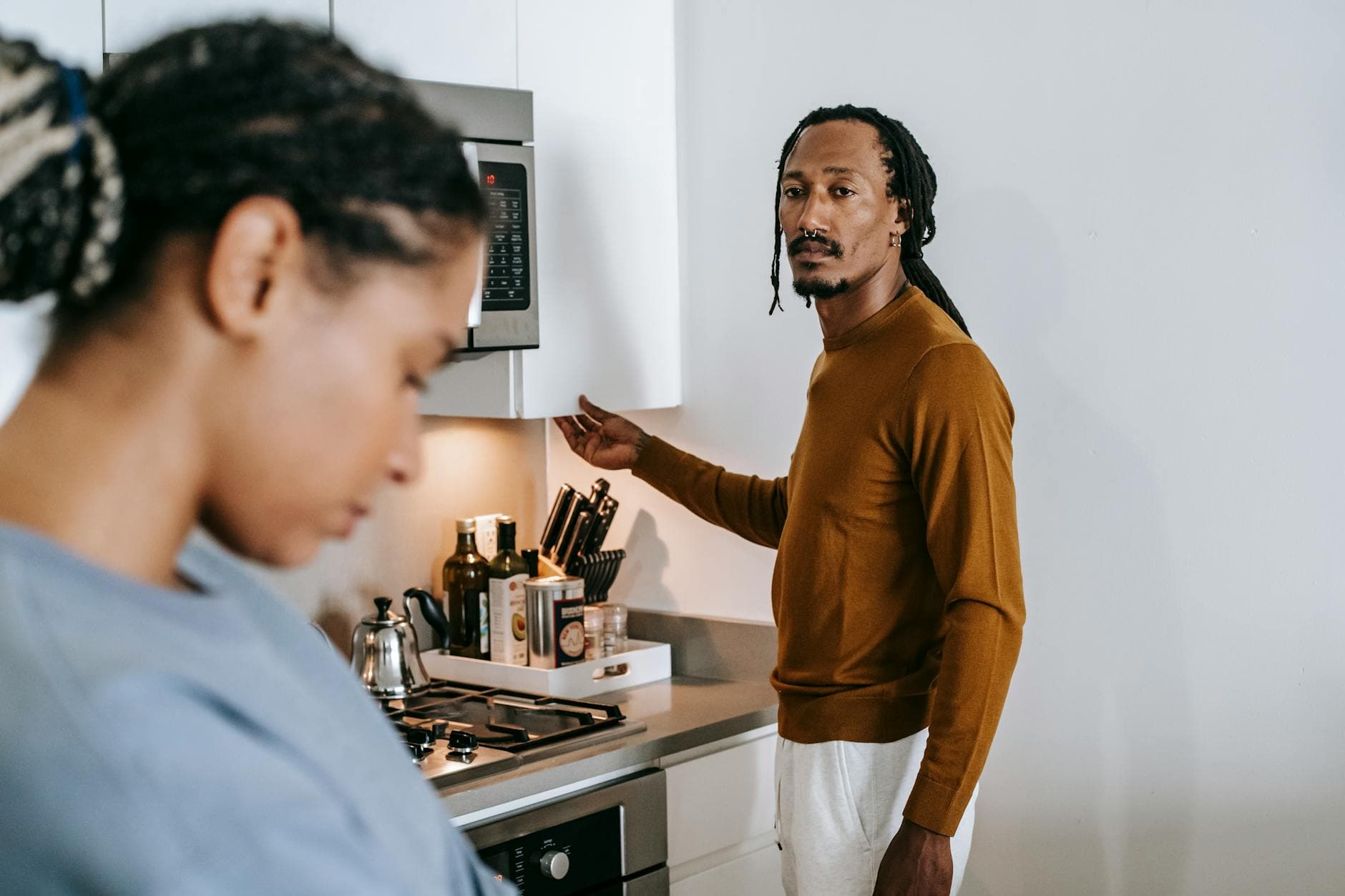
What if I told you that most of what you think you know about handling disagreements, about the very idea of making up after a fight, is missing a crucial piece? What if I told you that the typical approach leaves so much on the table, so many opportunities for deeper connection and understanding, simply because we've misunderstood the fundamental conflict resolution definition itself? It’s not just about stopping the argument; it’s about transforming the relationship in the process, making it stronger than before.
For years, I believed conflict resolution was simply about finding a compromise, a middle ground where everyone gave a little to get a little. That seemed logical, right? But honestly, it often felt hollow. It didn't truly address the underlying hurt or the unspoken needs. It was a band-aid, not a cure. The real meaning of conflict resolution goes so much deeper than just patching things up. It's an active, empathetic process aimed at understanding, addressing, and ultimately dissolving the roots of disagreement, leading to mutual understanding and strengthened bonds.
The Real Conflict Resolution Definition: Beyond Just "Fixing It"
When we talk about the conflict resolution definition, we're not just discussing a quick fix for a spat. We're delving into a profound relational skill, a deliberate effort to navigate differences in a way that respects all parties and seeks a sustainable path forward. It's an intentional journey, not a destination you rush to.
More Than Just "Fixing It"
Many people view conflict resolution as a necessary evil, a chore to get through so life can return to normal. This perspective is a huge disservice to its true power. Think about it: if you're just "fixing" a problem, you're likely focusing on the symptom, not the disease. You might agree on who takes out the trash, but if the underlying issue is a feeling of unequal contribution, the trash will become a battleground again next week.
The actual process involves identifying the core issues, understanding the perspectives of everyone involved, and collaboratively finding solutions that address those deeper needs. It’s about creating an environment where both parties feel heard, valued, and understood, even if they don't fully agree. This is the difference between temporary peace and lasting harmony.
The Underlying Purpose
At its heart, the purpose of conflict resolution is not to eliminate conflict entirely—that's an unrealistic and, frankly, unhealthy goal. Conflict is a natural part of any relationship, a sign that two distinct individuals are interacting. Instead, its purpose is to ensure that when conflict arises, it serves as an opportunity for growth, not destruction. It's about building bridges, not burning them.
This means moving beyond blame and toward shared responsibility, transforming moments of tension into chances to learn more about ourselves and each other. It’s about leveraging disagreements to deepen intimacy and trust, which is a truly transformative aspect of healthy relationships. This shift in perspective completely reframes how we approach difficult conversations.
Why Clarity Matters
Having a clear conflict resolution definition is critical because it sets the stage for our expectations and our approach. If you think it's just about winning an argument, you'll employ tactics designed to dominate. If you understand it as a process of mutual understanding and growth, you'll bring empathy and openness to the table. The clarity of this definition guides our actions.
Without this clarity, people often default to less effective strategies: avoidance, aggression, or passive-aggression. Knowing what is conflict resolution truly entails empowers us to choose more constructive paths, even when emotions are running high. It's the roadmap for navigating the stormy seas of disagreement without capsizing your relationship.

What Happens When We Avoid It
Here's the truth: what nobody tells you about conflict is that avoiding it doesn't make it disappear. It only makes it fester. We often convince ourselves that if we just ignore the uncomfortable silence, if we just sweep that small disagreement under the rug, it will eventually go away. I used to think that was the mature thing to do, to just "let it go." But that's a myth, a dangerous one for any connection you hold dear.
The Silent Killer of Connection
Unresolved conflict is like a slow-acting poison for relationships. It erodes trust, builds resentment, and creates emotional distance over time. That little sigh you make when your partner forgets something, the subtle eye-roll when a family member says *that thing* again—these small, unaddressed moments accumulate. They become bricks in a wall between you, making it harder and harder to connect authentically.
Think about the last time you felt a disconnect with someone you cared about. Was it a sudden explosion, or was it a gradual drift, fueled by a series of unspoken frustrations? Often, it’s the latter. This silent accumulation is why understanding the meaning of conflict resolution is so vital; it provides the tools to prevent this erosion.
The Explosion Waiting to Happen
Eventually, the rug gets too lumpy. All those swept-under issues don't just vanish; they build pressure until they erupt, often over something seemingly trivial. You've probably noticed this yourself: a fight about dirty dishes that's really about feeling unappreciated, or an argument about a late arrival that's actually about trust and reliability. These are the moments when the weight of unaddressed issues finally breaks through.
These explosive arguments are often more damaging than if the initial, smaller conflicts had been addressed constructively. They bring out our worst selves, leading to harsh words and regrettable actions. Instead of fostering understanding, they often leave deeper wounds, making the path to rebuilding intimacy after stress much harder.
The Cost to Our Well-being
Beyond the relationship itself, avoiding conflict takes a significant toll on our individual well-being. Chronic stress, anxiety, and even physical health issues can arise from living with unresolved tension. The mental energy spent worrying, strategizing, or simply trying to ignore the elephant in the room is immense. This constant low-level stress can lead to burnout, affecting sleep, mood, and overall quality of life.
Learning how to define conflict resolution and apply its principles is not just about saving relationships; it's about protecting our peace of mind. It allows us to face challenges head-on, knowing we have the skills to navigate them, rather than living in fear of the next inevitable clash. It's an investment in your own mental health, truly.

The Essential Ingredients for Healthy Conflict Resolution
So, if avoiding conflict is destructive, and simply "fixing it" is insufficient, what does effective conflict resolution look like? It's about cultivating specific skills and adopting a particular mindset. These aren't always easy, especially when emotions run high, but they are absolutely learnable.
Active Listening and Empathy
The foundation of any successful conflict resolution strategy is active listening. This means truly hearing what the other person is saying, not just waiting for your turn to speak or formulating your rebuttal. It means paying attention to their words, their tone, their body language, and trying to understand the emotions behind their message.
Coupled with active listening is empathy: the ability to put yourself in their shoes and understand their perspective, even if you don't agree with it. "I hear that you feel overwhelmed by the housework, and I can see how my forgetting to do the dishes adds to that burden." This isn't an admission of guilt; it's an acknowledgment of their experience. This crucial step opens the door to genuine dialogue.
Clear, Honest Communication
Once you've listened, it's your turn to communicate, and this needs to be done with clarity and honesty. Use "I" statements to express your feelings and needs without blaming. Instead of "You always make me feel unheard," try "I feel unheard when I'm interrupted, and I need a chance to finish my thoughts." This shifts the focus from accusation to personal experience and need.
Being clear also means being specific. Vague complaints like "You're never supportive" are impossible to address. Instead, say, "I felt unsupported yesterday when I shared my struggles at work and you immediately offered solutions instead of just listening." Specificity provides actionable information, which is key to finding a resolution. Good communication is a cornerstone of any relationship, whether you're navigating improving teen communication at home or trying to resolve a marital dispute.
Finding Common Ground
The goal isn't necessarily to agree on everything, but to find common ground, a shared understanding, or a mutually acceptable solution. This requires a willingness to collaborate rather than compete. It’s about moving from "my way or your way" to "our way."
The Power of Mutual Respect
Even when you strongly disagree, maintaining mutual respect is non-negotiable. This means acknowledging the other person's right to their feelings and opinions, even if they differ from yours. Respect allows for open dialogue without fear of judgment or dismissal. It creates a safe space where both parties can be vulnerable and honest.
Without respect, discussions quickly devolve into personal attacks, making any form of resolution impossible. It’s the bedrock upon which effective conflict resolution skills are built.
Moving Beyond "Winning"
A common pitfall in conflict is the desire to "win." When you approach an argument with a win-lose mentality, someone inevitably loses, and that loss often breeds resentment. True conflict resolution, the kind that strengthens relationships, is about both parties feeling like they've gained something—understanding, connection, a viable solution.
Sometimes, this means letting go of being "right" in favor of being connected. It's a fundamental shift in perspective that transforms arguments from battles into opportunities for deeper intimacy. This is where the true value of defining conflict resolution comes into play.

Practical Steps to Define and Apply Conflict Resolution
Alright, so we've talked about the theory, the crucial understanding of what defines conflict resolution. Now, how do we put this into practice? How do we take these abstract ideas and apply them in our daily lives, especially when our emotions are running hot? It requires a structured approach, almost like a dance you learn step by step.
Identifying the Core Issue
Before you can resolve anything, you must understand what you're actually resolving. This might sound obvious, but it's often the hardest part. The surface-level argument (the overflowing sink, the late text) is rarely the real problem. The core issue usually involves unmet needs, differing values, or unspoken expectations. For example, a fight about a forgotten anniversary might not be about the date itself, but about feeling unloved or unimportant, a common struggle even after the Post Valentine's Relationship Expectations have settled.
Ask yourselves (or each other): "What is this *really* about for me?" "What underlying need isn't being met?" This takes introspection and honesty. It's about peeling back the layers until you get to the heart of the matter, which could be fear, insecurity, or a desire for control.
Expressing Needs, Not Accusations
Once you've identified the core issue, articulate your needs clearly and calmly. Remember, "I" statements are your best friend here. Instead of: "You always leave me to do everything!" try: "I feel overwhelmed by the division of labor, and I need more help with the household chores." This shifts the focus from blaming the other person to expressing your personal experience and what you require.
This approach invites collaboration rather than defensiveness. It creates an opening for the other person to respond empathetically, rather than feeling attacked. It's a subtle but incredibly powerful distinction that can change the entire trajectory of a conversation. Think about how you would answer good first date questions – you'd focus on expressing yourself, not accusing.
Collaborating on Solutions
With both parties having expressed their needs and understood the core issues, the next step is to brainstorm solutions together. This isn't about one person dictating terms; it's about finding creative ways to meet both sets of needs. This is where compromise truly comes into play, but it's a compromise built on understanding, not just giving in.
List possible solutions, no matter how silly they seem at first. Discuss the pros and cons of each. Be open to ideas you hadn't considered. The goal is to find a solution that both parties can genuinely commit to, not just grudgingly accept. This collaborative problem-solving is a hallmark of effective conflict management and is a truly empowering experience for everyone involved.
Why This Definition Changes Everything
Embracing a comprehensive conflict resolution definition isn't just an academic exercise; it's a paradigm shift that fundamentally alters how we interact in all our relationships. This deeper understanding isn't just about navigating arguments; it's about building a richer, more resilient life.
Building Stronger Bonds
When you approach conflict with the intention of understanding and growth, you inevitably build stronger bonds. Each successfully navigated disagreement becomes a testament to your relationship's resilience and your commitment to each other. It shows that you can face challenges together and come out the other side, not just intact, but often closer than before.
This process fosters a deeper level of trust and intimacy, knowing that even during difficult times, your connection is strong enough to weather the storm. It’s an investment in the emotional bank account of your relationship, ensuring that even during periods of Winter Proximity Attachment Styles, your bond remains robust.
Fostering Personal Growth
Learning and applying these conflict resolution skills isn't just good for your relationships; it's incredibly beneficial for your personal growth. It teaches you patience, empathy, self-awareness, and effective communication. You learn to manage your own emotions, articulate your needs, and see situations from multiple perspectives.
These are life skills that extend far beyond romantic partnerships or family dynamics. They impact your friendships, your professional life, and even your relationship with yourself. Every time you successfully apply this meaning of conflict resolution, you become a more capable, compassionate individual.
A Lifelong Skill
Ultimately, the true conflict resolution definition encapsulates a lifelong skill. Conflict will always be a part of life, but how we engage with it makes all the difference. By adopting this more expansive and empathetic view, we equip ourselves with the tools to not just survive disagreements, but to thrive because of them.
It's about cultivating a mindset where conflict isn't something to be feared or avoided, but an opportunity for deeper connection, greater understanding, and profound growth. It's a journey of continuous learning, but one that promises richer, more authentic relationships and a more peaceful existence.