
I used to think I had it all figured out in relationships. I was the fixer, the compromiser, always trying to smooth things over. If things got a little tense, I’d dive into overdrive, desperate to prevent any hint of conflict. Sound familiar? It took me years to realize that this frantic energy, this push-and-pull of wanting closeness but also needing distance, wasn't just "my personality." It was something deeper, something rooted in how I learned to attach. I’m talking about disorganized attachment, and honestly, understanding it has been a game-changer.
The Wild Ride of Disorganized Attachment
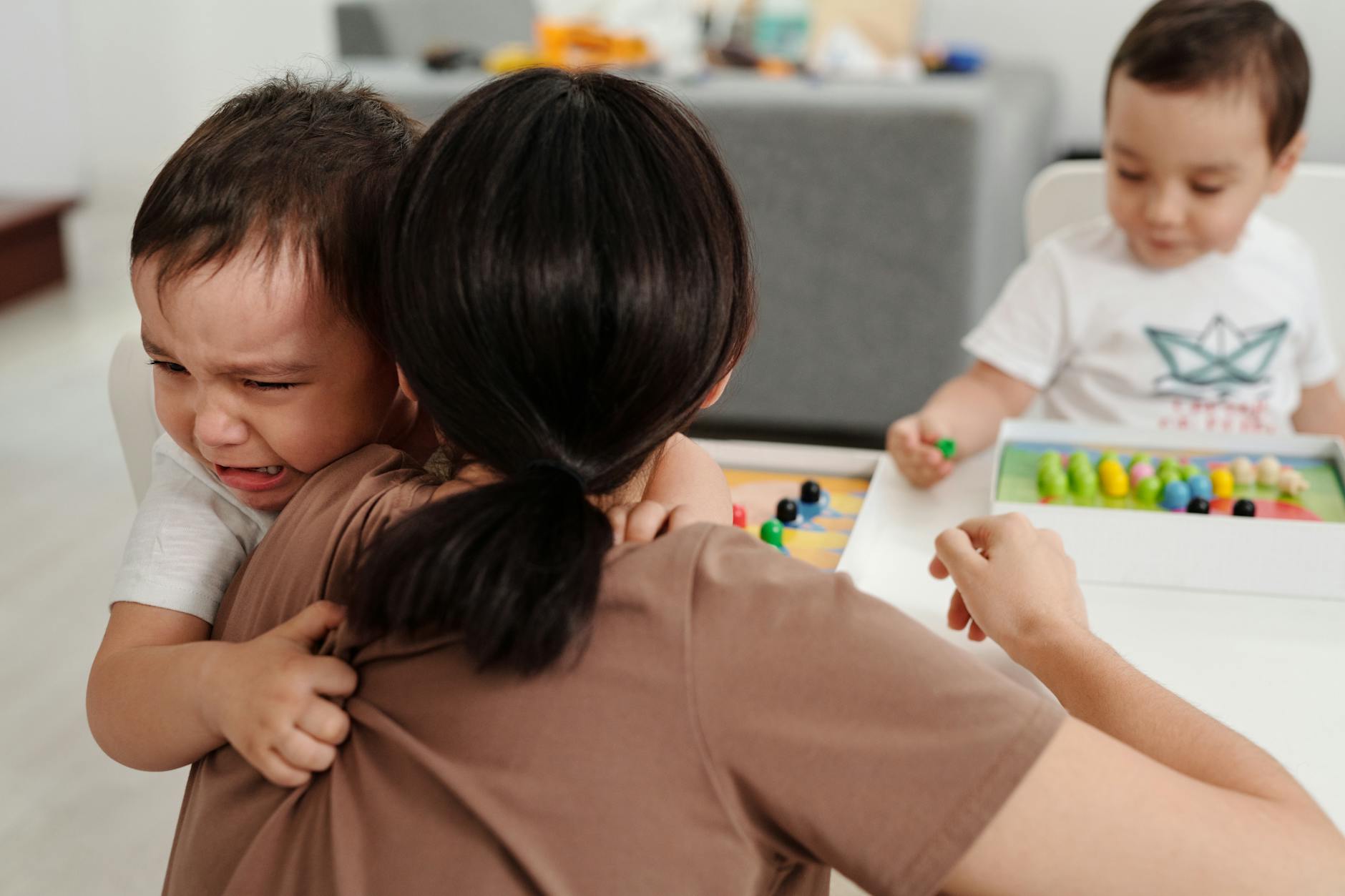
This isn't your typical "clingy" or "distant" dynamic. Disorganized attachment is like a tangled ball of yarn, where the threads of connection are simultaneously sought and feared. It’s a fascinating, albeit often painful, way of relating that stems from early life experiences, often involving unpredictable or frightening caregiving. Think about a child whose parent is their source of comfort but also, at times, their source of fear. This creates a profound internal conflict.
When Love Feels Like Danger
The core of disorganized attachment is this paradoxical experience: the person you rely on for safety is also the one who makes you feel unsafe. This can manifest in countless ways, from a caregiver who is sometimes nurturing and other times neglectful or abusive, to situations where a child has to care for an unstable parent. It’s a recipe for confusion, leaving the developing mind with no clear strategy for how to get its needs met.
The Internal Tug-of-War
You might crave deep intimacy one moment and then recoil from it the next, feeling overwhelmed or even threatened by closeness. This isn't a conscious choice; it’s a deeply ingrained pattern. The brain learns that seeking comfort can lead to distress, so it develops a strategy of approach-avoidance. It’s a desperate attempt to manage unbearable emotional states.
Unpacking Disorganized Attachment Symptoms
So, what does this look like in adult relationships? It’s not always obvious, but once you know what to look for, the patterns become clearer. These individuals often struggle with consistency, both in their own behavior and in how they perceive their partners. It’s a complex dance where the music keeps changing tempo and key.
The Push-and-Pull Dynamic
One of the most striking disorganized attachment symptoms is the tendency to push people away when they get too close, only to desperately miss them when they’re gone. You might find yourself sabotaging good relationships, picking fights, or creating distance when things start to feel stable. It’s like an internal alarm system that goes off whenever genuine connection is within reach.
Fear of Abandonment and Engulfment
There's a pervasive fear of being abandoned, yet simultaneously, there's an equally strong fear of being overwhelmed or engulfed by a partner. This creates a no-win situation. If you’re too close, you fear losing yourself; if you’re too distant, you fear being left alone. This is the heart of the anxious disorganized attachment experience.
Difficulty with Emotional Regulation
Managing intense emotions can be a significant challenge. This can lead to explosive outbursts, emotional withdrawal, or a general sense of being overwhelmed by one's own feelings. The internal chaos makes it hard to navigate the emotional landscape of relationships smoothly. This one surprised me; I used to think it was just being "moody," but it's so much more than that.
Conflicting Behaviors
You might exhibit contradictory behaviors. For example, you might desperately seek reassurance from a partner, but then reject them when they offer it. Or you might idealize a partner one moment and then see them as all bad the next. This inconsistency can be incredibly confusing for both the person experiencing it and their partner.

Fearful Avoidant Attachment: A Closer Look
Often, the term "fearful avoidant attachment" is used interchangeably with disorganized attachment, and for good reason. It perfectly captures the essence of wanting connection but being terrified of it. This style is a hallmark of the disorganized attachment style, painting a vivid picture of the internal struggle.
The Desire for Intimacy, Blocked by Fear
At their core, individuals with a fearful avoidant attachment style deeply desire close, loving relationships. However, past experiences have taught them that intimacy is risky. They yearn for connection but are simultaneously terrified of being hurt, rejected, or losing their sense of self. This internal conflict makes forming stable, secure bonds incredibly difficult.
Unpredictability in Relationships
Partners of someone with a fearful avoidant attachment style often describe feeling confused by their partner's behavior. One day they might be incredibly attentive and loving, and the next they might be distant and withdrawn. This unpredictability makes it hard to feel secure in the relationship. Think about the last time you felt like you were walking on eggshells – that's often the experience of a partner.

The Roots of Disorganized Attachment
It’s crucial to understand that disorganized attachment isn't a character flaw. It's a survival strategy developed in response to difficult early experiences. The American Psychological Association research on disorganized attachment highlights the significant role of childhood trauma and neglect in its development.
Childhood Trauma and Its Lingering Effects
When a child’s primary caregiver is inconsistent, frightening, or abusive, the child’s developing brain struggles to make sense of the world. The caregiver is simultaneously the source of comfort and threat, creating a paradox that cannot be resolved. This can lead to a fragmented sense of self and difficulty forming secure attachments later in life. The impact of early experiences is profound.
Insecure Attachment Styles as Precursors
While disorganized attachment is its own category, it often develops from or co-exists with other insecure attachment styles, like anxious or avoidant. The unpredictable nature of disorganized attachment means it can incorporate elements of both: the intense desire for closeness seen in anxious attachment and the fear of intimacy seen in avoidant attachment. It's a complex blend.

Navigating Relationships with Disorganized Attachment
This is where the rubber meets the road. If you recognize yourself or a partner in these descriptions, know that there is hope. Understanding the underlying patterns is the first, vital step toward healing disorganized attachment.
The Importance of Self-Awareness
Recognizing your disorganized attachment style is incredibly empowering. It allows you to see your relationship patterns not as personal failings, but as learned responses. This shift in perspective is crucial for moving forward. You can begin to ask yourself: "Why am I reacting this way?" instead of "What is wrong with me?"
Communication is Key
For anyone in a relationship with someone experiencing disorganized attachment, open and honest communication is paramount. This is where couple communication tips become absolutely essential. It’s about creating a safe space where both partners can express their needs and fears without judgment. The Gottman Institute research on disorganized attachment often emphasizes the role of consistent, attuned communication in building security.
Setting Healthy Boundaries
Establishing clear and consistent boundaries is vital. This helps create predictability and safety within the relationship, which can be incredibly soothing for someone with a disorganized attachment style. Boundaries aren't walls; they are guidelines that protect the emotional well-being of everyone involved.
Seeking Professional Support
Therapy can be incredibly effective in addressing disorganized attachment. A skilled therapist can help individuals understand the roots of their attachment style, process past trauma, and develop healthier ways of relating to others. Techniques like Eye Movement Desensitization and Reprocessing (EMDR) or Emotionally Focused Therapy (EFT) can be particularly helpful. Psychology Today research on disorganized attachment often points to the efficacy of trauma-informed therapies.
The Path to Secure Attachment
Healing disorganized attachment isn't about erasing your past, but about integrating it and learning to build secure connections in the present. It's a journey of self-compassion and courageous vulnerability. The goal is to move towards a more secure attachment style, where you can experience intimacy without overwhelming fear.
Embracing the Possibility of Secure Attachment
Living with disorganized attachment can feel like being caught in a storm. But here's the thing: storms pass. Understanding this complex attachment style is not about labeling yourself or someone else; it's about gaining insight and opening the door to change. It’s about recognizing that the patterns we learned in childhood, while powerful, are not destiny. With awareness, courage, and the right support, it is absolutely possible to cultivate more secure, fulfilling relationships. The journey of relationship healing is challenging, but the reward—genuine, stable connection—is immeasurable.