
I'll be real with you. For years, I thought saying "thank you" was enough. If my partner did the dishes, I’d say, "Thanks for doing the dishes." If they brought me coffee, "Thanks for the coffee." It felt… sufficient. I was ticking the box of politeness. But I was missing a massive piece of the puzzle when it came to truly learning how to express gratitude relationships. It wasn't until a particularly rough patch in my own marriage, where we felt like roommates rather than lovers, that I understood how shallow my appreciation had been. It wasn't just about acknowledging an action; it was about acknowledging the person behind the action, the intention, and the impact on me and our shared life. This revelation shifted everything, and honestly, it’s one of the most powerful lessons I’ve learned about building lasting connections.
The Real Power of Saying "Thank You"
Beyond Simple Politeness
We often relegate gratitude to basic manners, a quick nod to social convention. But in relationships, especially romantic ones, gratitude is a powerful force that can actively shape the emotional landscape. It’s not just about acknowledging a deed; it’s about acknowledging the effort, the thought, and the love behind it. When you learn to genuinely express gratitude relationships, you’re not just saying thanks; you’re saying, "I see you. I value you. You matter." This is the bedrock of feeling seen and cherished, a fundamental human need.
The Ripple Effect of Appreciation
Think about the last time someone truly made you feel appreciated. How did it make you feel? Probably lighter, more energized, and more inclined to reciprocate that warmth. This is the ripple effect. When you consistently show appreciation for your partner, you create a positive feedback loop. They feel good, they’re more likely to do kind things for you, which makes you feel good, and so on. It’s a virtuous cycle that strengthens your bond, making those tough times feel less daunting. Research from the American Psychological Association research on express gratitude relationships often highlights how positive emotions, fueled by gratitude, can buffer against stress and conflict.
What Gratitude Isn't
It’s crucial to distinguish genuine gratitude from mere obligation or a transactional exchange. Saying "thanks" when you feel you 'should' or in hopes of getting something in return dilutes its power. True gratitude comes from a place of genuine recognition and appreciation for the other person's presence and actions in your life. It’s about the heart, not just the mouth.
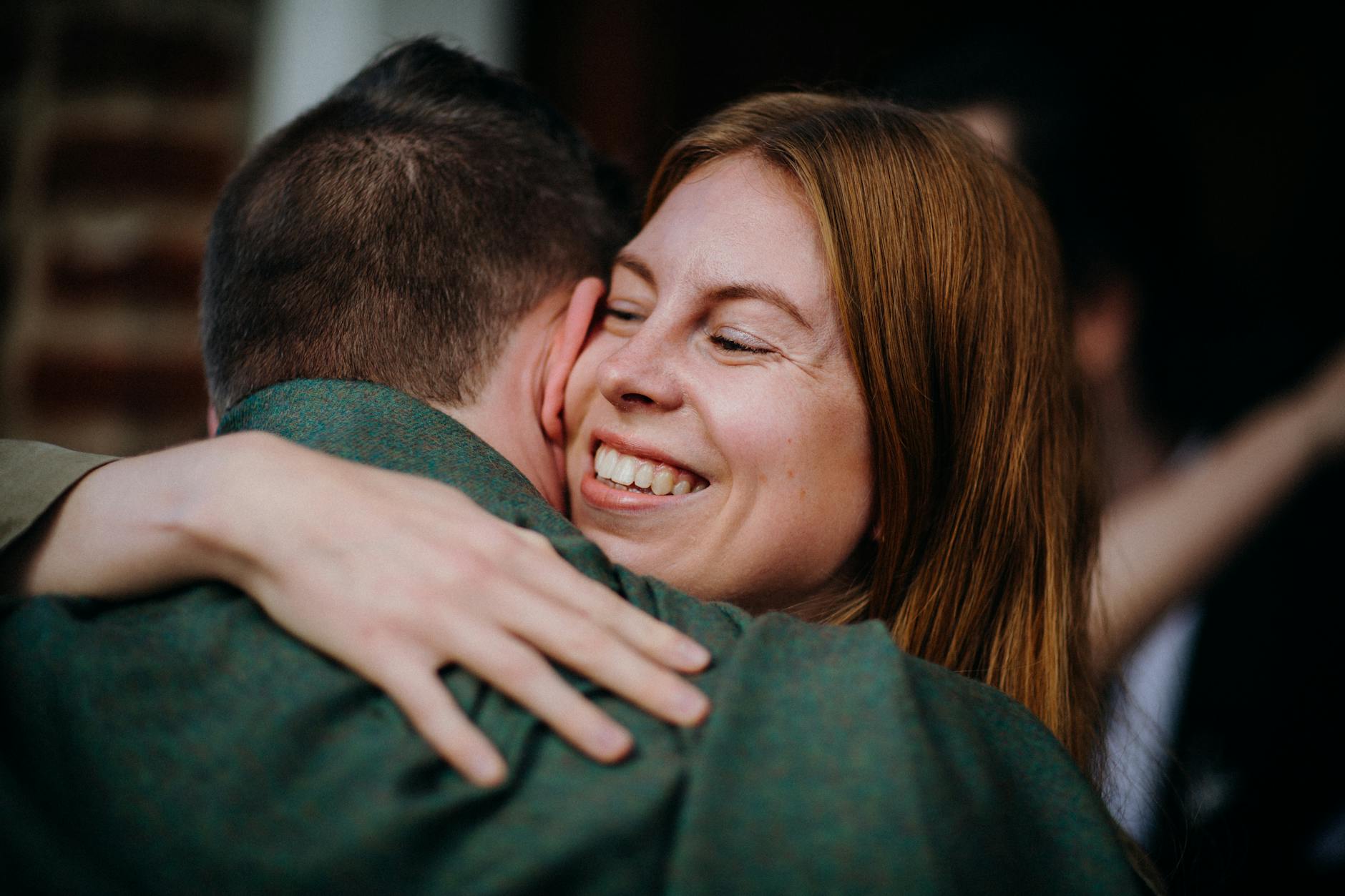
Practical Ways to Express Gratitude in Marriage
Verbal Affirmations That Land
This is where I used to fall short. Just saying "thanks" isn't always enough. Get specific. Instead of, "Thanks for dinner," try, "Thank you so much for making dinner tonight, honey. I was so tired after work, and it meant the world to me that you took care of it. It was delicious, too!" This level of detail shows you’ve noticed their effort and the positive impact it had. It moves beyond a perfunctory acknowledgment to a heartfelt expression of thanks.
The "Why" Matters
When you're expressing thanks love, always try to include the 'why.' Why did their action matter? Did it save you time? Did it relieve stress? Did it make you feel cared for? Articulating the 'why' amplifies the impact of your gratitude tenfold. It helps your partner understand the depth of your appreciation.
Acts of Service as Gratitude
Sometimes, the best way to show you’re grateful is to do something thoughtful for your partner without being asked. If your partner usually handles a certain chore, surprise them by doing it yourself one day. If they’ve had a long week, make them their favorite meal or run an errand for them. These actions speak volumes and are a powerful way of showing appreciation partner. It’s a tangible demonstration that you're paying attention and want to lighten their load.
Gifts that Speak Volumes
This doesn't mean expensive items. It means thoughtful gestures. A small bouquet of their favorite flowers left on their pillow, a book by an author they love, or even a handwritten note tucked into their lunch bag can be incredibly meaningful. The key is that the gift reflects what you know about them and shows you’ve been thinking of them. These small tokens are potent ways of expressing thanks love.
Quality Time as a Thank You
In our busy lives, dedicating focused, uninterrupted time to your partner can be the ultimate gift. Suggest a date night, a weekend getaway, or even just an hour on the couch with no phones. This dedicated time signals that you prioritize them and value your connection. It's a way of saying, "I'm grateful for you, and I want to nurture our relationship." This is a cornerstone of building stronger connections.

Gratitude in Dating and Early Relationships
The Foundation of Future Love
If you're in the dating phase, learning to express gratitude relationships from the outset is crucial. It sets a positive tone and establishes healthy patterns. Even small gestures, like thanking them for picking up the check or for a fun evening, make a difference. It shows you’re not taking their efforts for granted.
Appreciation in Dating: Small Gestures, Big Impact
Think about the early days of dating. Every interaction is a chance to show you’re present and thankful. Did they remember something you mentioned in a previous conversation? Point it out! Did they go out of their way to meet you somewhere convenient for you? Acknowledge it! These seemingly minor acts of appreciation in dating build a strong foundation of mutual respect and affection. They signal that you're paying attention and that their efforts are noticed and valued.
Navigating Expectations
It’s also important to manage expectations. Not every date will be fireworks, and not every gesture will be grand. The goal isn't to overdo it but to be sincere. A genuine "I had a really nice time tonight, thank you for suggesting that restaurant" is far more impactful than an effusive, insincere compliment.

The Science Behind Gratitude and Well-being
Boosting Mental Well-being
The benefits of expressing gratitude extend beyond just making your partner feel good; they significantly impact your own mental well-being. Studies, like those published in Psychology Today research on express gratitude relationships, consistently show that people who regularly practice gratitude report higher levels of happiness, optimism, and life satisfaction. It shifts your focus from what's lacking to what's abundant.
Strengthening Your Immune System
This one surprised me. There's even evidence suggesting that practicing gratitude can have physical health benefits, including improved sleep and a stronger immune system. The National Institutes of Health research on express gratitude relationships has touched upon the mind-body connection, and gratitude plays a role. When you’re less stressed and more positive, your body functions better. It’s a powerful reminder that our emotional state has tangible effects.
Building Resilience
When you actively cultivate a grateful mindset, you become more resilient in the face of adversity. You’re better equipped to see the silver lining, to find lessons in challenges, and to appreciate the support systems you have in place. This resilience is invaluable for navigating the inevitable ups and downs of any long-term relationship.

Making Gratitude a Habit, Not a Chore
The Power of Rituals
To truly embed gratitude into your relationship, make it a ritual. This could be a nightly check-in where you each share one thing you appreciated about the other that day. Or perhaps a weekly "gratitude journal" you both contribute to. These small, consistent practices can transform how you interact. They become natural extensions of your connection, not forced obligations.
Don't Wait for Grand Gestures
Here's the thing: you don't need a special occasion to express gratitude. The everyday moments are where the magic happens. That time your partner patiently listened to you vent, the way they made you laugh when you were feeling down, or simply their steady presence – these are all opportunities to show you’re grateful. Don’t let those moments pass by unacknowledged.
Self-Care for Couples: Prioritizing Appreciation
Think of practicing gratitude as a form of self-care for couples. When you’re both actively appreciating each other, the relationship becomes a source of strength and joy, rather than a drain. It’s about nurturing the connection so it can support you both. This is essential for nurturing love and intimacy.
When Gratitude Feels Hard
Navigating Conflict and Resentment
There will be times when expressing gratitude feels incredibly difficult. Perhaps you're in the midst of an argument, or there’s underlying resentment. In these moments, it’s okay to acknowledge that it’s hard. You might need to take a break and revisit the conversation later. However, even in challenging times, try to find one small thing to appreciate. It could be that they are willing to talk, or that they haven't completely shut down. This is where effective communication skills become paramount.
The Role of Forgiveness
Sometimes, expressing gratitude requires forgiveness. If your partner has hurt you, it can be challenging to feel thankful. However, forgiveness isn't about condoning their actions; it's about releasing yourself from the burden of anger and resentment. It clears the path for genuine appreciation to re-emerge. If you're struggling with deep hurt, seeking professional help might be necessary, especially if you are looking at rebuilding trust after cheating.
Focusing on Small Wins
When you're feeling low, focus on the small wins. Did your partner still make you coffee even though they were running late? Did they offer a comforting word even if it wasn't perfectly delivered? Acknowledge these small efforts. They are proof that the connection is still there, even when things are tough. This can be a crucial part of positive relationship habits.
Learning to truly express gratitude relationships is a journey, not a destination. It requires conscious effort, vulnerability, and a willingness to look beyond the surface. But the rewards are immense: deeper connection, greater intimacy, and a relationship that can weather any storm. So, start today. Look at your partner, truly look, and find something to be grateful for. Then, tell them. You might just be surprised at how powerful those simple words can be. It’s a vital part of spring relationship goals for any couple looking to reconnect and thrive.