
I remember sitting across from Sarah, my partner of three years, at that little Italian place we loved. The pasta was perfect, the wine flowed, but there was this heavy silence between us. It wasn't a comfortable silence; it was the kind that buzzed with unspoken things. I knew something was off, and she looked like she was carrying the weight of the world. I wanted to fix it, to magically know what was wrong, but I was completely lost. That night, I realized how much I’d been missing the boat when it came to truly being able to express relationship needs. It’s a skill, a muscle you have to build, and I was incredibly weak in that department.
The Cost of Silence: Why We Struggle to Express Relationship Needs
The Fear Factor: What We're Really Afraid Of
Honestly, most of us learn early on that expressing needs can be… risky. We see it modeled in families, in friendships, even in the movies. A character asks for something, and it’s met with rejection, anger, or worse, indifference. So, we learn to keep quiet. We swallow our desires, our frustrations, our hopes, telling ourselves it’s easier than facing the potential fallout. This fear can become a deeply ingrained habit, a protective shell that ultimately isolates us.
This fear isn't just about grand gestures; it’s about the everyday stuff too. Are you afraid to say you need more alone time? Or that you wish your partner would help more with chores? The stakes feel high, even for small things, because we’ve linked asking for what we need with potential rejection. It’s a tough cycle to break, I’ll be real with you.
Misunderstandings as the Default
When we don’t express our needs, we’re essentially setting our partners up for failure. We expect them to be mind-readers, to magically intuit what makes us happy or what’s causing us pain. This is an unreasonable expectation, and it’s a fast track to resentment. Think about the last time you felt truly misunderstood. It stings, doesn't it? Now imagine that feeling becoming a regular occurrence in your most important relationship.
This is where a lot of relationship problems begin. We might want more quality time, but we never say it. So, our partner, who might be showing love in other ways (like doing the dishes, which is also important!), feels unappreciated because we’re not acknowledging their efforts, and we feel disconnected because our need for conversation isn’t being met. It’s a perfect storm for disconnection.
The Erosion of Intimacy
Intimacy, the deep emotional closeness that makes a relationship thrive, is built on vulnerability and trust. When we can’t express our needs, we’re withholding a part of ourselves. We’re not allowing our partner to truly know us, to support us in the ways we actually need. This lack of open communication creates a chasm, slowly eroding the very foundation of your partnership. It’s like trying to build a house on sand; it just won’t hold.

How to Express Relationship Needs: A Practical Guide
Start with Self-Awareness: Know What You Need
Before you can communicate your needs to someone else, you’ve got to figure out what they are. This sounds obvious, but it’s often the hardest part. Take time for introspection. What makes you feel loved? What drains your energy? What brings you joy? What are your non-negotiables? This self-discovery is crucial. You might even find it helpful to journal about your feelings and desires, especially when you’re feeling a sense of unease or dissatisfaction in the relationship. This process is key to effective communication strategies.
Consider your emotional needs in partnership. Do you need reassurance? Do you need intellectual stimulation? Do you need physical affection? Pinpointing these specifics will make your requests much clearer. For instance, instead of thinking "I need more attention," try to identify "I need 30 minutes of focused conversation with my partner each evening after work."
Choose the Right Time and Place
Timing is everything. Bringing up a sensitive topic when your partner is stressed, exhausted, or in the middle of something important is a recipe for disaster. Look for moments when you’re both relaxed and have the time to talk without interruption. A quiet evening at home, a leisurely weekend morning, or even a planned conversation during a couple communication goals session can be ideal.
I learned this the hard way. I once tried to have a serious talk with my wife about my need for more downtime right as she was rushing out the door for a critical work meeting. It was a complete failure. She felt attacked and overwhelmed, and I felt unheard. We had to circle back later, and it took much longer to resolve because of my poor timing.
Use "I" Statements
This is a classic piece of relationship advice for a reason. Framing your needs using "I" statements shifts the focus from blame to your own feelings and experiences. Instead of saying, "You never help me with the kids," try, "I feel overwhelmed when I'm managing the bedtime routine alone, and I need some help." This approach is less likely to trigger defensiveness in your partner.
When you use "you" statements, it sounds like an accusation. "You always leave your socks on the floor" feels very different from "I feel frustrated when I see socks on the floor because it makes the room feel messy." The second one is about your feeling and your need for tidiness, not about your partner’s character flaws.
Be Specific and Clear
Vague requests lead to vague outcomes. If you need your partner to be more present, what does that actually look like? Does it mean putting their phone away during dinner? Does it mean actively listening without interrupting? The more specific you are, the easier it is for your partner to understand and meet your needs. This is a cornerstone of healthy relationship communication.
Let’s say you need more quality time. A good way to express relationship needs here would be: "I'd love it if we could set aside one evening a week, say Thursday nights, to just be together. No phones, just us, maybe watching a movie or playing a game." This is concrete and actionable.
Listen Actively to Their Needs Too
Relationship needs are a two-way street. While it’s crucial to learn how to express your own needs, it’s equally important to be a good listener. When your partner shares their needs, really hear them. Ask clarifying questions, validate their feelings, and try to understand their perspective. This reciprocal communication builds a stronger, more connected bond. It’s about creating a safe space for both of you to be vulnerable.
This is where the concept of couple energy boundaries comes into play. When you’re both open about your needs and how you recharge, you can better support each other without feeling drained or resentful.

Asserting Needs in Love: Beyond Just Asking
Understanding the Difference Between Asking and Demanding
There’s a subtle but significant difference between expressing a need and demanding it. When you express a need, you’re sharing a desire and inviting your partner to collaborate. When you demand, you’re issuing an ultimatum, which often leads to resistance. Asserting needs in love means doing so with respect and a willingness to negotiate, not with an expectation of immediate, unquestioning compliance.
A demand might sound like, "You *have* to start doing the dishes every night." An assertive request, however, would be, "I’m really struggling with the evening chores. Would you be open to discussing how we can share the dishwashing load more evenly? I’m feeling overwhelmed."
The Power of Setting Boundaries
Setting boundaries is a vital part of asserting your needs. Boundaries are not about controlling your partner; they are about protecting your own well-being and ensuring the relationship meets your fundamental requirements. This might involve setting limits on how much time you spend together, what topics are off-limits, or how you expect to be spoken to during disagreements. Setting boundaries in relationships is an act of self-respect and love.
For example, if you know you need at least one full day of downtime each weekend to recharge, you might set a boundary around weekend plans. This doesn't mean you can't do things together, but it does mean you communicate, "I need Saturday mornings to myself to read and relax." This is a clear expression of a need that impacts your well-being.
Navigating Conflict When Needs Clash
Conflict is inevitable in any close relationship. What matters is how you handle it. When your needs clash with your partner's, it’s an opportunity for growth. The goal isn't to "win" the argument, but to find a solution that respects both of your needs as much as possible. This often requires compromise and creative problem-solving. Effective conflict resolution in marriage or partnership is a learned skill.
Sometimes, you might need to accept that not every need can be met perfectly. Perhaps you need more spontaneous adventures, and your partner needs more predictability. Finding a middle ground might mean planning one spontaneous outing a month and having a predictable routine for the rest of the time. It’s about finding that balance.

When to Seek Professional Help for Expressing Needs
Persistent Misunderstandings and Resentment
If, despite your best efforts, you and your partner are consistently misunderstanding each other, or if resentment is building up like a dam about to burst, it might be time to seek professional guidance. A therapist can provide a neutral space and teach you both more effective communication strategies. This is especially true if you're experiencing couple resentment that feels deeply entrenched.
Years of unspoken needs can lead to a deep well of hurt. If you find yourselves constantly circling back to the same arguments without resolution, or if one or both of you are regularly feeling unheard or unvalued, a trained professional can help untangle the patterns.
Difficulty Identifying or Articulating Needs
Some people genuinely struggle to identify what they need, or they find it incredibly difficult to put those needs into words. This can stem from past experiences, upbringing, or even certain personality traits. If you feel like you’re constantly guessing what you want or feel, a therapist can help you develop that self-awareness. The National Institute of Mental Health offers resources that touch upon the psychological aspects of communication and unmet needs.
This difficulty can be exacerbated if you grew up in an environment where expressing emotions or needs was discouraged or punished. Learning to trust your own feelings and voice them is a journey, and support can make all the difference. You might also find resources from organizations like the American Psychological Association helpful in understanding these deeper patterns.
Impact on Overall Relationship Health
Ultimately, the ability to express relationship needs is fundamental to a healthy, thriving partnership. When it breaks down, the entire relationship suffers. This can manifest as a loss of intimacy, increased conflict, emotional distance, and even physical health problems associated with chronic stress, as highlighted by National Institutes of Health research. If you notice these warning signs, don't hesitate to seek support.
A relationship where needs are consistently unmet is a relationship that is slowly dying. It’s like a plant that isn’t watered; it will eventually wither. Recognizing this and taking action, even if it feels scary, is an act of commitment to the relationship and to yourself.
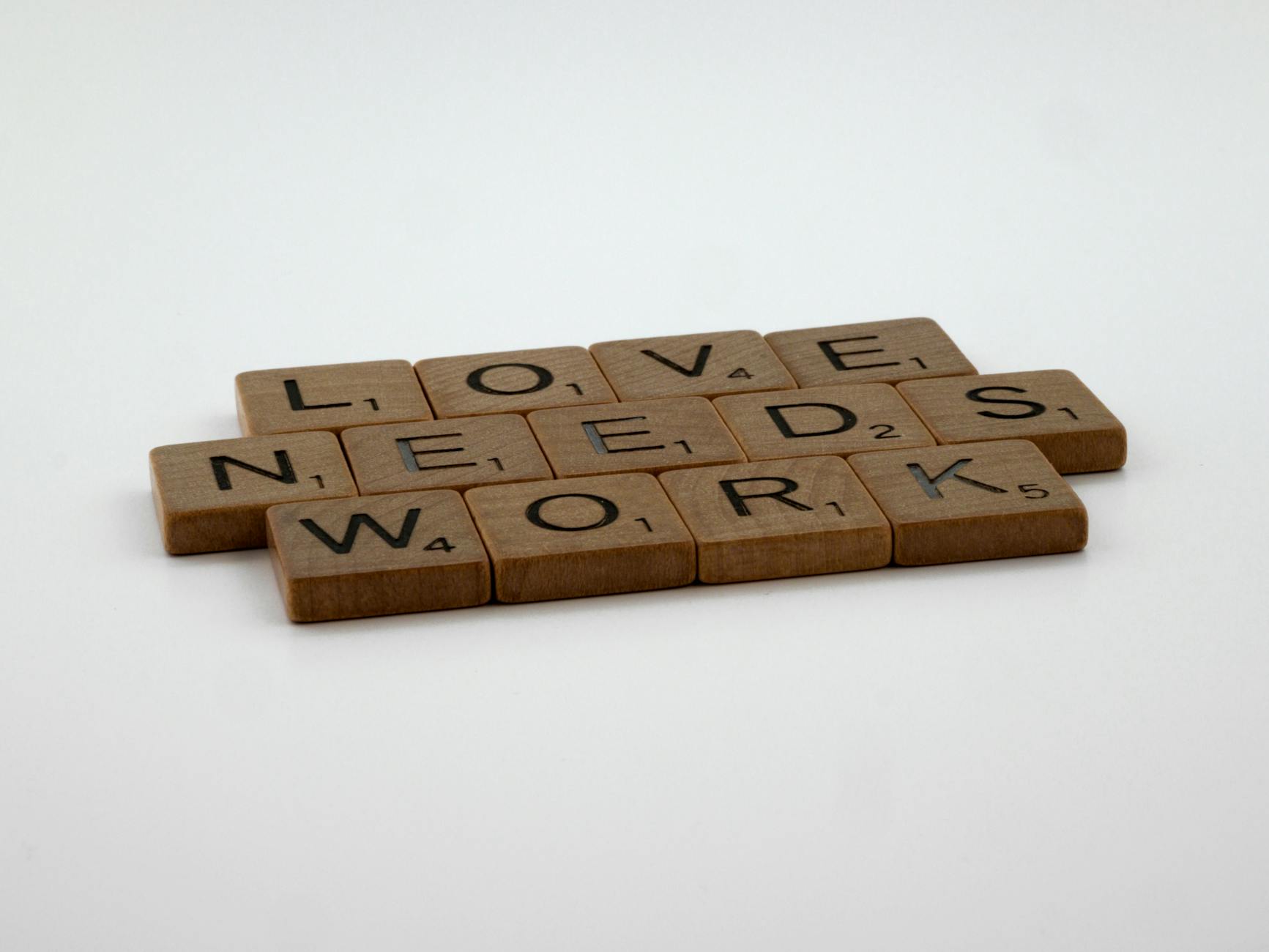
The Ongoing Practice of Expressing Relationship Needs
It's a Marathon, Not a Sprint
Learning to effectively express your needs is not a one-time fix. It's an ongoing practice, a skill that requires consistent effort and refinement. There will be days when you excel at it, and days when you fall back into old habits. The key is to keep showing up, keep trying, and keep learning from your experiences. Think of it as a continuous dating after long break journey, always seeking to reconnect and understand.
This is why regular check-ins are so important. A couple resentment spring check-in, or any dedicated time to talk about how you're both doing, can prevent small issues from snowballing. It’s a proactive approach to maintaining connection and ensuring both partners feel seen and heard.
Celebrate Small Wins
When you successfully express a need and it’s met with understanding and positive action, celebrate that! Acknowledge your effort and your partner's receptiveness. These small victories build confidence and reinforce the positive behavior. It’s easy to focus on what’s still not perfect, but recognizing progress is essential for motivation.
I remember the first time I really nailed expressing a need about needing more quiet time after a particularly demanding week. Instead of my usual passive-aggressive sighing, I calmly said, "Hey, I'm feeling really drained today. I'd love to have an hour to myself after dinner to just unwind with a book." My partner didn't get defensive; she simply said, "Okay, great idea. I'll make sure we have that quiet time." That small moment of being heard and supported was a huge win. It felt amazing.
The Reward: Deeper Connection and Fulfillment
The effort you put into learning how to express relationship needs pays dividends. It leads to a deeper, more authentic connection with your partner. When you can be open about your inner world, your partner can truly understand and support you. This fosters trust, strengthens intimacy, and ultimately creates a more fulfilling and resilient relationship. It’s about building a partnership where both of you can truly flourish. As research from Psychology Today often emphasizes, open communication is the bedrock of lasting love.
Don’t let fear or old habits keep you from experiencing the richness that comes from truly knowing and being known by the person you love. Start today. Pick one small need, one moment, and practice speaking your truth with kindness and clarity. You might be surprised at the positive ripple effect it has.