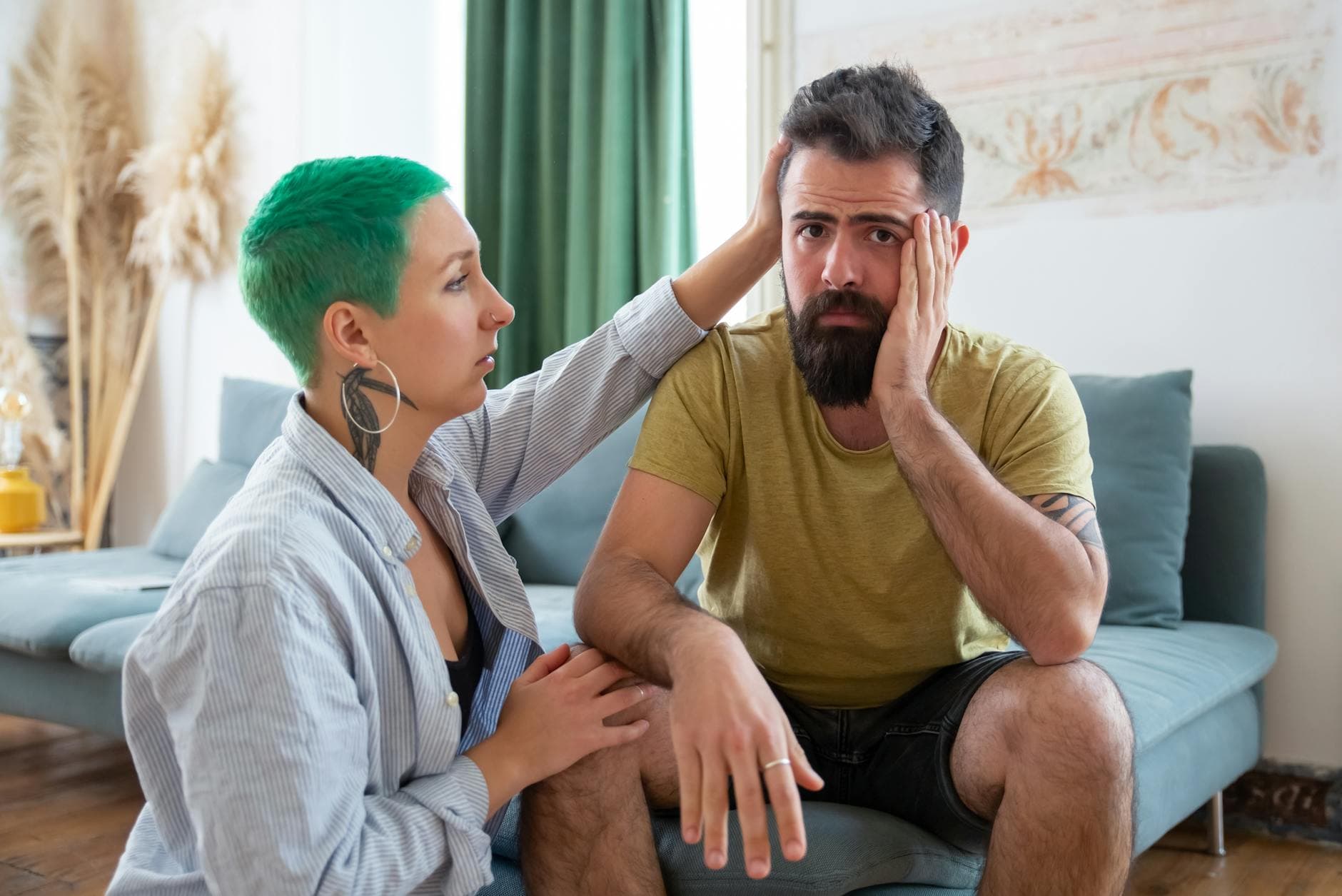
Have you ever found yourself staring at a relationship, wondering if the calm you feel is genuine peace or just the quiet before a storm? It's a question that has echoed through my own life, and I suspect, through yours too. We spend so much time dissecting the "red flags," the glaring warning signs that scream "run," that we often overlook the quiet, steady hum of what's actually working. This is where understanding the concept of a **green flags relationship** becomes not just helpful, but essential for building something lasting and truly fulfilling.
The Silent Strength of Green Flags
For years, my focus was on avoiding disaster. I’d meticulously catalog every perceived slight, every questionable habit, as if I were a detective hunting for evidence of impending doom. It’s easy to get caught up in that narrative, especially with all the noise out there about what can go wrong. But here's the thing: constantly scanning for threats can blind you to the very foundations of a healthy connection. Positive relationship signs aren't just the absence of negativity; they are active, vibrant indicators of a thriving partnership.
What Are Green Flags, Really?
The term "green flags" might sound a bit buzzwordy, but at its core, it represents genuine, positive indicators that a person or a relationship is healthy and has the potential to grow. It’s about recognizing the good, the supportive, the things that make you feel safe and seen. Think of them as the sturdy beams and solid foundations of a house, rather than just the absence of cracks in the wall.
Shifting Your Perspective
It's not about ignoring potential issues, but about rebalancing your focus. If you're only looking for what *could* go wrong, you'll miss the incredible strength that's already present. This shift in perspective is crucial for truly understanding your relationship dynamics.
Why Green Flags Matter More Than You Think
When you actively look for and acknowledge green flags in a partner, you’re not just being optimistic; you’re building a more resilient relationship. These positive signs create a reservoir of goodwill and trust that can help you navigate the inevitable challenges that life throws your way. This is where you start to build something truly substantial.

The Pillars of a Healthy Partnership
When I think back on relationships that have truly flourished, and even those that have weathered tough times with grace, certain consistent traits emerge. These aren't flashy, grand gestures, but the quiet, consistent behaviors that build a robust connection. These are the bedrock of any enduring bond, the essential components that make a relationship feel safe and nurturing.
Healthy Communication Habits
This is, without a doubt, the most critical element. It’s not just about talking; it’s about *how* you talk and, perhaps even more importantly, how you listen. I used to think that just getting my point across was enough, but I learned the hard way that true communication is a two-way street, paved with empathy and understanding.
Active Listening
Does your partner truly hear you? Do they ask clarifying questions instead of just waiting for their turn to speak? Active listening is a profound sign of respect and care. It means they are invested in understanding your perspective, even if they don't immediately agree. This is a cornerstone of good partner qualities.
Openness and Honesty
Can you share your thoughts and feelings without fear of judgment or ridicule? A partner who encourages honesty, even when it's difficult, is a treasure. This fosters an environment where vulnerability is safe, which is essential for deep connection.
Conflict Resolution Skills
Disagreements are inevitable. What matters is how you navigate them. Do you attack each other, or do you work together to find a solution? The Gottman Institute research on green flags relationship consistently highlights effective conflict resolution as a key indicator of long-term success. They emphasize that it's not about avoiding conflict, but about managing it constructively.
Emotional Intelligence and Empathy
This one surprised me for a long time. I'd confuse emotional intelligence with simply being nice. But it's so much more. It's about understanding your own emotions and being attuned to the emotions of others.
Understanding and Validation
Does your partner try to understand your feelings, even if they don't fully grasp the situation? Do they validate your emotions by saying things like, "I can see why you'd feel that way," rather than dismissing them? This is a powerful green flag, signaling a deep capacity for care.
Self-Awareness
A partner who is aware of their own triggers, their own patterns of behavior, and their impact on you is incredibly valuable. They can take responsibility for their actions, which is a huge step towards building trust.
Support During Difficult Times
When life gets tough, and it will, how does your partner respond? Are they a source of comfort and support, or do they withdraw or blame? This is where you see the true strength of their character and their commitment to you.
Respect and Admiration
This might seem obvious, but it's often overlooked in the minutiae of daily life. Do you genuinely respect each other? Do you admire qualities in your partner that you aspire to, or that you simply appreciate?
Mutual Respect
This means valuing each other’s opinions, boundaries, and individuality. It’s about treating each other with dignity, even during disagreements. You’ve probably noticed that when respect is present, everything else feels a bit easier.
Appreciation for Differences
A healthy relationship doesn't mean you have to be identical. It means appreciating the ways you complement each other, even if you approach things differently. This acceptance is a beautiful thing.
Celebrating Each Other's Successes
Are you genuinely happy for your partner’s achievements, big or small? Do you cheer them on? This is a powerful indicator of a supportive partnership.

The Unexpected Green Flags That Make a Difference
Beyond the foundational elements, there are often smaller, less obvious signs that can signal a truly thriving connection. These are the subtle cues that, when you start noticing them, make you feel a profound sense of peace and security. I’ll be real with you, some of these I didn't even recognize as important until much later in my own journey.
Reliability and Consistency
This is more than just showing up on time. It's about knowing you can count on your partner, not just for big things, but for the everyday promises. Are they consistent in their words and actions? This builds a deep sense of security.
Following Through on Commitments
Did they say they'd call, and they did? Did they promise to help with a task, and they followed through? This consistency is a quiet but powerful green flag.
Being Present
When you’re spending time together, are they truly present, or are they constantly distracted by their phone or other worries? Being mentally and emotionally present is a huge sign of respect and care.
Shared Values and Future Vision
While you don't need to agree on everything, having a shared sense of what's important in life can be a significant green flag. This includes your outlook on fundamental aspects of life and your aspirations for the future.
Alignment on Core Beliefs
Do you share similar views on family, finances, ethics, or personal growth? While differences can be healthy, a significant misalignment on core values can create long-term friction.
Planning for the Future Together
Do you talk about your future? Do you feel like you're building something together? The ability to discuss and plan your future goals as a couple is a strong indicator of commitment and a shared vision.
Personal Growth and Independence
A healthy partner doesn't lose themselves in the relationship. They continue to grow as individuals, and they support your growth too.
Encouraging Individual Pursuits
Does your partner support your hobbies, friendships, and career aspirations, even if they don't directly involve them? This shows they value your autonomy and happiness.
Taking Responsibility for Their Own Happiness
A partner who relies on you for their entire sense of well-being can be a burden. Someone who cultivates their own joy and fulfillment is a much healthier prospect.
Humor and Playfulness
Never underestimate the power of laughter. A shared sense of humor and the ability to be playful together can be a huge stress reliever and a sign of a deep, comfortable connection.
Ability to Laugh at Themselves
Someone who can’t laugh at their own missteps can be rigid. Partners who can find humor in life's absurdities often handle challenges with more grace.
Shared Joy and Lightheartedness
Do you have inside jokes? Do you enjoy simply being silly together? This lightheartedness is a vital ingredient for sustained happiness.

Here's the Truth About Green Flags
What nobody tells you is that identifying green flags isn't about finding a perfect person or a flawless relationship. It's about recognizing the *potential* and the *effort* that’s being made. It's about seeing the genuine goodness and the commitment to building something healthy, even amidst imperfections. You might be wondering if your relationship has enough of these. Think about the last time you had a conversation about your needs. Did your partner genuinely try to understand, or did they get defensive? That's a key moment to observe.
The Nuance of Observation
It’s easy to get caught up in the grand gestures, but the real magic of green flags often lies in the small, consistent actions. For instance, seeing your partner consistently respond with patience when you’re stressed, rather than irritation, speaks volumes. This is a testament to their emotional intelligence and their commitment to your well-being.
The Role of External Validation (or Lack Thereof)
Sometimes, we look to others for validation of our relationship. While external perspectives can be helpful, true green flags are those you recognize intrinsically. You don't need someone else to tell you your partner is good for you; you feel it. This is supported by Psychology Today research on green flags relationship, which often emphasizes the internal sense of security and well-being.
Building Trust Through Consistency
The most powerful green flags are those that are consistently displayed over time. A single instance of kindness is lovely, but a pattern of kindness, respect, and support is what truly builds trust. This aligns with how couples build trust through repeated positive interactions.

Navigating Your Relationship with a Green Flag Lens
So, how do you actually use this knowledge? It’s about conscious observation and open conversation. Don't just collect these signs like trophies; use them as fuel for connection and as a basis for deeper understanding. When you notice a green flag, acknowledge it. Tell your partner what you appreciate. This positive reinforcement is incredibly powerful.
Appreciating the Good
Make it a practice to vocalize your appreciation for the green flags you observe. Phrases like, "I really appreciate how you listened to me earlier," or "It means a lot that you remembered that detail," can strengthen your bond significantly. This is part of what fosters spring marriage joy – actively nurturing the positive.
Discussing Your Needs and Observations
Don't be afraid to have conversations about what you need in a relationship and what you observe. This doesn't have to be a confrontation. It can be a gentle sharing of what makes you feel loved and secure. For example, discussing your renovation communication needs can be a practical application of this.
Using Green Flags as a Compass
When you encounter challenges, look back at the green flags. Remind yourself of the strengths of your partnership. This can provide perspective and resilience. It’s like having a compass that points towards what’s working, even when the path gets a bit foggy.
Knowing When to Seek Further Guidance
While green flags are wonderful, they don't mean a relationship is immune to problems. If you find yourself consistently struggling with communication, conflict, or understanding each other's needs, seeking professional guidance from a therapist or counselor can be incredibly beneficial. Healthline research on green flags relationship often points to the importance of seeking help when needed.
Ultimately, building a strong relationship is an ongoing process of growth, understanding, and mutual effort. By actively looking for and nurturing the green flags, you're not just avoiding the bad; you're cultivating the good, creating a space where love can truly flourish. This mindful approach to relationships is what transforms a connection from something merely pleasant to something deeply enriching and enduring.