The Shifting Sands of the Post Pandemic Family
There's this idea floating around that once the lockdowns lifted and masks became optional, families just snapped back to how things were. It's a nice thought, a comforting illusion, but honestly, it's not the reality for most of us. The truth is, the "post pandemic family" is a new entity, shaped by shared experiences, lingering anxieties, and a profound re-evaluation of what truly matters. We’re not just picking up where we left off; we’re navigating a landscape that’s been permanently altered. The challenges of post pandemic family life are real, and acknowledging them is the first step toward building something stronger.
Unpacking the Pandemic's Legacy
The pandemic wasn't just a blip; it was a seismic event for families. It forced us into close quarters, stripped away our usual routines, and amplified both our strengths and our fragilities. Think about it: for months, the entire world was on pause. Kids were home from school, parents were juggling work and childcare (often simultaneously), and the constant hum of uncertainty was always in the background. This collective trauma, even for those who didn't experience direct loss, has left indelible marks on our family dynamics.
The Unexpected Gifts and the Lingering Scars
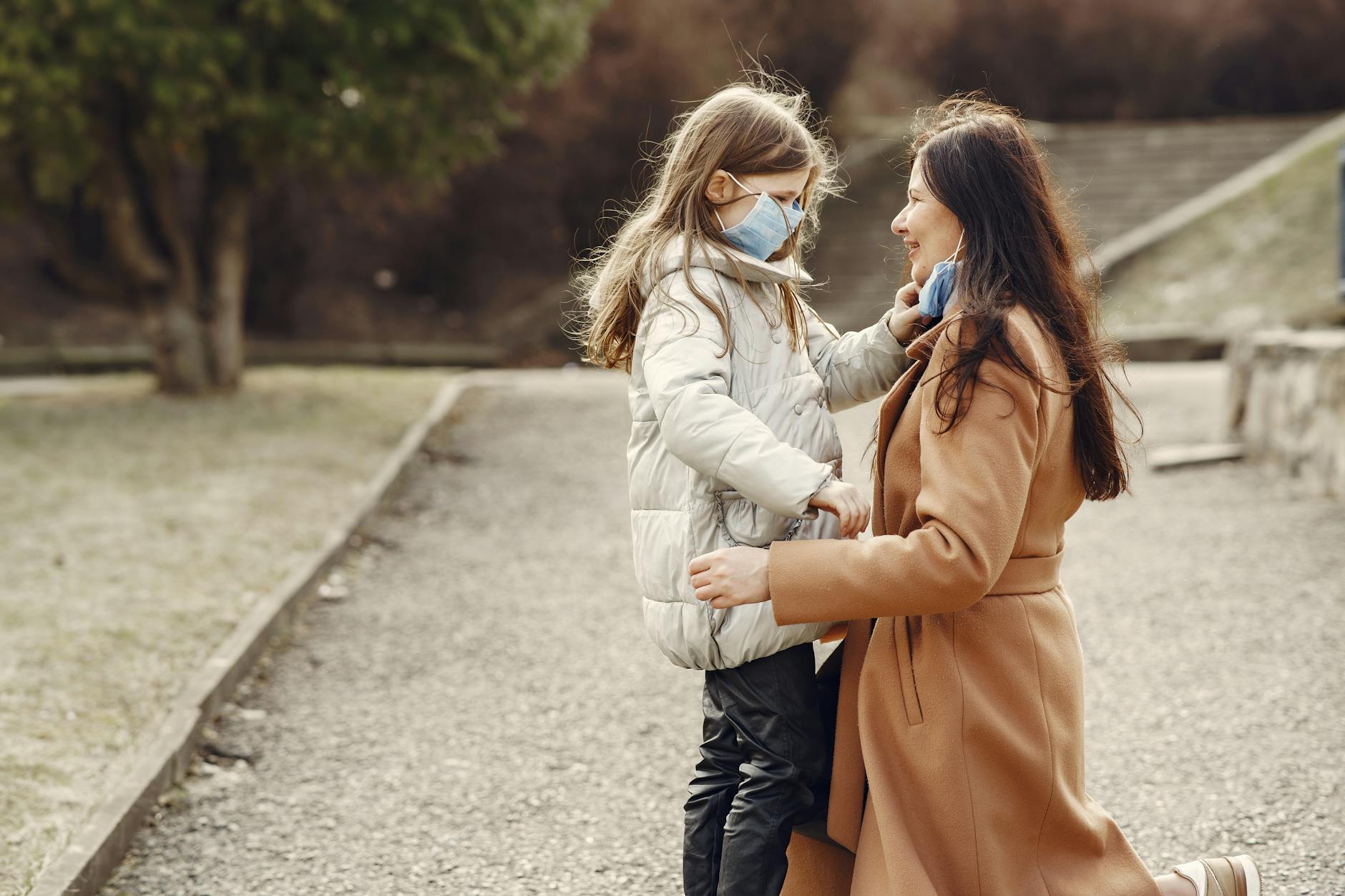
Many families discovered a newfound appreciation for simple moments, for shared meals without rushing out the door, for spontaneous game nights. This forced slowdown offered a chance to connect on a deeper level, to witness our children’s learning and development in real-time, and to perhaps even discover shared interests we’d long neglected. Yet, alongside these positive shifts, there are the undeniable scars. Increased family stress covid put a strain on even the most robust relationships. Children’s mental health took a hit, with many struggling with social isolation and academic disruption. Parents, too, felt the immense pressure, leading to burnout and a sense of being constantly overwhelmed.
Navigating Spring's Renewed Challenges
As spring arrives, bringing with it longer days and a sense of renewal, it also highlights the ongoing adjustments for the post pandemic family. The world is opening up again, but our families might not be ready for the same pace or the same social demands. This is where family dynamics spring can feel particularly tricky. We're trying to re-engage with the outside world, but we've grown accustomed to a different rhythm at home.
The Re-Entry Paradox
The pressure to "get back to normal" can be immense. You might feel obligated to fill your calendar with activities, to resume old social commitments, and to push your children back into their pre-pandemic routines. But what if those routines no longer serve your family? What if your children are more anxious about large gatherings, or you’ve discovered a precious peace in a slower lifestyle? This re-entry paradox is a significant spring family challenges. It requires honest conversations and a willingness to set boundaries, even when it feels uncomfortable.
Seasonal Adjustments and Expectations
Spring often brings with it the expectation of outdoor adventures and family trips. While these can be wonderful opportunities for reconnecting family post covid, it's crucial to manage expectations. If your family has been through significant upheaval, a grand European vacation might feel overwhelming rather than restorative. Perhaps smaller, more manageable outings are the order of the day. Think local hikes, park picnics, or even just extended backyard play. These smaller moments, when approached with intention, can be incredibly powerful for rebuilding family bonds.
Rebuilding and Reconnecting: The Core of the Post Pandemic Family
The most important work for any post pandemic family right now is intentional reconnection. The pandemic forced us together, but it also created invisible barriers due to stress and isolation. Now, it’s about actively choosing to bridge those gaps. This isn't about pretending the difficult times didn't happen; it's about acknowledging them and using that awareness to foster deeper connection.
The Art of Active Listening
Effective communication has always been key in any relationship, but after the pandemic, it’s paramount. We need to practice active listening, truly hearing what our family members are saying (and not saying). This means putting down our phones, making eye contact, and validating their feelings, even if we don't fully understand them. For children, especially, expressing their anxieties or fears can be difficult. Creating a safe space where they feel heard without judgment is a cornerstone of parenting after pandemic.
Shared Experiences, New Traditions
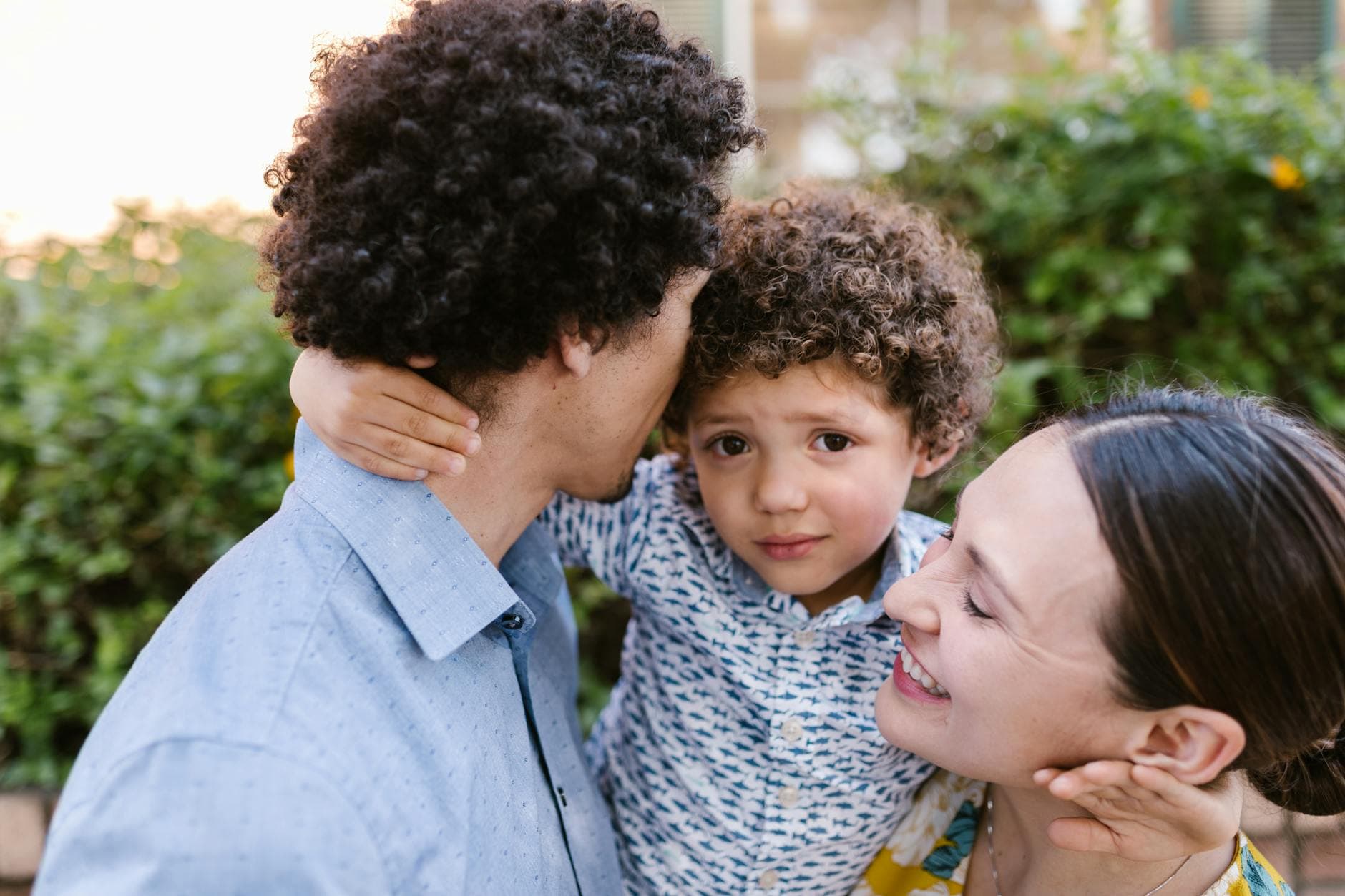
Think about the last time you truly shared an experience, not just coexisted in the same space. Reconnecting family post covid often involves creating new shared experiences or reviving old ones with a fresh perspective. This could be as simple as a weekly family board game night, a shared cooking project, or even a dedicated "tech-free" hour each day. The goal isn't elaborate outings, but consistent, quality time that fosters a sense of belonging and strengthens your collective identity. I’ll be real with you, I used to think grand gestures were what mattered most, but I’ve learned that the small, consistent moments of connection build the strongest foundations.
Addressing the Lingering Stressors
The emotional toll of the pandemic cannot be overstated. Many families are still grappling with the fallout, and it’s essential to address these issues head-on. Ignoring the underlying stress will only allow it to fester, potentially leading to greater family stress covid and conflict down the line.
Prioritizing Mental Health Support
Recognizing the signs of stress and anxiety in ourselves and our family members is crucial. This is where mental health support family becomes not a luxury, but a necessity. Don't hesitate to seek professional help if you're struggling. Therapists can provide invaluable tools and strategies for managing anxiety, processing trauma, and improving communication. The Gottman Institute research on post pandemic family, for example, highlights the importance of seeking support when navigating these complex emotional landscapes. Remember, seeking help is a sign of strength, not weakness.
Finding Healthy Outlets for Conflict Resolution
Disagreements are inevitable in any family, but the pandemic may have exacerbated existing tensions or created new ones. Learning to navigate communication family stress effectively is vital. This means approaching conflicts with a desire to understand, rather than to win. It involves setting ground rules for discussions, taking breaks when emotions run high, and focusing on solutions rather than blame. If conflict feels overwhelming, consider seeking guidance from a family therapist. Sometimes, professional intervention can provide the neutral ground needed to declutter relationship conflict and find common ground.
Embracing the Future of Your Family
The journey of the post pandemic family is ongoing. There's no magic switch that will instantly return things to "normal." Instead, it's a continuous process of adaptation, communication, and intentional connection. This is your opportunity to consciously build the family life you want, one that is resilient, connected, and filled with shared joy.
Cultivating Resilience Through Shared Purpose
Resilience isn't about avoiding hardship; it's about how we navigate it together. For the post pandemic family, cultivating resilience means fostering a sense of shared purpose. What are your family's values? What do you want to achieve together? When you have a common goal, even a simple one like supporting each other through a busy week, it strengthens your collective bond and makes you better equipped to handle future challenges. This is a critical aspect of children's mental health covid recovery, as a strong family unit provides a vital sense of security.
Seasonal Activities as Reconnection Tools
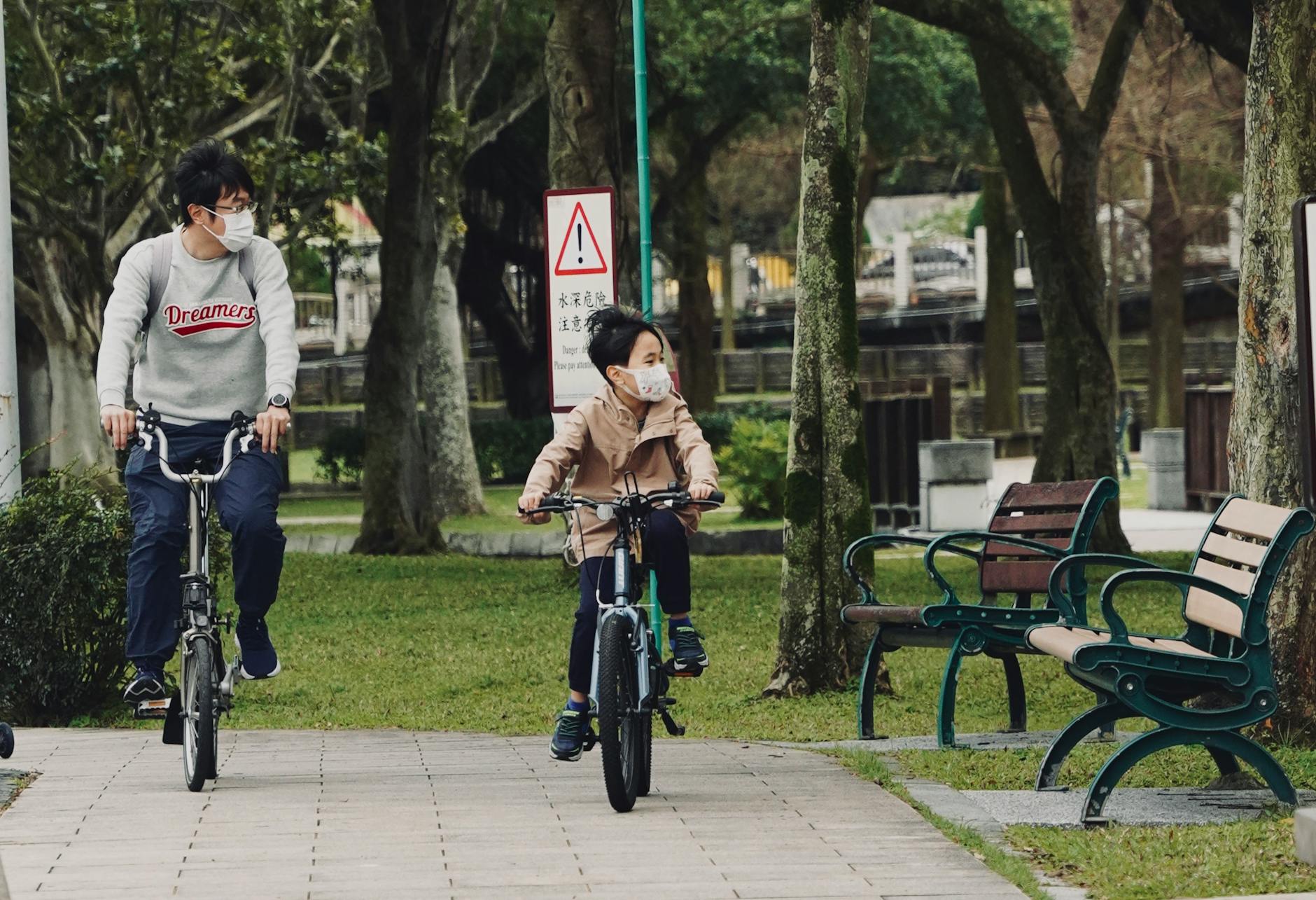
As the seasons change, so too can our approach to family time. Spring, with its promise of renewal, is an ideal time to explore new seasonal family activities. This could involve starting a family garden, planning weekend bike rides, or even just dedicating a specific afternoon each week to exploring a local park. These activities aren't just about fun; they are intentional opportunities for reconnecting family post covid and creating new, positive memories. Think about the joy of a simple picnic, or the laughter that erupts during a spontaneous game of tag. These are the building blocks of lasting family bonds.
A Personal Reflection on Shifting Priorities
Honestly, the pandemic flipped my own family's script. I used to be so focused on achievement and external validation. But being forced to slow down made me realize that the most valuable things are the everyday moments of connection. We learned to appreciate quiet evenings, to celebrate small victories, and to lean on each other when things got tough. The post pandemic family isn't a step backward; it's an evolution. It’s a chance to redefine what family means to you, to prioritize what truly nourishes your relationships, and to build a future that’s grounded in love, understanding, and genuine connection. This intentional rebuilding is key to preventing marriage tune up needs down the road and ensuring lasting happiness. The work of rebuilding family bonds is ongoing, but the rewards are immeasurable.