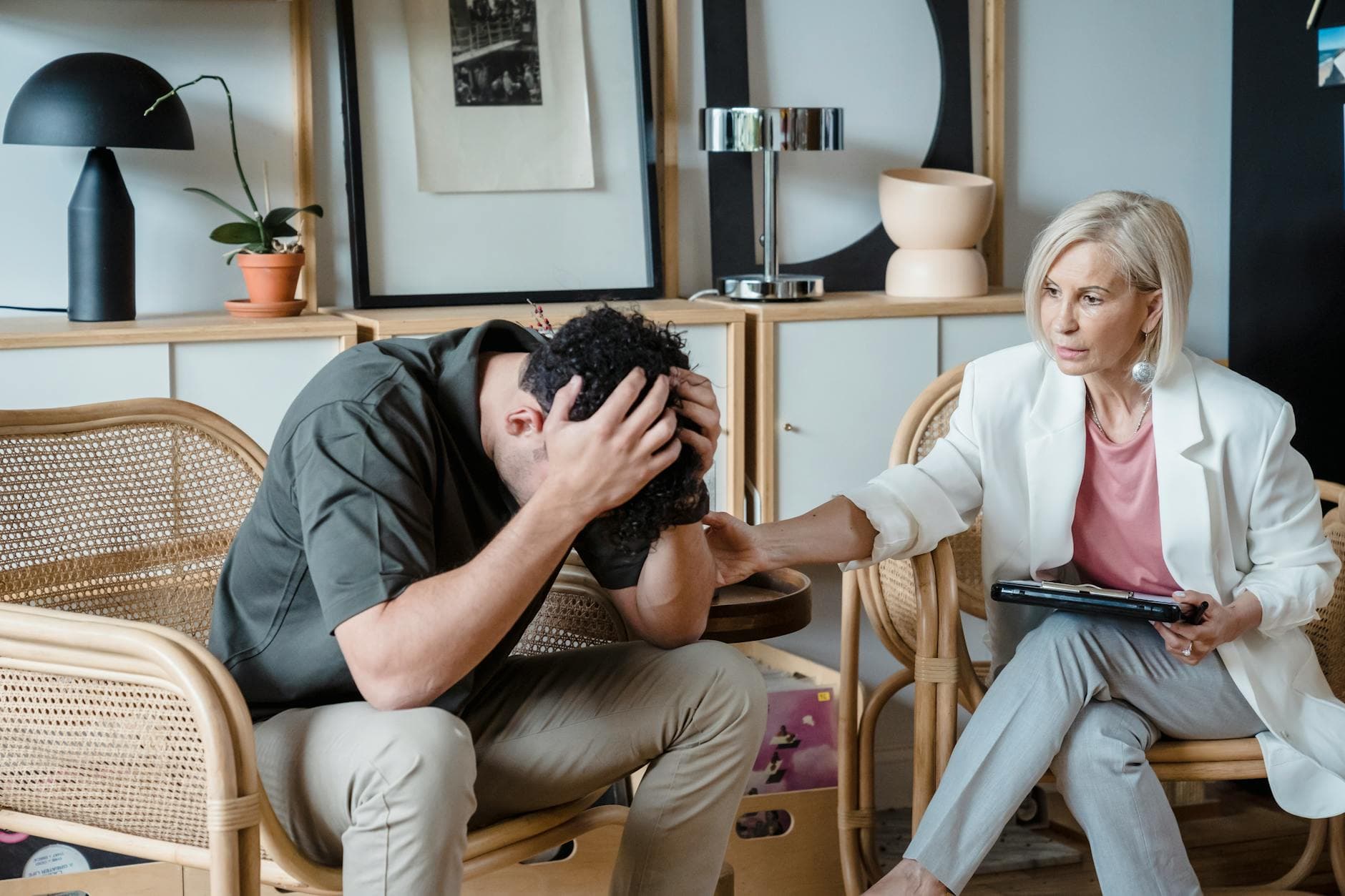
It’s a common misconception that Seasonal Affective Disorder, or SAD, only affects a small, highly sensitive segment of the population. Honestly, I used to think that too. But here's the truth that might surprise you: studies suggest that up to 10% of people experience full-blown SAD, and another 10-20% grapple with a milder form of the "winter blues" that significantly impacts their daily lives. That’s a staggering number, meaning you or someone you know is likely feeling the chill of winter deep in their bones, far beyond just the temperature drop. When the days shorten and the light fades, many of us find ourselves in a genuine struggle, and knowing how to choose therapist seasonal depression becomes an absolutely vital skill.
For years, people dismissed these feelings as just "getting through winter." We'd bundle up, drink more coffee, and wait for spring to magically fix everything. But that's not just unhelpful; it's a disservice to our mental well-being. This isn't just about feeling a bit down; it's a real, clinically recognized form of depression, and it deserves real, professional attention. You might be wondering, then, how do you even begin to find the right guide through that seasonal gloom?
Beyond the "Winter Blues": Understanding SAD's True Grip
The term "winter blues" sounds so benign, doesn't it? Like a slight sniffle that clears up with a warm tea. But for those experiencing true Seasonal Affective Disorder, it’s far more insidious. It's a heavy blanket that smothers joy, energy, and motivation, often setting in with the autumn leaves and lifting only with the first blossoms of spring. This isn't merely a preference for sunshine; it's a biological response to reduced light exposure affecting our brain chemistry.
Recognizing the Deeper Symptoms of SAD
Think about the last time you felt truly drained, not just tired. SAD symptoms and diagnosis often include persistent low mood, loss of interest in activities you once loved, changes in appetite (often craving carbs), increased sleep but still feeling unrefreshed, and a profound lack of energy. Some people even notice a distinct shift in their social habits, pulling away from friends and family. It’s a pattern, a cyclical descent into a very specific kind of sadness that often gets mistaken for general fatigue or just a bad mood.
I'll be real with you: ignoring these signs is like ignoring a persistent cough. It might go away, but it might also get worse. Recognizing that what you're feeling is more than just a passing funk is the first, brave step toward finding help. It’s about acknowledging that your mental wellness in winter needs proactive care, not just passive endurance.
Why a Specialized Approach Matters for Seasonal Depression
Here’s the thing about SAD: while it shares characteristics with other forms of depression, its seasonal nature and specific triggers mean that a therapist who understands these nuances can make a world of difference. They won't just treat "depression"; they'll treat seasonal depression, considering factors like light exposure, circadian rhythms, and the psychological impact of recurring seasonal changes. This targeted expertise is paramount when you're looking to choose therapist seasonal depression services.

Navigating the Search: How to Choose Therapist Seasonal Depression Expertise
So, you've recognized the pattern, acknowledged the impact, and now you're ready to seek help. Fantastic! This is a pivotal moment. The next step, naturally, is to figure out how to select a SAD therapist who truly gets it. This isn't like picking a coffee shop; it's about finding someone who can help you reclaim your winter months.
Finding a Therapist Who Understands Seasonal Affective Disorder
Start your search by looking for professionals who explicitly mention experience with Seasonal Affective Disorder or related mood disorders in their profiles. Many therapists specialize, and finding one with specific knowledge of National Institutes of Health research on choose therapist seasonal depression is a huge advantage. You want someone who understands the interplay of serotonin, melatonin, and light, not just general depressive symptoms. Ask about their approach to seasonal affective disorder treatment options right from the start.
Consider using online directories like Psychology Today research on choose therapist seasonal depression, filtering by specialties. This can help you find therapist winter blues experts who are ready to address your specific concerns. Don't be afraid to cast a wide net initially; you're gathering information, not committing to the first person you speak with.
The Power of Specific Therapeutic Modalities for SAD
What nobody tells you often enough is that not all therapy is created equal, especially when it comes to specific conditions. For SAD, certain modalities have shown particular efficacy. Cognitive Behavioral Therapy (CBT) for SAD is often a frontline recommendation because it helps you identify and challenge negative thought patterns and behaviors that emerge during the darker months. It's practical, skills-based, and empowers you to make tangible changes.
Another powerful tool is Interpersonal Therapy (IPT), which focuses on improving your relationships and social functioning – areas often hit hard by seasonal withdrawal. Some therapists might also integrate elements of Acceptance and Commitment Therapy (ACT) to help you accept difficult feelings while committing to actions aligned with your values, even when motivation is low. When you find therapist winter blues, ask them about their preferred methods.
Considering Online Therapy for SAD
Here's a practical consideration: the very nature of seasonal depression can make leaving the house feel like an insurmountable task. This is where therapy for winter apathy, specifically online therapy for SAD, shines. It removes the barrier of travel, allowing you to connect with a therapist from the comfort and warmth of your home. This convenience can be a game-changer, ensuring you don't miss crucial sessions simply because the thought of facing the cold or traffic is too much.
Online therapy also broadens your access to specialists. If you live in a rural area or a place with fewer mental health professionals, online platforms can connect you with the best therapist for winter anxiety regardless of geographical limitations. It's an incredible resource that wasn't widely available even a decade ago, and it's something I genuinely advocate for.

Your First Steps: Interviewing Potential Therapists
Think of your initial consultations not as interviews where you're being judged, but as interviews where you are the interviewer. You're assessing if this person is the right fit to help you overcome winter perfectionism or other seasonal challenges. This is your mental health, and you deserve to be discerning.
Essential Questions to Ask a Therapist About SAD
When you're looking to choose therapist seasonal depression specialists, be prepared with questions. Ask them directly: "What is your experience treating Seasonal Affective Disorder?" Inquire about their specific treatment approaches. Do they incorporate light therapy for depression recommendations, even if they don't provide the lamps themselves? Do they discuss lifestyle adjustments like diet, exercise, and sleep hygiene?
You might also ask about their philosophy on medication for SAD, as some individuals find antidepressant medication helpful, especially in severe cases. A good therapist will be open to discussing all options and collaborating with your primary care physician or a psychiatrist if medication seems appropriate. Don't hesitate to ask about their availability, fees, and whether they offer a sliding scale, as these practicalities are just as important.
Assessing the "Fit" and Therapeutic Alliance
Beyond credentials and techniques, the most crucial factor is the therapeutic alliance – that feeling of connection, trust, and understanding between you and your therapist. Do you feel heard? Do they seem empathetic? Do you feel comfortable opening up to them?
This one surprised me when I first started in this field. I used to think it was all about the "right" technique. But research consistently shows that the strength of the therapeutic relationship is a powerful predictor of successful outcomes, sometimes even more so than the specific modality used. If you don't feel a connection, it's okay to keep looking. Your intuition is a powerful guide here.


Beyond Therapy: Holistic Strategies for Winter Wellness
While finding the right therapist is a monumental step, remember that managing seasonal depression is often a multi-pronged approach. Therapy provides the framework and tools, but your daily choices play a significant role in your mental wellness in winter.
Integrating Lifestyle Adjustments with Professional Help
Your therapist will likely discuss lifestyle adjustments, but it's important to start thinking about them now. Regular exposure to bright light, especially in the morning, can be incredibly beneficial. Investing in a light therapy lamp, often called a "light box," is a scientifically-backed intervention that many find highly effective. Aim for 20-30 minutes daily, ideally first thing in the morning.
Prioritizing consistent sleep, maintaining a balanced diet, and engaging in regular physical activity are also critical. Even a short walk outdoors, especially on a sunny day, can make a difference. These aren't just "nice to haves"; they are essential components of seasonal affective disorder treatment options.
Building a Support System and Practicing Self-Compassion
Winter can be isolating, making it easy to withdraw. Actively work to maintain social connections, even when you don't feel like it. Reach out to friends, join a club, or consider couples therapy winter communication if seasonal changes are straining your relationships. Remember, you're not alone in this struggle.
Most importantly, practice self-compassion. This isn't your fault. You're dealing with a legitimate medical condition, and it's okay to not be okay. Be kind to yourself, acknowledge your feelings, and celebrate every small step you take toward feeling better. Finding the best therapist for winter anxiety is a gift you give yourself, a profound act of self-care that can transform your darkest months into periods of growth and resilience. It's a journey, and you deserve to have the best guide by your side.