
The Astonishing Truth About Why Couples Fight (And How to Stop)
Did you know that over 40% of couples experience significant relationship distress stemming from communication issues? That’s not a small number. It’s a staggering statistic that whispers a truth many of us try to ignore: the way we talk, or *don't* talk, to our partners is often the single biggest predictor of our relationship's health. My fascination with couples counseling communication began not in a sterile office, but in the trenches of my own life and observing countless others. It's a topic that can feel daunting, even overwhelming, but here’s the thing: understanding it is the first, most powerful step toward a more connected, fulfilling partnership.
The Silent Killer: What's Really Happening When Communication Breaks Down
We often think of big fights as the problem. The shouting matches, the slammed doors. But the real damage? It’s usually far more insidious, a slow erosion of understanding and intimacy. This isn't about who's right or wrong; it's about how we navigate the inevitable bumps in the road together. When communication falters, so does trust, and without trust, a relationship begins to crumble.
The Subtle Signs of a Communication Breakdown
You might not realize it's happening until it's almost too late. Those little annoyances that used to be easily brushed aside can fester. You start to feel unheard, unseen, even invisible. It's a creeping dread, a growing distance that feels impossible to bridge. This is where the concept of couples therapy communication breakdown becomes so critical to address.
When Silence Becomes the Loudest Sound
Think about the last time you felt truly understood by your partner. Now, think about the last time you felt completely dismissed. The gap between those experiences is where the trouble lies. When silence replaces dialogue, we start to make assumptions, and those assumptions are rarely kind. It’s like a slow leak in a tire; you might not notice it at first, but eventually, you’ll find yourself stranded.

Beyond the Blame Game: Why Couples Counseling Communication is Your Superpower
Many people shy away from couples counseling, perhaps fearing it’s a sign of failure. I'll be real with you: it’s the opposite. Seeking support is an act of incredible strength and commitment. It's about recognizing that even the strongest relationships benefit from expert guidance, especially when it comes to mastering the art of talking to each other.
The Transformative Power of a Neutral Space
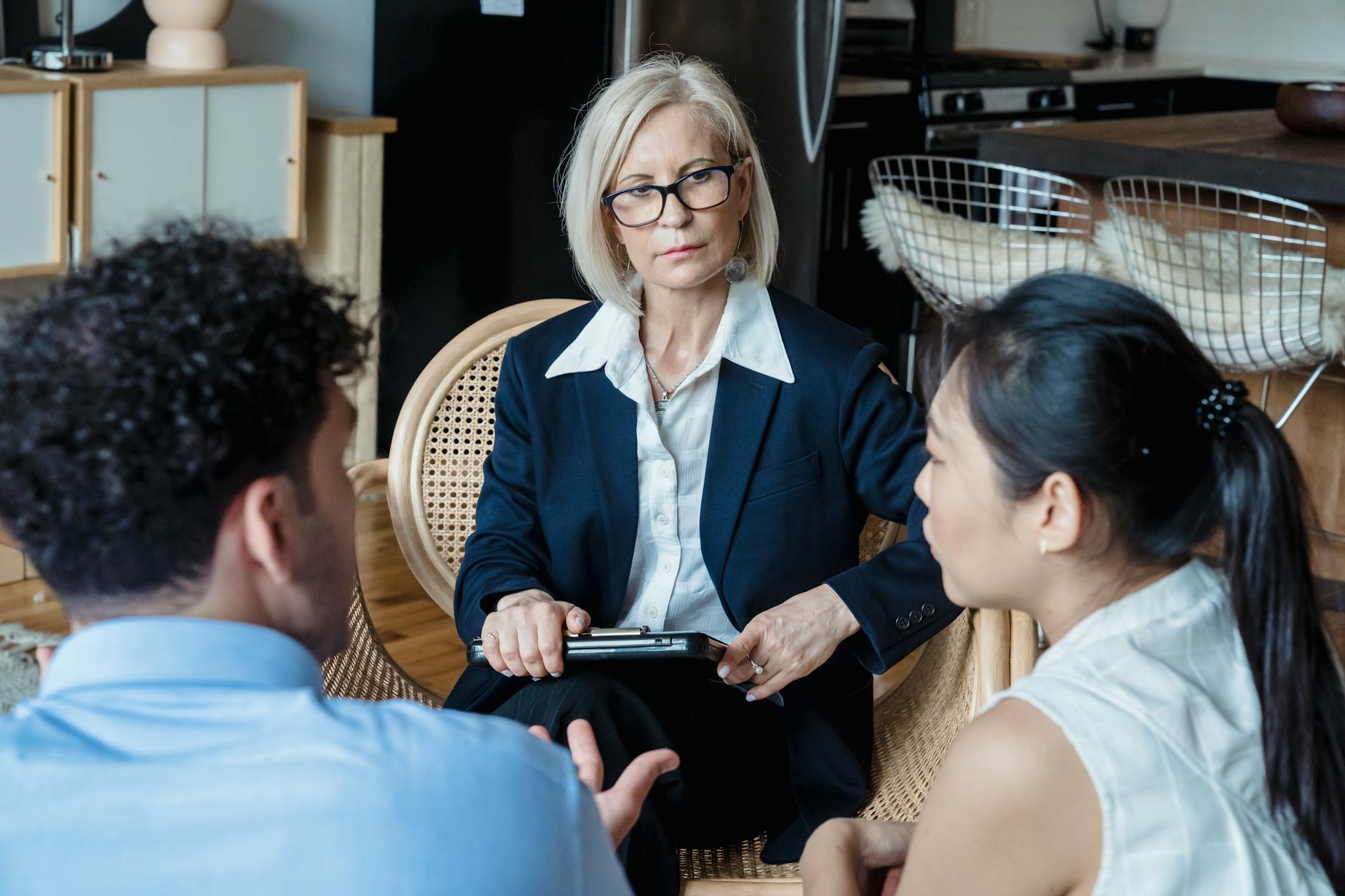
A therapist isn't there to take sides. Their role is to create a safe harbor where both partners can express themselves without judgment. This neutral ground is incredibly liberating. It allows for vulnerability that might be impossible to achieve at home, surrounded by years of ingrained patterns.
How a Therapist Guides the Conversation
Imagine trying to untangle a knot with someone you're already frustrated with. It's a recipe for disaster. A therapist acts as a skilled facilitator, helping you both to see the knot from different angles and providing the tools to gently loosen it, strand by strand. They don't just listen; they help you both *hear* each other. This is the heart of effective couples counseling communication.
The Unseen Benefits: Relationship Repair and Growth
The benefits extend far beyond just resolving immediate conflicts. You’ll learn to anticipate potential misunderstandings, develop empathy, and build a deeper, more resilient connection. It’s about building a toolkit for a lifetime of healthy interaction, not just fixing a single problem.

Navigating the Minefield: Common Communication Pitfalls in Marriage
It’s easy to fall into destructive communication patterns, especially in the long haul of marriage. These habits, often developed unconsciously, can create significant rifts. Understanding these pitfalls is the first step in dismantling them.
The Escalation Trap: When Small Issues Become Wars
You know the feeling: a minor disagreement morphs into an all-out war, dredging up every past grievance along the way. This escalation is a classic sign of poor conflict resolution skills. The goal isn't to avoid conflict, but to manage it constructively.
The Art of Active Listening: More Than Just Waiting to Speak
This one surprised me when I first learned about it. Active listening isn't just about nodding your head; it's about truly absorbing what your partner is saying, both verbally and non-verbally. It involves paraphrasing, asking clarifying questions, and demonstrating genuine engagement.
The Silent Treatment: A Weapon of Mass Destruction
Withdrawing from a conversation, giving the silent treatment, is incredibly damaging. It communicates that the other person's feelings or concerns are not important enough to warrant a response. This is a significant communication problem in marriage that erodes connection.

When to Seek Couples Counseling: Recognizing the Red Flags
You might be wondering, "Is our situation bad enough for couples counseling?" That’s a question many couples grapple with. The truth is, the earlier you seek help, the more effective it can be. Don't wait until the cracks are too deep to repair.
The Persistent Feeling of Being Unheard or Misunderstood
If you consistently feel like your partner doesn't "get" you, or if your attempts to communicate are met with defensiveness or dismissal, it’s a strong indicator that professional help is needed. This is a core aspect of couples counseling communication.
The Impact of External Stressors: Winter Relationship Challenges and Beyond
Life throws curveballs. Job loss, illness, family issues, even seasonal changes like the longer nights of winter, can put immense strain on a relationship. If these stressors are consistently leading to communication breakdowns, it’s time to seek support. Think about how often arguments spike during the holidays or when facing significant life changes.
The Erosion of Intimacy and Connection
When communication suffers, so does emotional and physical intimacy. If you find yourselves living parallel lives, avoiding deep conversations, or feeling disconnected from one another, couples counseling can help you rebuild those bridges.
Building Bridges: Effective Communication Strategies for Couples
The good news is that improving couples counseling communication is entirely achievable. It requires intention, practice, and a willingness to learn new skills. These aren't magic tricks; they are proven methods that foster understanding and strengthen bonds.
Mastering the "I" Statement: Owning Your Feelings
Instead of saying, "You always make me feel..." try, "I feel [emotion] when [specific behavior] because [reason]." This shifts the focus from blame to your own experience, making it much harder for your partner to become defensive.
The Power of Scheduled Check-ins
Life gets busy. It's easy to let important conversations slide. Scheduling regular, dedicated time to talk about your relationship – without distractions – can make a world of difference. This isn't a chore; it's an investment.
Embracing Empathy: Walking in Your Partner's Shoes
This is a fundamental aspect of healthy relationships. Making a conscious effort to understand your partner's perspective, even when you disagree, can diffuse tension and foster connection. It’s about seeking to understand before seeking to be understood.
Communication Exercises for Couples: Putting Theory into Practice
Reading about communication is one thing; doing it is another. Here are a few simple exercises you can try:
The "Speaker-Listener" Technique
One partner speaks for a set amount of time (e.g., 3-5 minutes) about a specific topic, while the other partner listens without interrupting. After the speaker finishes, the listener paraphrases what they heard, and the roles are reversed. This ensures both partners feel heard and understood.
The "Appreciation Minute"
At the end of each day, take one minute to express genuine appreciation for something your partner did or said. This simple practice can shift the focus from problems to positives, fostering a more loving atmosphere.
The "Conflict Resolution Plan"
Sit down together when you're calm and create a plan for how you'll handle disagreements. This might include agreeing to take breaks when things get heated, setting a time to revisit the issue later, or agreeing on specific phrases to signal distress.
This approach to couples counseling communication isn't about perfection; it's about progress. It’s about committing to the ongoing work of understanding and cherishing the person you love. Think about the last time you felt truly connected with your partner. What was happening then? Chances are, communication was flowing freely and positively. My hope is that by understanding these principles and practicing these strategies, you can foster that deep connection more consistently. It’s a journey, and one that’s incredibly rewarding. For those seeking deeper insights into personal growth that can positively impact relationships, exploring something like Acceptance and Commitment Therapy can offer valuable tools. Similarly, understanding how to overcome personal hurdles, such as CBT for Spring Procrastination, can free up emotional energy for relationship building. And for those on the cusp of a lifelong commitment, Pre-Marriage Counseling provides a foundational understanding of these vital communication skills. The research from institutions like the National Institutes of Health research on couples counseling communication consistently highlights the importance of these skills. Similarly, insights from Psychology Today research on couples counseling communication often delve into the practical application of these strategies. The American Psychological Association research on couples counseling communication provides a robust understanding of the underlying psychological mechanisms. When facing the slump of Spring Procrastination Therapy, remember that addressing individual challenges can significantly enhance relationship dynamics. Setting clear Therapy Intentions can also guide your journey toward better communication and overall relationship well-being.