
Your Essential Couples Therapy Guide
Did you know that roughly 40-50% of marriages end in divorce? That's a stark statistic, and it often makes people think of couples therapy as a last resort, a Hail Mary pass for relationships teetering on the brink. But here's the thing: it doesn't have to be. This comprehensive couples therapy guide is for anyone who believes their relationship is worth fighting for, regardless of where you are on the spectrum of "struggling" to "just wanting to get even better." Think of it less as an emergency room and more as a well-equipped gym for your partnership. You don't wait until you're completely debilitated to go to the gym, right? The same logic applies to nurturing your most important human connection.
Signs It Might Be Time to Consider Couples Counseling
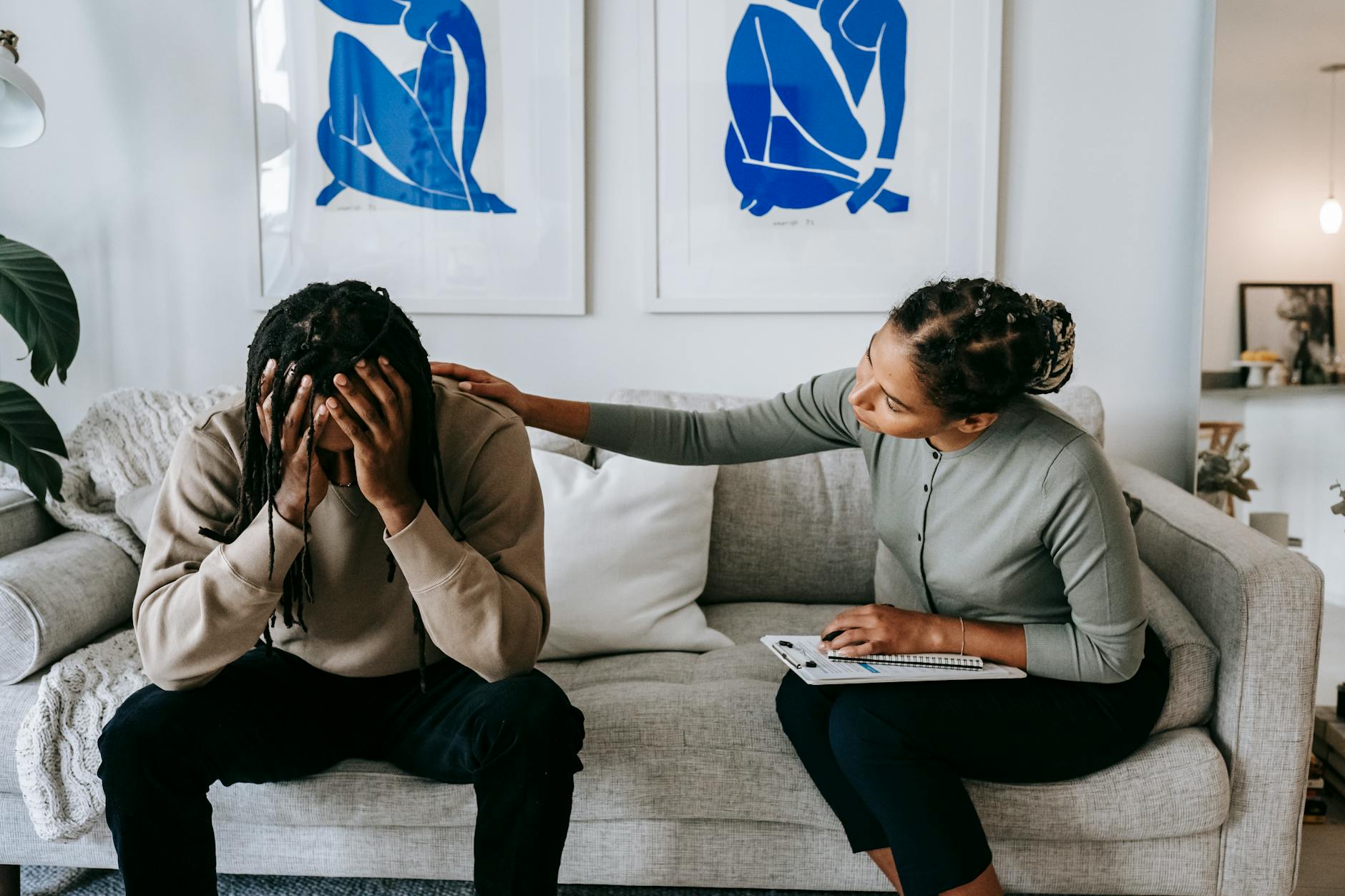
Sometimes, the clearest signs are the ones we try to ignore. You might be telling yourself that things will get better on their own, or that this is just a rough patch. I'll be real with you, some rough patches resolve themselves. But many don't. Recognizing when you need a little outside help is a sign of strength, not weakness.
Communication Breakdown is the Norm
This is probably the most common indicator. When conversations escalate into arguments quickly, or worse, when you stop talking altogether, that's a red flag. It’s not just about yelling; it's also about the silent treatment, passive aggression, or feeling like you're constantly walking on eggshells. You might find yourself saying things like, "We just don't understand each other anymore," or "It feels like we're speaking different languages." This is a core issue that couples therapy is designed to address.
Persistent Conflict and Resentment
Are you finding yourselves rehashing the same arguments over and over? Does a small disagreement quickly spiral into dredging up past hurts? This cyclical conflict can wear down even the strongest bonds. Resentment is like a slow poison; it erodes trust and intimacy, leaving a bitter taste in your mouths. If you're carrying around a mental ledger of every wrong your partner has ever done, it's a sign that something needs to shift.
Loss of Intimacy and Connection
Intimacy isn't just about sex, though that's often a part of it. It's about emotional closeness, feeling seen and understood, and enjoying each other's company. If you feel more like roommates than partners, or if you've stopped sharing your dreams, fears, and daily experiences, the connection is likely suffering. This emotional distance can be incredibly painful and lead to feelings of loneliness within the relationship.
External Stressors Taking a Toll
Major life changes – a new baby, job loss, financial difficulties, illness, or even just the general stress of modern life – can put immense pressure on a relationship. While couples can often weather these storms together, sometimes the strain becomes too much. If these external factors are consistently causing friction and you're not finding healthy ways to cope as a team, it’s a signal that support might be beneficial.
Finding the Right Couples Therapist for You
This is a crucial step. Choosing a therapist isn't like picking a movie off Netflix; it requires a bit more thought. You're looking for someone who can be a neutral, skilled guide to help you navigate your relationship's challenges. The right therapist can make a world of difference.
What to Look for in a Couples Therapist
When you're looking to find couples therapist, consider their experience with relationship issues. Are they trained specifically in couples therapy modalities like Gottman Method, Emotionally Focused Therapy (EFT), or Imago Relationship Therapy? These approaches are evidence-based and have shown significant success. Don't be afraid to ask about their approach and how they handle common issues. It's also important that you both feel a sense of rapport with the therapist. You need to feel safe and heard.
Understanding Different Therapy Options
There are various couples therapy options available. Some therapists specialize in short-term, solution-focused therapy, while others focus on deeper, long-term emotional exploration. Online therapy has also become a popular and accessible option, offering flexibility. Think about what you and your partner are looking for. Do you want to focus on specific communication skills, or do you need to address long-standing emotional wounds? Understanding these nuances can help you in choosing couples counseling.
The Importance of a Good Fit
This is where the "human" element really comes into play. A therapist might be highly qualified, but if you or your partner don't feel comfortable with them, the therapy won't be effective. Consider scheduling initial consultations with a few different therapists to see who feels like the best fit. A good therapist will create a safe space where both partners feel respected and understood, even when discussing difficult topics. This sense of safety is paramount for opening up.
Questions to Ask Potential Therapists
Before committing, have a list of questions ready. Ask about their experience with issues similar to yours, their therapeutic approach, session frequency and duration, and their fees. You might also ask how they handle conflict during sessions or if they have specific techniques for improving communication. This proactive approach ensures you're making an informed decision about who will be guiding you through this process. You can also check out resources like Psychology Today research on couples therapy guide for directories and therapist profiles.

The Couples Therapy Process: What to Expect
Embarking on couples therapy can feel daunting, but knowing what to anticipate can ease some of the anxiety. It's a structured process designed to help you both understand yourselves and each other better.
The Initial Assessment
The first few sessions usually involve an assessment phase. The therapist will want to understand each of your individual perspectives on the relationship, your history, the issues you're facing, and your goals for therapy. This is a time for them to gather information and for you to get a feel for their style. They'll be looking for patterns of interaction, communication styles, and underlying emotional dynamics. It’s important to be as honest as possible during this phase, even if it feels uncomfortable.
Setting Goals Together
Once the therapist has a good understanding of your situation, you'll work together to set clear, achievable goals for therapy. What do you hope to accomplish? Do you want to improve communication, resolve specific conflicts, rebuild trust, or increase intimacy? Having shared goals provides direction and a benchmark for progress. This collaborative goal-setting is a foundational step in effective therapy.
Active Participation and Homework
Couples therapy isn't a passive experience. You'll be expected to actively participate in sessions, share your thoughts and feelings, and listen to your partner. Often, therapists will assign "homework" – exercises or practices to implement between sessions. This could involve specific communication techniques, spending quality time together, or practicing new ways of responding to conflict. This is where the real work happens, applying what you learn in the therapeutic space to your daily lives.
Navigating Difficult Conversations
There will be sessions where emotions run high. Your therapist is trained to manage these moments, helping you to express yourselves constructively and to hear each other without becoming defensive. They act as a mediator, ensuring that both partners have a chance to speak and be heard. This guided process is often what allows couples to tackle issues they've been avoiding for years. It's about learning to fight fair, not about eliminating conflict entirely.
Measuring Progress
Progress in couples therapy isn't always linear. There will be ups and downs. However, you should start to notice positive changes over time. This might include fewer arguments, more constructive disagreements, increased understanding, or a greater sense of connection. Your therapist will periodically check in with you about your progress towards your goals. This can be a powerful motivator.
Beyond the Sessions: Making Therapy Work Long-Term
Couples therapy is a powerful tool, but its effectiveness often depends on what happens *after* you leave the therapist's office. It’s about building sustainable habits for a healthier partnership.
Integrating Skills into Daily Life
The real magic happens when you take the insights and skills learned in therapy and apply them consistently in your everyday interactions. This means practicing active listening, using "I" statements, and making time for connection, even when life gets busy. Think about a time when you've struggled with effective communication in relationships; therapy provides concrete tools to overcome those hurdles.
Continuing the Conversation
Don't let therapy be a one-time fix. Continue to have open and honest conversations with your partner about your feelings and needs. Regularly check in with each other, even if things are going well. This ongoing dialogue prevents small issues from snowballing into major problems. It's about maintaining the momentum you've built.
The Role of Self-Care and Individual Growth
Your individual well-being significantly impacts the relationship. Continuing with individual therapy if needed, practicing self-care, and pursuing personal growth can bring a renewed sense of self to the partnership. When you're feeling more balanced and fulfilled as individuals, you can bring that positivity into the relationship. This is why finding a therapist who also supports individual growth is so important; explore resources like Find a Therapist: Boost Your Mental Health This Spring to support your personal journey.
When to Seek Booster Sessions
Even after completing therapy, it's normal to encounter new challenges or fall back into old patterns. Don't hesitate to reach out for "booster sessions" with your therapist. These can be incredibly helpful for navigating specific issues or reinforcing the skills you've learned. It’s like going back to the gym for a tune-up to keep your fitness level high. Sometimes, a little extra guidance is all you need to get back on track.
The Enduring Benefits of Investing in Your Relationship
Investing time and energy into couples therapy is an investment in the future of your relationship and, by extension, your overall well-being. The benefits extend far beyond simply resolving conflict; they encompass a deeper understanding, stronger connection, and a more resilient partnership.
Enhanced Communication and Understanding
One of the most significant outcomes of couples therapy is learning to communicate effectively. This means not only expressing your own needs and feelings clearly but also developing the ability to truly listen and understand your partner’s perspective. This skill is foundational for navigating all aspects of life together. You might find that you're finally able to discuss sensitive topics without immediate defensiveness.
Rebuilding Trust and Intimacy
For relationships that have experienced betrayal, conflict, or emotional distance, therapy provides a roadmap for rebuilding trust and rekindling intimacy. It offers a safe space to address the hurts, express remorse, and work towards forgiveness. This process can lead to a deeper, more authentic connection than what existed before. The Healthline research on couples therapy guide often highlights these restorative aspects.
A Stronger Foundation for the Future
Ultimately, couples therapy equips you with the tools and insights to build a more resilient and fulfilling relationship. It's about creating a partnership that can weather life's inevitable storms and celebrate its joys together. The skills learned can benefit not only your romantic relationship but also your interactions with family and friends, contributing to stronger family dynamics therapy and overall well-being. The American Psychological Association research on couples therapy guide consistently points to these long-term advantages.
Choosing to engage in couples therapy is a courageous act of love – love for your partner and love for the relationship you've built. It's a commitment to growth, understanding, and a more connected future. Remember, seeking help is a sign of strength, and the journey towards a healthier, happier partnership is one of the most rewarding paths you can take.