
What if I told you that the deepest wounds you carry aren't just in your head, but are etched into the very fabric of your body? That the tension you feel in your shoulders, the knot in your stomach, the racing heart – these aren't just random sensations, but echoes of experiences your system is still trying to process? This is the fundamental principle behind somatic healing, a profound approach that recognizes the intricate mind-body connection and offers a pathway to genuine, lasting recovery.
The Body Remembers: Why Talk Therapy Isn't Always Enough
The Limits of Purely Cognitive Approaches
For decades, the dominant model of healing trauma and emotional distress has been talk therapy. And don't get me wrong, talking is important. It helps us make sense of our stories, intellectualize our pain, and gain insight. But here's the truth: the nervous system doesn't always respond to logic alone. When we've experienced trauma or chronic stress, our bodies can get stuck in survival mode, holding onto the physiological responses as if the threat is still present. This is where purely cognitive approaches can fall short. You can talk about a terrifying event all day long, but if the body's alarm bells are still ringing, the underlying distress remains.
Unlocking Stored Trauma Through Somatic Therapy
This is where the power of somatic therapy truly shines. Instead of just talking *about* the trauma, somatic therapy guides you to safely feel and process the physical sensations associated with it. Think of it as giving your body a voice, allowing it to discharge the pent-up energy of past events. It’s about releasing what has been held captive within your tissues, your muscles, your very physiology. This is not about reliving the trauma in a re-traumatizing way; it's about gently guiding the body to complete its natural stress response cycles.
Embodiment Practices for a Connected Self
At its core, somatic healing is about fostering a deeper sense of connection to oneself. It encourages embodiment practices – ways of being present in your physical form. This could involve anything from mindful movement and breathwork to gentle touch or guided imagery. The goal is to build awareness of your internal landscape, to understand the subtle cues your body sends you, and to learn how to respond to them with kindness and regulation, rather than overwhelm. This body-centered therapy approach helps you reclaim your physical self as a source of wisdom and strength.

Understanding the Nervous System's Role in Healing Trauma
The Autonomic Nervous System: Our Internal Alarm System
You've probably noticed how quickly your heart can race when you're scared, or how your stomach can clench when you're anxious. These are the autonomic nervous system's responses at play. Specifically, the sympathetic nervous system kicks in during perceived threats (the "fight or flight" response), while the parasympathetic nervous system helps us rest and digest. When trauma occurs, especially repeatedly, these systems can become dysregulated, leaving us in a state of chronic hyper- or hypo-arousal. Understanding nervous system regulation is crucial for trauma release.
Polyvagal Theory and the Vagus Nerve
Stephen Porges' Psychology Today research on somatic healing and the Polyvagal Theory has been a game-changer in this field. It highlights the role of the vagus nerve, a key component of the parasympathetic nervous system, in our ability to feel safe and connected. When the vagus nerve is functioning optimally, we can easily shift between states of alertness and calm. Trauma can disrupt this delicate balance, making it hard to feel truly safe even when the danger has long passed. Somatic approaches often work with the vagus nerve to promote a sense of ventral vagal activation – a state of calm and connection.
Trauma Release Through Somatic Experiencing
One of the most well-known modalities within somatic healing is Somatic Experiencing (SE), developed by Peter Levine. SE focuses on tracking the body's sensations as they arise, allowing for the gradual and gentle release of stored trauma energy. It's not about forcing the body to do anything, but rather about creating a safe container for the body to unwind itself. This is a deeply effective form of trauma release, helping individuals move out of freeze or fawn responses and back into a sense of agency and resilience.

The Practical Application of Somatic Healing
What Does Somatic Healing Actually Look Like?
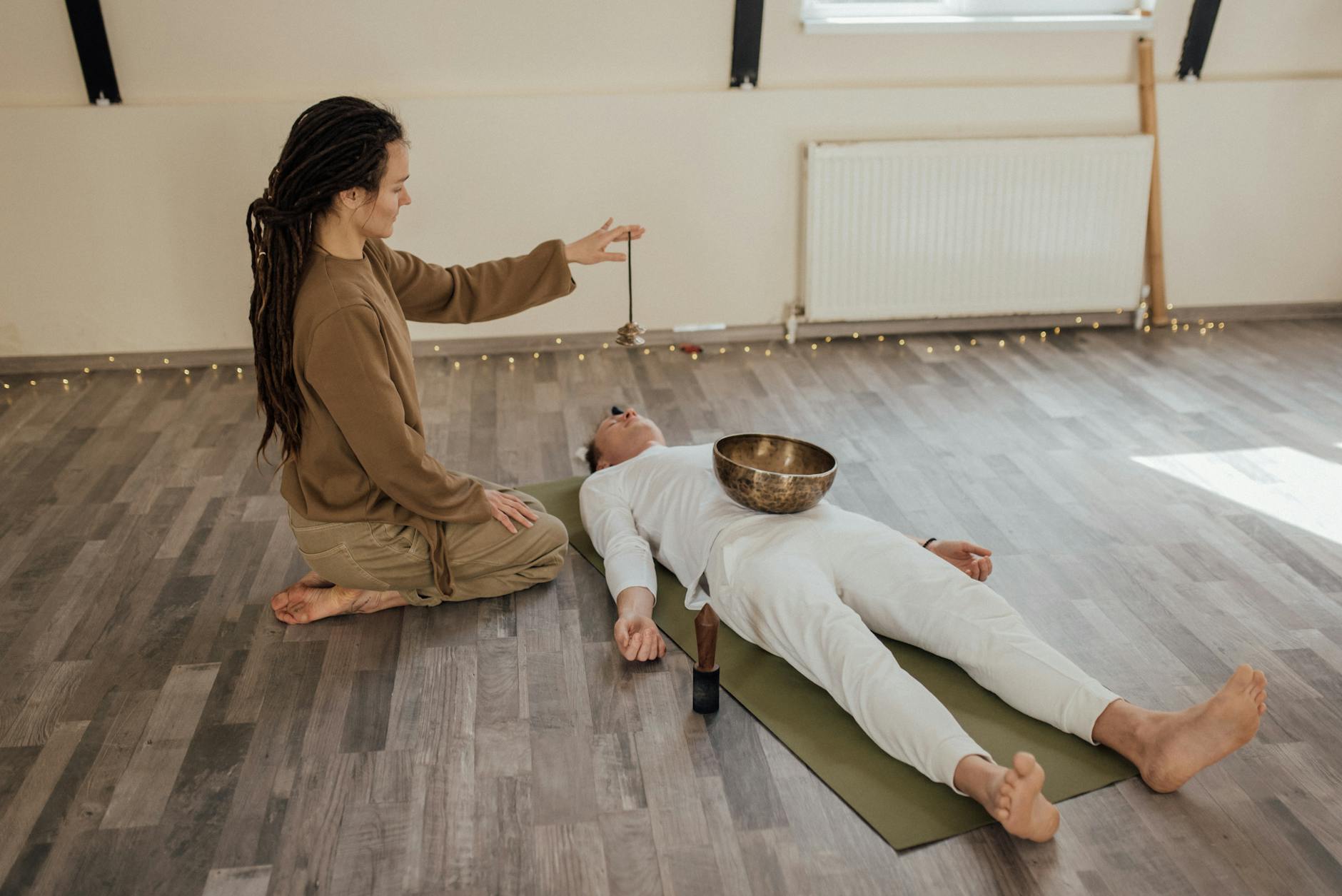
You might be wondering, what does this look like in practice? It's not always dramatic. Often, it's about noticing subtle shifts. A therapist might guide you to feel the weight of your feet on the floor, or the sensation of your breath entering and leaving your body. They might ask you to describe what you feel in your chest when you recall a difficult memory, not to dwell on the story, but to understand the physical imprint. This body-centered therapy approach is highly individualized.
Embodiment Practices to Integrate into Daily Life
Beyond therapy sessions, there are many embodiment practices you can cultivate. Simple things like mindful walking, where you pay attention to the sensation of your feet hitting the ground and the movement of your body, can be incredibly grounding. Gentle stretching, yoga, or even just taking a few moments to notice your posture and breath throughout the day can contribute to better nervous system regulation. These are not about achieving a perfect state, but about building a consistent practice of checking in with yourself.
Finding the Right Somatic Practitioner
When seeking professional help, look for practitioners trained in somatic modalities like Somatic Experiencing, Sensorimotor Psychotherapy, or Hakomi Method. They will have a deep understanding of the mind-body connection and how to guide you safely through the process of somatic healing. You can often find these specialists through directories or by asking for recommendations. It's essential to find someone you feel a sense of trust and rapport with, as this work requires vulnerability.
The Profound Impact of Body Healing
Beyond Emotional Regulation: Holistic Well-being
The impact of somatic healing extends far beyond just managing emotions. When we address the stored trauma in the body, we often see improvements in physical symptoms like chronic pain, digestive issues, fatigue, and sleep disturbances. This is because the body's stress response system, when dysregulated, can manifest in a myriad of physical ailments. By facilitating body healing, we can alleviate these physical burdens and reclaim our vitality. The National Alliance on Mental Illness research on somatic healing often highlights these interconnected benefits.
Reclaiming Your Sense of Safety and Agency
One of the most beautiful outcomes of somatic work is the reclamation of a sense of safety within oneself. When the body has learned to be in a constant state of alert, it can feel like you're always on edge. Somatic healing helps to gently downregulate this system, teaching the nervous system that it is, in fact, safe. This shift allows for a greater sense of presence, peace, and the ability to engage more fully with life. It fosters resilience and a profound sense of agency over your own internal world.
A Deeper Connection to Life's Full Spectrum
This journey of somatic healing isn't about eliminating all discomfort or difficulty from life. Instead, it's about developing the capacity to navigate life's challenges with greater presence and resilience. It's about learning to tolerate difficult emotions without being overwhelmed, and to fully experience joy and pleasure when it arises. It’s a path toward a more integrated self, where the mind and body work in harmony, allowing you to live a richer, more embodied life. This approach is a testament to the profound wisdom our bodies hold and their inherent capacity for healing.

Here's the Truth About Long-Term Healing
Patience and Persistence are Key
I'll be real with you: somatic healing isn't a quick fix. It's a process, and like any deep healing, it requires patience and persistence. There will be moments when you feel like you're making leaps forward, and other times when it feels like you're stuck. This is normal. The body often releases trauma in waves, and sometimes it needs time to consolidate what it has processed. Don't get discouraged by perceived setbacks; they are often part of the deeper integration process. This one surprised me when I first started understanding it myself – the non-linear nature of true healing.
The Role of Support and Self-Compassion
Having a supportive therapist is invaluable, but so is cultivating self-compassion. Be gentle with yourself throughout this journey. Celebrate the small victories, acknowledge the courage it takes to engage with your inner world, and remember that you are not alone. If you're a therapist feeling the strain of this work, remember that therapy for burnout is essential for your own well-being and ability to support others. The American Psychological Association research on somatic healing consistently points to the importance of a supportive therapeutic relationship.
Embracing the Embodied Self
Ultimately, somatic healing is about more than just releasing trauma; it's about reclaiming your birthright to feel safe, connected, and alive in your own body. It's about integrating your experiences, both good and bad, into a cohesive sense of self. It’s a journey of profound self-discovery and liberation. The path might be challenging at times, but the destination – a fully embodied, resilient, and vibrant you – is more than worth the effort.