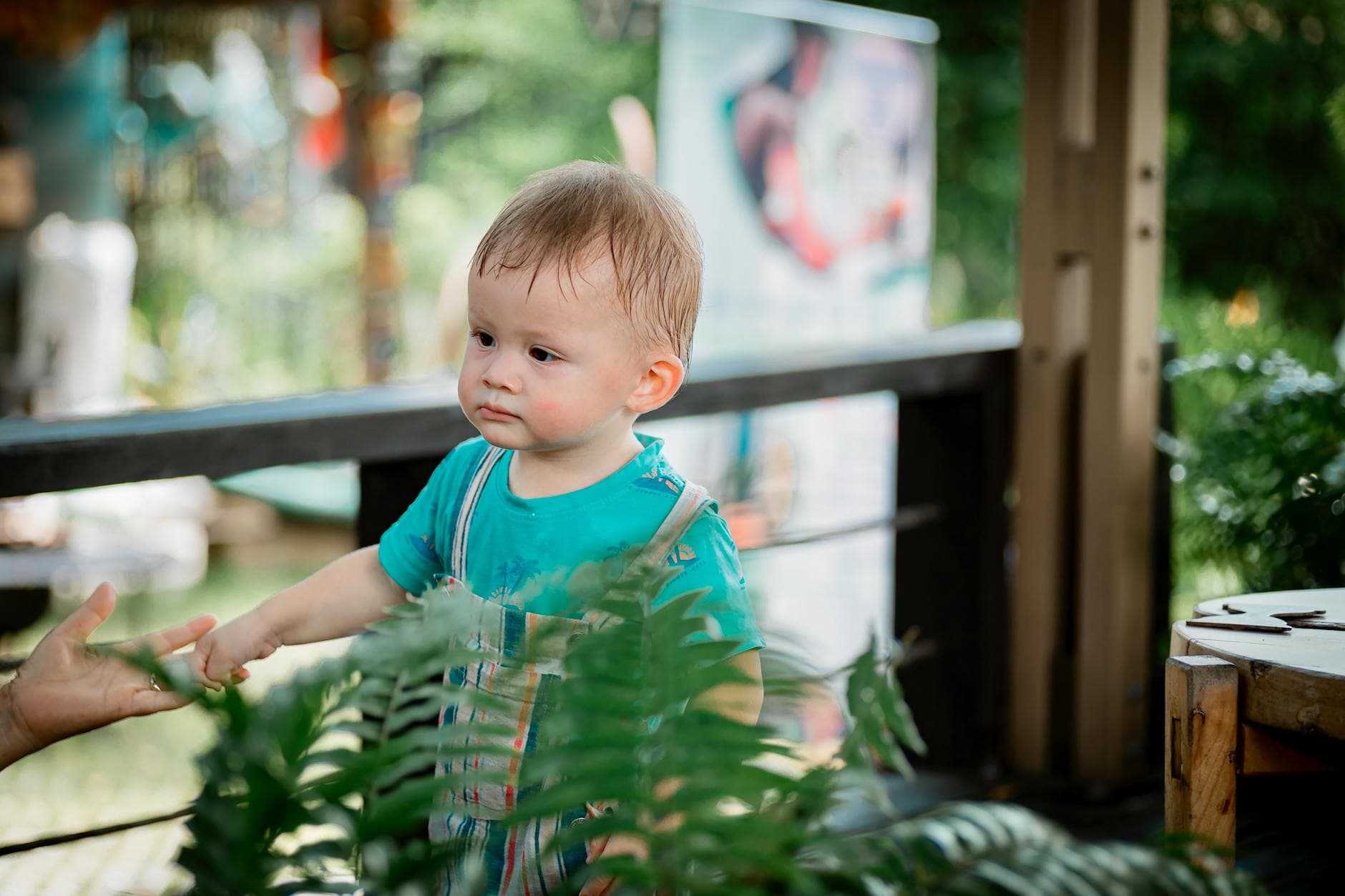
You might think that fostering independence in toddlers means leaving them to their own devices constantly. The truth? It’s far more nuanced, and honestly, often misunderstood. Many parents feel guilty when their toddler plays alone, assuming it means they aren't engaged or loved enough. But here's the thing: encouraging genuine **independent play toddler** isn't about neglect; it's about strategic nurturing that builds crucial life skills. It’s one of the most powerful tools we have for supporting healthy child development, and it’s more accessible than you might think.
The Unseen Power of Solo Play
The notion that a toddler needs constant adult interaction to thrive is a common misconception. While connection is vital, so is the space for self-discovery. Independent play is the bedrock upon which many essential developmental milestones are built, often in ways we don't immediately recognize. It's during these quiet moments that the magic of learning truly unfolds.
Why Solo Time Isn't a Sign of Disinterest
It’s easy to fall into the trap of believing that if a child isn't actively seeking our participation, they must be bored or unhappy. This couldn't be further from the truth. When a toddler is engrossed in their own world, exploring a pile of blocks or a collection of interesting objects, they are deeply engaged. This engagement is a sign of healthy development, not a lack of connection with you.
Building Blocks for a Lifetime of Learning
Think about the skills that truly matter: problem-solving, creativity, resilience, and self-regulation. Where do these begin? Often, it's in the sandbox, with a few crayons, or simply staring at the ceiling. These are the environments where toddlers experiment, make mistakes, and figure things out for themselves. This is the essence of play-based learning toddlers thrive on.
The Core of Self-Directed Play
At its heart, **independent play toddler** is about self-direction. It’s the child deciding what they want to do, how they want to do it, and when they want to do it, without external prompting or constant guidance. This isn't about being left unsupervised; it's about having the freedom to explore within safe boundaries. This freedom is crucial for fostering autonomy in toddlers.
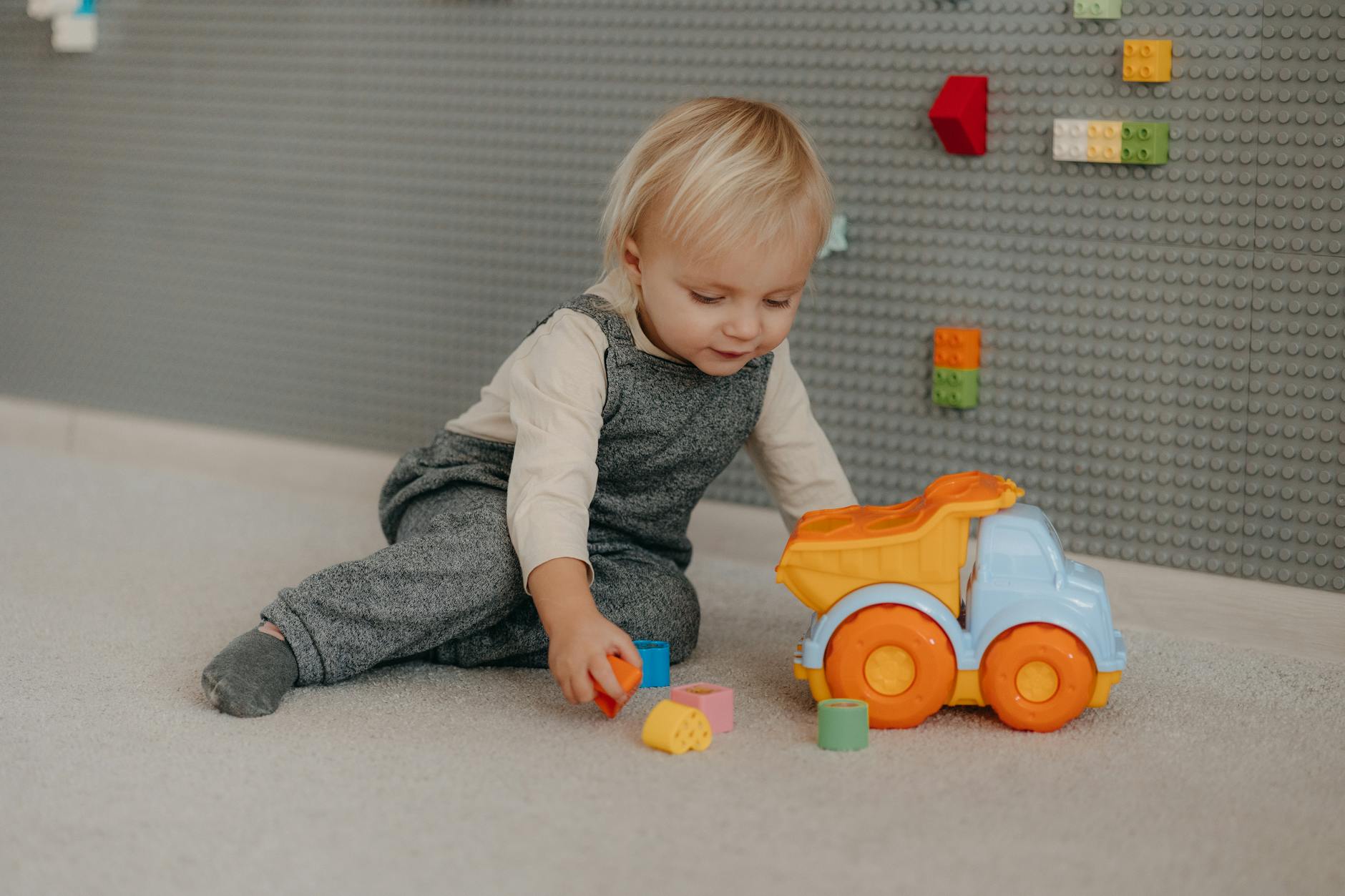
The Surprising Benefits of Independent Play
The advantages of **independent play toddler** extend far beyond simple entertainment. They touch on cognitive, social, emotional, and physical development. It’s a holistic approach to growth that we, as parents and caregivers, often underestimate.
Boosting Cognitive Skills and Creativity
When a child plays independently, their brain is working overtime. They are constructing narratives, solving imaginary problems, and experimenting with cause and effect. This process is fundamental to developing critical thinking and problem-solving abilities. It's where imaginative worlds are born and where toddlers explore their burgeoning understanding of the world around them.
Developing Emotional Regulation and Resilience
Here's a truth that often surprises people: independent play is a fantastic training ground for managing emotions. When a tower of blocks inevitably tumbles, or a story doesn't go as planned, the child learns to cope. They experience frustration, but they also learn to try again, to adapt, and to find new solutions. This builds resilience, a trait that will serve them immeasurably throughout their lives. The National Alliance on Mental Illness research on independent play toddler highlights the connection between self-directed activities and emotional well-being.
Fostering Social Skills (Yes, Really!)
While it might seem counterintuitive, solo play lays the groundwork for better social interactions. When children learn to entertain themselves and manage their own emotions, they come to playdates and group settings better equipped. They are less likely to be overly reliant on others for entertainment or validation, making them more confident and capable peers.
Encouraging Physical Development
Whether it's stacking blocks, climbing on a play structure, or simply running around the yard, independent play often involves significant physical activity. This helps develop gross and fine motor skills, coordination, and a healthy relationship with movement. Think of the vibrant energy toddlers possess, especially during times like toddler development spring; channeling that into self-directed exploration is key.
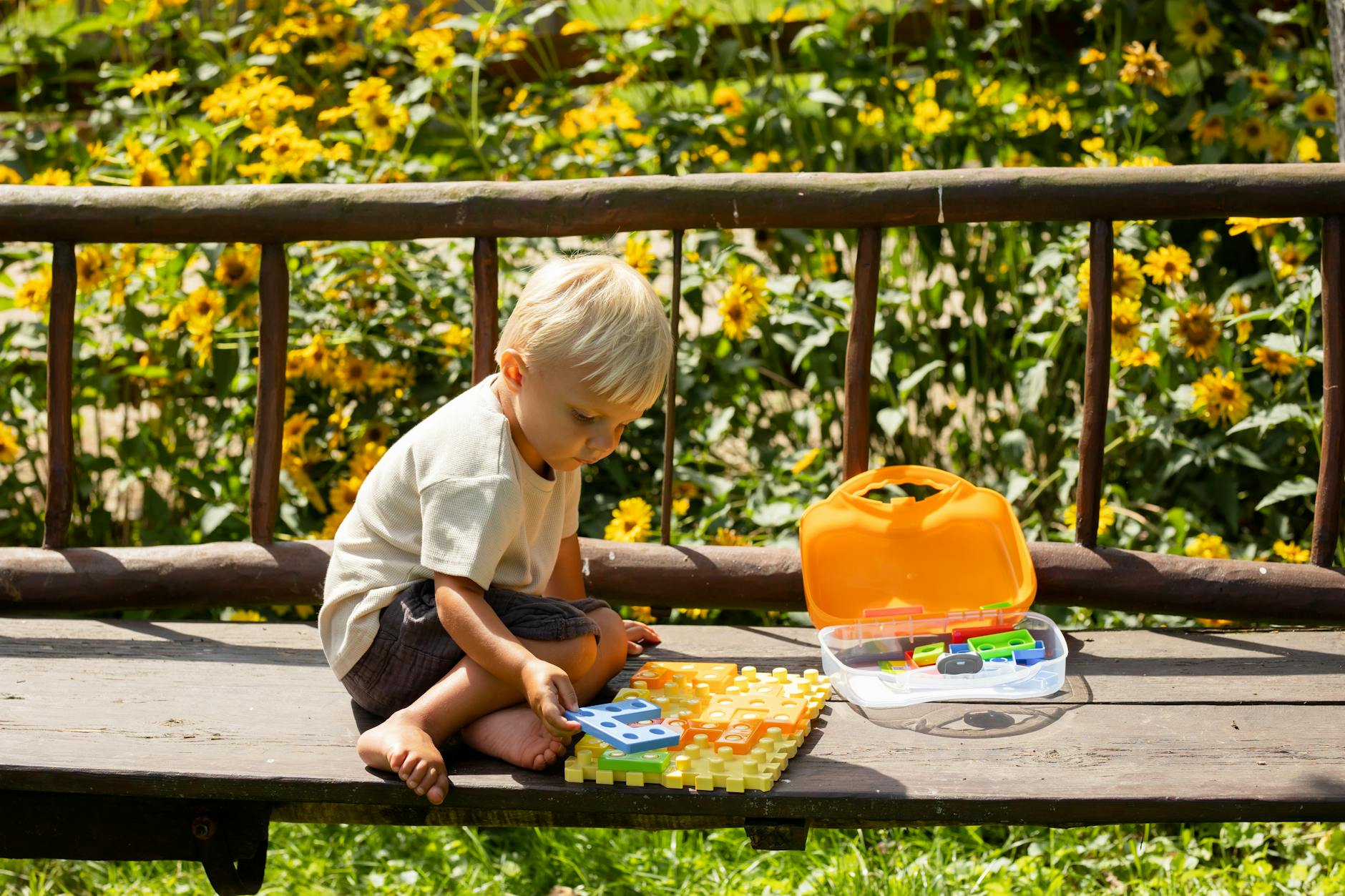
Creating the Right Environment for Independent Play
Setting the stage for successful independent play isn't about having a room full of expensive toys. It’s about thoughtful preparation and intentional guidance. You don't need a perfect setup, just a space that feels safe and inviting.
Designing a Toddler-Friendly Space
Safety is paramount, of course. Ensure the play area is free from hazards and that toys are age-appropriate and non-toxic. Beyond that, think about accessibility. Can your toddler reach the toys they want to play with? Is the space organized in a way that makes sense to them? Sometimes, simply clearing a corner of the living room and providing a basket of interesting items is enough to spark hours of exploration.
The Role of Toys and Materials
You don't need a million gadgets. Simple, open-ended toys are often the most effective. Think wooden blocks, sensory bins filled with rice or beans, art supplies like chunky crayons and large paper, playdough, and even everyday objects like cardboard boxes or old fabric scraps. These items encourage imagination and allow for a multitude of play possibilities.
The Art of "Scaffolding" Play
This is where the mentoring aspect comes in. You aren't just setting up the space and walking away. You are providing what developmental experts call "scaffolding." This means offering just enough support to get them started or to help them overcome a minor hurdle, then stepping back. For example, you might suggest, "What if we built a tall tower with these blocks?" or "This playdough looks like it could be a snake!" Once they engage, you can gradually withdraw your direct involvement.
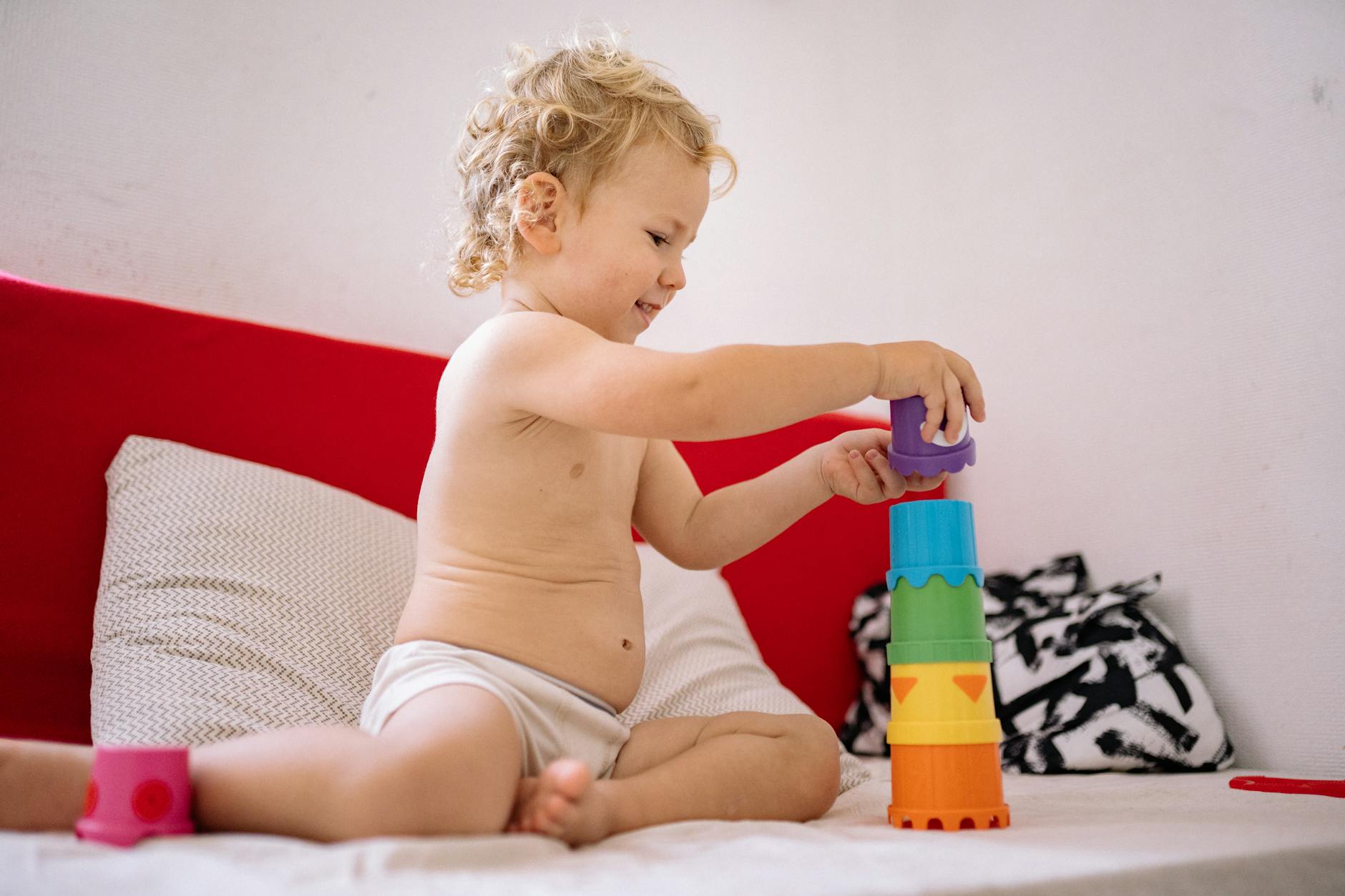
When to Step In and When to Let Them Be
This is perhaps the most challenging aspect for many parents. Knowing when to join in the fun and when to allow your toddler to navigate their own play experience requires keen observation and a gentle hand.
Reading Your Toddler's Cues
Your toddler will tell you what they need. If they are happily engrossed in their play, let them be. If they look towards you with a questioning gaze, or if they seem stuck and frustrated, that's your cue to offer support. Sometimes, a simple presence nearby is enough. Other times, a brief interaction can re-ignite their independent exploration.
The Importance of Connection Before Independence
I'll be real with you: toddlers need connection. Before you expect them to happily play alone for extended periods, ensure they've had ample quality time with you. Engaged play *with* you, where you follow their lead and show genuine interest, builds the secure attachment that makes them feel confident enough to venture out on their own. Think about toddler energy bursts; sometimes, they just need to burn off some steam with you before they can settle into solo play.
Navigating Frustration and Conflict
It's inevitable: independent play will sometimes involve frustration. A toy might not work as expected, or they might encounter a challenge they can't immediately solve. This is a prime opportunity for learning. Resist the urge to swoop in and fix everything. Instead, offer encouragement: "That looks tricky. What could we try next?" or "It's okay to feel frustrated. Let's take a deep breath." This teaches them problem-solving skills and emotional regulation. Dealing with toddler tantrums outdoors can be especially challenging, but the principles of calm guidance remain the same.
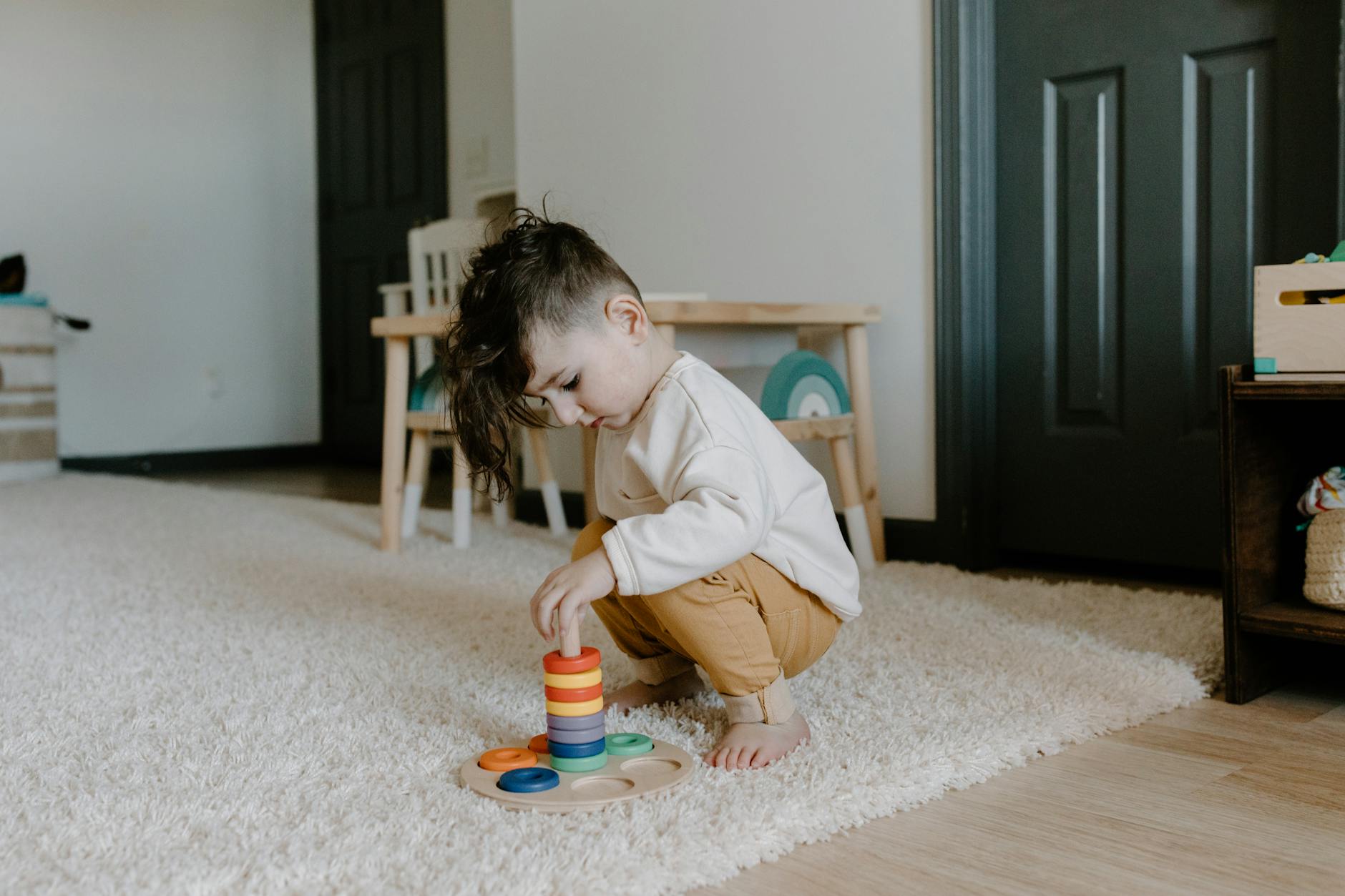
What Nobody Tells You About Independent Play
Here's the truth: fostering **independent play toddler** isn't always a perfectly smooth, Instagram-worthy experience. There will be days when your toddler seems resistant, or when you feel like you’re constantly stepping in. That’s okay. Growth isn't linear.
The "Wipe-Down" Phase
You might have moments where your toddler seems to *only* want to play when you are right there, actively participating. This can feel like a step backward, but it's often a phase where they are seeking reassurance or processing something. Continue to offer connection, and gradually reintroduce opportunities for solo play. Don't see it as a failure; see it as a temporary need for connection.
The Mess Factor
Independent play often equals mess. Whether it's paint splatters, scattered toys, or a trail of crumbs from a pretend picnic, embracing a certain level of mess is part of the process. Children learn through sensory exploration, and that often involves a bit of disarray. Have systems in place for cleanup, but don't let the fear of mess stifle their exploration.
The Long Game of Development
The benefits of **independent play toddler** might not be immediately obvious. You won't see a dramatic change overnight. But trust that you are laying crucial groundwork for their future success. The self-reliance, creativity, and problem-solving skills they develop now will manifest in their academic pursuits, their relationships, and their overall well-being later in life. The American Psychological Association research on independent play toddler consistently points to these long-term advantages.
Springtime Opportunities for Independent Exploration
As the weather warms up and we move into seasons like toddler development spring, new opportunities for independent play emerge. Embracing these can be a wonderful way to encourage exploration and skill-building. Longer days and increased outdoor time provide a natural canvas for learning.
Outdoor Adventures, Solo Style
The backyard or a local park can become a fantastic playground for independent exploration. Provide a digging box with some simple tools, a collection of natural items like leaves and stones, or just a safe space to run and explore. These spring outdoor activities for toddlers offer a rich sensory experience. Remember the principles of Toddler Tantrums Outdoors: Beat Spring Meltdowns Now! to ensure these experiences are positive.
Nature's Classroom
Allowing your toddler to explore a patch of grass, examine a flower, or watch ants march by can be incredibly enriching. These simple interactions foster curiosity and a connection with the natural world. It’s a form of play-based learning toddlers can engage with for hours.
Indoor Comforts for Outdoor Spirits
Even when weather keeps us indoors, we can create spaces that encourage independent play. A fort built from blankets and chairs, a quiet corner with books and puzzles, or a sensory bin can provide hours of engagement. Balancing this with a structured Preschool Spring Schedule: Fun & Learning Balance can be ideal for many families.
Ultimately, fostering **independent play toddler** is an act of love and trust. It’s about believing in your child's capacity to learn, explore, and grow. It requires patience, observation, and a willingness to step back and let them shine. When you give them the space and the tools, you’re not just giving them toys; you’re giving them the gift of self-discovery, a foundation for a lifetime of confident exploration and learning.