The Surprising Truth About Your Preschool Spring Schedule
Did you know that most parents drastically underestimate the amount of unstructured play time their preschoolers actually need, especially as the weather warms up? It's a common pitfall, and it often leads to a spring schedule that feels more chaotic than enriching. As a child development expert who's guided hundreds of families through this very transition, I can tell you that a well-thought-out preschool spring schedule isn't about cramming in more activities; it's about creating a flexible framework that nurtures growth, embraces the season's magic, and balances structured learning with the pure joy of being a child. This isn't just about filling days; it's about optimizing them for early childhood education spring.
Embracing the Season: Why Spring Demands a Schedule Shift
Spring is a time of renewal and awakening, not just in nature but in our little ones, too. After months spent mostly indoors, the longer days and warmer temperatures often bring a surge of energy and curiosity. Your preschooler's spring adjustment is likely to be a noticeable shift. This natural inclination for more movement and exploration means that a rigid winter routine simply won't cut it. A dynamic preschool spring schedule acknowledges this inherent drive.
The Energy Surge: Tapping into Spring's Vibrancy
You've probably noticed it yourself: as soon as the sun starts shining consistently, kids seem to have a different kind of energy. It's not just toddler energy bursts; it's a broader developmental cue. They're ready to move, to touch, to investigate. Ignoring this can lead to frustration, both for them and for you.
Nature's Classroom: The Outdoor Imperative
Spring offers unparalleled opportunities for hands-on learning. Mud kitchens, bug hunts, planting seeds – these are experiences that build crucial developmental skills. A preschool spring schedule that prioritizes outdoor time is a direct investment in your child's holistic development. It’s where the real magic happens, and it’s a cornerstone of effective early childhood education spring.
Flexibility is Key: Adapting to Shifting Needs
Here's the thing: no two spring days are identical. A sudden downpour can change outdoor plans in an instant. A child might wake up feeling particularly sensitive or exceptionally enthusiastic. Your preschool spring schedule needs to be resilient enough to bend, not break, under these natural variations.
Building Blocks of a Balanced Preschool Spring Schedule
Creating an effective preschool spring schedule is about intentional design, not just random activity planning. It’s about ensuring you're balancing play and learning preschool in a way that feels organic and beneficial.
The Power of Predictability, The Joy of Spontaneity
Children thrive on routine, but that doesn't mean monotony. A good preschool spring schedule provides a predictable rhythm – wake-up, meals, quiet time, active play – while leaving ample room for spontaneous adventures. Think of it as a gentle current guiding the day, with plenty of space for eddies and exploration.
Structured Play vs. Free Exploration: Finding the Sweet Spot
This is where many parents struggle. They either lean too heavily into highly structured activities or let things become completely unstructured. The ideal preschool spring schedule weaves both together. Structured play for preschoolers can be a guided art project or a simple game with rules, whereas free exploration is letting them lead the play with their own ideas.
Morning Momentum: Energizing Starts
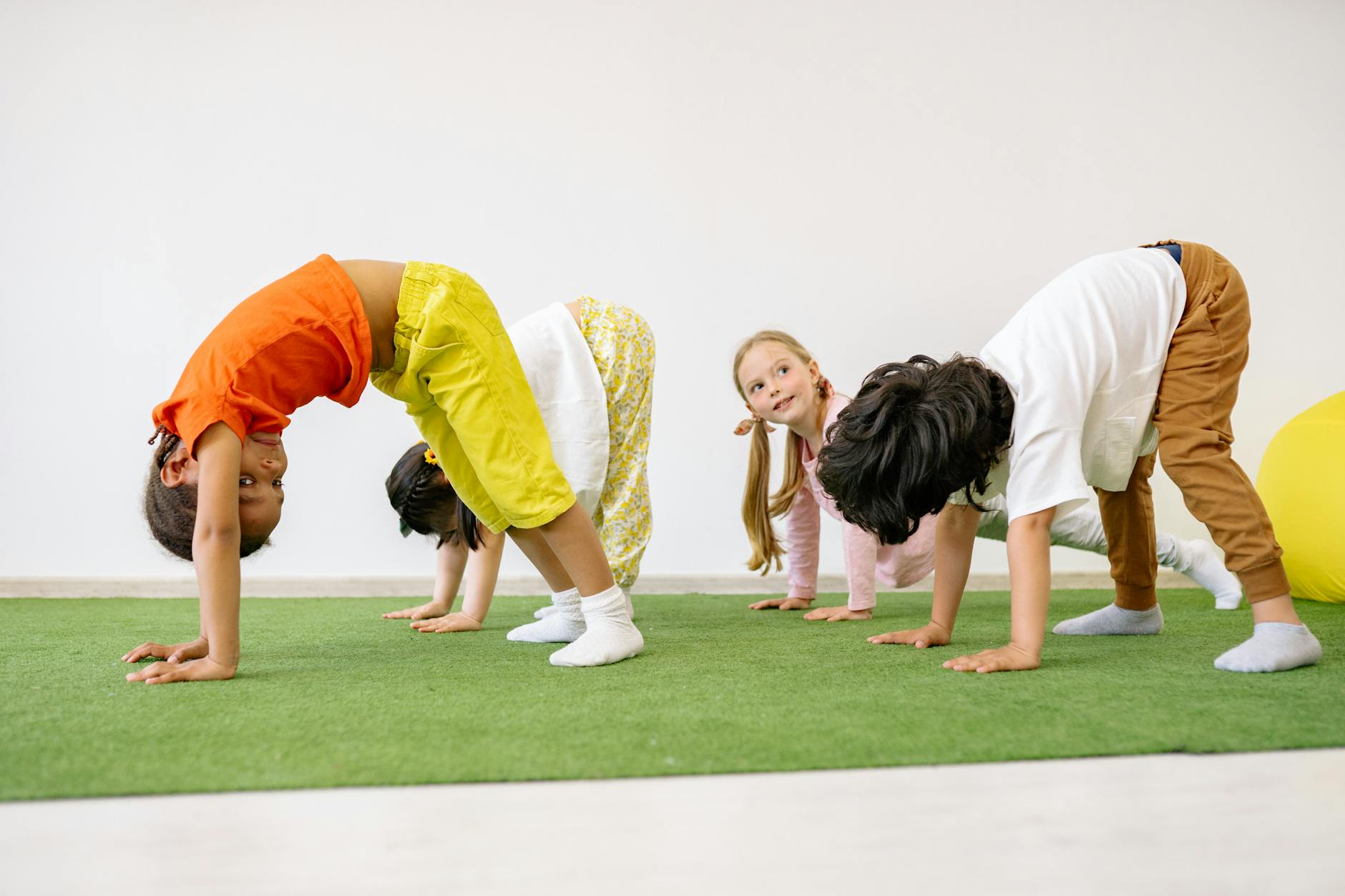
Begin the day with activities that get the wiggles out and engage their minds. This could be a short, brisk walk around the block to observe the blooming flowers, or a lively music and movement session indoors if the weather isn't cooperating.
Afternoon Adventures: Deeper Dives
The afternoon often lends itself to more focused, perhaps slightly quieter, activities. This is a great time for sensory play, building with blocks, or engaging in a nature-themed craft. If you’re focusing on preschooler development spring, this is when you can introduce concepts related to growth and change.
Incorporating Learning Naturally
Preschool learning activities don't need to feel like school. Spring offers a wealth of natural teaching moments. Counting petals on a flower, observing how a caterpillar transforms, understanding why rain is important – these are all organic learning opportunities that fit seamlessly into a preschool spring schedule.
Spring Activities: Ideas to Spark Joy and Growth
When I talk to parents about a preschool spring schedule, they often ask for concrete ideas. The best spring activities for preschoolers are those that connect them with the season and encourage active participation.
Outdoor Exploration: Nature's Playground
This is non-negotiable for a spring schedule. Think beyond just a swing set.
- Nature Walks & Scavenger Hunts: Create simple lists (pictures work great for non-readers) of things to find: a feather, a smooth stone, a specific color flower, a buzzing bee. This encourages observation skills.
- Gardening Adventures: Even a small pot on a windowsill can be a learning experience. Let your child help plant seeds, water them, and observe their growth. This teaches patience and responsibility.
- Water Play: As temperatures rise, sprinklers, kiddie pools, and even just buckets of water become irresistible. This is fantastic for sensory exploration and understanding concepts like floating and sinking.
Indoor Enrichment: When the Weather Doesn't Cooperate
Don't let a rainy day derail your preschool spring schedule. There are plenty of enriching indoor activities.
- Sensory Bins: Fill a bin with dried beans, rice, pasta, or even water beads (with supervision!). Add scoops, cups, and small toys for open-ended play.
- Art Projects with a Spring Theme: Think butterfly painting, flower collages using torn paper, or making rain sticks from cardboard tubes and beads.
- Building and Pretend Play: Forts made from blankets, a "bug hotel" constructed from cardboard boxes, or a pretend picnic can foster creativity and problem-solving.
A Mini-Story: The Butterfly Project Surprise
I remember working with a family whose daughter, Lily, was quite withdrawn. We were trying to create a preschool spring schedule that encouraged her to engage more. One week, we focused on the life cycle of a butterfly. We read books, watched videos, and even painted butterflies. Then, one afternoon, while we were supposed to be doing a more structured math activity, Lily quietly disappeared. I found her in the garden, sitting perfectly still, watching a monarch butterfly flutter around the newly bloomed tulips. She had been observing it for nearly twenty minutes. It was a profound moment, showing me that sometimes, the most valuable learning happens when we allow children to follow their own quiet fascinations, even if it deviates from the planned preschool spring schedule. This experience reinforced how vital free exploration is within our Preschool Spring Activities: Explore Growth & Change.
Balancing Play and Learning: The Core Principle
The goal of your preschool spring schedule should always be to foster a love of learning through joyful experiences. When play is engaging and relevant, learning happens almost effortlessly. It’s about creating an environment where curiosity is celebrated and exploration is encouraged. This natural integration is key to successful toddler growth spurts: spring tips for new skills as well.
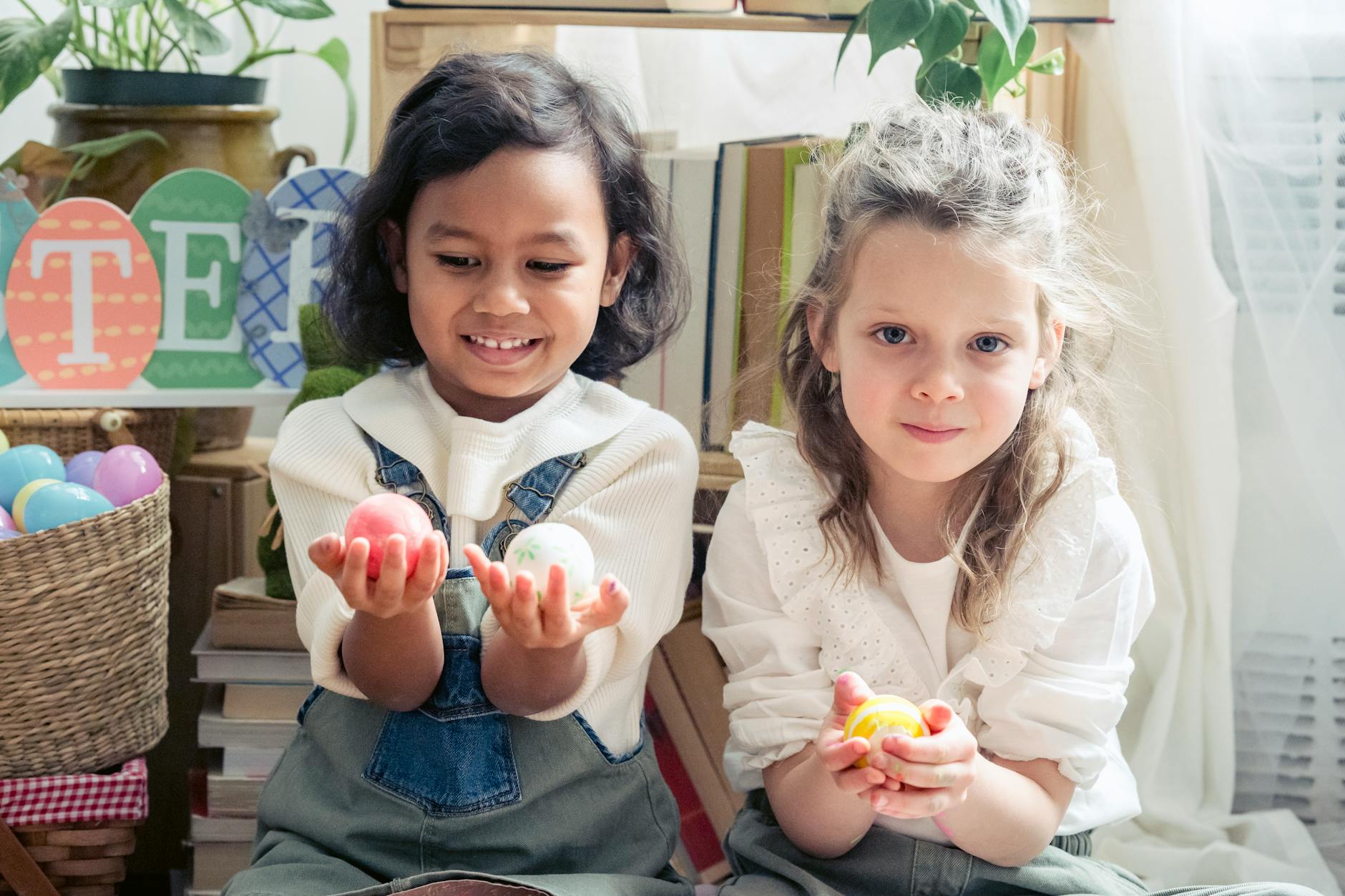
Structuring Your Preschooler's Day: A Flexible Framework
A preschool spring schedule doesn't need to be a minute-by-minute itinerary. It's more about establishing anchors throughout the day that provide structure and flow.
Morning Routine: Setting the Tone
Start with a calm, predictable morning. This might include getting dressed, a healthy breakfast, and a short period of quiet play or reading before the day's main activities begin. This helps ease into the day and sets a positive tone, crucial for a good preschooler spring adjustment tips: longer days & new rou....
Mid-Morning Engagement: Active Learning
This is prime time for more active or focused learning activities. Whether it's an outdoor adventure or an indoor craft, this period benefits from engagement.
Lunch and Quiet Time: Recharge and Reflect
A nutritious lunch followed by a designated quiet time or nap is essential for preschoolers. This allows them to process the morning's experiences and recharge for the afternoon. This period is also vital for emotional regulation, as research from the Healthline research on preschool spring schedule often highlights.
Afternoon Exploration: Winding Down or Winding Up
The afternoon can be a mix. It might be more free play, a gentle wind-down activity, or perhaps a more social interaction if they're attending a program. It's a good time to foster child independence.
The Importance of Downtime
Don't pack every moment. Downtime isn't laziness; it's essential for cognitive development and creativity. It's during these unstructured moments that children often make the most significant discoveries about themselves and the world around them. This is a core principle in fostering child independence: spring growth tips.
Evening Rituals: Peaceful Endings
A consistent bedtime routine – bath, story, quiet cuddles – helps signal to the body that it's time to rest, preparing them for another day of growth and learning.
Beyond the Schedule: Nurturing Your Preschooler This Spring
While a well-crafted preschool spring schedule provides a helpful roadmap, remember that the most important element is your connection with your child.
Observing and Responding to Needs
Your child will tell you what they need if you listen. Some days will be high-energy, others will call for more quiet connection. Your preschool spring schedule should be a guide, not a dictator. Be prepared to shift gears based on their cues. This is especially important for managing toddler energy bursts: active listening for parents.
The Role of Parental Well-being
Honestly, trying to manage a complex schedule while feeling overwhelmed yourself is a recipe for disaster. Make sure you're also carving out moments for yourself. A well-rested, present parent is the best asset for a thriving child. The National Alliance on Mental Illness research on preschool spring schedule often touches upon the importance of caregiver well-being.
Looking Ahead: Kindergarten Readiness
As spring progresses, you might also be thinking about kindergarten readiness. A balanced preschool spring schedule naturally supports this. Through play, exploration, and guided activities, children develop essential social, emotional, and cognitive skills that will serve them well as they transition to a more formal learning environment.
Ultimately, your preschool spring schedule is a living document, a reflection of your child's needs and the beautiful, ever-changing season. Embrace the opportunities for growth, connection, and pure, unadulterated spring joy. It’s more than just a schedule; it’s about nurturing a happy, healthy, and curious little human. The American Psychological Association research on preschool spring schedule consistently points to the benefits of play-based learning during these formative years.