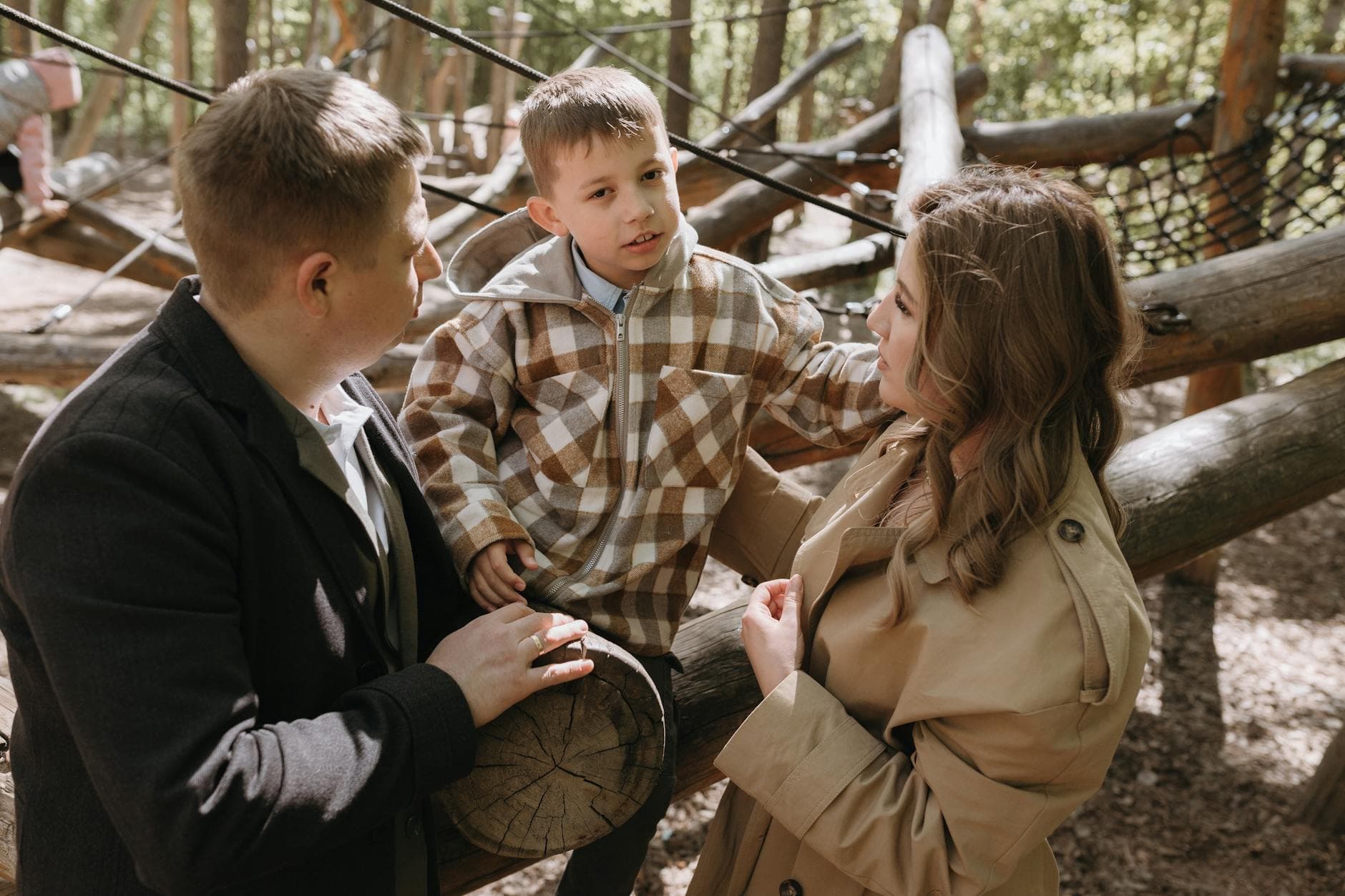
The Hard Truth About Really Hearing Your Kids
I'll be real with you. For years, I thought I was a pretty good listener. I’d nod, I’d ask questions, I’d offer solutions. I genuinely believed I was connecting with my kids. Then, one day, my daughter, then about ten, looked at me with this profound sadness and said, "Dad, you hear the words, but you don't hear *me*." It was like a punch to the gut. That moment was the catalyst for me truly understanding the power of **active listening parents** need to cultivate. It's not just about not interrupting; it's about a whole different level of engagement, a deeper dive into the world inside their heads and hearts. This isn't about perfection, it's about progress, and it's something I’ve learned the hard way.
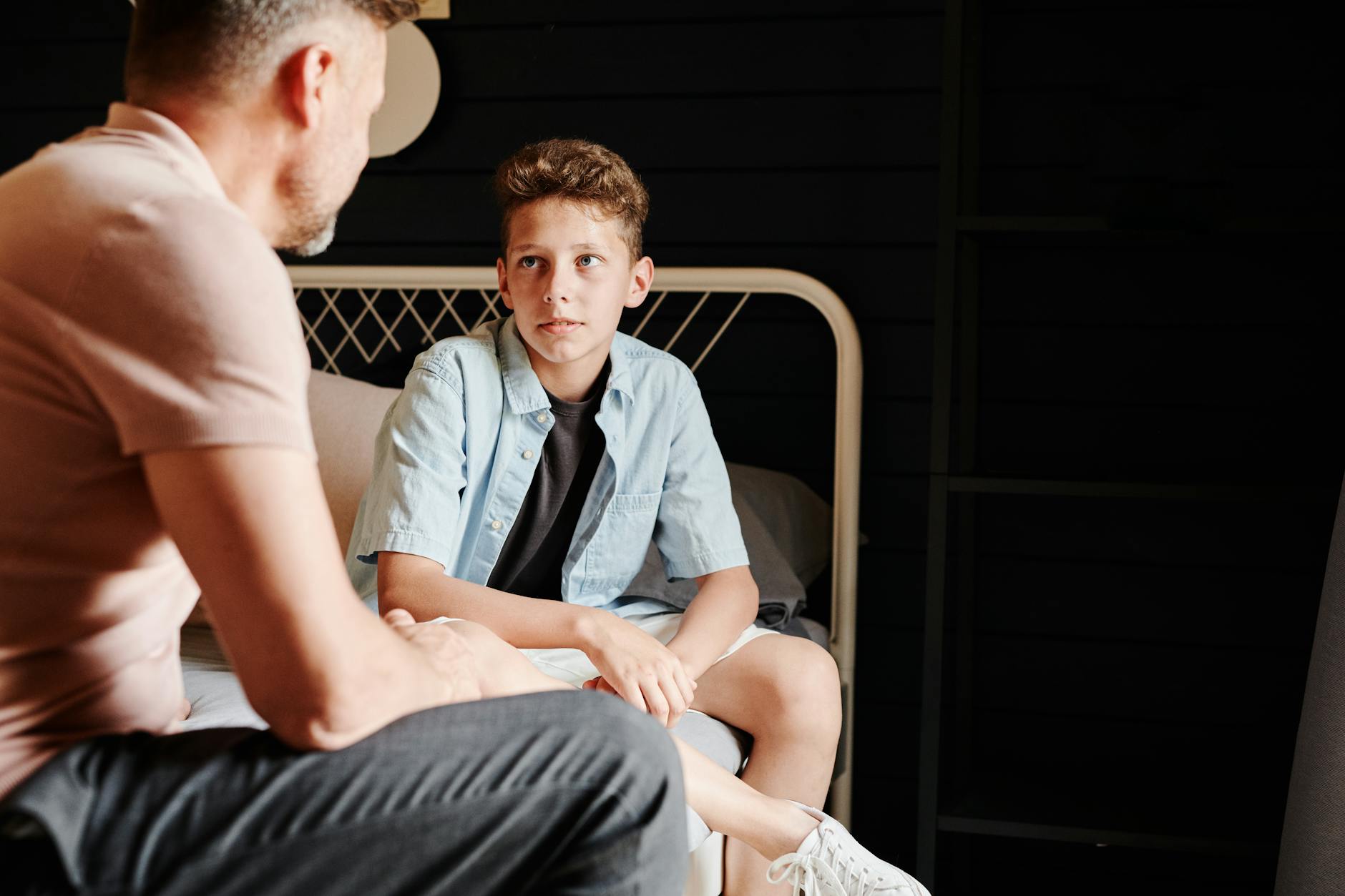
Why "Just Listening" Isn't Enough
We've all been there. You're talking to your child, and you can practically see their eyes glazing over. Or maybe they’re mid-sentence, and you’re already formulating your response, your brilliant advice, your quick fix. This is the opposite of what true listening looks like. It's a learned behavior, and frankly, it's one of the most crucial aspects of effective parenting. It’s not a natural instinct for most of us, especially when we’re tired or stressed.
The Illusion of Understanding
We often mistake hearing for understanding. We catch the keywords, we get the gist, and we assume we're on the same page. But children, especially as they grow, communicate in layers. What they say on the surface might be a symptom of something much deeper, a feeling they can’t quite articulate yet.
The Cost of Not Truly Listening
When kids feel unheard, they stop sharing. It’s a defense mechanism. Why bother pouring out your heart if it’s met with a lecture, a dismissal, or a rushed "that's nice, dear"? This can lead to a breakdown in parent-child communication over time, creating distance and making it harder to navigate challenges later on, particularly with teenagers. You might see a decline in their willingness to confide in you about significant issues, from peer pressure to identity exploration.

The Pillars of Active Listening for Parents
So, what does active listening actually look like in practice? It’s not a single technique; it’s a mindset, a commitment. It involves several interconnected skills that, when honed, can dramatically transform your relationship with your children. Think of it as building a bridge, brick by brick, of trust and understanding.
Being Present, Truly Present
This is harder than it sounds. In our hyper-connected world, our attention is constantly being pulled in a million directions. When your child speaks, put down the phone. Turn away from the screen. Make eye contact. Even if it’s just for five minutes, dedicate that time entirely to them. This shows them they are your priority. It’s about giving them your undivided attention, a rare commodity these days.
The Art of Reflecting and Summarizing
One of the most powerful tools in active listening is reflecting back what you've heard. This isn't about parroting; it's about paraphrasing and clarifying. You might say, "So, if I'm understanding correctly, you're feeling frustrated because your friend didn't share their toys with you?" This does two things: it ensures you've understood them correctly, and it shows them you've truly absorbed their message. It’s a fundamental part of mastering active listening steps.
Empathy Over Egos
This is where empathetic listening for parents becomes paramount. It means trying to step into your child's shoes, even if their perspective seems illogical or childish to you. Instead of jumping to judgment or correction, try to understand the emotion behind their words. If your son is upset because he lost a game, your first instinct might be to tell him it’s just a game. But if you listen empathetically, you might hear the disappointment, the feeling of failure, the fear of letting his team down. Acknowledging that feeling – "It sounds like you're really disappointed you didn't win" – can open the door for him to talk about it more.

Understanding Children Better Through Listening
When you truly listen, you gain invaluable insights into your child's world. You start to see patterns in their behavior, understand their triggers, and anticipate their needs. This is crucial for their overall child development listening becomes a cornerstone.
Decoding Non-Verbal Cues
Children don't always express themselves with perfect words. Their body language, their tone of voice, their facial expressions – these are all part of their communication. A slumped posture after school might speak volumes about a bad day, even if they claim "nothing happened." Learning to read these cues is a vital part of understanding children better.
Recognizing Emotional Shifts
Child emotional development is a complex journey. What seems like a minor setback to us can be a huge event for them. By actively listening, you can pick up on subtle shifts in their mood and emotional state. This allows you to intervene early, offer support, or simply be a comforting presence. It’s about noticing when they are struggling to express complex emotions and gently guiding them.
Building Connection, Not Just Compliance
Effective parenting techniques aren't just about discipline and rules; they are fundamentally about connection. When kids feel heard and validated, they are more likely to cooperate and respect your guidance. It fosters a sense of security and trust that is the bedrock of a strong parent-child bond. This builds connection with kids in a way that lecturing never can.

When to Apply Active Listening: It's Not Just for Problems
You might think active listening is only for when there's a big problem. That's a mistake. It's a tool that should be used daily, in all interactions. This is where the concept of **active listening parents** often gets misunderstood – it’s not a crisis management strategy; it’s a relationship-building strategy.
The Everyday Conversations
The mundane moments are often the most powerful for building connection. When your child tells you about their day at school, about a funny thing a friend said, or about a new interest they have, engage with them. Ask follow-up questions. Show genuine curiosity. These small moments accumulate, creating a reservoir of shared experience and understanding.
Navigating Conflicts and Disagreements
Of course, active listening is indispensable during conflicts. When you and your child are at odds, your primary goal should be to understand their perspective before defending your own. This is particularly true when dealing with teenager listening skills, where misunderstandings can easily escalate. Acknowledging their feelings, even if you don’t agree with their actions, can de-escalate the situation significantly. It’s about finding common ground, not necessarily winning an argument.
Celebrating Joys and Achievements
Don't forget to listen when things are going well! When your child shares good news, listen with the same attentiveness you would offer during a difficult time. Celebrate their successes, big or small. This reinforces their efforts and shows them you value their accomplishments. It’s about sharing in their joy, not just their sorrows.
What Nobody Tells You About Active Listening
Here's the truth: Active listening is exhausting. It requires immense patience and emotional regulation. There will be days when you feel like you're failing, days when your child is being deliberately obtuse, and days when you just don't have the energy. That's okay. Perfection isn't the goal. Consistent effort is.
The Power of Silence
Sometimes, the most active thing you can do is be silent. Give your child space to think, to formulate their thoughts, to express themselves without feeling rushed. Don't feel the need to fill every pause. Those silences can be incredibly productive.
It's a Two-Way Street
While you're focusing on listening to your child, remember that healthy communication involves expressing your own needs and feelings too. You can learn how to express needs couples learn to do, and apply similar principles in your family. It’s about creating an environment where everyone feels safe to share. Sometimes, you might need to apologize when you realize you haven't been listening effectively.
The Long Game
The benefits of **active listening parents** cultivate aren't always immediate. You won't see a dramatic transformation overnight. But over time, you will notice a deeper connection, a greater willingness from your children to confide in you, and a more harmonious family dynamic. It’s an investment with immeasurable returns.
Putting It into Practice: Your Next Steps
This journey of becoming a more active listener is ongoing. It requires self-awareness and a willingness to adapt. Don't get discouraged by setbacks. Each interaction is an opportunity to learn and grow.
Start Small and Specific
Pick one specific area to focus on this week. Maybe it's putting your phone away during dinner. Or perhaps it's practicing reflecting back what you hear once a day. Small, consistent changes are more sustainable than grand, overwhelming ones.
Seek Feedback (Gently)
As your children get older, you can even gently ask for their input. "Hey, I'm trying to be a better listener. Was there a time recently when you felt I really heard you?" Or, "Is there anything I could do differently when you're telling me about something important?" This can be sensitive, so tread carefully.
Embrace the Learning Curve
You will mess up. You will have days where you revert to old habits. This is human. The key is to acknowledge it, perhaps even apologize if necessary, and recommit to trying again. The American Psychological Association research on active listening parents highlights the importance of continuous learning and adaptation in communication. The National Institutes of Health research on active listening parents also points to the long-term benefits for child well-being. Psychology Today research on active listening parents often emphasizes the reciprocal nature of communication within families.
Cultivating **active listening parents** is perhaps one of the most profound gifts you can give your children and yourself. It’s the foundation upon which trust is built, understanding flourishes, and genuine connection thrives. It's not about having all the answers, but about being present enough to hear the questions, the worries, and the joys that make up your child's unique world.