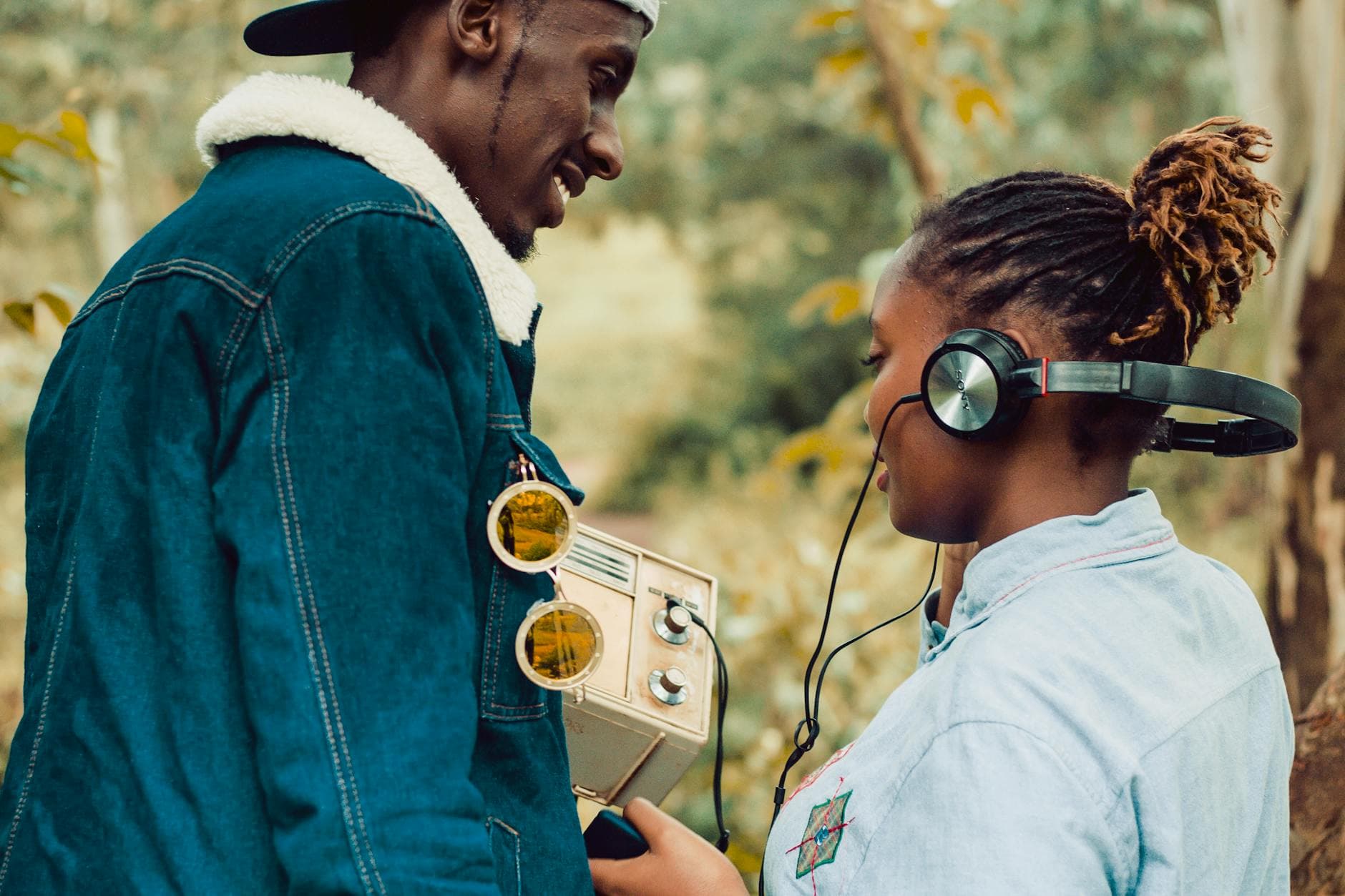
Think about the last time you felt truly heard. Not just listened to, but *understood*. What did that feel like? For most of us, it’s a profound sense of connection, validation, and safety. Now, consider the flip side: how often do you feel like you’re talking *at* your partner, rather than *with* them? If you’re looking to bridge that gap and foster deeper intimacy, becoming a better active listening partner is your most powerful tool.
The Foundation of Connection: Why Active Listening Matters
This isn't just about nodding along or waiting for your turn to speak. True active listening is a skill, and like any skill, it requires practice and intention. It’s the bedrock upon which strong relationships are built. When you actively listen, you're not just processing words; you're tuning into the emotions, the unspoken needs, and the underlying meaning. This is crucial for navigating the complexities of any relationship, whether you’re in the early stages of dating or have been together for decades. It's the difference between simply coexisting and truly thriving together.
Beyond the Surface: What Active Listening Really Is
Many people mistakenly believe that listening is passive. You just sit there, and the words come in. That’s not it at all. Active listening is an engaged process. It involves your full attention, your empathy, and your commitment to understanding your partner’s perspective, even if it differs from your own. It’s about creating a space where your partner feels safe to be vulnerable and open. It’s about showing them, through your actions, that what they have to say is important.
The Cost of Not Listening
The absence of effective listening can be devastating. Misunderstandings fester, resentment builds, and a chasm can grow between partners. You might find yourselves having the same arguments repeatedly, or worse, avoiding difficult conversations altogether. This is a common pitfall, and I’ve seen it derail even the most promising relationships. The American Psychological Association research on active listening partner highlights how poor communication patterns can lead to significant relationship distress and even mental health challenges for both individuals.
Cultivating Spring Relationship Goals Through Better Listening
As the seasons change, so too can the dynamics of your relationship. Spring often brings a desire for renewal and growth, making it the perfect time to focus on improving your communication. By consciously working on becoming a better active listening partner, you're not just addressing a current issue; you're investing in the long-term health and happiness of your partnership. It’s about setting intentions for deeper connection and actively working towards them, not just wishing for them.

Mastering the Art of Being Present
This is where the rubber meets the road. So many of us are easily distracted. Our minds wander to our to-do lists, our phones buzz, or we’re already formulating our response before our partner has finished speaking. Being present means consciously pushing those distractions aside and dedicating your full mental and emotional energy to the conversation. It’s a powerful act of respect.
The Power of Undivided Attention
When you give someone your undivided attention, you're sending a clear message: "You matter to me." This involves putting away your phone, turning off the TV, and making eye contact. It means creating a dedicated space, even if it’s just for 10 minutes, where your partner has your complete focus. This isn’t always easy, especially with the constant demands of modern life, but the impact on your partner communication tips is immense. Think about the last time you were truly focused on someone; you likely felt more connected and valued.
Mindful Communication: The Inner Game
Being present isn't just about external actions; it's also an internal discipline. It requires mindfulness, which is the practice of bringing your awareness to the present moment without judgment. When you notice your mind drifting, gently guide it back to your partner. This self-awareness is key. I used to struggle with this myself, always thinking ahead to what I wanted to say next. It took conscious effort to quiet that internal chatter and truly absorb what my partner was communicating.
Non-Verbal Cues: Reading Between the Lines
Your partner communicates just as much with their body language as they do with their words. Active listening involves paying attention to these non-verbal cues. Are they fidgeting? Avoiding eye contact? Their tone of voice can also convey a lot. Sometimes, a sigh or a pause speaks volumes. Learning to interpret these signals can unlock a deeper level of understanding and help you respond more empathetically. The National Alliance on Mental Illness research on active listening partner often emphasizes the importance of recognizing and responding to emotional cues, which are frequently conveyed non-verbally.

Empathy: Stepping into Your Partner's Shoes
Empathy is the ability to understand and share the feelings of another. It’s not about agreeing with your partner; it’s about understanding their emotional experience. This is a cornerstone of empathetic listening, a crucial component of active listening. When you can genuinely connect with how your partner feels, even if you would react differently in the same situation, you build trust and strengthen your bond.
Validating Feelings, Not Necessarily Actions
Validation is a powerful tool in active listening. It means acknowledging your partner's feelings as real and legitimate, even if you don't fully understand them or agree with their perspective. Phrases like "I can see why you'd feel that way" or "It sounds like that was really frustrating for you" can make a huge difference. This isn't about conceding a point; it's about showing your partner that you’re hearing their emotional truth. This is a key takeaway from The Gottman Institute research on active listening partner, which consistently points to validation as a predictor of relationship success.
The Nuance of "I Understand"
Saying "I understand" can be tricky. If you don't truly grasp what your partner is going through, it can feel dismissive. Instead, try phrases that demonstrate your effort to understand. "Help me understand your perspective" or "So, if I'm hearing you correctly, you're feeling X because of Y?" are far more effective. This shows you're actively engaged in the process of comprehension, not just offering a platitude. It’s about genuine curiosity.
When Disagreement Arises: The Art of Constructive Conflict
Disagreements are inevitable in any relationship. The difference between healthy and unhealthy conflict lies in how you handle it. Active listening is paramount here. When you can listen to understand your partner's concerns without immediately jumping to defend yourself, you create an opening for resolution. This is where your conflict resolution skills are truly tested and honed. Remember, the goal isn't to win the argument, but to find a solution that works for both of you.

Practical Tools for the Active Listening Partner
Knowing the theory is one thing, but putting it into practice is another. Here are some concrete strategies to help you become a more effective active listening partner.
Paraphrasing and Summarizing
This is a cornerstone technique. After your partner has spoken, rephrase what you heard in your own words. For example, "So, it sounds like you're feeling overwhelmed because of the workload at home, and you're worried about not being able to keep up. Is that right?" This gives your partner a chance to clarify any misunderstandings and confirms that you were paying attention. Summarizing is similar but involves recapping a longer discussion or a series of points.
Asking Open-Ended Questions
Avoid questions that can be answered with a simple "yes" or "no." Instead, ask questions that encourage elaboration. Instead of "Are you mad?", try "What's going on that's making you feel upset?" or "Can you tell me more about what you're thinking?" These questions invite your partner to share more deeply and provide you with richer insights. This is a fundamental aspect of how to communicate better.
Silence: Embracing the Pauses
Don't be afraid of silence. Sometimes, your partner needs a moment to gather their thoughts, or perhaps they’re processing something deeply. Rushing to fill the silence can interrupt their train of thought or make them feel pressured. Allow for pauses; they can be incredibly productive in a conversation. This one surprised me when I first learned about it – I always felt the need to keep the conversation flowing, but realized that sometimes, stillness is more powerful.
Using Encouragers
Small verbal and non-verbal cues can signal that you're engaged. These include things like "Uh-huh," "Go on," a nod of the head, or leaning in slightly. These "encouragers" let your partner know you're following along and encourage them to continue sharing. They’re subtle but incredibly effective in building rapport and keeping the dialogue open.

The Unexpected Benefit: Building Deeper Intimacy
You might be thinking that active listening is just about avoiding arguments. While it certainly helps with that, its true power lies in its ability to foster profound intimacy. When your partner knows they can come to you with anything, and be met with understanding and empathy, it creates a level of trust and vulnerability that is the hallmark of truly building stronger relationships. It’s about creating a safe harbor where both of you can be your authentic selves.
Beyond "I Love You": Expressing Love Through Listening
While verbal affirmations are important, the way you listen can be one of the most powerful ways you express love. Think about it: when you're truly listened to, you feel loved, cherished, and valued. This is especially relevant in the context of Active Listening Couples: Deepen Your Connection This Spring. It’s a practical, everyday way to show your partner that their inner world matters to you as much as your own.
Navigating Different Communication Styles
We all have different communication styles, influenced by our upbringing, personality, and past experiences. Recognizing and respecting these differences is key. An active listening partner doesn't demand that their partner communicate like them; instead, they adapt and learn to understand their partner's unique way of expressing themselves. This adaptability is a sign of maturity and commitment.
A Continuous Journey, Not a Destination
Improving your listening skills is not a one-time fix; it’s an ongoing practice. There will be days when you slip up, when your mind wanders, or when you react defensively. That’s okay. The important thing is to acknowledge it, learn from it, and recommit to being a better active listening partner. It’s a journey of continuous growth, and every step you take makes your relationship stronger. This is the kind of mindful communication that truly transforms connections.
So, the next time your partner starts to speak, take a deep breath. Set aside your own agenda for a moment. Lean in, not just physically, but mentally and emotionally. Listen to understand. Your relationship will thank you for it.