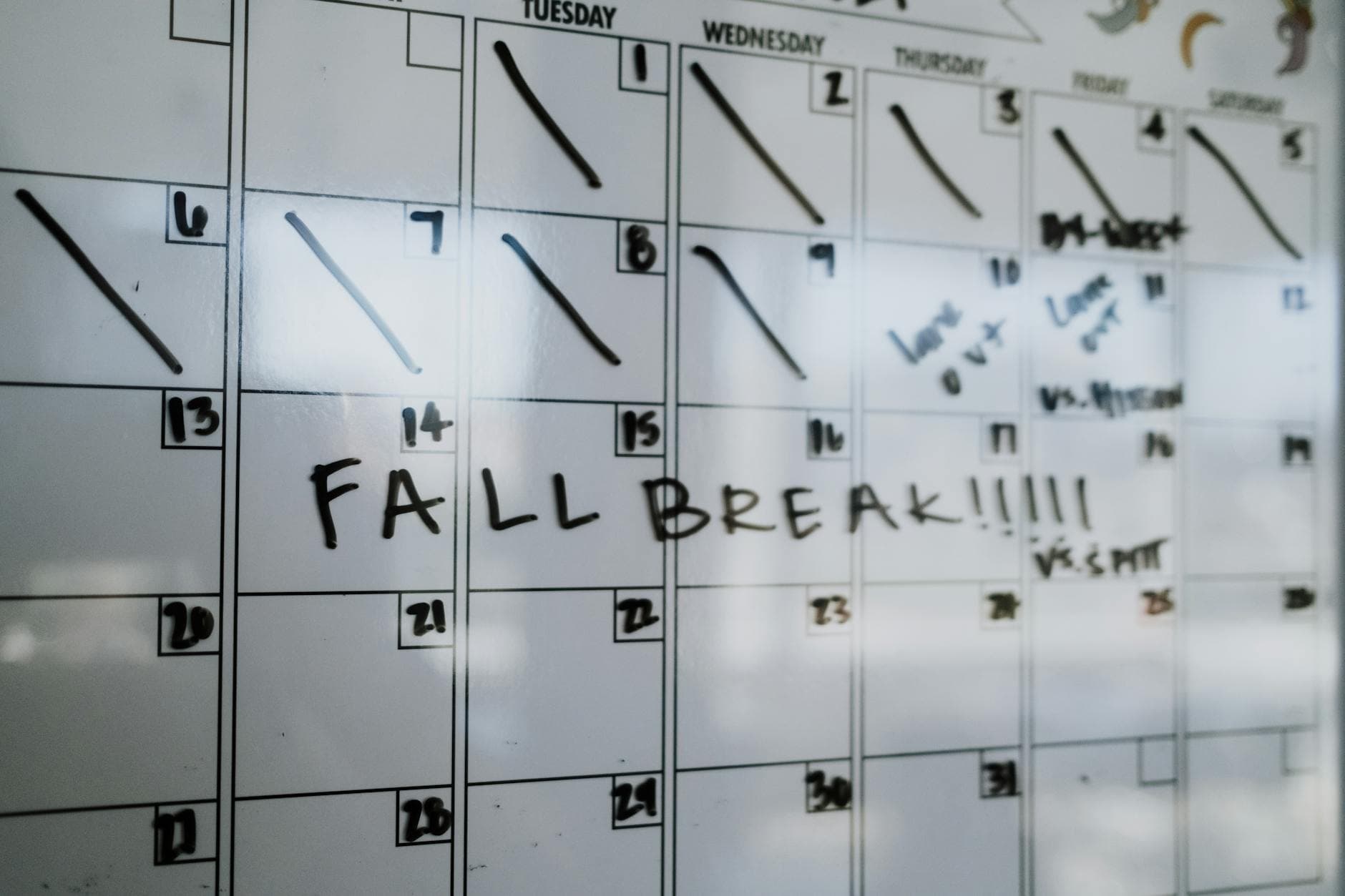
What if you could walk back into your life after a much-needed break – a vacation, a holiday, a period of intense work – and feel not just rested, but genuinely reconnected and in sync with the people you love? What if the inevitable re-entry didn't have to feel like a collision, but a gentle landing? This is the promise of mastering post-break communication, a skill that, in my experience, separates the truly harmonious households from the ones constantly navigating the fallout.
The Silent Storm After the Sun
We've all been there. You’ve just returned from a trip that felt like a balm for the soul. The kids are buzzing with stories, your partner seems relaxed, and you’re ready to slip back into your routine. But then… it starts. Little annoyances bubble up. Someone forgot to do something. A miscommunication about who was supposed to pick up the dry cleaning. Suddenly, that serene glow feels miles away, replaced by a subtle tension that can escalate surprisingly fast. This is the spring break aftermath, or really, any break aftermath, and it’s a prime example of why post-break communication is so crucial.
When Silence Becomes a Barrier
Often, after time apart, especially a long vacation, we assume everyone is on the same page. We expect the shared experiences of the break to somehow magically translate into seamless harmony back home. But here's the thing: people process differently. They have different needs, different levels of lingering exhaustion, and different expectations for the "return to normal." Ignoring these individual nuances is where the trouble begins.
The Unspoken Expectations Trap
Think about the last time you came back from a significant break. Did you explicitly state what you needed? Or did you assume your partner, your kids, your family would just *know*? This unspoken expectations trap is a major culprit in post-break friction. We expect others to read our minds, and when they don't, we feel disappointed, sometimes even resentful. This isn't about mind-reading; it's about clear, intentional communication.

Navigating the Re-entry Waves
The period immediately following a break can feel like navigating choppy waters. There's a disorientation that comes with shifting gears from relaxation or adventure back to the daily grind. This is particularly true when you’re talking about stress after holiday or trying to communicate needs after vacation. It's not just about the logistical return; it's about the emotional and psychological re-adjustment.
Beyond "How Was Your Trip?"
We’re taught to ask, "How was your trip?" And that’s a start. But real connection after time apart requires more depth. It's about actively seeking to understand each other's experiences, not just on the surface, but on a deeper level. This is where the principles of active listening for couples become incredibly valuable. It's not just about hearing the words; it's about understanding the feelings behind them.
Acknowledging the Re-entry Challenges
Kids, especially, can struggle with re-entry. Their routines are disrupted, their energy levels might be different, and they might miss the freedom or novelty of the break. Understanding children's adjustment after break is vital for parents. For younger ones, you might need to employ techniques like active listening with toddlers to help them express their feelings about returning to their usual environment. For teenagers, the complexities are different, and mastering active listening with teens can be the key to unlocking their post-break emotions.

Communicating Needs: The Foundation of Connection
One of the most overlooked aspects of post-break communication is the direct articulation of individual needs. After a period where routines were suspended, personal space might have been limited, or demands were high, everyone emerges with a slightly different set of requirements to feel settled and happy again. This is precisely why understanding couple communication needs is so important, especially after periods of separation or intense togetherness.
The Power of the "I Need" Statement
Instead of saying, "You always leave your stuff everywhere," try, "I need a bit of time to myself to unpack and settle in before I can tackle the laundry." This simple shift from accusation to personal need can defuse conflict before it even starts. It's about owning your feelings and clearly stating what would help you transition more smoothly. This applies to everyone in the household, from partners to children.
Setting Boundaries After Vacation
This is a big one. You might have spent two weeks in close quarters with extended family, or perhaps you were constantly "on" as a couple. The immediate aftermath might require setting boundaries after vacation. This could mean needing an evening to yourself, a quiet morning before diving into emails, or even a designated "no-talking-about-the-trip" hour to allow for individual decompression. These aren't selfish acts; they are acts of self-preservation and essential for healthy relationships.
Reconnecting After a Break: More Than Just Small Talk
The goal of post-break communication isn't just to get back to "normal." It's an opportunity to deepen your connection after time apart. It's about using the shared experience of the break as a springboard for renewed understanding and intimacy.
Sharing the Highlights (and the Lowlights)
It's tempting to just share the glossy, Instagram-worthy moments of a trip. But often, the more honest conversations about what was challenging, what surprised you, or even what you found mundane, can lead to greater empathy. This is where genuine partner communication after time apart truly shines. Sharing vulnerabilities, even small ones, builds trust.
The "What We Learned" Conversation
I used to think that the end of a vacation was just that – an end. But I've learned that it's also a beginning. A beginning of integrating the lessons, the relaxation, or the new perspectives gained. Having a "what we learned" conversation can be incredibly powerful. Did you discover a new way to manage family stress? Did you realize a particular activity brought your family closer? These insights are gold for future interactions.

The Unexpected Angle: Communication as a Reset Button
Here's something that surprised me early on in my career: post-break communication isn't just about managing the transition back. It can actually serve as a powerful reset button for your relationships. Think about it. You've had a break from the usual pressures and routines. This is a prime opportunity to implement new communication strategies, to consciously choose how you want your interactions to be moving forward.
Using the Break as a Catalyst for Change
Did you notice a pattern of miscommunication during the break itself? Perhaps you realized you weren't truly listening to your partner's needs, or that your children were struggling to voice their feelings. Instead of letting these patterns simply reassert themselves upon return, use the break as a catalyst. This is where you can consciously apply effective communication strategies. Consider the principles of decluttering communication to streamline your interactions and reduce the noise.
The "Aftermath Audit" of Needs
I often recommend what I call an "aftermath audit" of needs. This isn't about blame or complaint. It's a calm, reflective discussion, perhaps a week or two after returning from a significant break. It's a chance to check in with each other. "How are you really feeling now that we're back?" "What's one thing that would make settling back in easier for you?" This proactive approach to understanding and meeting each other's needs can prevent many small issues from snowballing into larger conflicts. American Psychological Association research on post-break communication often highlights the importance of this reflective period.
Sustaining Harmony Beyond the Break
The skills you hone in post-break communication aren't just for the immediate aftermath. They are foundational for a healthy, connected life. The ability to communicate needs after vacation, to reconnect after a break, and to talk about stress after a holiday are all transferable skills that build resilience in your relationships.
Making Reconnection a Practice, Not an Event
The truth is, life is a series of breaks and returns. Whether it's a weekend away, a busy work week, or a major life transition, the need to reconnect and communicate effectively is constant. Don't wait for the next big vacation to prioritize this. Make it a daily practice. This includes regular check-ins, practicing active listening, and being willing to express your own needs with kindness and clarity. National Alliance on Mental Illness research on post-break communication underscores how consistent healthy communication can mitigate stress and improve well-being.
Self-Care as a Post-Break Imperative
Finally, and this is crucial for everyone, self-care after a hectic period is not a luxury; it's a necessity. You cannot pour from an empty cup. Whether it's taking a quiet bath, going for a walk, or simply having an hour to read a book, prioritizing your own well-being makes you a better partner, parent, and person. This replenished state allows you to engage in more positive and effective post-break communication. Psychology Today research on post-break communication consistently points to the link between individual well-being and relationship health.
So, the next time you’re packing your bags, remember that the most important thing you can pack isn’t just sunscreen or souvenirs. It’s the intention to communicate, to connect, and to care for yourself and those you love as you navigate the journey back home. The landing can be as beautiful as the departure, if you choose to make it so.