
The Family Communication Skills You Don't Know You're Missing
Honestly, I used to think I was pretty good at talking to my family. I mean, we’d chat, we’d laugh, we’d argue – the usual. But it wasn't until a particularly explosive argument with my teenager, followed by a week of frosty silence from my spouse, that I realized just how much I was missing. My understanding of family communication skills was, frankly, superficial. I was mistaking noise for connection and expecting understanding without truly building it. This humbling experience taught me that effective family communication isn't just about talking; it's about a complex dance of listening, empathy, and intentionality.
Why We Stumble in Family Talks
You've probably noticed it too: the conversations that spiral out of control, the well-intentioned advice that falls flat, the silent treatments that stretch for days. These aren't signs of a fundamentally broken family; they are often symptoms of underdeveloped family communication skills. We bring our own baggage, our ingrained habits, and our individual communication styles into the family unit, and without conscious effort, these can clash rather than complement.
The "Talking At" Trap
One of the most common pitfalls is the "talking at" rather than "talking with" phenomenon. This is where one person delivers a monologue, often with good intentions, but without creating space for genuine dialogue or understanding. Think of a parent constantly lecturing a teen about grades without ever asking how they feel about the pressure. It’s a one-way street that breeds resentment.
Misinterpreting Intentions
Here's the thing: we often assume our family members know what we mean or what we need. When they don't, we get frustrated. This is especially true with teenager communication. They are developing their own ways of expressing themselves, and we might misinterpret their gruffness as disrespect when it's actually a sign of their struggle to articulate complex feelings. We need to remember that clear communication requires explicit expression, not mind-reading.
The Weight of Unspoken Expectations
Unspoken expectations are like landmines in family dynamics. We expect our partners to know how we want things done around the house, or our children to understand why a certain behavior is unacceptable without a clear explanation. When these expectations aren't met, disappointment festers. This is where learning to express needs assertively becomes absolutely critical.

Building Bridges: The Cornerstones of Effective Family Communication
So, what does it take to move from conflict to connection? It starts with building a foundation of trust and respect, which then allows for the development of robust family communication skills. This isn't about grand gestures; it's about consistent, small actions that demonstrate you value each other's thoughts and feelings.
The Power of Active Listening
This is, hands down, the most impactful skill you can cultivate. Active listening isn't just waiting for your turn to speak; it's about truly hearing and understanding the speaker's message, both verbal and non-verbal. I can't stress this enough: mastering active listening steps can transform your family talks.
Beyond Hearing: Understanding
When someone is speaking, especially when they're sharing something difficult, your goal should be to understand their perspective, not to immediately solve their problem or offer a counter-argument. This means nodding, making eye contact, and using verbal cues like "I see" or "Tell me more."
Reflecting and Clarifying
A key technique here is reflective listening. You repeat back what you heard in your own words to ensure you've understood correctly. For example, "So, if I'm hearing you right, you're feeling overwhelmed because of the upcoming exams and the part-time job?" This simple act of clarification validates the speaker and prevents misunderstandings.
Expressing Yourself Clearly and Kindly
Once you've honed your listening skills, the next step is to communicate your own thoughts and feelings effectively. This is where many families struggle, especially when trying to express complex emotions.
Using "I" Statements
Instead of accusatory "you" statements ("You never help out"), pivot to "I" statements ("I feel overwhelmed when the dishes pile up because it makes the kitchen feel chaotic"). This focuses on your feelings and experiences without placing blame, making it much easier for the other person to hear you without becoming defensive. This is fundamental to healthy family dynamics.
Timing and Tone Matter
Choose your moments wisely. Bringing up a sensitive topic when someone is stressed, tired, or rushed is a recipe for disaster. And the tone of your voice can completely alter the message. A gentle, respectful tone is far more conducive to productive conversation than an aggressive or dismissive one.

Navigating the Storm: Resolving Family Conflict
Conflict is inevitable in any family. It’s not the presence of conflict that’s the problem; it’s how you handle it. Developing strong family communication skills is your best defense against destructive arguments and lingering resentments. Many of the issues that arise, particularly during times of increased stress like approaching spring break, can be managed with the right strategies.
The Art of De-escalation
When tensions rise, the first priority is to de-escalate. This means recognizing the signs of an impending argument and taking steps to cool things down before they boil over. This is a crucial skill for effective family communication.
Taking a Break
Sometimes, the best thing you can do is agree to a time-out. "I'm feeling too angry to talk productively right now. Can we revisit this in an hour?" This isn't avoidance; it's strategic pausing to allow emotions to settle. This is a technique often recommended in The Gottman Institute research on family communication skills.
Focusing on the Issue, Not the Person
It's easy to get personal in an argument, but that rarely leads to resolution. Stick to the specific behavior or situation that is causing the problem. Avoid name-calling or character assassinations. This is about resolving family conflict, not winning a battle of egos.
Finding Common Ground
Even in the midst of disagreement, there are usually shared goals or values. Identifying these can be a powerful way to bridge divides.
Brainstorming Solutions Together
Once emotions have cooled, sit down and brainstorm potential solutions. Encourage everyone to offer ideas without immediate judgment. You might be surprised at the creative solutions that emerge when you work collaboratively. This is a cornerstone of National Alliance on Mental Illness research on family communication skills.
Compromise and Agreement
Not every disagreement will have a perfect solution. Sometimes, compromise is necessary. The goal is to find a resolution that everyone can live with, even if it's not everyone's first choice. This fosters a sense of fairness and mutual respect.
Special Considerations: Talking to Kids and Teens
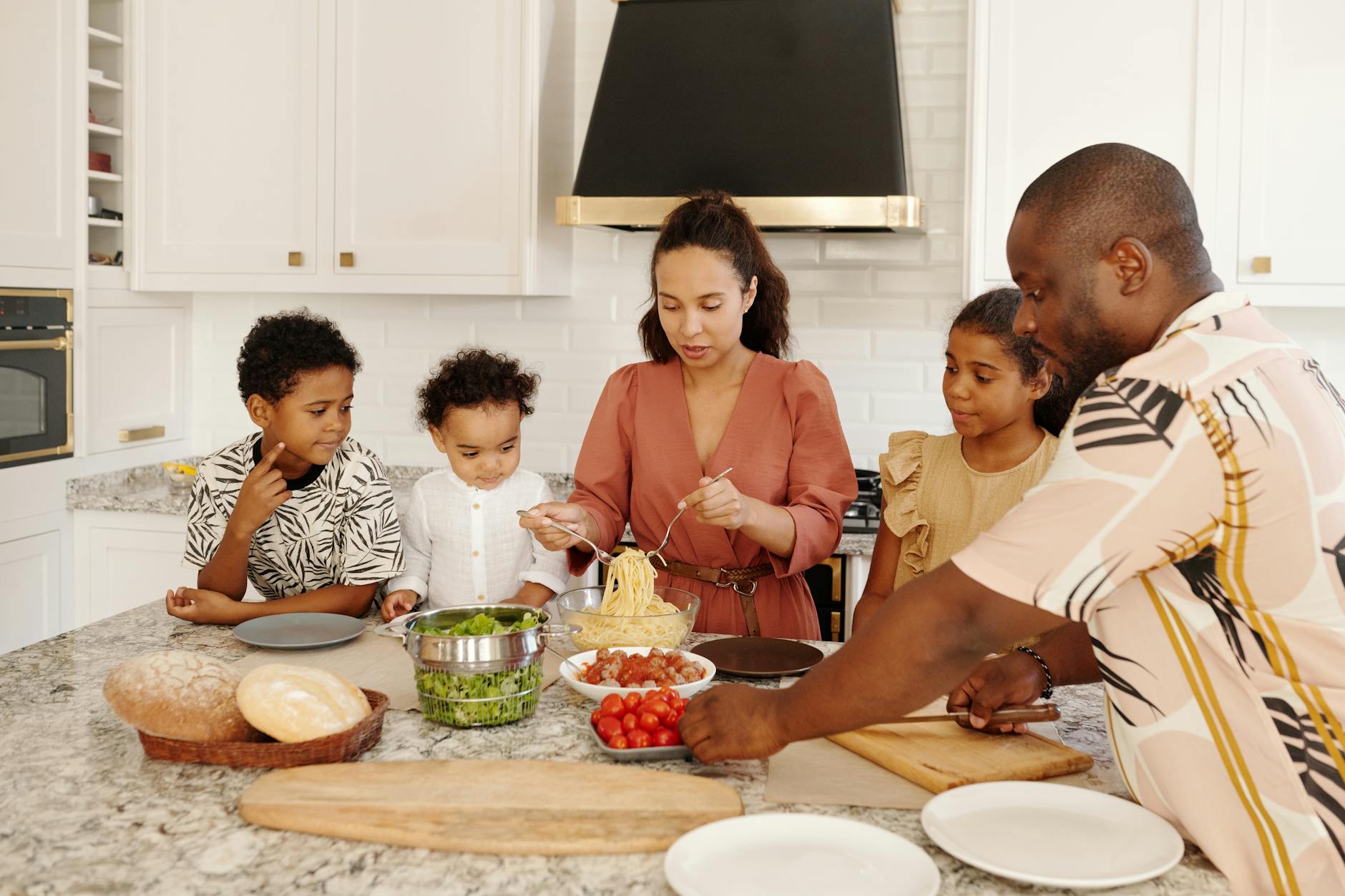
Parenting communication is a unique beast. Children and teenagers are at different stages of development, each requiring tailored approaches to effective family communication. The dynamic shifts significantly as they grow.
Age-Appropriate Conversations
What works for a five-year-old will not work for a fifteen-year-old. For younger children, use simple language and concrete examples. For teenagers, acknowledge their growing independence and desire for autonomy, even as you set boundaries.
Talking to Kids About Problems
When discussing issues with younger children, focus on feelings and simple cause-and-effect. "When you hit your sister, she felt sad and hurt. That's why we don't hit." For older kids, you can delve into more complex reasoning and consequences.
Navigating Teenager Communication
Teenagers often communicate through sarcasm, eye-rolls, or silence. It’s crucial to try and break through this by showing genuine interest in their world, respecting their privacy (within reason), and creating safe spaces for them to open up. Avoid interrogating them; instead, create opportunities for casual conversation, like during car rides or while preparing meals. This is where the nuance of expressing needs becomes vital, as they learn to articulate their own desires.
Sibling Arguments: A Different Kind of Conflict
Sibling arguments are almost a rite of passage. While some level of conflict is normal, constant fighting can be draining. Teaching siblings how to resolve their own conflicts is a valuable life skill.
Mediating vs. Letting Them Figure It Out
You don't have to step in every time. Sometimes, letting siblings work it out themselves (within safe boundaries) teaches them valuable conflict resolution strategies. However, if the arguments become too heated or one child is consistently being bullied, parental intervention is necessary.
Teaching Turn-Taking and Fairness
Often, sibling arguments stem from a perceived lack of fairness or a struggle over resources. Teaching them to take turns, share, and understand each other's perspectives can go a long way in reducing friction.
The Unexpected Benefit: Emotional Well-being
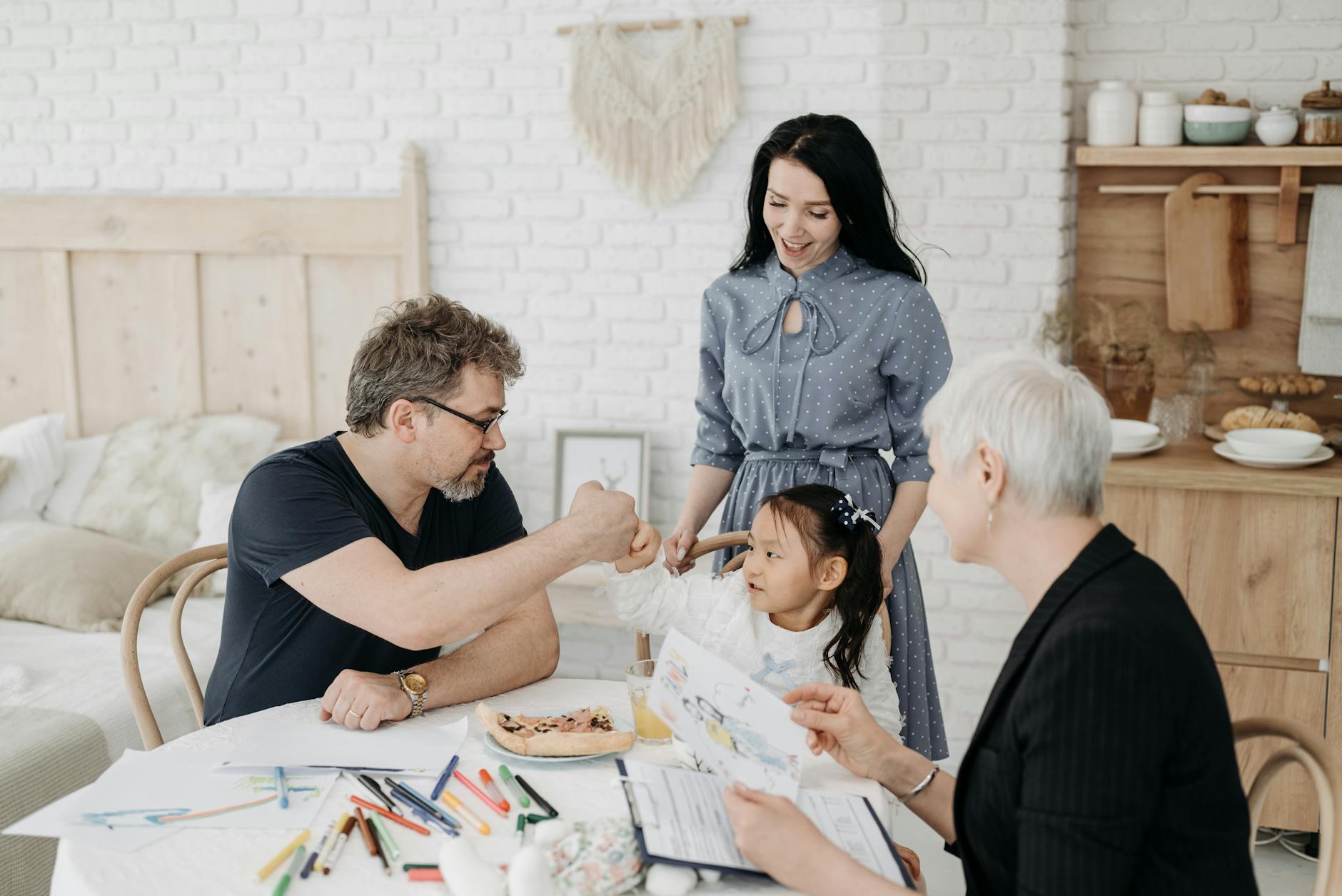
I’ll be real with you, the most profound impact of improving family communication skills isn't just fewer arguments; it's a significant boost to everyone's emotional well-being. When you can express yourself and feel heard, your stress levels decrease, and your sense of connection deepens. This is supported by extensive Psychology Today research on family communication skills.
Reducing Stress and Anxiety
When family communication is poor, simmering resentments and misunderstandings can create a constant undercurrent of anxiety. Learning to address issues openly and honestly can lift this burden. You don't have to walk on eggshells anymore.
Building Resilience
Families with strong communication skills are more resilient. They can weather storms, both internal and external, because they have the tools to support each other. This is incredibly important when facing challenges like job loss, illness, or the general spring break stress that can sometimes amplify existing family tensions.
Fostering a Sense of Belonging
At its core, good family communication is about making each member feel seen, valued, and understood. This sense of belonging is fundamental to a healthy individual and a strong family unit. It’s about creating a safe harbor where everyone feels they can be their authentic selves. This one surprised me initially – how much a simple apology, a true apology that means something, can heal rifts and reinforce that sense of belonging.
Improving your family communication skills is a marathon, not a sprint. There will be good days and bad days. But the effort you invest will yield immeasurable returns in the form of stronger relationships, deeper understanding, and a more peaceful, connected home. It’s about choosing to show up for each other, conversation by conversation.