
Picture this: It’s Saturday morning. Sunlight streams through the kitchen window, illuminating dust motes dancing in the air. Your kids, maybe one glued to a tablet, the other already halfway out the door, are giving you half-hearted grunts in response to your questions. You’re trying to nail down parent child communication for the upcoming spring break plans, but it feels like you’re speaking different languages. Sound familiar? This isn't about demanding perfect attention; it's about building bridges, one conversation at a time. I’ve been there, wrestling with my own kids to get them to engage, to feel heard, and to understand that their input actually matters. It's a constant dance, and mastering it means more than just getting them to agree on a movie choice. It's about fostering a connection that lasts, even when they’re adults.
The Foundation of Family Connection: Effective Parent Child Communication
Why Listening is More Than Just Hearing
Most of us think we're good listeners. We nod, we say "uh-huh," we wait for our turn to speak. But true listening, especially with kids, is about actively receiving their message, not just the words. It’s about understanding the emotion behind the complaint, the fear behind the defiance, or the excitement behind a wild idea. This active listening is the bedrock of parent child communication.
Setting the Stage for Open Dialogue
You can't just expect your kids to spill their guts. You have to create an environment where they feel safe doing so. This means being available, being present, and being non-judgmental, even when what they’re saying makes you want to pull your hair out. It's about showing them, consistently, that their thoughts and feelings are valid.
The Power of Presence
Here’s the thing: kids notice when you're truly present. Putting down the phone, making eye contact, and giving them your undivided attention for even five minutes can make a world of difference. It signals that they are a priority. This is a cornerstone of building family connection.
Navigating Spring Break Plans: A Masterclass in Family Vacation Communication
From Demands to Discussions: Talking to Kids About Plans
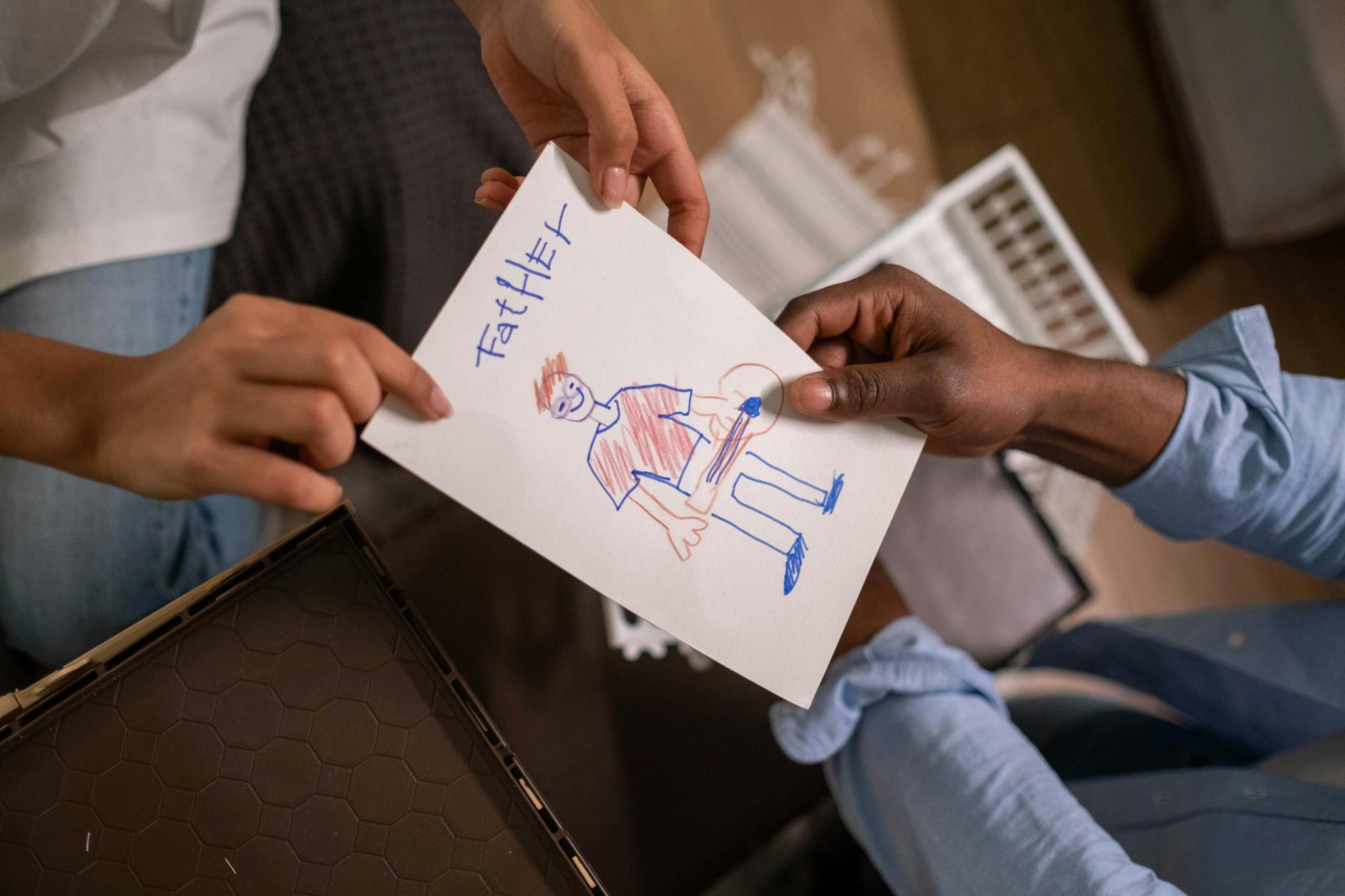
Remember last year’s spring break? Maybe it involved a last-minute scramble for activities, or perhaps a silent car ride filled with simmering resentment because someone didn't get their way. Spring break plans can be a minefield if not approached with intentionality. Instead of dictating, try to involve them in the planning process. Ask open-ended questions like, "What’s one thing you'd love to do this break that we haven't done before?" or "If you could design one perfect day of our vacation, what would it look like?" This isn't about letting them run the show, but about fostering a sense of ownership and excitement.
The Art of Negotiation with Kids
This is where things get interesting. You might have a budget, or a desire for some downtime, but your child might be dreaming of an all-day amusement park. This is where negotiating with kids comes in. It’s not about giving in, but about finding a middle ground. For instance, if they want a full day at the theme park, you might agree to it if they also commit to a family board game night or helping with a specific chore. It’s about teaching them the value of compromise and understanding that not every desire can be met instantly. It’s also a fantastic way to implement setting family expectations.
Making Family Vacation Communication a Win-Win
The goal of family vacation communication isn't just to get from point A to point B without major meltdowns. It’s about creating shared experiences and memories. When kids are involved in the planning, they’re more invested in the outcome. They feel heard, and that’s huge. This also helps prevent those awkward "I hate this vacation" moments that can ruin everyone’s fun. I’ll be real with you, sometimes it feels easier to just make all the decisions myself, but the long-term payoff of involving them is immense for harmonious family discussions.
Beyond the Holiday: Cultivating Daily Harmonious Family Discussions
The Ripple Effect of Daily Communication Habits
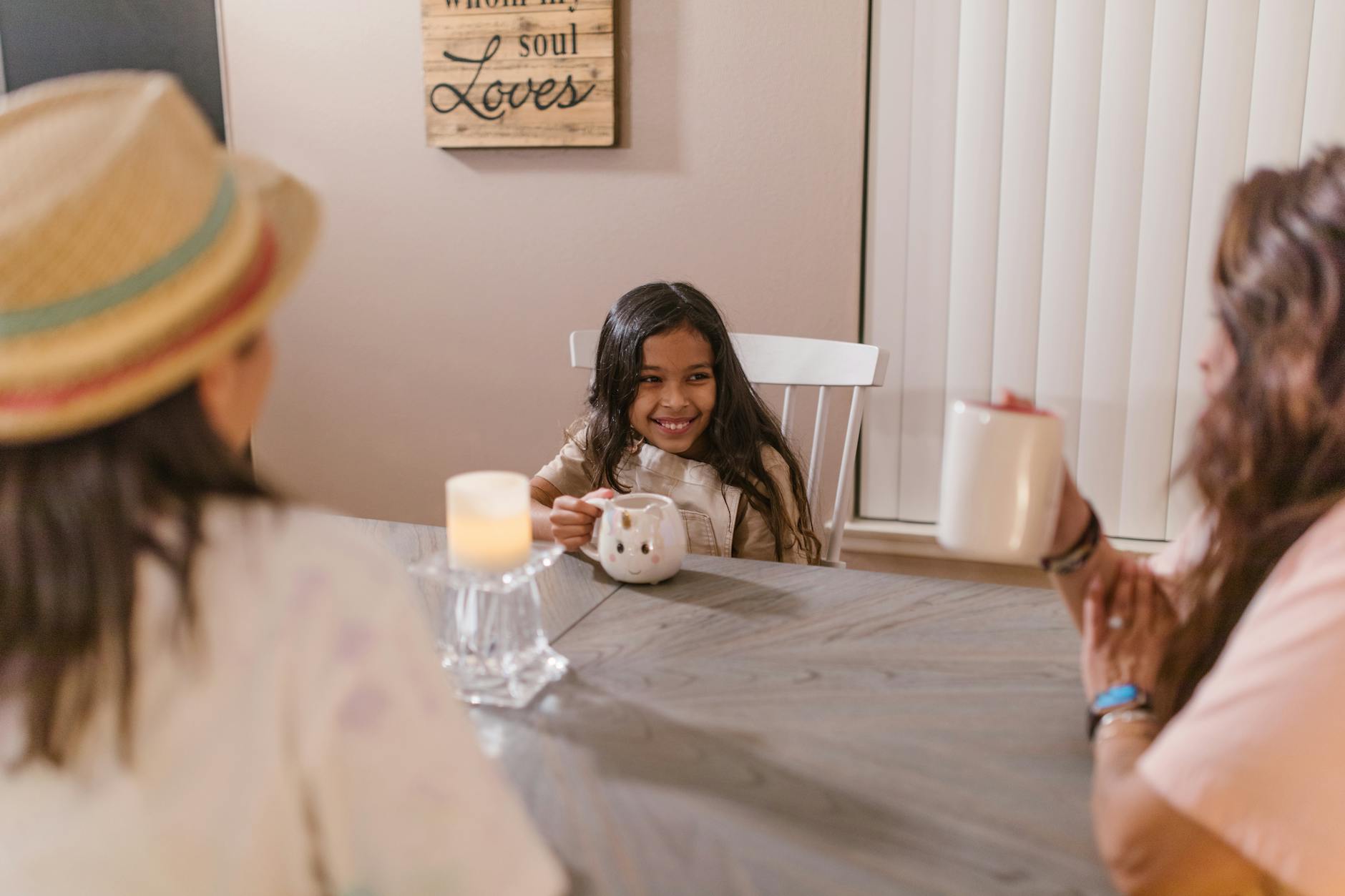
It’s easy to think that parent child communication is only important when big events are on the horizon, like spring break plans or summer vacations. But the truth is, the quality of your daily interactions sets the stage for everything else. If you’re constantly dismissing their feelings or rushing through conversations, don't expect them to open up when it really matters. Improving your communication habits for deeper connections is an ongoing process, not a one-time fix.
Addressing the Small Stuff Before It Becomes Big Stuff
Think about the last time you had a minor disagreement with your partner. If you let it fester, it can grow into something much larger, right? The same applies to kids. Learning to address unspoken issues gently is crucial. This could be a quick check-in before bed, asking about their day beyond "What did you do?", or noticing when they seem withdrawn and gently inquiring if everything is okay. This proactive approach is a key part of positive parenting strategies.
The Unexpected Power of Routines
This one surprised me. I used to think routines were just for younger kids, but I've found that consistent, predictable communication touchpoints can be incredibly beneficial for older children too. Whether it's a shared breakfast, a drive to school, or a walk after dinner, these regular moments provide natural opportunities for connection. They become the low-stakes practice grounds for effective communication with children, making those bigger conversations feel less daunting.

When Conflict Arises: Managing and Resolving Disagreements
Understanding the Root of the Conflict
Conflict is inevitable in any family. Kids are learning to navigate their emotions and the world around them, and sometimes that means pushing boundaries or expressing frustration in ways that feel challenging. The key isn't to avoid conflict, but to learn how to navigate it constructively. Often, what appears to be defiance is actually a cry for attention or a sign that a need isn't being met. This is where understanding managing conflict with children truly shines.
The "I Feel" Statement: A Simple Tool, Powerful Results
When you're feeling frustrated, it's easy to fall into the trap of blaming. "You never listen!" or "You always make a mess!" are common phrases. But these accusatory statements immediately put kids on the defensive. Instead, try shifting to "I feel..." statements. For example, "I feel frustrated when the toys aren't put away because it makes it hard to walk safely." This focuses on your experience without attacking them, opening the door for more productive dialogue. It’s a core component of learning to express needs clearly.
Finding Solutions Together
Once emotions have cooled, bring everyone back to the table to find a solution. This is where child involvement in decision making is incredibly valuable. Even young children can offer ideas for how to resolve a problem. This not only empowers them but also ensures that the solution is one they are more likely to adhere to. This collaborative approach reinforces the idea that everyone in the family has a voice and contributes to the household's well-being.
Building Lasting Connections Through Intentional Communication
The Long Game of Parent Child Communication
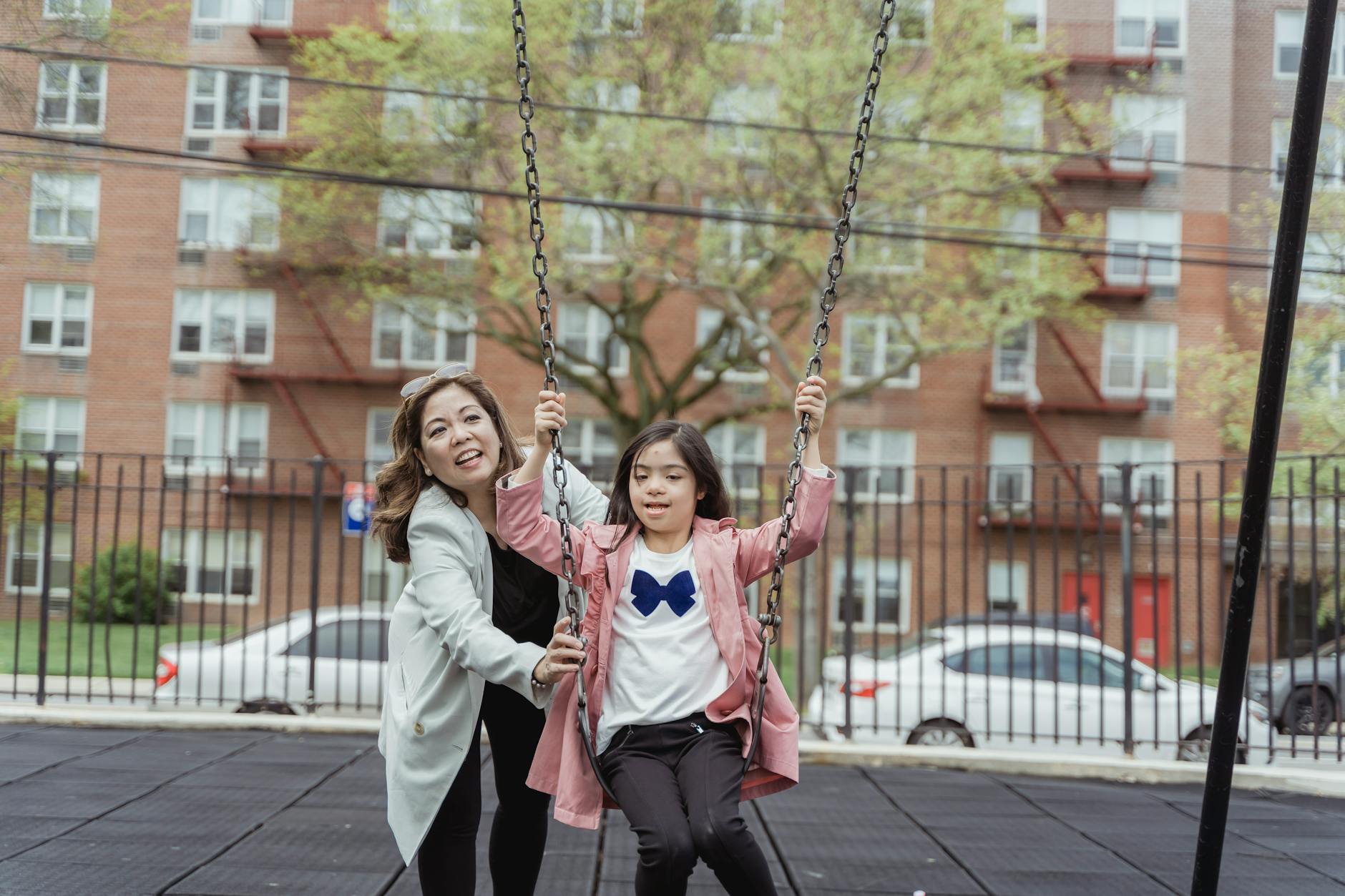
It’s easy to get caught up in the day-to-day chaos and feel like you’re not making progress. But honestly, the effort you put into parent child communication today is an investment in your relationship tomorrow. The foundation you build now will support your children as they navigate adolescence and adulthood. Research from institutions like the National Institutes of Health research on parent child communication consistently highlights the long-term benefits of strong family bonds.
When to Seek External Support
Sometimes, despite your best efforts, communication remains a struggle. You might find yourselves in a constant cycle of arguments, or you might notice significant behavioral changes in your child. In these instances, seeking professional help is a sign of strength, not weakness. Therapists and counselors specializing in family dynamics can provide invaluable tools and strategies. Resources from organizations like the National Alliance on Mental Illness research on parent child communication can offer guidance on when and how to seek support.
Your Role as a Communication Role Model
Children learn by watching. The way you communicate with your partner, with other family members, and even with strangers on the street, teaches your children volumes about effective interaction. Practicing good couple communication skills, learning to express needs clearly, and demonstrating respect in your own dialogues are powerful lessons. As noted in Psychology Today research on parent child communication, parental modeling plays a significant role in shaping a child’s own communication patterns. Remember, it’s not about perfection; it’s about progress and a genuine desire to connect.