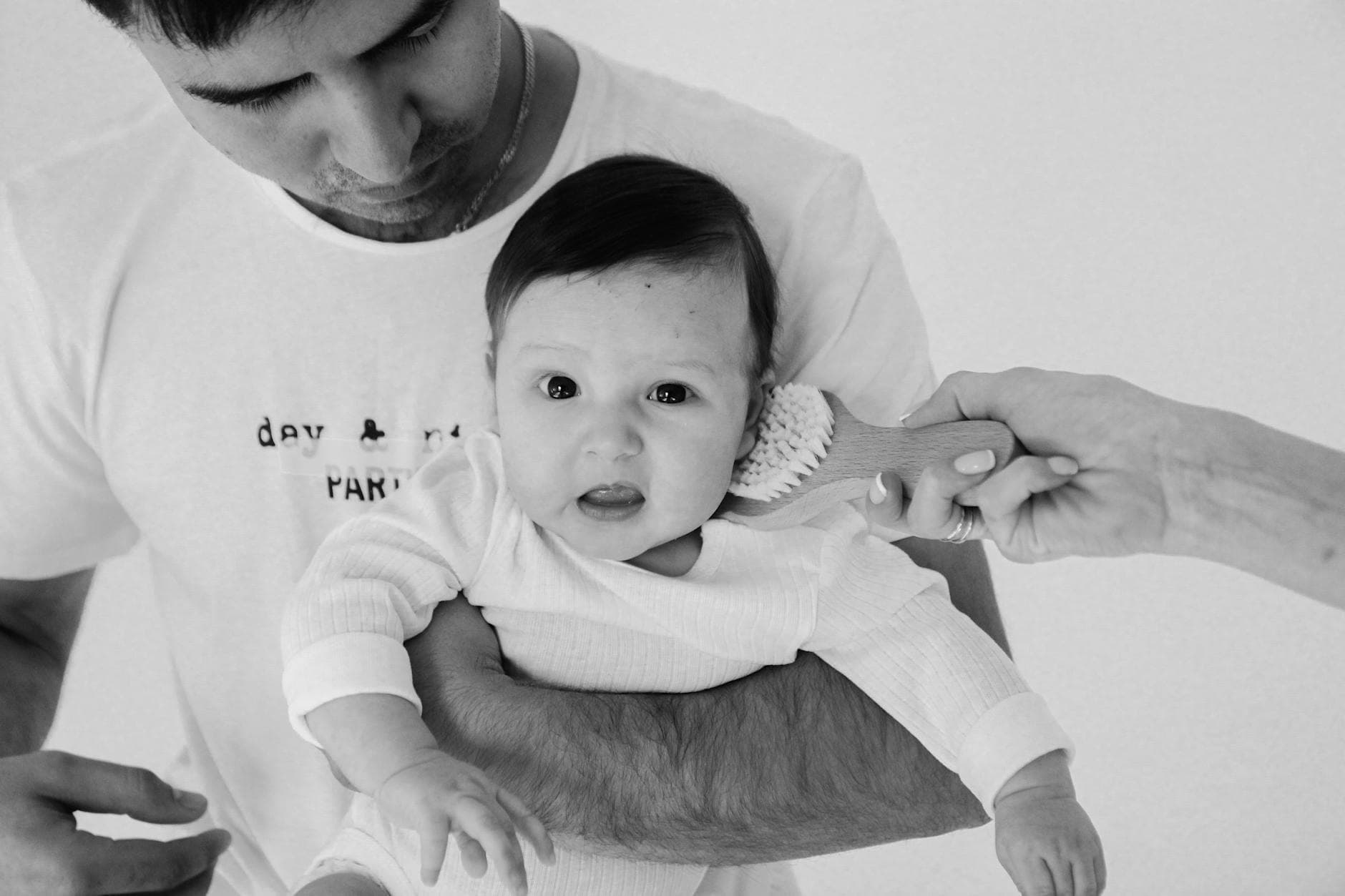
Here's a truth bomb: most people think new parent self care is a luxury. A bubble bath here, a quiet coffee there. But I'm here to tell you, it's not. It's the absolute bedrock of survival and thriving for anyone welcoming a tiny human. It’s the secret weapon against the tidal wave of exhaustion, the relentless demands, and the profound emotional shifts that come with becoming a parent. Forget the fluffy notions; new parent self care is a critical, non-negotiable necessity.
The Unseen Battle: Why New Parent Self Care is Non-Negotiable
The Myth of the Invincible Parent
We're fed this narrative that parents are superheroes, capable of running on fumes and endless love. It’s a dangerous myth. The reality is, the postpartum period is a monumental physical and emotional undertaking. For mothers, it's recovery from childbirth. For fathers, it's adapting to a completely new identity and a drastically altered household dynamic. For both, it's sleep deprivation on a scale you never imagined possible. This isn't a time for heroic feats of self-denial; it's a time for radical, gentle care.
Mental Wellbeing After Birth: The Silent Struggle
The statistics are sobering. Postpartum depression and anxiety affect a significant percentage of new mothers and fathers. Ignoring your own needs doesn't make these issues disappear; it often exacerbates them. Prioritizing self care isn't selfish; it's preventative maintenance for your mental wellbeing after birth. It's about building resilience, not just for yourself, but for your growing family. Think about the last time you felt truly depleted – now imagine that feeling amplified by 24/7 baby duty. That's why this matters so deeply.
The Ripple Effect of Neglect
When a parent burns out, the whole family feels it. Irritability, lack of patience, and a diminished capacity for joy can strain relationships with your partner and affect your bond with your baby. This isn't about being a "good parent"; it's about being a *present* and *capable* parent. The American Psychological Association research on new parent self care consistently highlights the link between parental well-being and child development. It's a powerful reminder that taking care of yourself is, in essence, taking care of your child.

Self Care for New Moms: Beyond the Postpartum Glow
Nourishing Your Body, Nurturing Your Soul
Let’s be real: "self care for new moms" often conjures images of spa days. While lovely, that’s not always practical in the early weeks. True self care here means ensuring you’re getting adequate nutrition and hydration. Think simple, nutrient-dense meals you can eat with one hand. Water bottles strategically placed around the house. It’s about the basics, done consistently. I used to think self care had to be elaborate, but I learned that even a 5-minute stretch can make a world of difference.
The Power of Tiny Breaks
You might be thinking, "Where do I find the time?" Here's the thing: you don't 'find' time; you *create* it. Even a 10-minute window can be a lifeline. This could be stepping outside for fresh air while your partner holds the baby, listening to a podcast for a few minutes, or simply sitting in silence. These micro-moments are crucial for resetting your nervous system and managing stress new parent. It's about recognizing that even small acts of intentional self-kindness are powerful.
Seeking and Accepting Support
This one surprised me. As a new mom, asking for help felt like admitting defeat. But it's the opposite. Accepting help from your partner, family, or friends is a sign of strength. Delegate tasks! Let someone else fold laundry or bring over a meal. This isn't about being a martyr; it's about recognizing you have a village, and it's there to support you. The National Alliance on Mental Illness research on new parent self care emphasizes the role of social support in mitigating postpartum challenges.
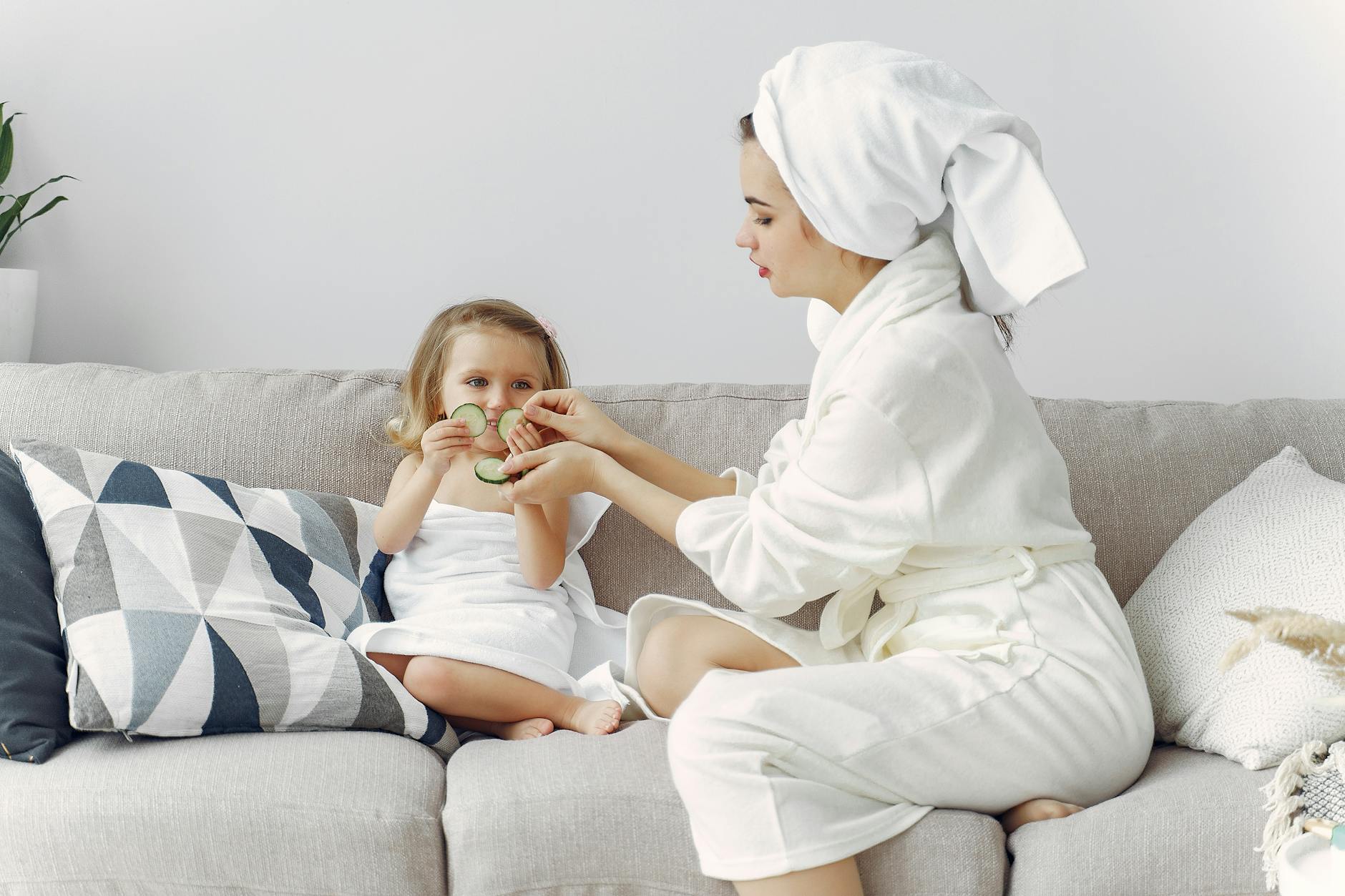
Self Care for New Dads: Stepping into Your New Role
Redefining Fatherhood and Self-Care
The narrative for new dads can be just as challenging. Often, the focus is on being the provider and supporter, sometimes at the expense of their own needs. Self care for new dads isn't about abandoning responsibilities; it's about integrating your well-being into your new role. This might mean carving out time for a hobby, connecting with other new fathers, or ensuring you get adequate rest. It's about acknowledging that your mental health is just as vital as anyone else's in the household.
The Importance of Connection
Feeling connected is paramount. This means open communication with your partner about your feelings, your fears, and your needs. It also means finding ways to connect with your baby beyond the practicalities of feeding and changing. Skin-to-skin contact, singing, or simply talking to them can be incredibly bonding and fulfilling. This connection is a form of self care in itself, fostering a sense of purpose and love.
Finding Your "Me" Time
Even an hour a week can feel like a marathon when you're sleep-deprived. But it's essential. Whether it's hitting the gym, meeting a friend for coffee, or losing yourself in a book, this dedicated time allows you to recharge. It prevents burnout and allows you to return to your family feeling more present and patient. Think about the last time you felt completely yourself, without the weight of constant responsibility. That feeling is worth fighting for.

Postpartum Self Care Tips: Practical Strategies for Survival
Embrace Imperfection
Here’s a radical idea: it’s okay if the house isn’t spotless. It’s okay if you’re wearing yoga pants for the third day in a row. Postpartum self care is about prioritizing what truly matters, and often, that’s your sanity. Let go of the pressure to be perfect. This is a season of intense transition, and perfection is an impossible standard. Focus on connection, rest, and nourishment, and let the rest slide.
The Role of Partner Support
Partner support new parents is not a bonus; it's a foundational element of successful new parenthood. This means actively sharing the load, both practically and emotionally. It means checking in with your partner regularly, asking "How are you *really* doing?" and listening without judgment. It’s about being a team, weathering the storm together, and celebrating the small victories.
Sleep Deprivation Tips: A Lifeline
This is arguably the biggest hurdle. My top tip for sleep deprivation is to sleep when the baby sleeps. I know, I know, it sounds impossible with a million other things to do. But honestly, the dishes can wait. That email can wait. Prioritize rest above almost everything else. If you have a partner, establish a system for night feeds and sleep shifts. Even a few uninterrupted hours can make a significant difference. You might also find resources for new parent exhaustion incredibly helpful during this phase.

Finding Time for Self Care Amidst the Chaos
The Art of Scheduling "Nothing"
This one sounds counterintuitive, but it's incredibly effective. Schedule small pockets of time for yourself, just as you would schedule a doctor's appointment. Put it in your calendar: "15 minutes quiet time." Even if it’s just to stare out the window, it’s a commitment to yourself. This is how you build the habit and ensure it doesn't get lost in the shuffle. It’s about reclaiming small moments for yourself, even amidst the relentless demands of newborn care mental health.
Leveraging Technology Wisely
While screens can be a rabbit hole, they can also be a tool. Use apps for guided meditations, calming music, or even just to connect with supportive online communities. Podcasts can be a great way to feel like you're engaging with the outside world while you're rocking your baby. Just be mindful of how you're using it – aim for connection and calm, not comparison or overwhelm. This is where finding time for self care becomes more manageable.
The Long Game: Building Sustainable Habits
New parent self care isn't a sprint; it's a marathon. The early weeks are about survival, but as you settle into a routine, you can gradually build more sustainable practices. This might involve reintroducing exercise, pursuing a creative outlet, or making time for regular social connections. Psychology Today research on new parent self care often points to the long-term benefits of establishing these routines early on. It’s about creating a foundation for your ongoing well-being.
The journey of new parenthood is breathtakingly beautiful, utterly exhausting, and profoundly transformative. It demands so much from you, physically, emotionally, and mentally. But here’s the incredible thing: by prioritizing new parent self care, you’re not just surviving; you’re equipping yourself to truly *thrive*. You’re building resilience, strengthening your relationships, and ensuring you have the energy and presence to cherish every fleeting moment with your little one. It’s the most important investment you can make. So, take that breath. Drink that water. Ask for that help. You are worthy of care, especially now.