
What if you could face life's inevitable storms not just with a stiff upper lip, but with a quiet, unshakeable strength? Imagine a wellspring of inner power you could tap into, no matter what the world throws your way. This isn't some mystical secret; it's the art and science of how to build resilience. I've been fascinated by this for years, watching people navigate immense hardship with grace and emerge not just intact, but stronger. It’s like witnessing a phoenix rise, and the truly exciting part? This isn't reserved for a select few. It’s a skill, a muscle you can develop.
The Surprising Foundation: More Than Just Bouncing Back
When we talk about resilience, the common image is simply "bouncing back." But honestly, it's so much more profound than that. It's about adapting, growing, and even thriving in the face of adversity. Think about the last time you faced a significant challenge. Did you just snap back to your old self, or did something shift? True resilience isn't about erasing the scars; it's about integrating them into a more robust version of you. It’s about developing a mental health resilience that sees setbacks not as endpoints, but as detours.
Understanding the Core Concept
At its heart, building resilience is about cultivating a mindset and a toolkit that allows you to weather emotional, psychological, and even physical storms. It's a proactive approach to mental wellness, not just a reactive one. This is where the real magic happens – when you start to see challenges as opportunities for growth.
Beyond a Fixed Trait
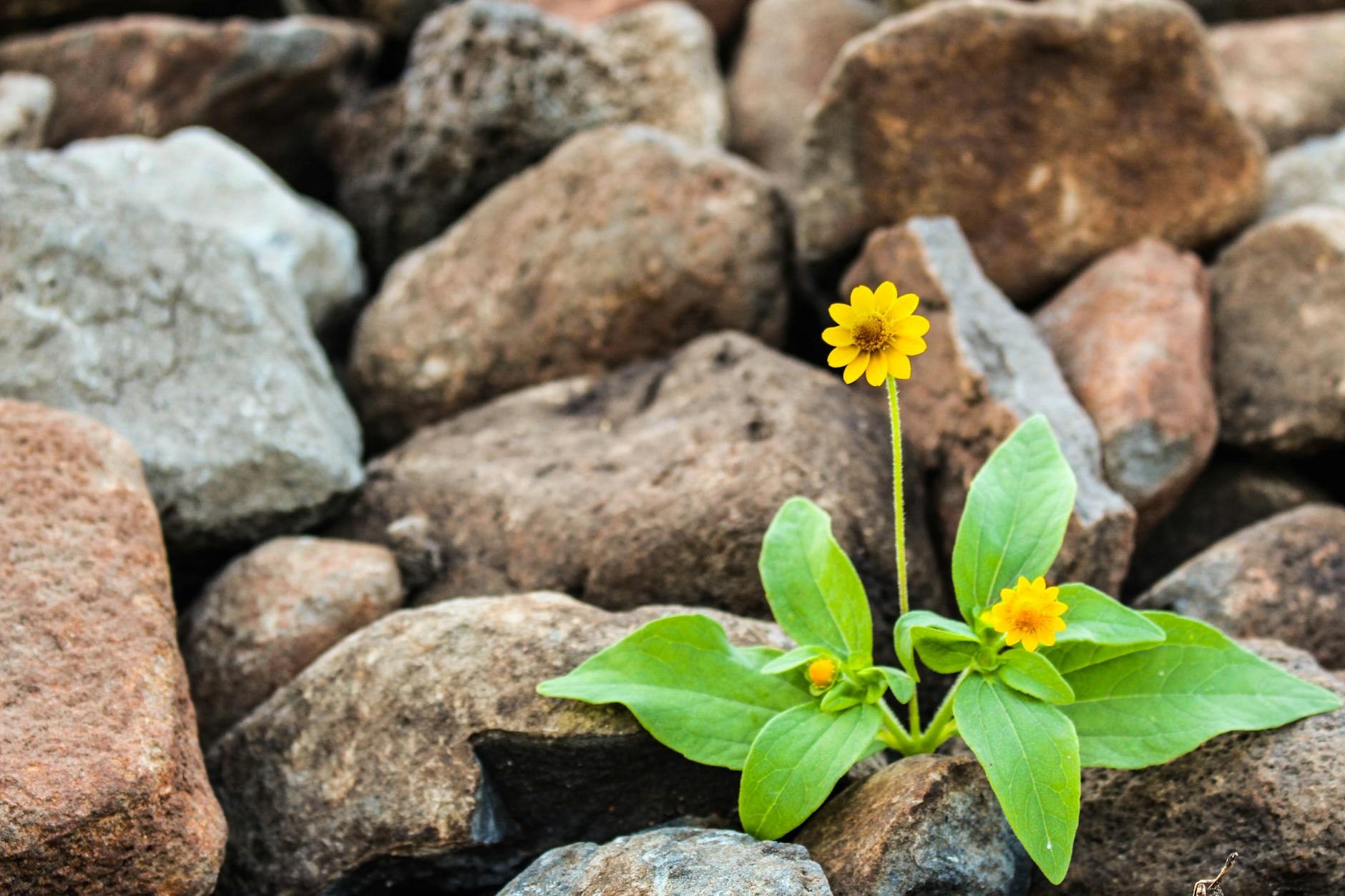
I used to think resilience was something you were either born with or you weren't. That’s a myth! While some people might have a natural inclination, the research is clear: you can absolutely learn and build resilience. It’s a dynamic process, and the springtime feels like a perfect metaphor for its renewal. Just as nature emerges from winter's grip, we too can emerge from difficult periods stronger, more vibrant, and ready for new growth. This is the essence of Spring Mental Reset: Beat Post-Winter Blues Now.

Cultivating Your Inner Strength: Resilience Strategies Unpacked
So, how do we actually do it? How do we actively build resilience? It’s a multifaceted endeavor, involving a blend of mindset shifts, practical habits, and conscious effort. It’s not about avoiding pain, but about developing the capacity to move through it. I've seen this play out in countless lives, and it’s consistently inspiring.
The Power of Connection
One of the most critical factors in strengthening resilience is social support. Humans are wired for connection. Nurturing strong relationships provides a buffer against stress and offers a vital source of comfort and perspective. Think about the last time you felt truly heard and understood by a friend or family member during a tough time. That’s resilience in action, fueled by connection. The Gottman Institute has a wealth of research on how strong relationships are foundational, highlighting their importance in navigating life's challenges. Their work underscores that healthy connections are a cornerstone for The Gottman Institute research on build resilience.
Nurturing Your Support Network
This means actively investing time and energy into the people who matter. It’s about being present, offering support, and being willing to ask for it when you need it. Don't underestimate the power of a simple phone call or a shared cup of coffee.
Embracing a Growth Mindset
Another cornerstone for resilience building is adopting a growth mindset. This is the belief that your abilities and intelligence can be developed through dedication and hard work. Instead of viewing failures as definitive proof of inadequacy, people with a growth mindset see them as opportunities to learn and improve. This perspective is incredibly empowering when you’re trying to build resilience.
Reframing Challenges
When faced with a setback, ask yourself: What can I learn from this? How can this experience make me stronger? This simple shift in perspective can transform a demoralizing event into a valuable lesson.
Developing Effective Coping Skills
This is where the rubber meets the road. Resilience strategies aren't just about thinking differently; they're about acting differently. Developing a robust set of coping skills is essential for navigating stress and adversity. These are the practical tools you can deploy when you're feeling overwhelmed. Think about learning to manage your stress effectively; it’s a crucial aspect of Spring Anxiety Help: Find Peace with Self-Compassion.
Mindfulness and Self-Awareness
Practicing mindfulness, even for a few minutes a day, can dramatically increase your ability to stay present and manage overwhelming emotions. It’s about observing your thoughts and feelings without judgment. This self-awareness is a superpower for building mental health resilience.
Problem-Solving Prowess
When challenges arise, breaking them down into smaller, manageable steps can make them feel less daunting. This proactive approach to problem-solving is a key resilience building skill.

The Springboard Effect: Resilience and Renewal
There's a beautiful synergy between the changing seasons and our own capacity for growth. As spring arrives, there's a palpable sense of renewal in the air. This external shift can serve as a powerful catalyst for our internal journey to build resilience. The longer days and warmer weather often bring a natural boost in energy and mood, making it an ideal time to focus on mental wellness. It’s like the world is giving us a gentle nudge to shake off the dormancy of winter and embrace new possibilities.
Harnessing Seasonal Energy
The increased sunlight and opportunities for outdoor activity during spring can significantly impact our mental state. Taking advantage of this natural uplift can fuel our efforts to strengthen resilience. Think about the simple joy of a walk in nature; it’s a powerful way to engage in Spring Energy Boost: Beat Winter Blues Naturally.
Outdoor Engagement
Spending time outdoors, whether it’s gardening, hiking, or simply enjoying a park, has been shown to reduce stress and improve mood. This connection with nature can be a potent tool for resilience building.
Setting Intentions for Growth
Spring is a time for planting seeds, both literally and figuratively. It’s an excellent period to set clear intentions for your personal growth and to commit to practices that will help you build resilience. This conscious intention-setting can make all the difference.
Personal Goal Setting
Identify specific areas where you want to grow stronger. Perhaps it’s learning to manage conflict better, developing more patience, or improving your ability to cope with stress. Setting concrete goals provides direction for your resilience efforts.

The Role of Self-Care in Building Resilience
Here's the thing: you cannot pour from an empty cup. Self-care isn't a luxury; it's a fundamental necessity for building and maintaining mental health resilience. It’s the bedrock upon which all other resilience strategies are built. Without it, even the best intentions can crumble under pressure. I’ll be real with you, I’ve learned this the hard way, and it’s a lesson worth repeating.
Prioritizing Physical Well-being
Our physical and mental health are inextricably linked. Ensuring you get adequate sleep, nourish your body with healthy foods, and engage in regular physical activity are non-negotiable components of resilience building. These practices directly impact your brain’s ability to cope with stress.
Sleep Hygiene
Consistent, quality sleep is vital for emotional regulation and cognitive function. Establishing a regular sleep schedule and creating a relaxing bedtime routine can significantly improve your resilience.
Nutritional Impact
What you eat directly affects your mood and energy levels. Focusing on a balanced diet rich in fruits, vegetables, and whole grains can provide the fuel your brain needs to navigate challenges.
Emotional Regulation Techniques
Learning to understand and manage your emotions is a critical aspect of strengthening resilience. This involves acknowledging your feelings without letting them dictate your actions.
Journaling for Insight
Writing down your thoughts and feelings can provide clarity and help you process difficult emotions. It’s a powerful tool for self-discovery and emotional resilience.
Deep Breathing Exercises
Simple yet incredibly effective, deep breathing exercises can calm your nervous system in moments of acute stress, allowing you to respond more thoughtfully rather than react impulsively. This is a key part of effective Spring Anxiety Help: Find Peace with Self-Compassion.
Seeking Support: When to Reach Out
While self-reliance is a component of resilience, there is immense strength in knowing when and how to seek support. Overcoming challenges doesn't mean you have to do it alone. The National Alliance on Mental Illness offers resources and information for those navigating mental health concerns, emphasizing that seeking help is a sign of strength, not weakness. Their insights are invaluable for anyone looking to bolster their mental health resilience. Remember, the goal is to build resilience, and sometimes that means leaning on others.
Professional Guidance
Therapy and counseling provide a safe and confidential space to explore challenges, develop coping mechanisms, and build a stronger sense of self. The benefits of virtual therapy are significant, offering accessibility and convenience. Consider exploring Virtual Therapy Benefits: Stay Warm & Get Support.
Therapeutic Modalities
Different therapeutic approaches, like Cognitive Behavioral Therapy (CBT) or Dialectical Behavior Therapy (DBT), offer specific tools and strategies for managing stress, anxiety, and other mental health challenges. These can be powerful allies in your journey to build resilience.
The Value of Peer Support
Connecting with others who have similar experiences can provide a unique sense of understanding and validation. Support groups, whether online or in-person, can be a vital part of your resilience-building network. The National Institutes of Health research highlights the profound impact of social support on mental well-being and resilience. Their findings consistently point to connection as a key factor in how individuals build resilience. You can learn more through National Institutes of Health research on build resilience.
Sharing Experiences
Simply sharing your story and hearing from others can reduce feelings of isolation and provide new perspectives on your own challenges. This shared humanity is a powerful force for healing and growth.
Building resilience is not a destination; it’s a continuous, evolving process. It’s about cultivating a deep well of inner strength that allows you to face life’s inevitable ups and downs with courage and grace. Embrace the journey, celebrate the small victories, and remember that with consistent effort and self-compassion, you possess the incredible capacity to build resilience and thrive, no matter what comes your way.