
The Myth of Spring's Automatic Renewal
There's this common idea, isn't there, that spring just *happens* to fix everything? That the longer days and blooming flowers automatically boost your mood and make you feel resilient. I'll be real with you, for years I bought into that narrative. I thought once winter’s chill faded, my internal landscape would automatically shift, and my mental resilience spring would just kick into high gear. But that’s a myth, or at least a vastly oversimplified version of reality. For many, the transition itself can be jarring, bringing its own unique set of challenges. This isn’t about wishing away the darkness; it’s about understanding that true mental resilience isn't a passive gift from the season, but an active cultivation.
The Spring Paradox
The Pressure to "Bloom"
We see it everywhere: vibrant social media posts, chirpy advertisements, and even well-meaning advice about embracing the "new beginnings" of spring. This constant barrage can create an unspoken pressure to feel perpetually upbeat, to shed winter's weight effortlessly. If you're not feeling it, it’s easy to feel like you’re failing, like your internal weather system is broken.
Seasonal Shifts and Our Psyche
While the increased sunlight can indeed impact our mood positively for many, it's not a universal cure. For some, the shift can disrupt sleep patterns, exacerbate allergies that impact mood, or even trigger seasonal affective disorder (SAD) in reverse, known as summer-pattern SAD, though spring can also bring its own form of blues for some individuals.
Beyond the Surface Shine
Resilience is an Inside Job
Genuine mental resilience spring isn't about waiting for external conditions to change and magically fix you. It’s about building internal capacities that allow you to navigate *any* season with greater stability and strength. It’s about developing coping mechanisms that work regardless of whether the daffodils are out.
Cultivating Your Inner Spring Garden
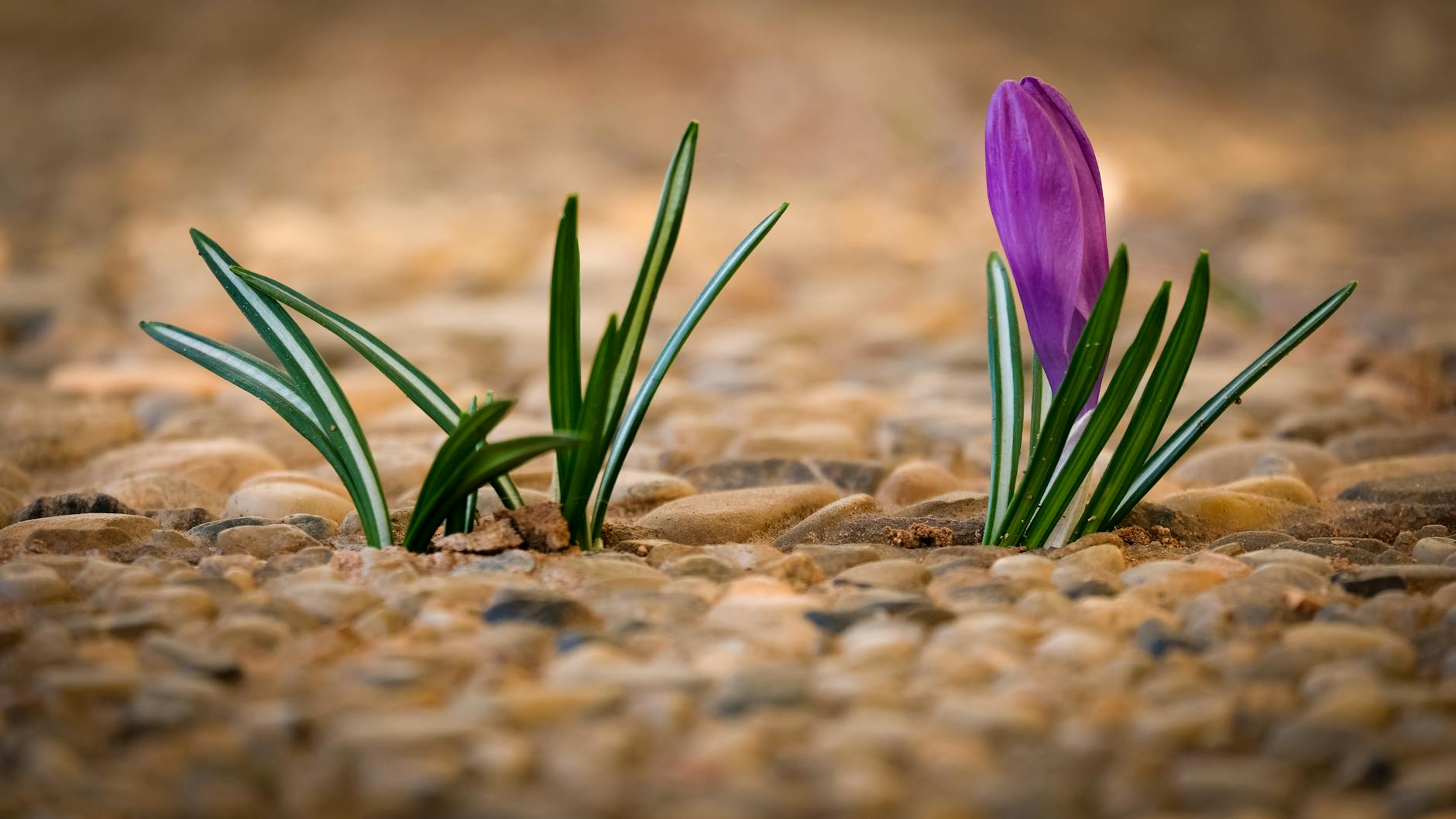
If spring's renewal isn't automatic, then what is it? It’s an opportunity. An opportunity to tend to your own inner landscape, much like a gardener tends to their soil. It’s about preparing for growth, nurturing what’s already there, and weeding out what’s holding you back. This is where proactive strategies come into play, helping you to boost mental resilience as the world around you awakens.
Preparing the Soil
Mindful Awareness of Your State
Before you can cultivate anything, you need to know what you're working with. This means paying attention to your thoughts, emotions, and physical sensations without judgment. Are you feeling more irritable? Is your energy dipping unexpectedly? Simply noticing these patterns is the first step to understanding them.
Setting Realistic Intentions
Forget grand, overwhelming goals. Instead, think about small, achievable intentions. Maybe it's drinking one extra glass of water a day, or committing to a 15-minute walk three times a week. These small wins build momentum and reinforce your ability to follow through, which is a core component of resilience.
Planting Seeds of Strength
The Power of Routine
This is where establishing strong mental health habits becomes crucial. When life feels chaotic, a predictable routine can be an anchor. This doesn't mean rigidity, but rather creating a framework that supports your well-being, like consistent sleep schedules, regular mealtimes, and dedicated time for activities you enjoy.
Nourishing Your Mind
Just as plants need the right nutrients, your mind needs nourishment. This can come in many forms: engaging with stimulating content, learning something new, or simply engaging in activities that bring you joy and a sense of flow. Think about what truly feeds your spirit, not just what distracts you.
Navigating Seasonal Mental Health Shifts
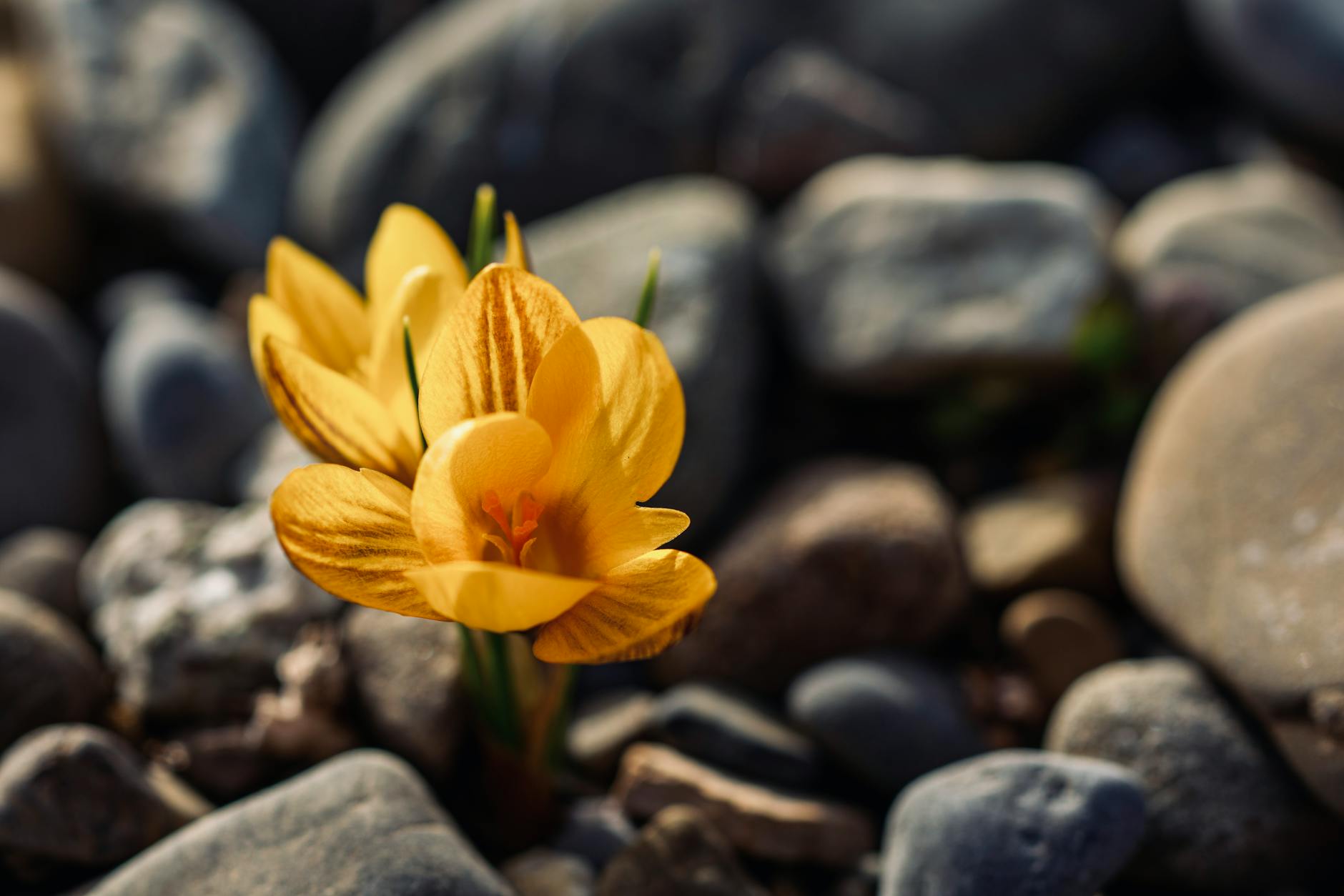
The concept of seasonal mental health is something I’ve wrestled with personally. I used to dismiss it as a minor inconvenience, but I’ve come to understand its profound impact. The changing light, the shift in social rhythms, the pressure to be more active – all these can subtly or not-so-subtly affect our emotional equilibrium. Understanding these shifts is key to building resilience for them.
The Sun's Double-Edged Sword
Light and Our Biological Clocks
Increased daylight hours can signal our brains to produce less melatonin, the sleep hormone. This can lead to lighter sleep, which, ironically, can decrease mood and energy levels for some. It’s a delicate balance, and our bodies don't always adjust seamlessly.
The "Spring Slump" Phenomenon
For many, the transition itself, rather than the peak of spring, can be the most challenging period. This is often referred to as the "spring slump," a time when motivation can dip despite the outward signs of renewal. It’s important to recognize that this is a valid experience, not a personal failing. You might find strategies for overcoming this slump in resources about spring slump therapy can be incredibly helpful.
Coping with Seasonal Changes
Embracing Movement
When the weather improves, it's a fantastic opportunity to increase physical activity. Even a brisk 30-minute walk can significantly improve mood and energy levels. Studies have shown that regular exercise can be as effective as some antidepressants for mild to moderate depression. This is a cornerstone of resilience building tips.
Mindfulness as an Anchor
The changing seasons can feel unpredictable. Practicing mindfulness can help you stay grounded amidst these shifts. Simple techniques, like focusing on your breath or engaging your senses during everyday activities, can create a sense of calm and presence. Exploring spring stress management through mindfulness can be a game-changer.

The Unseen Battles: When Spring Doesn't Feel Bright
Here's a part of the mental resilience spring conversation that often gets overlooked: what happens when you're still struggling, even as others seem to be thriving? This is where the real work of building mental fortitude lies – not in denying the difficulty, but in facing it with courage and effective strategies. I used to think I just had to "power through," but that approach often left me depleted.
The Weight of Unmet Expectations
The Comparison Trap
It’s so easy to look at others and feel like you’re falling behind. You see friends enjoying outdoor activities, feeling energized, and you might wonder what’s wrong with you. This comparison can chip away at your self-esteem and make your own struggles feel even heavier. Remember that everyone is fighting their own battles, often unseen.
Internalizing the "Shoulds"
We internalize so many "shoulds" about how we ought to feel during spring. "I should be happier." "I should have more energy." These self-imposed expectations can be incredibly damaging, creating a cycle of self-criticism that undermines your efforts to boost mental resilience.
Finding Support When You Need It
The Value of Professional Guidance
Sometimes, the internal shifts are too significant to manage alone. Seeking professional help is a sign of strength, not weakness. Therapists can provide tools and strategies tailored to your unique situation. For instance, if anxiety is a significant issue, exploring CBT for spring anxiety can offer practical, evidence-based techniques.
Connecting with Your Community
Don't underestimate the power of connection. Sharing your experiences with trusted friends, family, or support groups can make you feel less alone. Even a simple conversation can offer a new perspective or a much-needed sense of validation. It’s about building a network of support that sustains you through all seasons.

Spring Self-Care: Beyond the Superficial
When we talk about spring self-care tips, it often conjures images of spa days and new outfits. While those things can be nice, true self-care runs much deeper. It’s about actively choosing actions that nurture your well-being, protect your energy, and support your long-term mental health. This is where building genuine mental strength for spring truly takes root.
Nourishing Your Body and Mind
The Gut-Brain Connection
What you eat directly impacts your mood and energy levels. Focusing on whole, unprocessed foods can make a significant difference. Incorporating more fruits, vegetables, and lean proteins can provide the sustained energy you need to navigate the season. This is a foundational aspect of mental health habits.
Prioritizing Sleep Quality
As the days lengthen, it's easy for our sleep schedules to get disrupted. However, consistent, quality sleep is non-negotiable for good mental health. Aim for 7-9 hours per night and try to maintain a regular sleep-wake cycle, even on weekends. This is a fundamental pillar of spring mental wellness.
Setting Healthy Boundaries
Protecting Your Energy
Spring often brings an increase in social invitations and demands. It’s crucial to learn to say "no" when you need to. Protecting your energy is not selfish; it's essential for maintaining your resilience. Think about the last time you overcommitted and how it made you feel. Was it worth it?
Digital Detoxification
The constant influx of information and social media can be overwhelming. Schedule regular breaks from your devices. This allows your mind to rest and recharge, fostering a greater sense of peace and clarity. This practice is essential for maintaining spring stress management.
The Continuous Bloom of Resilience
Building mental resilience spring isn't a one-time event; it’s a continuous process. It’s about recognizing that challenges are inevitable, but our response to them is within our power to shape. Think of it less like a switch that flips on in April and more like a garden that needs tending year-round, with spring offering a particularly potent season for focused growth. The insights from Psychology Today research on mental resilience spring consistently highlight the importance of ongoing practice.
Embracing Imperfection
The Journey, Not the Destination
There will be days when you feel strong and capable, and days when you feel like you’re back at square one. This is normal. Resilience isn't about being perfect; it's about your ability to bounce back, to learn from setbacks, and to keep moving forward. It’s about understanding that your emotional resilience strategies are always evolving.
Celebrating Small Victories
Don't wait for monumental achievements to acknowledge your progress. Celebrate the small wins: getting out of bed when you didn't want to, having a difficult conversation, or simply taking a moment for yourself. These small acts of self-compassion build a strong foundation for lasting mental fortitude.
Looking Ahead with Hope
Integrating Lessons Learned
Each season, each challenge, offers valuable lessons. Reflect on what you've learned about yourself and your coping mechanisms. This self-awareness is a powerful tool for navigating future difficulties. It’s about continuous growth, much like the cycle of nature itself, and understanding the nuances of Healthline research on mental resilience spring can offer further insights.
A Call to Cultivate
So, as the world around you awakens, I urge you to turn your attention inward. Don’t wait for the season to bestow resilience upon you. Actively cultivate it. Tend to your inner garden with intention, patience, and self-compassion. This is how you truly build a mental resilience spring that can sustain you, not just for a season, but for life. Remember, organizations like the National Alliance on Mental Illness research on mental resilience spring provide extensive resources for this very purpose.