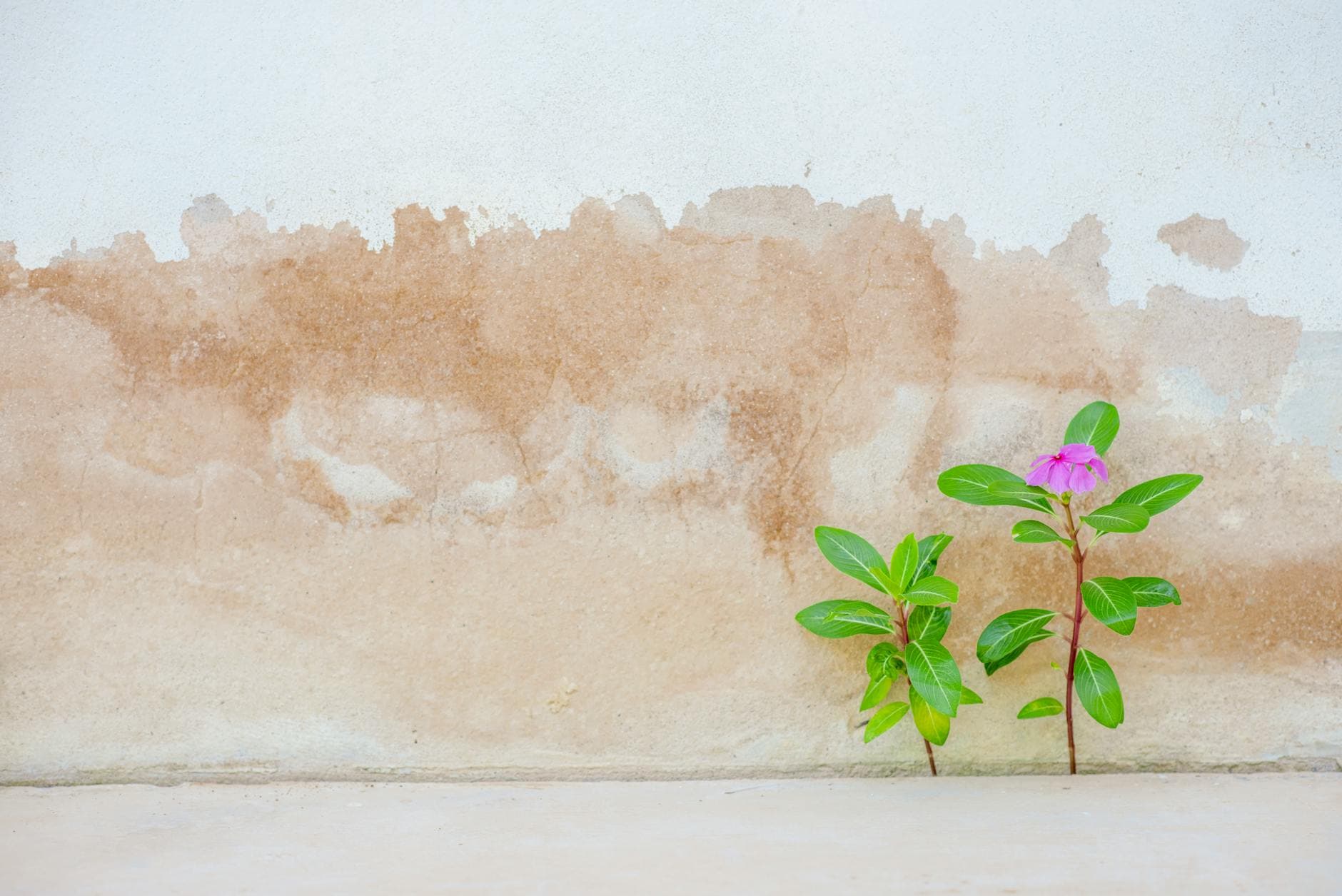
The Myth of the Unbreakable Person: Cultivating Resilience
There's a common, and frankly, damaging idea out there that some people are just naturally tough. They weather storms with a stoic expression, seemingly immune to the emotional fallout. We see them and think, "Wow, they've got it. They're resilient." But here's the thing: that's not quite how cultivating resilience works. It's not an inherent trait you're born with or without; it's a muscle you build, a skill you hone. It's about learning to bend without breaking, to adapt, and to find your footing again after life knocks you down. This isn't about being emotionless; it's about learning to process emotions constructively.
What Resilience Isn't
Many folks mistakenly believe that being resilient means never feeling pain, never crying, or never struggling. This couldn't be further from the truth. True resilience isn't about avoiding hardship; it's about how you respond to it. It's about acknowledging the difficulty, feeling the emotions that come with it, and then actively choosing a path forward.
The Active Process of Building Resilience
Think of it less like a fortress and more like a dynamic ecosystem. It's constantly adjusting, adapting, and growing. Building resilience is an ongoing, personal journey, not a destination you arrive at. It involves conscious effort and a willingness to learn from every experience, good or bad.
Navigating the Storms: Embracing Hardship
Life, as you've probably noticed, isn't always sunshine and smooth sailing. There will be rough patches, unexpected detours, and moments that feel like they might just break you. These are the crucibles where true resilience is forged. It's easy to feel overwhelmed when things go south, but these are precisely the times when our capacity for growth is most profound. This is where resilience after trauma often begins, not as an absence of pain, but as a slow, deliberate process of healing and rebuilding.
The Unexpected Gifts of Difficulty
It sounds counterintuitive, I know, but hardship can offer profound lessons. It can clarify your values, reveal hidden strengths, and deepen your appreciation for the good things in life. This isn't to say that suffering is desirable, but rather that our response to it can be transformative. Post-traumatic growth is a real phenomenon, where individuals, after experiencing significant adversity, report positive psychological change.
Learning to Weather the Weather
Consider the seasons. Winter can feel bleak and long, mirroring periods of hardship in our lives. But with the right approach, we can move through it. Just as spring eventually arrives, bringing new life and growth, so too can we emerge from difficult times stronger and wiser. This is very much like overcoming winter blues; it requires intentional action to see the signs of spring's arrival, both externally and within ourselves.
Foundational Pillars for Mental Resilience
Building mental resilience isn't a single action; it's a tapestry woven from various threads of self-care and mindset. These are the core elements that create a robust inner foundation, helping you withstand and bounce back from life's inevitable challenges. It’s about creating a sturdy framework that can support you when the winds blow hard.
Connection: The Unsung Hero
One of the most critical, yet often overlooked, aspects of building resilience is social connection. Humans are wired for connection. Having a strong support network—friends, family, or even a supportive community—acts as a vital buffer against stress. When you feel alone, problems can seem insurmountable. Sharing your struggles with someone you trust can lighten the load significantly. I remember a friend going through a brutal divorce; she said the only thing that kept her going was her weekly coffee dates with her sister. It wasn't advice she needed, just a listening ear and the knowledge she wasn't alone.
Nurturing Your Tribe
This isn't about having hundreds of acquaintances. It's about cultivating a few deep, meaningful relationships. Invest time in these connections, be present for others, and allow yourself to be vulnerable. It's a two-way street.
Purpose: Your Guiding Star
Having a sense of purpose, a reason to get out of bed in the morning, is a powerful resilience booster. This doesn't mean you need to be saving the world. Your purpose can be found in your work, your hobbies, your family, or your contributions to your community. It provides direction and meaning, especially during tough times.
Finding Your "Why"
Reflect on what truly matters to you. What activities make you feel alive and engaged? What impact do you want to have? Even small, consistent actions aligned with your values can foster a strong sense of purpose.
Self-Compassion: The Gentle Hand
This one surprised me when I first started seriously exploring mental wellness tips. We are often our own harshest critics. Practicing self-compassion means treating yourself with the same kindness and understanding you would offer a dear friend who is struggling. It's about acknowledging your imperfections and mistakes without judgment.
Kindness Over Criticism
When you mess up, instead of berating yourself, try to offer yourself words of comfort and encouragement. Remind yourself that everyone makes mistakes and that you are doing your best.
Resilience Strategies for Everyday Life
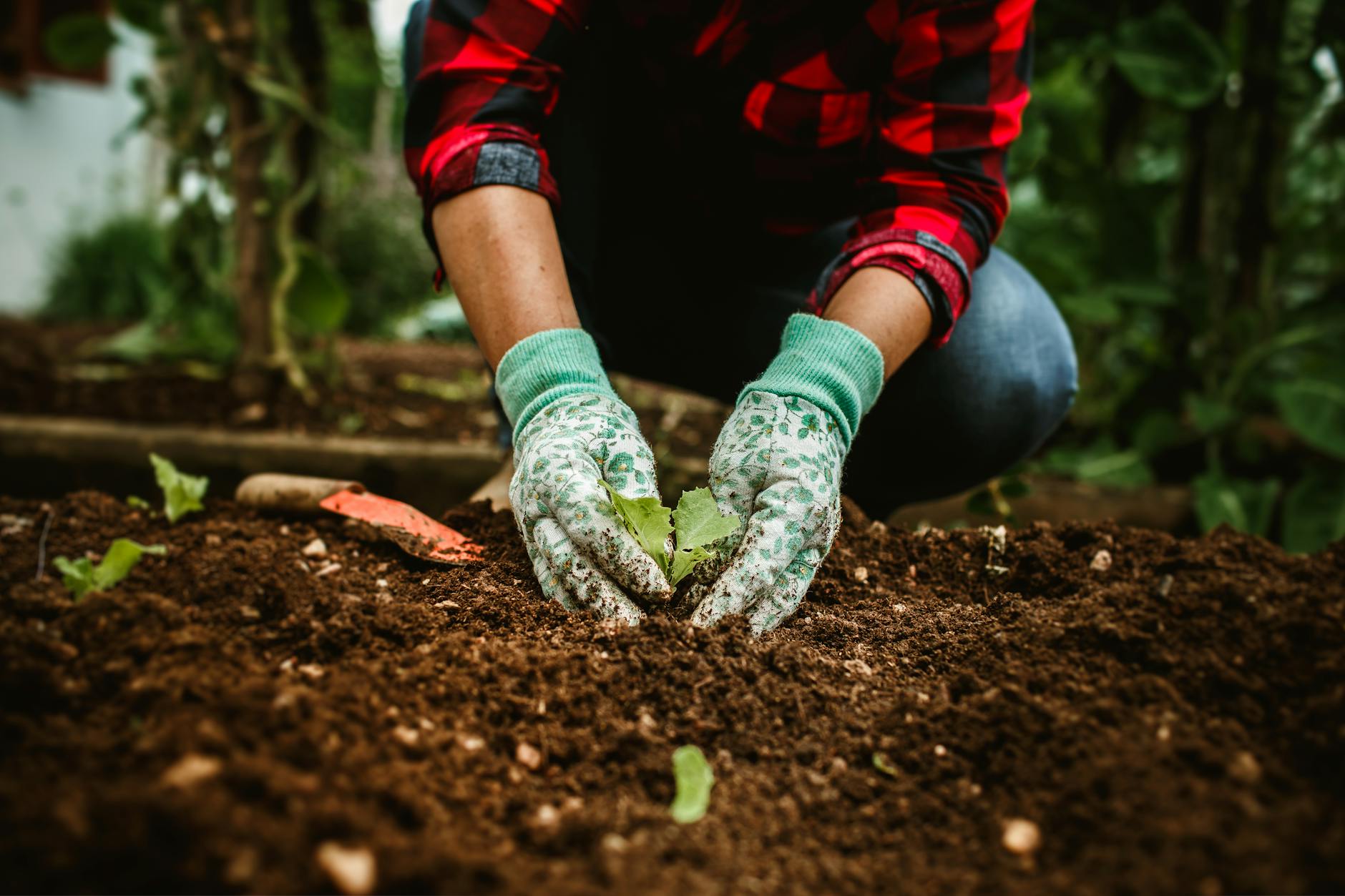
Cultivating resilience isn't just for crisis moments; it's about integrating practices into your daily life that build your capacity to cope. These are the practical tools that help you maintain your equilibrium and bounce back more effectively when challenges arise.
Mindfulness and Present Moment Awareness
So much of our anxiety stems from dwelling on the past or worrying about the future. Mindfulness, the practice of paying attention to the present moment without judgment, can be incredibly grounding. It helps you observe your thoughts and feelings without getting swept away by them.
Simple Daily Practices
Start small. Take a few minutes each day to simply notice your breath. Pay attention to the sensations of eating your food or the feeling of the sun on your skin. There are many guided meditations available online and through apps that can help you get started.
Problem-Solving Skills: Taking Action
When faced with a challenge, it's easy to feel paralyzed. Developing strong problem-solving skills involves breaking down issues into manageable steps and actively seeking solutions. This isn't about having all the answers immediately, but about developing a systematic approach.
From Overwhelm to Action
First, identify the core problem. Then, brainstorm potential solutions, no matter how outlandish they seem at first. Evaluate the pros and cons of each option and then choose the best course of action. Finally, implement your plan and assess the results. This methodical approach can turn overwhelming situations into actionable tasks.
Physical Well-being: The Body-Mind Connection
Your physical health is inextricably linked to your mental resilience. Neglecting your body will inevitably impact your mind's ability to cope. This is why self-care after difficult times often includes a focus on physical restoration.
Movement and Nourishment
Regular exercise, even a brisk walk, releases endorphins that can significantly improve your mood. Eating a balanced diet provides your brain with the nutrients it needs to function optimally. Getting enough sleep is also non-negotiable for emotional regulation and cognitive function.
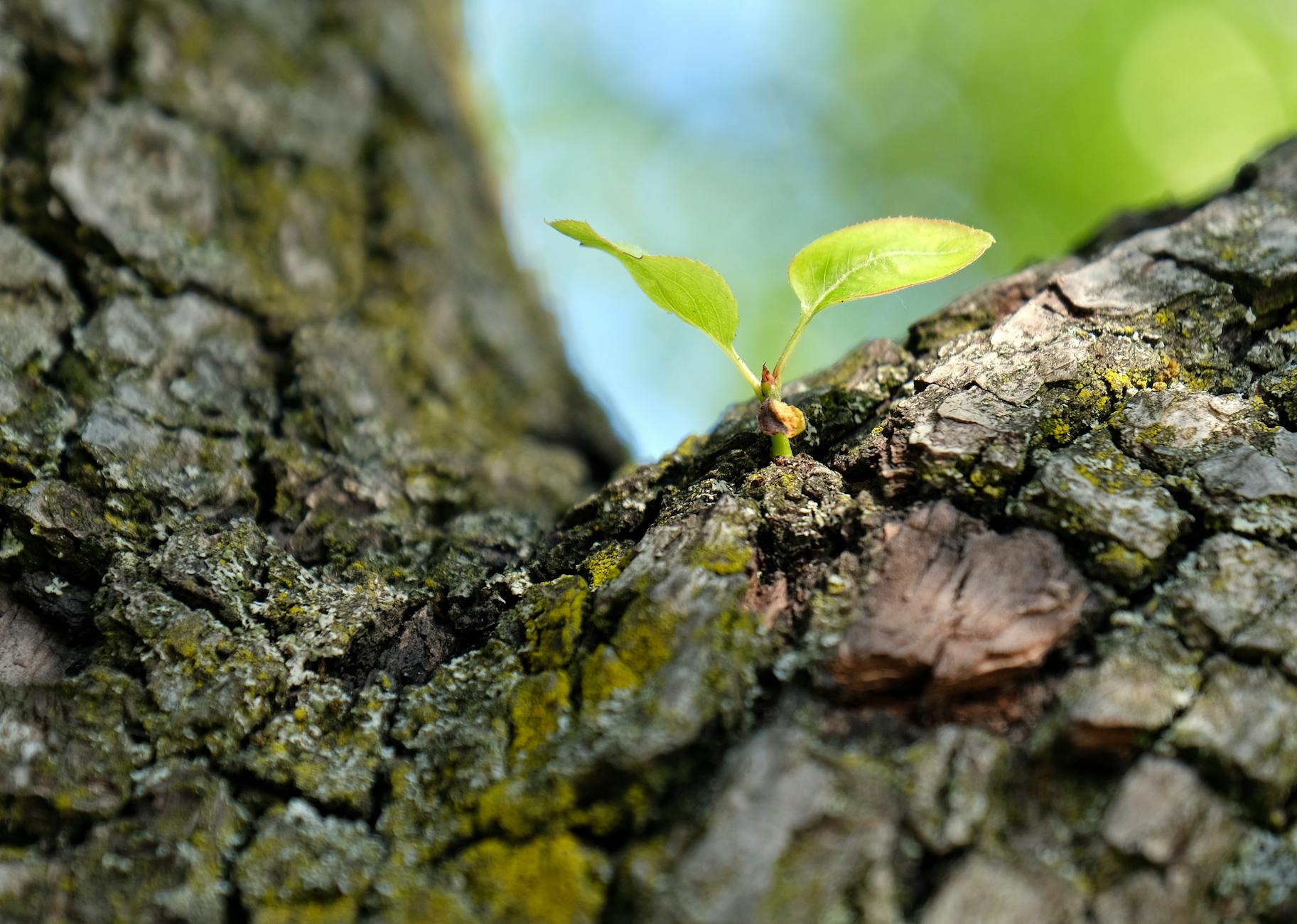
Resilience After Trauma: A Different Kind of Growth
Experiencing trauma can shake your world to its core. The path to healing and building resilience after trauma is often longer and more complex. It's not about "getting over it" quickly, but about integrating the experience into your life in a way that allows for continued personal growth journey.
Seeking Professional Support
For many, professional help is crucial. Therapists specializing in trauma can provide tools and strategies to process difficult memories and emotions in a safe and supportive environment. This is not a sign of weakness, but a testament to your commitment to healing.
Finding the Right Therapist
Don't be afraid to shop around. Finding a therapist you connect with and trust is paramount. Look for someone with experience in trauma-informed care. Resources from organizations like the American Psychological Association research on cultivating resilience can offer guidance on what to look for.
Patience and Gradual Healing
Healing from trauma is rarely linear. There will be good days and bad days. Be patient with yourself. Celebrate small victories and acknowledge the progress you are making, no matter how slow it may seem. This is part of your emotional healing process.
The Power of Small Steps
Focus on one day at a time, or even one hour at a time if necessary. Re-engaging with activities you once enjoyed, even for short periods, can be a powerful step forward. This is a core principle in many mental wellness tips, especially when dealing with significant life changes.
The Ongoing Journey of Cultivating Resilience
Ultimately, cultivating resilience is a lifelong endeavor. It's a commitment to yourself, to your well-being, and to your ability to navigate whatever life throws your way. It's about understanding that setbacks are not failures, but opportunities to learn, adapt, and grow stronger. This journey is deeply personal, and what works for one person might not work for another. The key is to keep exploring, keep learning, and keep showing up for yourself.
Embrace the Springtime of Your Potential
Just as springtime growth follows the dormancy of winter, periods of difficulty can pave the way for new beginnings and renewed strength. Don't underestimate your capacity for adaptation and recovery. By actively engaging in resilience strategies, you are not just surviving; you are thriving. This is the essence of building resilience, a continuous process of becoming more capable and whole. You have the capacity for this growth.
A Final Thought for Your Journey
Remember that building resilience is not about being perfect or never faltering. It's about the courage to get back up, to learn from your experiences, and to keep moving forward with hope and determination. The strength you build today will serve you for a lifetime. Look at the amazing capacity for mental decluttering spring offers; it’s a perfect metaphor for how we can clear out the old to make space for new, resilient growth.