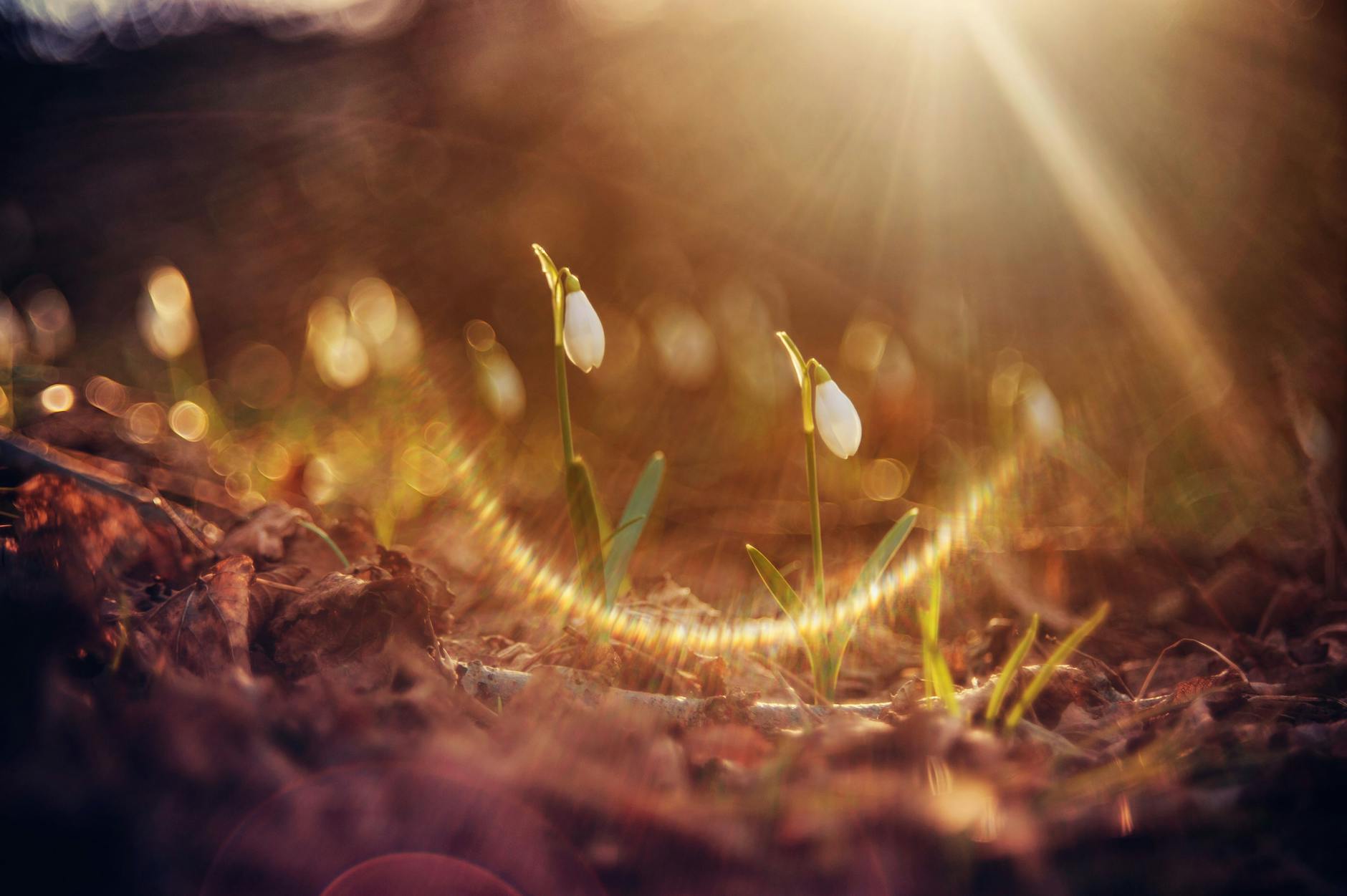
The Surprising Sting of "Sad Spring Sunlight"
I'll be real with you, for years I thought spring was a guaranteed mood-booster. Who wouldn't, right? Longer days, blooming flowers, that fresh, clean scent in the air. It’s what we’re conditioned to expect. But I was wrong. I’ve learned the hard way, and through countless conversations with people just like you, that the arrival of spring can, for some, bring a unique kind of melancholy. This isn't the deep, crushing despair of winter, but something more subtle, almost insidious. It’s the phenomenon I’ve come to know as "sad spring sunlight." It’s when the very rays that are supposed to lift our spirits seem to highlight everything we’re missing, or everything that still feels wrong.
The Paradox of Increasing Light
We associate light with happiness, and for good reason. But sometimes, more light can feel overwhelming, even exposing. It’s a paradox that catches so many off guard, leading to what feels like a personal betrayal by the season itself. You’ve probably noticed the shift – the sun seems brighter, the days noticeably longer, yet a quiet ache persists.
When Sunshine Feels Like Scrutiny
The increased natural sunlight can, for some, feel less like a warm embrace and more like a spotlight, illuminating lingering anxieties or feelings of inadequacy. It’s as if the brighter environment amplifies internal struggles, making them harder to ignore.
Understanding Seasonal Affective Disorder in Spring
Most people associate Seasonal Affective Disorder (SAD) with the winter months – the lack of light, the cold, the general gloom. But seasonal affective disorder spring is a very real, though less discussed, counterpart. This is where the concept of "sad spring sunlight" really hits home. It’s not just about the absence of light; it can also be about the presence of it, and what it triggers.
The Biological Tug-of-War
Research suggests that the rapid increase in daylight hours during spring can disrupt our internal body clocks (circadian rhythms). This disruption can affect neurotransmitter levels, like serotonin and melatonin, leading to mood swings, fatigue, and that specific brand of springtime sadness. It's a biological tug-of-war we might not even be consciously aware of.
More Than Just a Bad Mood
It’s crucial to distinguish this from simply feeling a bit down. Springtime sadness can manifest as persistent low mood, irritability, and a loss of interest in activities you once enjoyed. If you're experiencing these, it's worth exploring spring depression symptoms.
The Science Behind Spring Light Therapy
When we talk about light therapy, we're usually referencing its use for winter SAD. However, the principles of spring light therapy can be surprisingly relevant even when the sun is shining. It’s not just about *getting* light, but about the *quality* and *timing* of that light exposure.
Harnessing Natural Sunlight for Depression
The idea is to leverage the natural sunlight for depression, but with intentionality. Instead of just passively experiencing the "sad spring sunlight," we can actively engage with it. This might involve timed walks, outdoor exercise, or simply ensuring your workspace receives ample natural illumination.
Light Treatment for SAD: A Nuanced Approach
Light treatment for SAD in spring might look different from its winter counterpart. It’s less about supplementing missing light and more about managing the overwhelming influx and potential disruption it causes. This could involve using light boxes, but often in a more controlled, less intense manner, and at specific times of day.
Overcoming Winter Blues in Spring: A Shift in Perspective
The transition from winter to spring is often framed as an escape from the "winter blues." But what happens when that escape feels… off? Overcoming winter blues in spring requires acknowledging that the transition isn't always smooth, and that the very things we anticipate as healing can sometimes feel like triggers.
The Psychological Weight of Expectation
We expect spring to fix everything. When it doesn’t, there’s a psychological weight to that disappointment. It’s like expecting a cure and finding the symptoms persist, even with the "medicine" of warmer weather. This is where springtime sadness can really take root.
When Sunshine Highlights What’s Missing
This is a key insight for me. The "sad spring sunlight" effect can occur when the increased light, while beautiful, also serves to highlight what isn't blooming in our own lives. Perhaps it’s a relationship that’s struggling, a career path that feels stalled, or a personal goal that remains out of reach. The vibrant external world can make internal stagnation feel all the more stark.
Mental Health Tips for Spring: Beyond the Obvious
When it comes to mental health tips for spring, the advice often revolves around getting outside and enjoying the weather. And while that’s good advice, it’s not the whole story, especially when you’re dealing with the nuances of "sad spring sunlight."
Embrace Gradual Exposure
Don't feel pressured to immediately jump into full-day outdoor excursions. Start small. A 15-minute walk during your lunch break, sitting by a window for a portion of your workday, or enjoying a cup of coffee on your porch can be incredibly beneficial. This gradual exposure helps your body and mind adjust without feeling overwhelmed.
Mindful Movement and Connection
Physical activity is a cornerstone of mental well-being, and spring offers a fantastic backdrop. But focus on how it feels, not just on hitting a target. Gentle yoga outdoors, a mindful walk in nature, or even just stretching in a sunny spot can be more impactful than a grueling workout. Connecting with others is also vital. Consider a simple coffee date or a walk with a friend, as suggested by The Gottman Institute research on relationship health.
Prioritize Sleep Hygiene
With the longer days, it’s easy for our sleep schedules to get thrown off. This can exacerbate feelings of low mood and fatigue. Stick to a consistent sleep schedule as much as possible, even on weekends. Create a relaxing bedtime routine and ensure your bedroom is dark and cool. This is a fundamental aspect of mental health often overlooked in the rush of spring.
The Effectiveness of Sunlight Therapy for SAD
The effectiveness of sunlight therapy for SAD is well-documented, particularly for winter SAD. However, understanding its application for "sad spring sunlight" requires a slightly different lens. It’s about balance and regulation.
Timing is Everything
If you're using a light box, consult with a healthcare professional about the optimal timing and duration for spring. It might be different from your winter regimen. The goal is to regulate your circadian rhythm, not to overstimulate it.
Vitamin D and SAD: A Continual Connection
While we get more sun, it doesn't automatically mean we're getting enough Vitamin D. Many people remain deficient. Healthline research often highlights the link between Vitamin D levels and mood. Consider getting your levels checked and discussing supplementation with your doctor. This is a constant, regardless of the season.
Finding Spring Sad Relief: A Holistic Approach
Ultimately, finding spring sad relief is about adopting a holistic approach that acknowledges the complexities of our mental and emotional responses to seasonal changes. It’s not a one-size-fits-all solution.
Listen to Your Body and Mind
This is perhaps the most important piece of advice I can give. If the "sad spring sunlight" feels like a genuine struggle, don't dismiss it. Pay attention to your energy levels, your mood, and your overall well-being. National Alliance on Mental Illness resources often emphasize the importance of self-awareness and seeking support.
Don't Hesitate to Seek Professional Help
If you find yourself consistently struggling, or if your symptoms are interfering with your daily life, please reach out to a mental health professional. They can help you explore the underlying causes and develop a personalized treatment plan. This might include therapy, medication, or a combination of approaches. You don't have to navigate this alone. Remember, even when the sunlight feels a little sad, there is always a path toward brighter days.