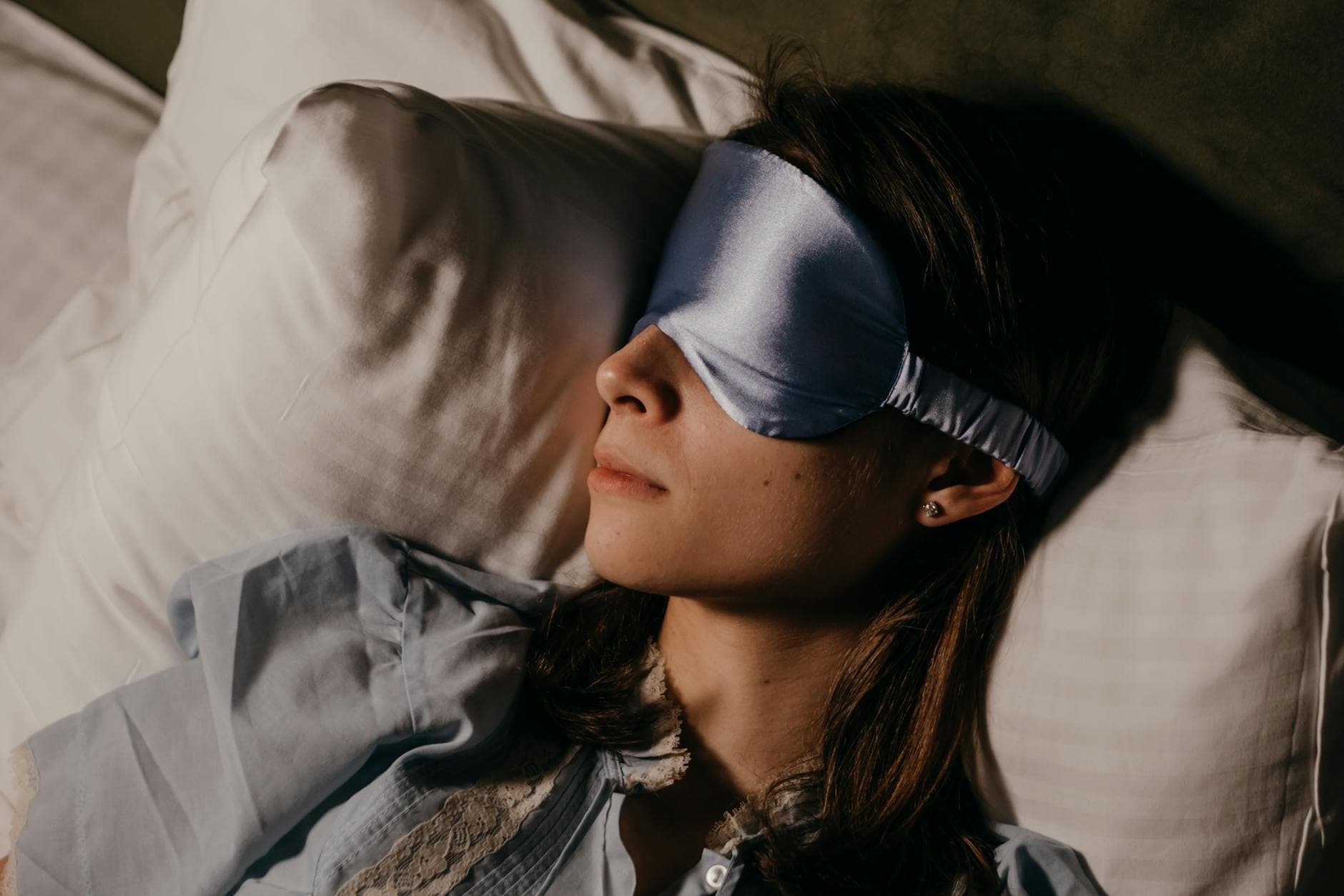
What if you could wake up feeling genuinely refreshed, not just less tired? Imagine a day where your mind feels clear, your mood is stable, and your energy levels are consistent. It sounds like a dream, right? For so many of us, it feels that way. We toss and turn, stare at the ceiling, and dread the alarm clock. But what if I told you that the key to unlocking better sleep isn't some magic pill or a pricey gadget, but rather a set of simple, accessible practices? This is where the power of excellent sleep hygiene tips comes into play, and honestly, discovering this has been a game-changer for me and so many people I've spoken with.
The Astonishing Power of Sleep Hygiene Tips
Unveiling the Foundation of Rest
This isn't just about avoiding caffeine after lunch, though that's part of it. It's about creating an entire ecosystem around your sleep that signals to your body and mind that it's time to wind down and recharge. Think of it as building a beautiful, serene sanctuary for your sleep. When we talk about sleep hygiene tips, we're really talking about a holistic approach to your nightly rest, influencing everything from how quickly you fall asleep to the quality of the sleep you get.
Why So Many of Us Get It Wrong
It’s easy to dismiss sleep as a passive activity, something that just happens. But our modern lives, with their constant demands and glowing screens, have actively worked against our natural sleep cycles. We’ve normalized late nights and early mornings, treating sleep as a luxury we can afford to cut back on. This is a huge mistake, and the consequences ripple through our mental and physical health. The American Psychological Association research on sleep hygiene tips consistently highlights the profound impact of poor sleep on our well-being.

Crafting Your Ideal Sleep Environment
The Sanctuary of Your Bedroom
Your bedroom should be a temple of tranquility. This means optimizing it for sleep, not for work, or entertainment, or even late-night scrolling. The ideal sleep environment is cool, dark, and quiet. I'll be real with you, when I first started focusing on this, I didn't realize how much my bright alarm clock or the streetlights filtering in were impacting me.
Temperature: The Goldilocks Zone
You’ve probably noticed how much easier it is to fall asleep when your room is a bit chilly. Experts often suggest a temperature between 60-67 degrees Fahrenheit (15-19 degrees Celsius). It's not about being uncomfortable; it's about aligning with your body's natural temperature drop that occurs as you prepare for sleep. Too warm, and you’ll be restless. Too cold, and you might find yourself tossing and turning to get warm.
Darkness: Embracing the Night
Our bodies are wired to respond to light. Even small amounts of light can disrupt the production of melatonin, our sleep hormone. Blackout curtains are a fantastic investment if streetlights are an issue. If you can't go full blackout, at least make sure any light sources in your room are minimal and shielded. This one surprised me; I thought my dim nightlight was harmless, but it was enough to subtly interfere.
Sound: The Sweet Silence (or Gentle Hum)
While absolute silence is ideal for some, others find a consistent, low-level sound to be more comforting. This could be a fan, a white noise machine, or even a gentle nature sound. The key is consistency and avoiding sudden, jarring noises. If your neighborhood is noisy, a white noise machine can effectively mask those disruptions, creating a more predictable soundscape for your sleep.
Decluttering Your Sleep Space
Beyond the physical elements, the mental clutter in your bedroom can also sabotage your sleep. If your bed is piled with laundry or your desk is crammed into the corner, your brain might associate the room with stress and unfinished tasks. Try to keep your bedroom primarily for sleep and intimacy. This separation helps your mind switch off more effectively when you lie down.
Establishing a Powerful Bedtime Routine
The Wind-Down Ritual
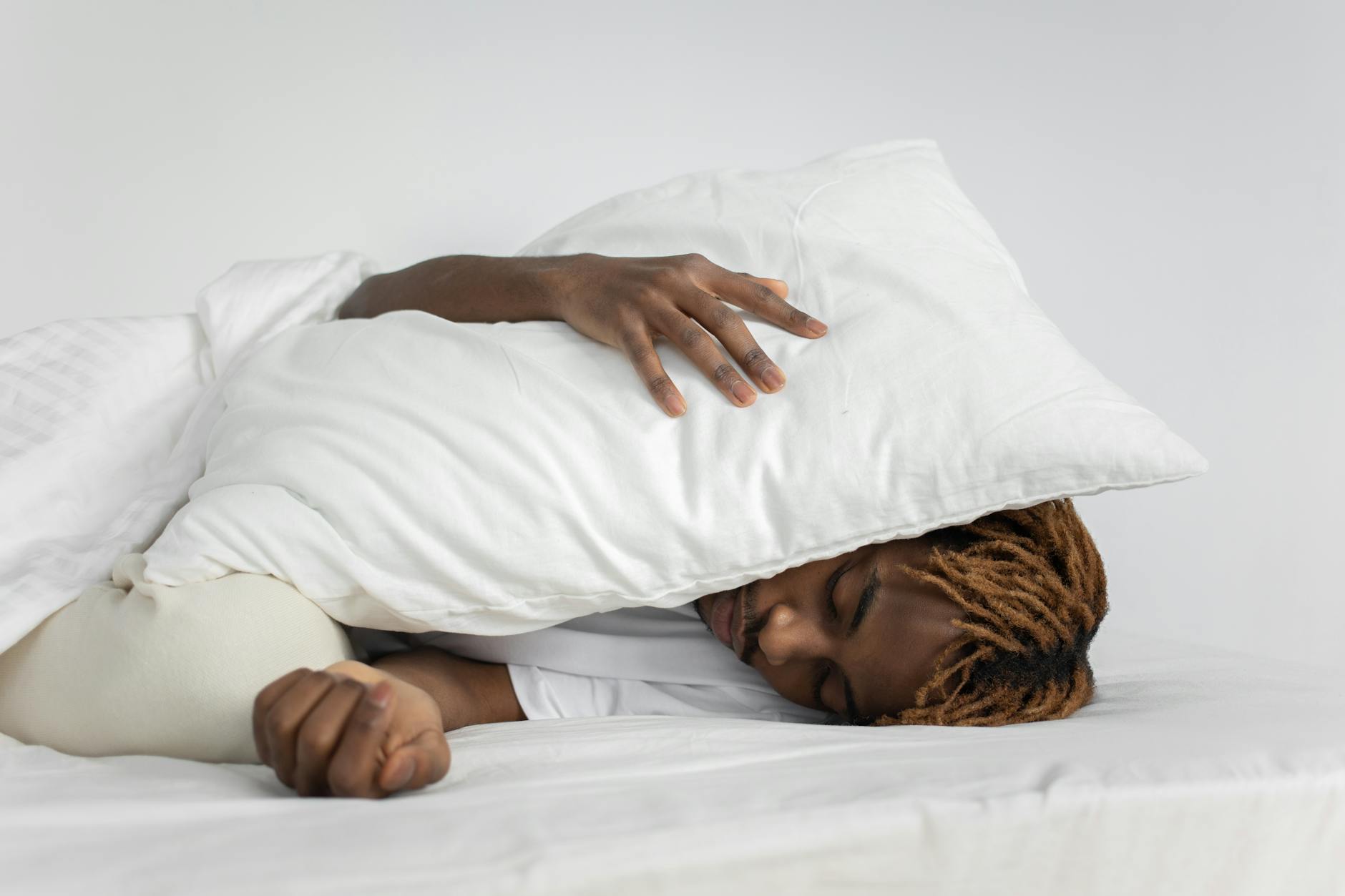
This is, in my opinion, one of the most crucial sleep hygiene tips. A consistent bedtime routine signals to your brain that it's time to transition from the day's activities to sleep. It’s not about forcing yourself to sleep, but about creating the conditions that make sleep more likely. Think of it as a gentle descent, not an abrupt stop.
The Power of Consistency
The exact timing of your routine isn't as important as the consistency of it. Aim to go to bed and wake up around the same time every day, even on weekends. This helps regulate your body's internal clock, your circadian rhythm. This one is tough, I know. I used to think sleeping in on Saturdays was a reward, but it often left me feeling groggy on Sunday.
Screen Time: The Silent Saboteur
The blue light emitted from phones, tablets, and computers can suppress melatonin production, making it harder to fall asleep. I’ll be honest, I’m still working on this one myself. Aim to put screens away at least an hour, ideally two, before bed. If you absolutely must use a screen, consider using blue light filters or night mode settings.
Relaxation Techniques: Calming the Storm
Incorporate activities that help you relax. This could be reading a physical book (not on a backlit device!), taking a warm bath, gentle stretching, or listening to calming music. For many, meditation or deep breathing exercises can be incredibly effective in quieting a racing mind. If you’re prone to overthinking, learning to stop overthinking before bed is a vital step.
Nourishing Your Body for Sleep
What you consume throughout the day also plays a significant role. While obvious things like avoiding caffeine and heavy meals close to bedtime are important, there are subtler aspects to consider.
The Evening Meal: Light and Early
Avoid large, heavy meals right before bed. Digestion can keep your body more active. Opt for lighter, easily digestible foods if you need a snack. Some find a small bowl of oatmeal or a banana helpful.
Hydration: A Delicate Balance
Staying hydrated is essential, but try to limit fluid intake in the hour or two before bed to reduce nighttime bathroom trips.

The Role of Daily Habits in Better Sleep Hygiene
Movement and Light Exposure
It might seem counterintuitive, but regular physical activity can significantly improve sleep quality. However, timing is key. Intense exercise too close to bedtime can be stimulating. Aim for moderate exercise earlier in the day. Getting natural sunlight exposure, especially in the morning, is also crucial for regulating your circadian rhythm. This is particularly helpful when battling the spring energy slump.
Managing Stress and Anxiety
Stress and sleep are locked in a constant battle. When we're stressed, our bodies release cortisol, a hormone that makes us feel alert, the opposite of what we need for sleep. Developing stress-management techniques is a cornerstone of good sleep hygiene. Practicing mindfulness, as discussed in mindfulness for spring allergies, can extend to creating a calmer mind before bed.
The Overthinking Trap
If your mind races with worries when you try to sleep, consider journaling before bed. Write down your thoughts and concerns. This can help you process them and release them from your mind, so they don't keep you awake. This is a key strategy to stop overthinking and promote better sleep.
Napping Wisely
While long or late-afternoon naps can disrupt nighttime sleep, short power naps (20-30 minutes) earlier in the day can be beneficial for some people. The key is to avoid disrupting your primary sleep period.
When to Seek Professional Help for Sleep Issues
Recognizing the Signs of Sleep Disorders
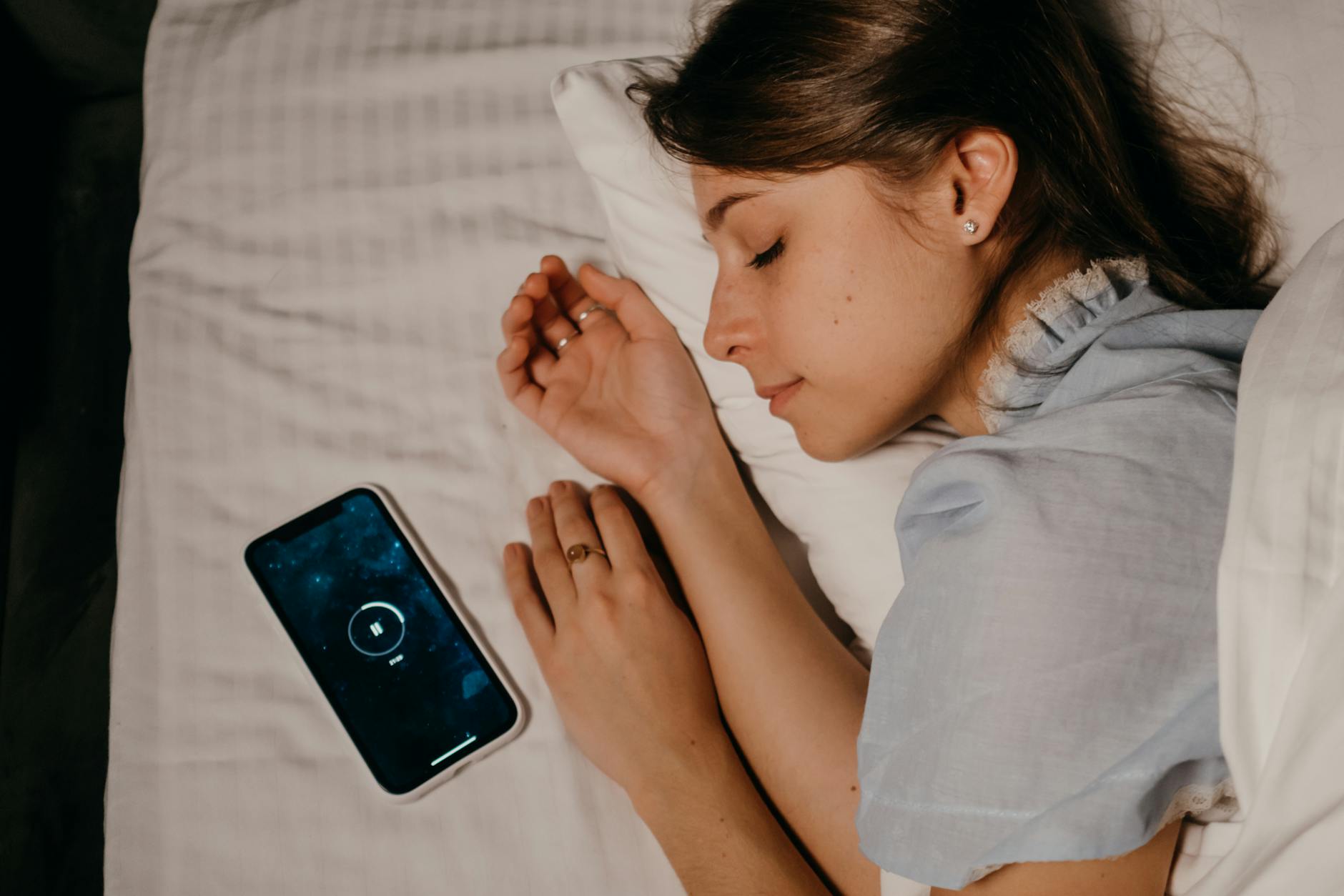
Sometimes, even with the best sleep hygiene tips, sleep problems persist. If you consistently struggle with falling asleep, staying asleep, or experience excessive daytime sleepiness, you might be dealing with a sleep disorder. Conditions like insomnia, sleep apnea, or restless legs syndrome require professional diagnosis and treatment. The National Alliance on Mental Illness research on sleep hygiene tips and their connection to mental health conditions is extensive.
Consulting a Healthcare Professional
Don't hesitate to discuss your sleep concerns with your doctor. They can help identify underlying causes and recommend appropriate strategies, which might include cognitive behavioral therapy for insomnia (CBT-I) or other evidence-based treatments. The Gottman Institute research on sleep hygiene tips also emphasizes how relationship dynamics and stress can impact sleep, often requiring professional guidance.
Embracing a New Sleep Paradigm
The Journey to Better Rest
Implementing these sleep hygiene tips is a journey, not a destination. You might not see dramatic results overnight, but with consistent effort, you'll start to notice a profound difference. Think about the last time you woke up feeling truly revitalized. That feeling is achievable. It’s about making conscious choices that prioritize your well-being, starting with the fundamental act of rest.
Your Personal Sleep Revolution
These aren't just "tips"; they are strategies for reclaiming your nights and, by extension, your days. They are powerful tools for improving your mood, boosting your cognitive function, and enhancing your overall health. If you're a parent struggling with exhaustion, finding ways to relieve parent stress can directly impact your ability to implement better sleep habits.
Consider this your invitation to experiment, to discover what works best for you. Start small, perhaps with one or two changes, and build from there. The rewards of prioritizing your sleep are immense, and they begin with understanding and applying these fundamental sleep hygiene tips. This is how you can truly begin to sleep better and live a more vibrant, energized life.