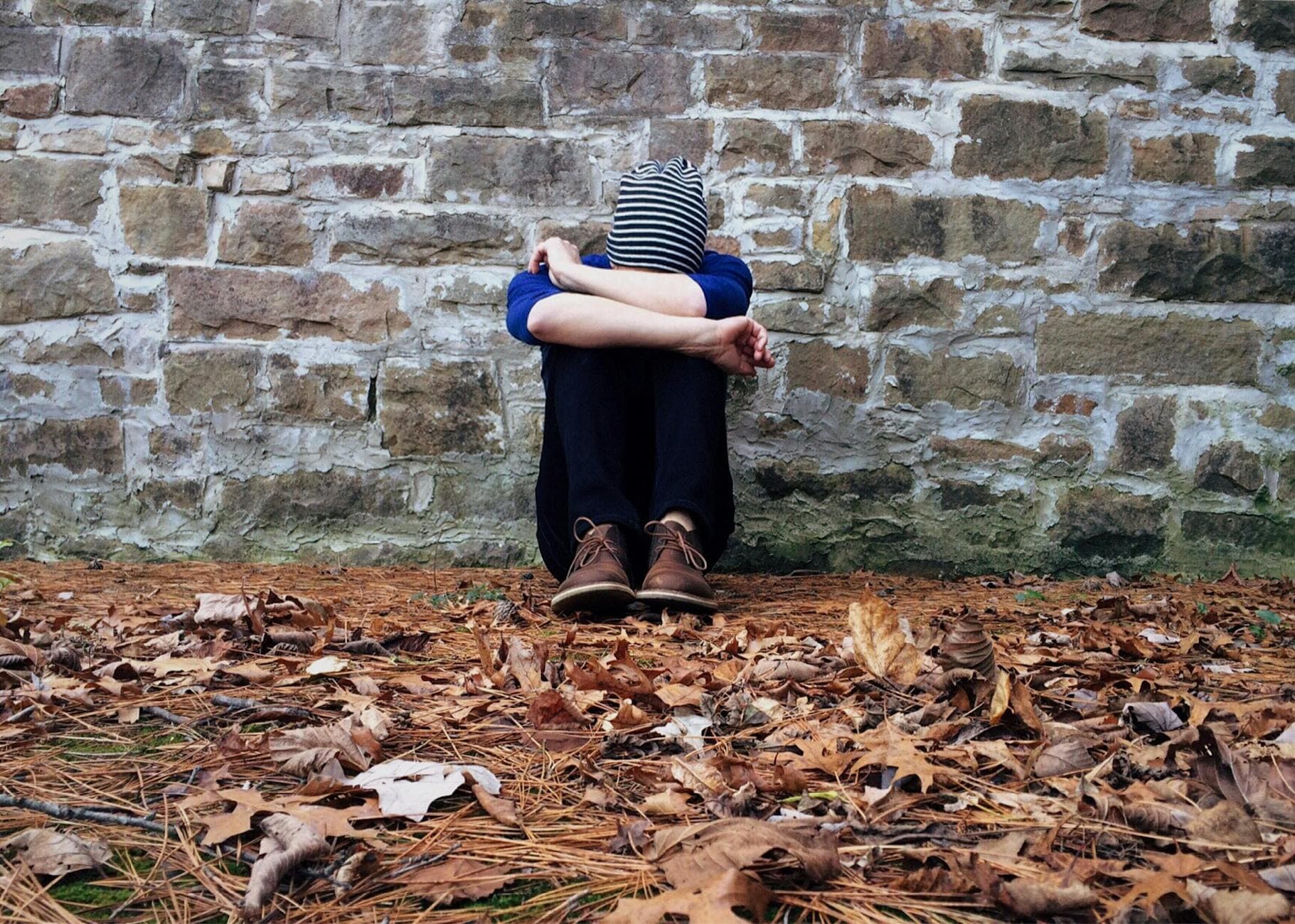
The days shorten, the air bites with a chill, and suddenly, the vibrant energy that defined your teenager seems to dim. You’ve probably noticed it – a subtle shift, a new quietness, a reluctance to engage. Perhaps they used to bound out of bed, but now they drag themselves, eyes heavy, an invisible weight on their shoulders. This isn't just a phase or typical adolescent moodiness; for many families, this is the stark reality of seasonal depression teens face.
I've walked alongside hundreds of young people and their families through these darker months, and I can tell you, the impact of the changing seasons on a teenager's mental health is profound. What often gets dismissed as "winter blues" can, in fact, be a serious form of depression known as Seasonal Affective Disorder (SAD). It’s a real challenge, and understanding it is the first step towards helping the young people we care about most.
Beyond the "Winter Blues": Understanding Seasonal Depression in Teens
We often use the phrase "winter blues" so casually, don't we? It rolls off the tongue, implying something mild, something you can just shake off with an extra cup of hot chocolate. But when we talk about seasonal depression teens experience, we're talking about something far more impactful than a temporary dip in mood. This is a clinical condition, and it demands our attention and empathy.
What Seasonal Affective Disorder Really Looks Like in Adolescence
Seasonal Affective Disorder (SAD) isn't just feeling a bit down when the sun hides. It's a recurrent depressive disorder with a seasonal pattern, most commonly appearing in late fall or early winter and remitting in spring or summer. For teenagers, the symptoms can be particularly tricky to spot because they often overlap with what we consider "normal" adolescent behaviors, like increased sleep or irritability. But here's the thing: SAD goes deeper. It's a persistent, pervasive shift in mood and energy that significantly interferes with daily life.
Why the Shorter Days Hit Teens Harder
Look, the science behind SAD points to a disruption in our circadian rhythm and a decrease in serotonin levels, often triggered by reduced exposure to natural light. For teens, who are already navigating massive hormonal shifts, intense academic pressure, and complex social dynamics, this biological vulnerability can be amplified. Their brains are still developing, making them particularly sensitive to these environmental changes. Reduced daylight hours mess with their internal clocks, making it harder for their bodies to regulate mood, sleep, and energy. It's not just about missing sunshine; it's about a fundamental biological process being thrown off balance.
The Subtle Signs You Might Be Missing
Honestly, spotting seasonal affective disorder teens exhibit can be like trying to catch smoke. It's often not a dramatic breakdown, but a slow fade. You might notice your usually chatty child becoming withdrawn, spending more time in their room, or losing interest in activities they once loved. Perhaps their grades are slipping, or they're having more arguments with siblings or friends. These aren't just typical teenage angst; they're red flags that something deeper might be going on, especially if they align with the onset of colder, darker months.

The Silent Struggle: Symptoms of SAD in Teenagers
Recognizing the specific symptoms of sad in teenagers is critical. It’s easy to dismiss a teen’s complaints during winter as laziness or typical adolescent grumbling, but when these patterns become consistent and debilitating, it’s time to pay closer attention. These aren't just bad moods; they are indicators of a genuine struggle that often goes unaddressed.
Behavioral Shifts and Social Withdrawal
One of the clearest indicators of winter depression in teens is a noticeable shift in their behavior. They might become more irritable, snapping at family members or getting easily frustrated. You could observe them withdrawing from friends, cancelling plans, or spending excessive amounts of time alone. A teen who once loved sports or clubs might suddenly lose all motivation to participate. This isn't just being "anti-social"; it's a profound loss of joy and connection that signals a deeper issue.
Academic Impact and Loss of Interest
Academics often take a hit when a teen is grappling with SAD. Concentration becomes difficult, homework feels insurmountable, and school performance can decline. This isn't necessarily due to a lack of effort, but rather a pervasive fatigue and lack of mental clarity. They might express a general disinterest in everything, from school subjects to hobbies, which can be heartbreaking for parents to witness. That spark, that curiosity, seems to dim, replaced by a dull apathy.
Physical Manifestations and Sleep Troubles
The physical symptoms are just as important to acknowledge. Teens with seasonal depression often experience profound fatigue, struggling to wake up in the morning and feeling sluggish throughout the day, despite getting seemingly enough sleep. They might crave carbohydrates and sugary foods, leading to weight gain. Headaches, body aches, and a general feeling of malaise can also be common. The body and mind are intrinsically linked, and when one struggles, the other often follows. Healthline research on seasonal depression teens highlights how these physical symptoms are often overlooked, yet are key diagnostic indicators.

What Nobody Tells You About Teen Seasonal Depression (The Hard Truth)
Here's the truth: most people, even well-meaning adults, underestimate the severity and complexity of seasonal depression in teens. We tend to apply adult coping mechanisms or dismiss it as something they'll simply grow out of. But this approach is not only unhelpful, it can be actively harmful.
The Myth of "Just Snapping Out Of It"
I'll be real with you: the idea that a teenager can just "snap out of" seasonal depression is a dangerous myth. It implies a lack of willpower, which couldn't be further from the truth. SAD is a biological condition, not a choice. Telling a teen to "cheer up" or "get over it" only piles on guilt and shame, making them less likely to open up about their struggles. Their brain chemistry is literally working against them, and expecting them to simply power through it is like asking someone with a broken leg to run a marathon without crutches.
The Overlap with Other Teen Mental Health Winter Challenges
This one surprised me when I first started working in mental health. Seasonal depression rarely exists in a vacuum. It often exacerbates existing anxiety, can trigger panic attacks, or even deepen feelings of isolation. For some teens, the dip in mood can manifest as increased irritability or even anger, making teen mental health winter a complex landscape to navigate. It's not just about the sadness; it's about how the lack of light impacts their entire emotional regulation system. The Gottman Institute, known for its extensive research on emotional health, often touches on the interconnectedness of mood disorders and behavioral responses, something vital to consider for seasonal depression teens.
Why Early Intervention is Non-Negotiable
My strong opinion, backed by years of experience, is that early intervention for seasonal affective disorder teens is absolutely non-negotiable. The longer a teen struggles in silence, the more entrenched these depressive patterns can become. Untreated SAD can impact academic performance, social development, and overall self-esteem, potentially leading to more severe mental health issues down the line. Catching it early means we can implement strategies that prevent deeper suffering and help them build resilience for future seasons.

Practical Pathways to Brighter Days: Coping with Winter Blues Teens
So, what can we actually do? This isn't a hopeless situation. There are tangible, evidence-based strategies that can make a profound difference in coping with winter blues teens face. It's about creating a multi-faceted approach that supports their unique needs during these challenging months.
Light Therapy for Teens: More Than Just a Lamp
One of the most effective treatments for SAD is light therapy. This isn't just any old lamp; it's a specific device that emits a bright, full-spectrum light, mimicking natural sunlight. For teens, using a light therapy box for 20-30 minutes each morning, ideally shortly after waking, can significantly help regulate their circadian rhythm and boost mood. It's a simple, non-invasive intervention that can yield remarkable results, especially when integrated into their daily routine.
The Power of Movement and Nature
Encouraging physical activity, even when motivation is low, is crucial. Exercise releases endorphins, natural mood boosters. Think about the last time you went for a brisk walk on a chilly but sunny day – that feeling of invigoration is powerful. Getting outside, even for short periods, exposes them to natural light, which is vital. A daily walk, a bike ride, or even just sitting on a porch with some daylight can make a significant difference. It’s about fighting the urge to hibernate and embracing what little natural light is available.
Nutrition and Sleep: The Unsung Heroes
Don't underestimate the foundational role of nutrition and sleep. A diet rich in whole foods, fruits, vegetables, and lean proteins, with limited processed sugars, can stabilize mood and energy. And sleep? It's paramount. Teens often have erratic sleep schedules, but establishing a consistent bedtime and wake-up time, even on weekends, can dramatically improve their mood and overall well-being. Good sleep hygiene is a powerful tool in the fight against seasonal depression teens experience.
Seeking Support: When to Consider Teen Therapy for SAD
Sometimes, despite our best efforts, professional help is necessary. Knowing when to reach out and how to navigate that conversation is key. It's not a sign of failure; it's a sign of strength and proactive care.
Navigating Conversations with Your Teen
Bringing up the topic of therapy can be daunting. Approach it with empathy and openness, not judgment. You might start by saying, "I've noticed you've been struggling lately, and I care about you. Sometimes, talking to a professional can really help understand what's going on and find ways to feel better." Frame it as a tool, a resource, not a punishment. Reassure them that seeking help is a sign of courage, not weakness. You're wondering how to help depressed teen winter brings; this is a big step.
Exploring Seasonal Affective Disorder Treatment Teens Options
When it comes to seasonal affective disorder treatment teens can benefit from, a combination of approaches often works best. This might include cognitive-behavioral therapy (CBT), which helps teens identify and change negative thought patterns, alongside light therapy. In some cases, and always under strict medical supervision, medication might be considered, particularly if symptoms are severe and other interventions haven't been sufficient. A qualified mental health professional can assess the best course of action. They might even suggest creative outlets, like exploring movies for anger management, as a way to process emotions.
Building a Strong Support System for Depressed Teen Winter
No teen should feel alone in their struggle. Beyond professional help, ensure they have a strong support network. This includes family, trusted friends, school counselors, and mentors. Encourage them to stay connected, even if it's just through online gaming or video calls. Isolation can be a powerful amplifier of depression, so fostering connection is paramount. For a depressed teen winter can feel endless, and a robust support system provides much-needed warmth and reassurance.
Empowering Parents: Parenting Teens with SAD
Parenting a teen with seasonal depression can be incredibly challenging, and you deserve support too. Your role is vital, but you also need to protect your own well-being. Think about the Anger Management cast — even professionals need help navigating complex emotions. You're on the front lines, and your resilience matters.
Creating a Nurturing Home Environment
Your home can be a sanctuary or a stressor. During the winter months, focus on creating an environment that is warm, inviting, and light-filled. Maximize natural light by opening curtains and blinds. Consider using full-spectrum light bulbs in common areas. Maintain a calm, predictable routine. Offer comfort and understanding without enabling avoidance. Your steady presence is a powerful anchor.
Advocating for Your Teen at School
Schools play a significant role in a teen's life, and their understanding of SAD is crucial. Communicate openly with teachers, counselors, and school administrators. Inform them about your teen's diagnosis and discuss potential accommodations, such as extended deadlines, a quiet space for breaks, or permission to use a light therapy lamp in the morning. National Alliance on Mental Illness (NAMI) provides excellent resources for advocating for your child's mental health in school settings, emphasizing the importance of informed support for seasonal depression teens.
Prioritizing Your Own Well-being
You cannot pour from an empty cup. Caring for a teen with seasonal depression is emotionally taxing. Make sure you're prioritizing your own self-care. Seek out your own support system, whether it's a partner, friends, a therapist, or a support group for parents. Remember that taking care of yourself isn't selfish; it makes you a better, more resilient parent capable of providing the support your teen truly needs.
The winter months might bring darkness, but they don't have to extinguish the light in our teenagers. With understanding, proactive strategies, and unwavering support, we can help them navigate the chill and emerge into spring with renewed hope and resilience. It's a journey, not a destination, but every step forward is a victory.