
The Unseen Power of Dirt Under Your Fingernails and a Gentle Heart
Most people think self-compassion is about soft words and bubble baths. I'll be real with you: it's so much more, and often, the most profound shifts happen when we ditch the cushions and find ourselves under a vast, indifferent sky. Embracing self compassion outdoors isn't a fluffy add-on; it's a fundamental recalibration of how we relate to ourselves, particularly as the seasons change. Think about the last time you felt truly at peace. Chances are, it involved a moment of quiet connection, and for many of us, that connection is found in nature.

Why the Great Outdoors is Your Best Therapist
We are, by our very design, creatures of the earth. Our ancestors didn't worry about deadlines or social media validation; they worried about the weather, the hunt, the next harvest. This deep, primal connection to the natural world is still wired into us, even if we spend most of our lives indoors. When we step outside, especially into wilder spaces, something shifts. The constant hum of anxiety often quiets down, replaced by the rustle of leaves or the distant call of a bird. This isn't magic; it's biology and psychology working in tandem.
The Science Behind Nature's Balm
There's a growing body of evidence showing the incredible benefits of spending time in nature for our mental health. Studies, like those referenced by the National Alliance on Mental Illness research on self compassion outdoors, highlight how exposure to natural environments can reduce stress hormones like cortisol, lower blood pressure, and even improve immune function. It’s not just about feeling good in the moment; it's about tangible physiological changes that support our well-being.
Beyond the Buzz: Deepening Connection
But it’s more than just the physical. The sheer scale and quiet persistence of nature offer a profound perspective. When you're faced with a towering mountain or an ancient tree, your own problems can sometimes shrink a little. This isn't about dismissing your struggles, but about finding a broader context. The natural world doesn't judge. It simply is. And in that "is-ness," we can find a space to just "be" with ourselves, flaws and all. This is where the true essence of self compassion outdoors begins to take root.
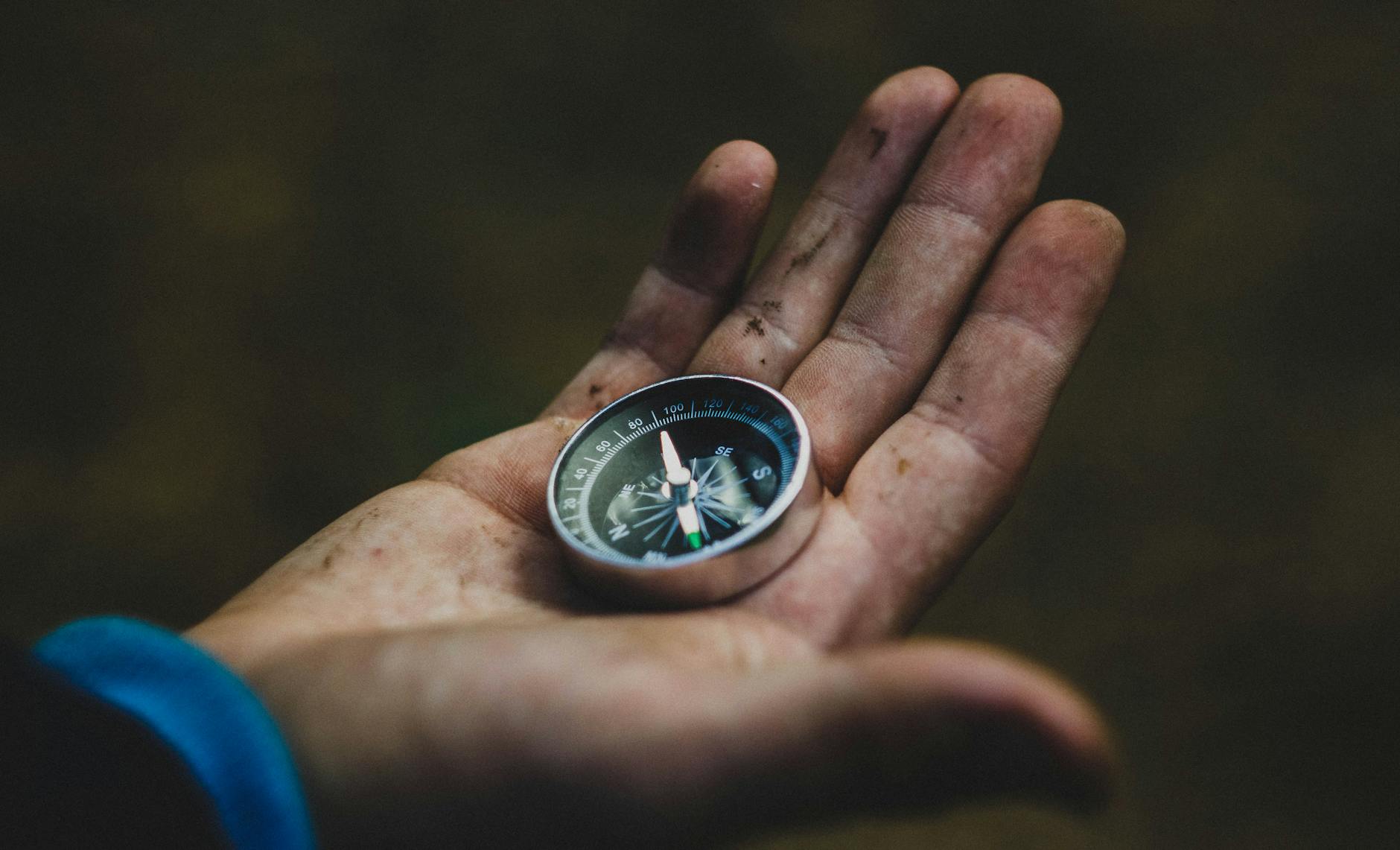
Spring: A Season for Renewal and Gentle Self-Kindness
Spring, with its hesitant green shoots and lengthening days, is a powerful metaphor for personal growth. After the hibernation of winter, both literally and metaphorically, it’s a time when things start to stir. This makes it an ideal period for practicing spring self compassion. You might have felt sluggish, withdrawn, or even a bit defeated during the colder months. Spring invites us to shed that, not by force, but by gentle encouragement.
Shedding Winter's Weight
Think about the first time you really felt the warmth of the sun on your skin after a long winter. It’s a palpable relief, isn't it? This sensory experience can mirror the relief we feel when we extend kindness to ourselves. We can release the self-criticism that may have accumulated, the harsh judgments we've held onto. This is a perfect time to explore Self Compassion Practices for a Spring Mental Health Tune-Up, especially those that can be done outside.
Embracing Imperfect Growth
The process of spring isn't always neat. There can be late frosts, unexpected storms, and plants that don't quite make it. Nature shows us that growth is rarely linear or perfect. This is a crucial lesson for self kindness spring. We don't have to be perfectly healed or completely transformed overnight. We can be messy, we can falter, and still be worthy of care and understanding. This gentle acceptance is the heart of self-compassion.

Outdoor Self Care: Simple Acts, Profound Impact
When I talk about outdoor self care, I’m not suggesting you need to trek to Everest or become a wilderness survival expert. It's about finding small, accessible ways to integrate nature into your daily life and infuse those moments with kindness towards yourself. These practices can be transformative, offering relief from overwhelm and a renewed sense of connection.
The Power of a Mindful Walk
A simple walk in a local park can be a profound act of self compassion outdoors. Instead of rushing through it, trying to hit a step count or clear your head of thoughts, try engaging your senses. Notice the texture of the bark on a tree, the way the light filters through the leaves, the scent of damp earth after rain. This practice of mindfulness outdoors pulls you into the present moment, away from rumination. It’s a gentle way to say to yourself, "I am here, and I am safe."
Gardening: A Metaphor for Nurturing Yourself
For years, I resisted gardening. It seemed like too much work, too much potential for failure. But then I started small, just a few pots on my balcony. The act of digging in the soil, planting seeds, and watering them became a powerful metaphor for nurturing my own well-being. When a seedling sprouted, it felt like a small victory, a tangible sign of growth. When a plant didn't thrive, instead of berating myself, I learned to observe, adjust, and try again. This mirrors how we can approach our own challenges with patience and understanding. It's a beautiful example of Self-Compassion Guide: Spring into Mental Well-being Today through action.
The Solace of Stillness
Sometimes, the most potent self-compassion outdoors comes from simply sitting still. Find a comfortable spot on a bench, a fallen log, or even just the grass. Close your eyes and listen. Feel the breeze on your skin. Breathe in the fresh air. Allow yourself to just exist, without needing to do anything or be anyone. This quiet communion with nature can be incredibly restorative, offering a deep sense of peace that is hard to find elsewhere.

Healing Through Nature: More Than Just a Trend
The idea of healing through nature isn't new, but it's gaining traction as we increasingly recognize the limitations of our modern, often disconnected lives. The mental health crisis is real, and while therapy and medication are vital, we also need to tap into the ancient, innate resources available to us. Nature is one of those resources, and integrating it with self compassion outdoors creates a powerful synergy.
Combating Seasonal Mental Health Shifts
You've probably noticed how the changing seasons can affect your mood. For some, the gloom of winter can lead to low energy and sadness, while others experience a different kind of challenge as spring and summer arrive, perhaps related to increased social demands. Understanding seasonal mental health and how nature can support it is crucial. For instance, if you struggle with Spring Social Anxiety: Bloom with Therapy Techniques, finding quiet, natural spaces can be a gentle way to ease back into social interactions without feeling overwhelmed.
The Long-Term Benefits of Nature Therapy
The benefits of nature therapy benefits extend far beyond a temporary mood lift. Regular engagement with the natural world can build resilience, reduce the likelihood of burnout, and foster a deeper sense of self-awareness. It’s about creating a sustainable practice that supports your mental health over the long haul. This is where the real power of self compassion outdoors lies – in its ability to weave itself into the fabric of your life, offering consistent support. Research from the National Institutes of Health research on self compassion outdoors continues to explore these profound connections.
Compassion Practices in the Wild
When we talk about compassion practices, we often think of formal meditation or journaling. But the outdoors offers a unique and often more accessible arena for these practices. It’s about translating inner kindness into outward action, even if that action is simply allowing yourself to be present.
Observing Without Judgment
Take a moment to observe something in nature – a bird building its nest, a stream flowing over rocks, a wildflower pushing through a crack in the pavement. Notice the details without labeling them as "good" or "bad." This practice of detached observation is a powerful form of self-compassion. When we can observe our own thoughts and feelings with a similar lack of judgment, we create space for acceptance and healing. This is a core element of self compassion outdoors.
Gratitude for the Earth's Gifts
The natural world constantly gives us gifts: clean air, fresh water, food, beauty. Taking time to acknowledge and appreciate these gifts can shift our perspective from scarcity to abundance. As you walk, consciously identify things you are grateful for – the shade of a tree, the sound of rain, the warmth of the sun. This practice of gratitude can be a potent antidote to self-criticism and a cornerstone of spring wellness tips.
The Embrace of the Elements
Don't shy away from the less-than-perfect weather. A walk in the rain, feeling the cool drops on your face, can be incredibly grounding. Standing on a windy bluff, feeling the gusts push against you, can be exhilarating. These experiences remind us that we are part of something larger, something that can weather storms. This acceptance of the elements, and by extension, our own imperfections, is a profound act of self compassion outdoors. It’s about leaning into discomfort, rather than always trying to escape it, and realizing that we are strong enough to handle it.
Here's the thing: the most profound healing often happens when we stop trying so hard and simply allow ourselves to be present, to connect, and to be kind. The earth has been offering us this medicine for millennia. All we have to do is step outside and open our hearts. This simple shift, integrating self compassion outdoors, can be the quiet revolution your mind and spirit have been waiting for. It's a gentle, persistent, and deeply rewarding path to a more peaceful and resilient self.