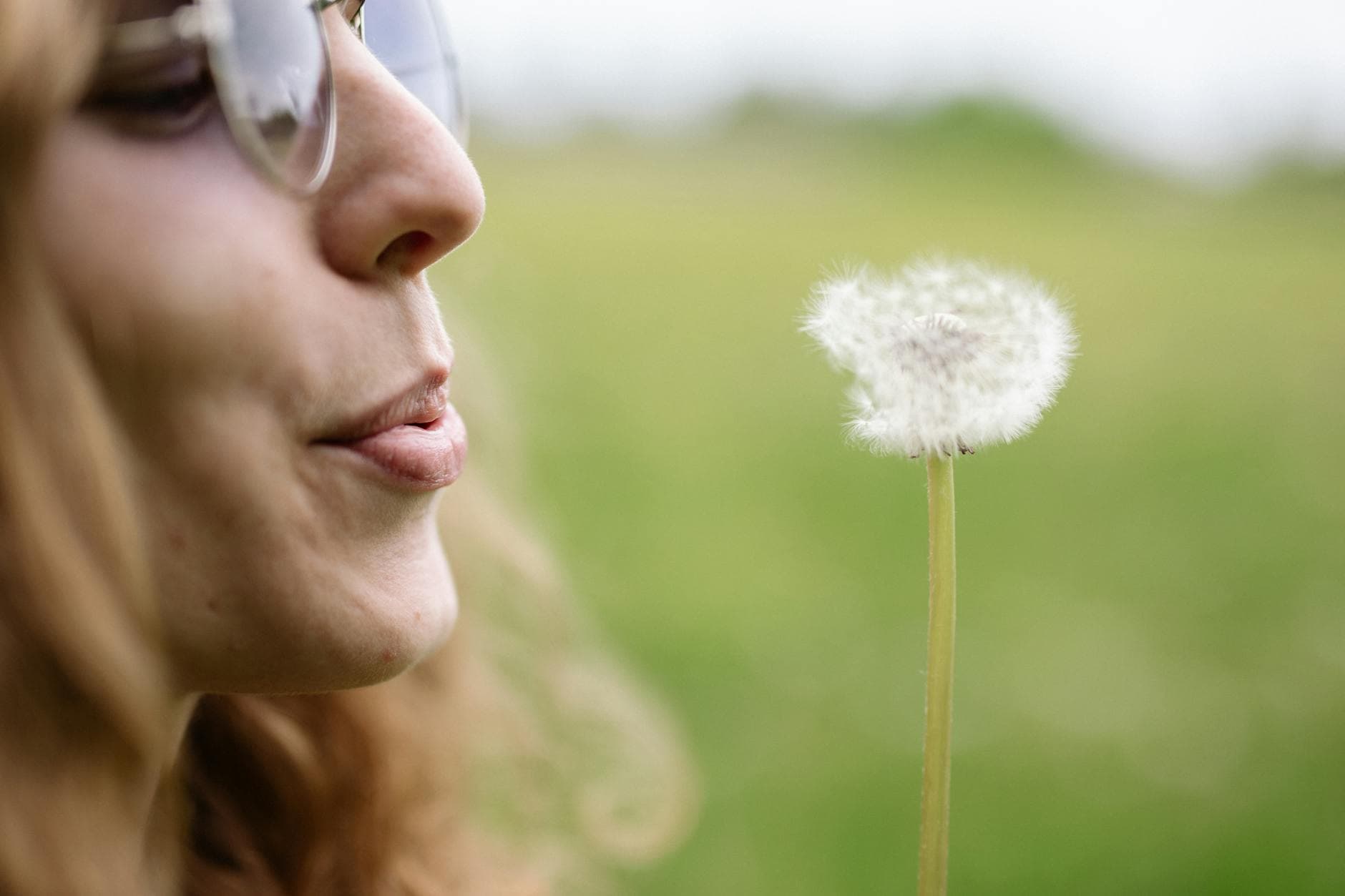
What if you could greet the blooming flowers and longer days not with a stuffy nose and itchy eyes, but with a sense of calm and presence? It sounds almost too good to be true, especially when spring arrives with its pollen-laden breezes. But this isn't a fantasy; it's the potential reality when we integrate **mindfulness spring allergies** into our lives. For so many of us, this season, meant to be a time of renewal, often brings an unwelcome physical and emotional toll.
The Hidden Toll of Seasonal Allergies on Your Mind
You've probably noticed it yourself. That familiar scratchy throat, the relentless sneezing, the foggy head that makes concentration feel like wading through mud. These are the obvious allergy symptoms, the ones that send us reaching for tissues and medication. But there's a less visible, yet equally significant, impact: the effect on our mental well-being.
The Allergy-Mood Connection
It's easy to dismiss feeling a bit grumpy or low when you're battling hay fever. After all, who feels cheerful when their eyes are watering and they can barely breathe through their nose? However, the connection between allergy symptoms and mood is more profound than just temporary discomfort.
Inflammation, a hallmark of allergic reactions, can actually influence brain chemistry. Studies have begun to explore how cytokines, signaling molecules involved in inflammation, can impact neurotransmitters like serotonin, which plays a crucial role in regulating mood. This means that the physical misery of allergies can directly contribute to feelings of anxiety, irritability, and even depression. For some, this can feel like a resurgence of the low moods associated with winter, a sort of spring seasonal depression, albeit triggered by different environmental factors.
Beyond the Sniffles: Stress and Exhaustion
Constantly battling physical discomfort is, in itself, a stressor. Your body is working overtime to fight off what it perceives as a threat. This ongoing internal battle can lead to a state of chronic stress, depleting your energy reserves and making you feel perpetually exhausted. This exhaustion isn't just physical; it's mental, too. It makes it harder to cope with daily life, to engage with loved ones, and to find joy in things you normally would.
Introducing Mindfulness: Your Ally Against Allergy Woes
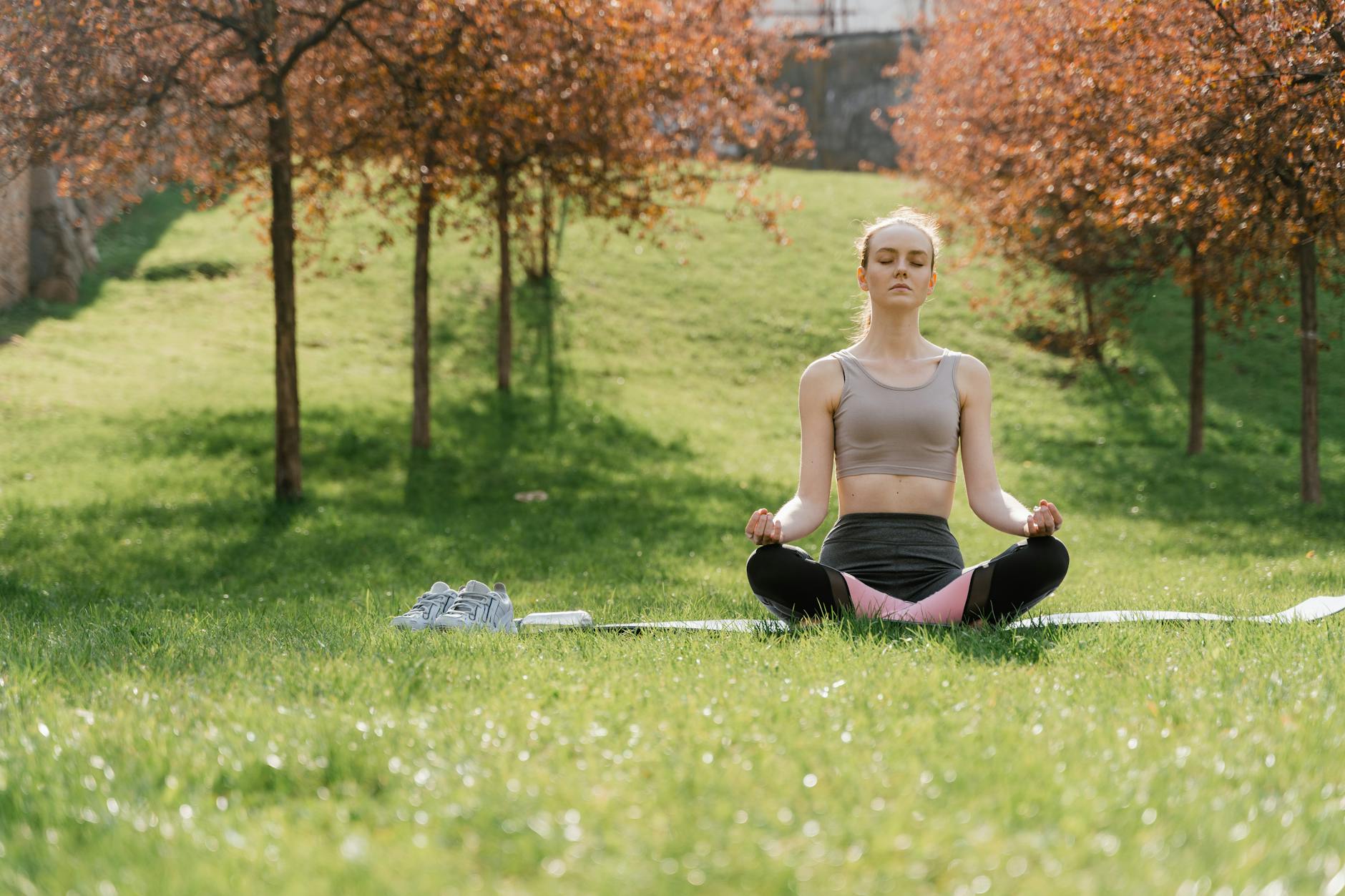
This is where mindfulness comes in. Mindfulness, at its core, is about paying attention to the present moment without judgment. It's about cultivating awareness of your thoughts, feelings, bodily sensations, and the surrounding environment. When applied to managing seasonal allergies, it's not about magically making the pollen disappear, but about changing your relationship with the symptoms and the stress they cause. Think of it as building a stronger inner foundation to weather the storm of allergies.
What Exactly is Mindfulness?
It's not about emptying your mind or achieving a state of perfect bliss. Honestly, that's a common misconception. Mindfulness is about gentle, curious observation. It’s about noticing the tickle in your throat, the tightness in your chest, the swirl of thoughts about how miserable you feel, and simply acknowledging them. You observe without getting swept away by them or labeling them as "good" or "bad."
This practice can be incredibly powerful for developing allergy mood relief. By learning to observe your emotional responses to allergy symptoms without immediate reactivity, you create space. This space allows you to respond more thoughtfully rather than just reacting with frustration or despair.
The Science Behind the Calm
Research from institutions like the Gottman Institute research on mindfulness spring allergies and the National Institutes of Health research on mindfulness spring allergies increasingly supports the benefits of mindfulness for stress reduction and improved emotional regulation. Even short, regular mindfulness practices have been shown to alter brain activity in areas associated with stress and emotional processing. This can translate to a greater sense of calm, even when your body is experiencing allergy symptoms.
Practical Mindfulness Techniques for Allergy Sufferers
You don't need to be a meditation guru to benefit. The beauty of mindfulness is its accessibility. Here are some practical ways to weave it into your spring allergy season.
Mindful Breathing: Your Instant Reset Button
When allergy symptoms flare up, our breathing often becomes shallow and panicked. This can exacerbate feelings of anxiety. Mindful breathing exercises allergies can help counteract this.
Simple Breath Awareness:
- Find a comfortable seated position. Close your eyes gently if you wish.
- Bring your attention to your breath. Notice the sensation of the air entering your nostrils, filling your lungs, and then leaving your body.
- Don't try to change your breath; just observe its natural rhythm.
- When your mind wanders (and it will!), gently guide your attention back to your breath without self-criticism.
Body Scan Meditation for Allergy Symptoms
This technique involves systematically bringing awareness to different parts of your body, noticing any sensations without judgment. For allergy sufferers, this can be incredibly insightful.
How to Practice a Body Scan:
- Lie down or sit comfortably.
- Begin by bringing your awareness to your toes. Notice any sensations – warmth, coolness, tingling, pressure, or even absence of sensation.
- Slowly move your attention up your body, through your feet, ankles, calves, knees, thighs, hips, abdomen, chest, arms, hands, neck, and head.
- When you encounter an area that feels uncomfortable due to allergy symptoms (e.g., a stuffy nose, itchy eyes), simply acknowledge the sensation. You might notice the tension, the irritation, the discomfort. Try to breathe into that area, not to force it away, but to soften around it.
Mindful Observation of Your Environment
Spring is beautiful! Even through watery eyes, there's a lot to appreciate. Mindfulness encourages us to engage our senses more fully.
Engaging Your Senses:
- When you're outside, even for a short walk, consciously notice the colors of the flowers, the sound of birdsong, the feel of the breeze (even if it's carrying pollen!).
- If you're indoors, look out the window. What details do you notice that you usually miss? The way the light hits the leaves, the shape of the clouds.
Managing Seasonal Allergies: A Holistic Approach
Mindfulness is a powerful tool, but it works best when integrated into a broader strategy for managing seasonal allergies. It's about creating a supportive ecosystem for your physical and mental health.
Beyond the Breath: Other Coping Mechanisms
While breathing exercises are fantastic, other mindfulness-informed approaches can also be beneficial. Mindful movement, like gentle yoga or a slow walk, can help release physical tension associated with allergies. Even simple acts, like mindfully preparing a meal or savoring a cup of herbal tea, can become moments of present-moment awareness and self-care.
It's also crucial to remember the broader impact on your mood. If you find yourself experiencing significant emotional distress, don't hesitate to explore resources for beat spring loneliness or general mental health support. Sometimes, these allergies can amplify existing vulnerabilities.
The Importance of Self-Compassion
Here's the thing: you're going to have bad allergy days. Days where the symptoms feel overwhelming, and mindfulness feels like a distant dream. On those days, self-compassion is paramount. Instead of beating yourself up for not being "good enough" at mindfulness, offer yourself kindness. Acknowledge that you're going through a tough time and that it's okay to struggle.
Think about the last time you were genuinely sick. You wouldn't berate yourself for feeling unwell, would you? Treat your allergy symptoms with the same gentleness. This approach is vital for parent stress relief too, as parents often push their own needs aside when dealing with children's or their own seasonal struggles.
When to Seek Professional Help
While mindfulness is incredibly effective, it's not a substitute for medical advice. If your allergy symptoms are severe or significantly impacting your quality of life, please consult a healthcare professional. Similarly, if you find that your Healthline research on mindfulness spring allergies symptoms are leading to persistent low mood, anxiety, or difficulty functioning, speaking with a therapist or counselor can provide invaluable support. They can help you develop personalized strategies for cultivating resilience and addressing any underlying mental health concerns.
Embracing Spring with Presence, Not Just Prevention
Spring allergies don't have to dictate your experience of the season. By integrating mindfulness into your life, you can build a powerful toolkit for managing not just the physical symptoms, but also the emotional toll they take. It's about shifting from a place of reaction and resistance to one of acceptance and gentle engagement.
This spring, I encourage you to try approaching your allergies with curiosity rather than dread. Notice the subtle shifts in your body, acknowledge the ebb and flow of discomfort, and find moments of stillness amidst the sniffles. This one surprised me when I first started practicing: the more I tried to *fight* my allergies, the worse I felt, both physically and mentally. When I started to simply *observe* my symptoms with a gentle awareness, the intensity often lessened, and my overall mood improved dramatically. It’s a practice, and like any practice, it takes time, but the rewards are immense. You can learn to greet the new season with a greater sense of peace and presence, transforming your relationship with **mindfulness spring allergies** and embracing the beauty of renewal.