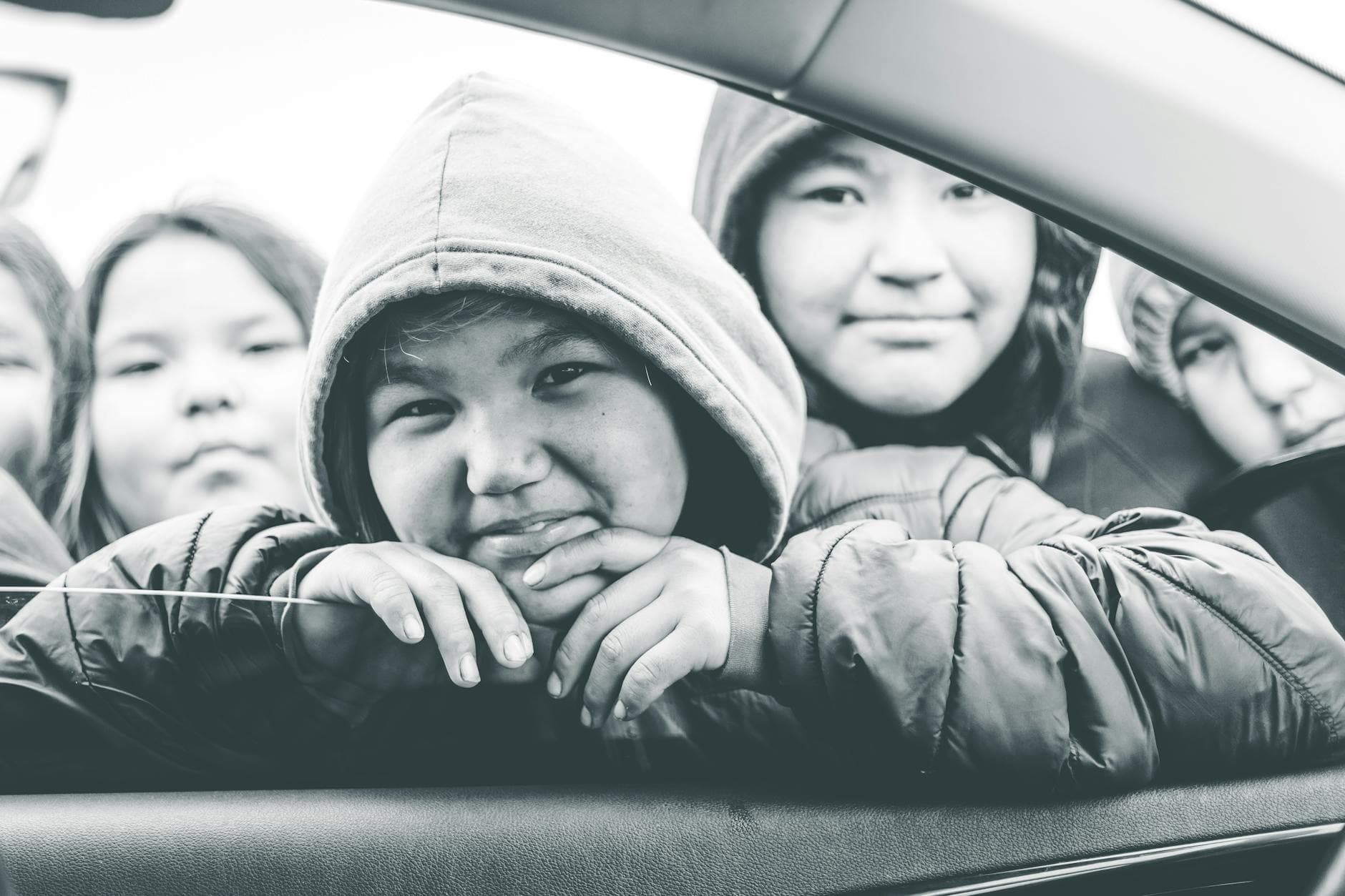
The first time I really noticed it, it was a Tuesday in November. My daughter, who usually bounced off the walls with energy, was just… slumped. Curled on the couch, staring blankly at a show she’d normally be shouting at the screen about. The windows were grey, the kind of grey that seeps into your bones, and the light felt like it had packed its bags and left town. It was more than just a bad mood; it was a tangible shift, a heaviness that seemed to settle over our house. This, I later learned, was a classic case of the teen winter blues.
Understanding the Teen Winter Blues
The Science Behind the Slump
It's easy to dismiss what teens feel as just "teen angst," but there's real biology at play when it comes to the teen winter blues. Shorter days mean less sunlight, and that can mess with our internal body clock, also known as the circadian rhythm. This can lead to increased melatonin production, making us feel sleepy, and decreased serotonin, a neurotransmitter that helps regulate mood. For teenagers, whose brains are still developing and are often more sensitive to these hormonal shifts, the impact can be significant. This is a core concept explored in American Psychological Association research on teen winter blues.
More Than Just a Bad Day
You might be wondering how this differs from a typical bad mood. Well, the winter blues in adolescents often present as a persistent feeling of sadness, a loss of interest in activities they once enjoyed, and a general lack of energy. Teen motivation winter can plummet. They might struggle with concentration in school, become more irritable, or even experience changes in appetite and sleep patterns. This isn't just about feeling a bit down; it can genuinely impact their daily functioning and overall well-being. It's a real phenomenon, and pretending it's not is unhelpful.
The Role of Social Isolation
Winter often means fewer opportunities for social interaction. Outdoor activities become less appealing, and indoor gatherings can feel more restrictive. For teens, who are in a crucial stage of social development, this isolation can exacerbate feelings of loneliness and low mood. This is a critical factor that often gets overlooked when discussing teen mental health winter.

Recognizing the Signs in Your Teen
Subtle Shifts in Behavior
Sometimes, the changes are subtle. You might notice your teen sleeping more than usual, or conversely, having trouble falling asleep. Their eating habits might change – either a loss of appetite or increased cravings for comfort foods. They might seem more withdrawn, spending more time alone in their room. These are often the first whispers of the teen winter blues.
Changes in Mood and Energy
A more noticeable sign is a consistent dip in mood and energy levels. Your usually energetic teen might seem lethargic, unmotivated, and even irritable. They might express feelings of hopelessness or sadness more frequently. This is where the concept of teen motivation winter becomes particularly relevant. It’s not that they *don't want* to do things; it’s that they genuinely struggle to muster the energy or desire.
Impact on School and Activities
Academically, you might see a decline in grades or a lack of engagement with schoolwork. They might start skipping extracurricular activities they once loved. This isn't about being lazy; it's a symptom of how the winter blues can affect a teen's ability to function. If you’re seeing these patterns consistently, it’s time to pay closer attention.

Strategies for Supporting Teens Through Winter
Prioritizing Light Exposure
This is non-negotiable. Encourage your teen to get outside, even for short periods, during daylight hours. A brisk walk around the block, a quick game of catch, or just sitting on the porch for 15-20 minutes can make a difference. If natural light is scarce, consider a light therapy lamp. These lamps mimic natural sunlight and can be incredibly effective for combating seasonal mood changes. This is a simple yet powerful intervention for teen winter blues.
Encouraging Physical Activity
Movement is medicine, especially during the winter months. Exercise releases endorphins, which are natural mood boosters. Find activities your teen enjoys – whether it's indoor sports, dancing in their room, or even a brisk walk with a friend. The key is consistency. Even 30 minutes of moderate activity a few times a week can significantly improve teen mood swings winter.
Fostering Social Connections
Even though it's harder in winter, actively encourage social interaction. Help your teen plan virtual hangouts with friends, or suggest safe, indoor activities they can do together. Sometimes, simply knowing they have a connection can make a world of difference. This is something The Gottman Institute research on teen winter blues often highlights in family dynamics.
Maintaining a Healthy Routine
Consistency is key for mental well-being. Help your teen establish and stick to a regular sleep schedule, even on weekends. Encourage balanced meals and limit excessive sugar and processed foods, which can lead to energy crashes. A predictable routine can provide a sense of stability when everything else feels a bit bleak.

When to Seek Professional Help
Identifying Warning Signs of Teen Depression Winter
While the teen winter blues are common, it's crucial to differentiate them from clinical depression. If your teen’s symptoms are severe, persistent (lasting more than two weeks), and significantly interfere with their daily life, it’s time to consider professional help. Signs to watch for include prolonged sadness, loss of interest in almost all activities, significant changes in appetite or weight, feelings of worthlessness or guilt, and thoughts of self-harm or suicide. The National Alliance on Mental Illness research on teen winter blues provides excellent resources for recognizing these distinctions.
The Role of Therapists and Counselors
A mental health professional can provide a safe space for your teen to talk about their feelings and develop coping strategies. Therapies like Cognitive Behavioral Therapy (CBT) can be highly effective in helping teens challenge negative thought patterns and build resilience. If you're concerned, don't hesitate to reach out to your pediatrician or a local mental health clinic. Early intervention is vital.
Talking to Your Teen Honestly
Open communication is paramount. Create an environment where your teen feels comfortable sharing their struggles without fear of judgment. Let them know you’re there for them, that their feelings are valid, and that you’re committed to helping them through this. Sometimes, just having that support system is the first step towards healing.

Empowering Your Teen for a Brighter Spring
Setting Realistic Goals
As winter wanes, help your teen set achievable goals for the coming months. This could be anything from learning a new skill to improving their fitness. Focusing on positive future aspirations can provide a sense of purpose and excitement. This aligns with the principles of Realistic Personal Growth Goals for Spring: Mindful Steps.
Practicing Mindfulness and Self-Care
Introduce mindfulness techniques to help your teen stay present and manage stress. Simple breathing exercises, meditation, or even just taking a few minutes to appreciate their surroundings can be beneficial. Encourage regular self-care practices that help them recharge. Many find Mindfulness for Stress: 5 Spring Overwhelm Fixes to be a great starting point.
Looking Forward with Hope
The winter blues are temporary. Remind your teen that spring will come, and with it, renewed energy and brighter days. By implementing these strategies, you can help them navigate this challenging season and emerge stronger on the other side. It's about building resilience and fostering a positive outlook, and that’s a gift that lasts a lifetime. Remember, Prevent Spring S.A.D.: Proactive CBT Strategies for a Bri... can be a great way to prepare for warmer months.
Here's the thing: parenting teens winter can feel like navigating a fog. You see the potential for joy and connection, but it's obscured by a palpable sense of inertia. My own experience taught me that proactive, consistent support is far more effective than waiting for the clouds to lift on their own. It requires patience, empathy, and a willingness to learn alongside your teen. This season doesn't have to be a period of struggle; it can be an opportunity for growth, connection, and discovering new strengths. And remember, if things feel too heavy, seeking professional guidance is a sign of strength, not weakness. The journey through the winter blues for teens is manageable, and with the right tools and support, a vibrant spring is always within reach.