
The alarm clock blares, cutting through the quiet morning. You hit snooze, again. The sun streams through the window, bright and insistent, a stark reminder that another day has begun, and with it, the familiar hum of aspirations you haven't quite met. You promised yourself last spring you’d start meditating daily, or maybe finally tackle that novel. Now, here we are, another season turning, and those grand visions feel as distant as ever. This cycle, this constant push-and-pull with our own expectations, is precisely why we need to talk about realistic personal growth goals.
I’ve been there, staring at a blank journal page, feeling the weight of a fresh spring, convinced this is the year I’ll transform. We all want to improve, to evolve, but often, we set ourselves up for disappointment by aiming for the moon when we haven’t even learned to climb a tree. This isn't about lowering your ambitions; it's about building a sustainable path, step by realistic step, toward the person you truly want to be. It’s about understanding that meaningful change is a marathon, not a sprint, and that sometimes, the smallest shifts create the deepest impact.
Why Most People Miss the Mark on Personal Growth
Honestly, I used to think the more ambitious the goal, the better. Go big or go home, right? That mindset, while well-intentioned, often leads to burnout and a feeling of failure, making us less likely to try again. The problem isn't a lack of desire; it’s a fundamental misunderstanding of how human beings actually change and grow.
The Trap of Grandiose Ambitions
We live in a culture that champions instant gratification and dramatic transformations. Think about the last time you scrolled through social media – everyone seems to be launching a new business, running a marathon, or mastering a complex skill overnight. This constant bombardment of seemingly effortless success stories can make our own modest efforts feel inadequate.
Setting a goal like "I will write a book this year" without any prior writing experience, or "I will run a marathon" when you've never run more than a mile, is a recipe for frustration. These aren't bad goals inherently, but they become unrealistic when disconnected from your current capabilities and the time you genuinely have available. They bypass the crucial foundational steps necessary for true progress.
Ignoring Your Current Reality
Here’s the thing: your life isn't a blank slate. You have responsibilities, limited energy, and existing habits. Many people, especially when setting growth goals for spring, forget to factor in these very real constraints. They ignore their current mental load, their stress levels, or even their physical health, like why they might be feeling more tired than usual.
A goal like "I'll meditate for an hour every day" sounds wonderful, but if you're a single parent working two jobs, that hour might simply not exist without sacrificing something vital. True self-improvement tips acknowledge your current circumstances, building from where you are, not from some idealized version of yourself.
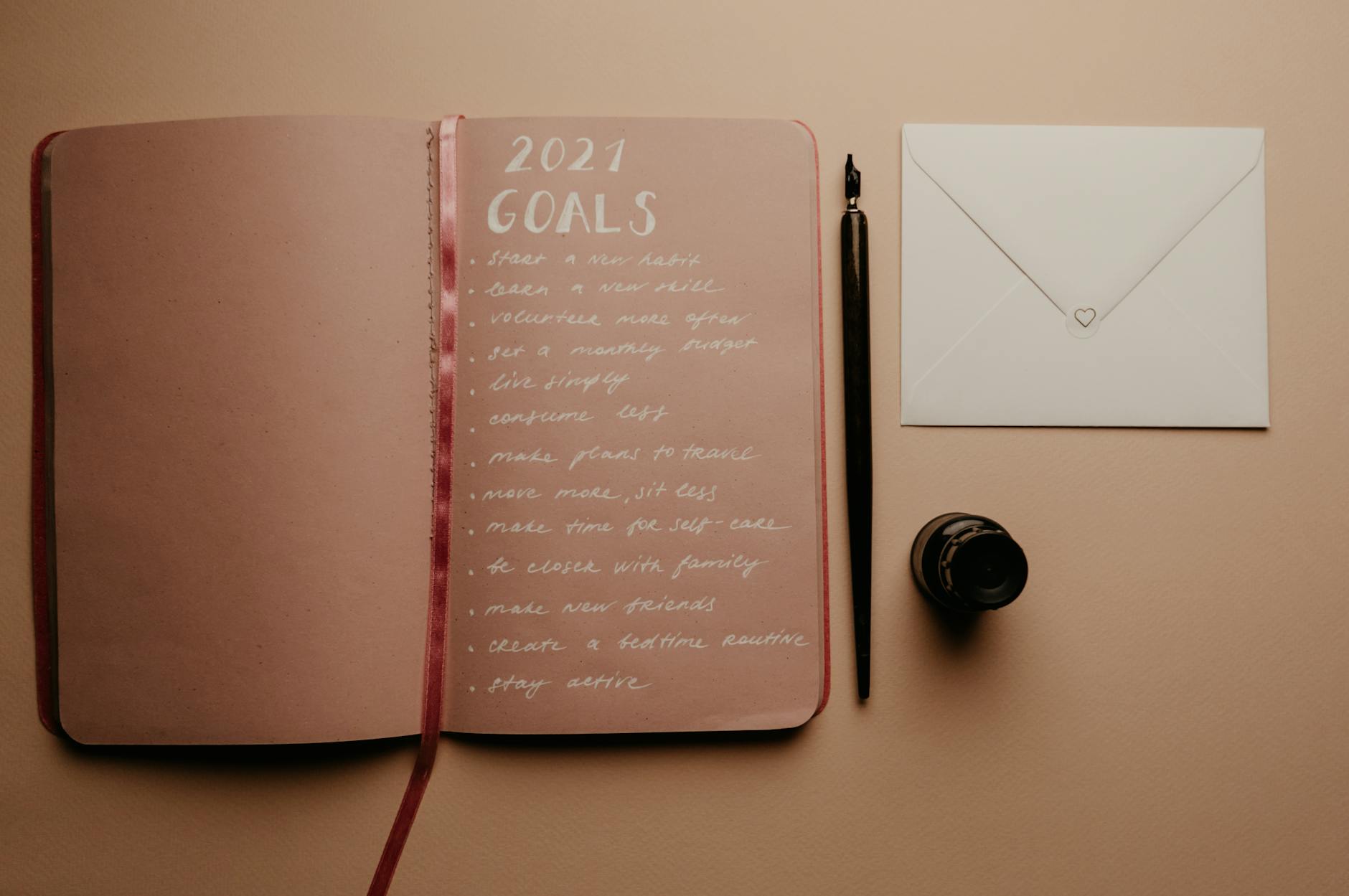
Crafting Achievable Growth Goals for Spring
Spring, with its sense of renewal and fresh starts, is a fantastic time for mindful personal development. The trick is to harness that energy without falling into the trap of over-committing. Let's focus on setting growth goals that are not just inspiring, but genuinely achievable.
Start Small, Think Incremental
This is probably the most crucial piece of advice I can offer: think tiny. Instead of "I will write a book," try "I will write for 15 minutes, three times a week." Instead of "I will get fit," aim for "I will walk for 20 minutes during my lunch break twice a week." These smaller, more manageable steps build momentum and, crucially, build confidence.
The American Psychological Association research on realistic personal growth goals consistently shows that small, consistent actions are far more effective for long-term habit formation than sporadic, intense bursts of effort. You're creating a sustainable personal growth system, not a temporary fix.
Break Down Big Visions
If you do have a big, audacious goal, that’s great! Just break it down into its smallest, most digestible components. Want to learn a new language? Your first achievable growth goal might be "Learn 10 new vocabulary words this week" or "Practice for 5 minutes using an app daily." Each micro-goal is a stepping stone, a small victory that fuels the next.
Align Goals with Your Values and Energy Levels
We often pick goals based on what we think we "should" do, or what others are doing. But for sustainable personal growth, your goals must resonate deeply with your own values and honestly reflect your current capacity. Ask yourself: Why do I want this? Does it truly light me up, or is it external pressure?
Consider your energy. If you know you're prone to seasonal shifts in mood and focus, don't plan an overly demanding intellectual pursuit for a time when you know you'll be struggling with mental fog. Be kind to yourself; self-awareness is a powerful tool for effective goal setting strategies.
Tune In to Your Inner Compass
Think about what genuinely brings you joy or a sense of purpose. If your goal is to "network more" but you're an introvert who dreads large social gatherings, perhaps a more realistic personal growth goal would be "Connect with one person deeply each month" or "Attend one online professional development workshop." It's about finding the path that works for you, not some generic ideal.

Setting Realistic Personal Growth Goals: The Practical Steps
Alright, let’s get practical. Here's how to move from vague aspirations to concrete, actionable steps that actually stick. This isn't just about what you want to achieve, but how you'll go about achieving it, considering all the bumps along the way.
Define Your "Why" with Clarity
Before you even think about the "what," nail down the "why." Your motivation is the fuel for your journey. Why is this goal important to you? What impact will it have on your life, your mental well-being, or your relationships? This isn't a superficial "I want to be healthier"; it's "I want to be healthier so I can have more energy to play with my kids and feel more present in my life."
When you hit a roadblock, and you will, returning to your powerful "why" can pull you through. It grounds your efforts and reminds you of the deeper purpose behind the daily grind.
Visualize the Outcome, Not Just the Effort
Spend a few minutes each week visualizing yourself having achieved that small, incremental goal. What does it feel like? What does it look like? This isn't just wishful thinking; it primes your brain for success and reinforces the positive emotions associated with your progress. It's a simple yet effective mindfulness for goal setting technique.
Build a Personal Development Plan (Not a To-Do List)
A goal without a plan is just a wish. A personal development plan isn't a rigid contract; it's a flexible roadmap. It outlines the specific actions you'll take, the resources you'll need, and how you'll measure your progress. Think of it as your strategy for sustainable personal growth.
For example, if your spring personal goal is to improve your emotional regulation, your plan might include: "Read one chapter of a book on emotional intelligence weekly," "Practice daily gratitude journaling for 5 minutes," and "Schedule a check-in with a therapist once a month." Each element supports the overarching goal, making it an achievable growth goal.
Schedule Your Growth
If it’s not in your calendar, it probably won’t happen. Treat your growth activities like important appointments. Block out specific times in your week for your new habits. Whether it's 15 minutes for learning a new skill or an hour for a creative pursuit, commitment to the schedule is key. This helps overcome goal setting challenges related to consistency.
Anticipate and Adapt to Challenges
I’ll be real with you: things will go wrong. You'll miss a day, life will throw curveballs, and your motivation will dip. This is not a sign of failure; it’s a normal part of the process. The difference between those who succeed and those who give up often lies in their ability to anticipate and adapt.
Psychology Today research emphasizes the importance of flexibility and self-compassion in achieving long-term goals. Don't beat yourself up for a missed step; simply acknowledge it and get back on track the next day. This resilience is a muscle you build over time.
Create Backup Plans
What will you do when you're too busy? What if you get sick? Having a "plan B" for your goals can be incredibly empowering. If your goal is to exercise daily, your backup might be "If I can't go to the gym, I will do 10 minutes of stretching at home." This prevents one missed day from derailing your entire effort.

My Honest Opinion on the "Perfect" Time to Start
You've probably noticed that a lot of people talk about setting growth goals in spring. There's a natural pull towards renewal, a feeling that with the blossoming flowers, we too should bloom. And yes, it absolutely can be a fantastic catalyst. The longer days and warmer weather often bring a natural boost in energy, making it easier to step outside, both literally and figuratively, and try new things. This can even help with coping with spring anxiety by giving you a positive focus.
However, and this one surprised me when I first started observing it in myself and others, the "perfect" time to start is actually whenever you realize you need to. The season is merely a backdrop. If you're feeling a surge of motivation in July, or November, that's your spring. Don't wait for an arbitrary date on the calendar. The best time to plant a tree, as they say, was 20 years ago. The second best time is now.
Listen to Your Body and Mind
Sometimes, your body and mind might be telling you to slow down, not speed up. If you're experiencing symptoms of anxiety or feeling overwhelmed, adding more "growth goals" to your plate might be counterproductive. Perhaps your most realistic personal growth goal right now is simply to prioritize rest, practice mindful eating, or seek support.
True growth isn't always about adding; sometimes, it's about subtracting, simplifying, or healing. Be honest with yourself about what you truly need versus what you feel pressured to achieve. The National Institutes of Health research consistently points to self-care as a foundational element of mental well-being goals.

Embracing the Journey, Not Just the Destination
Ultimately, setting realistic personal growth goals isn't about reaching some finish line where you are suddenly "perfect." It's about the ongoing process of becoming. It's about showing up for yourself, day after day, with kindness and persistence. Each small step, each tiny victory, is a testament to your commitment to yourself.
So, as the days lengthen and the world awakens around you, take a deep breath. Don't let the pressure of spring personal goals overwhelm you. Instead, choose one small, meaningful step. Take it. Feel the quiet satisfaction of that progress. Then, tomorrow, choose another. This is how real, lasting change happens – not with a bang, but with a series of gentle, determined nudges forward.