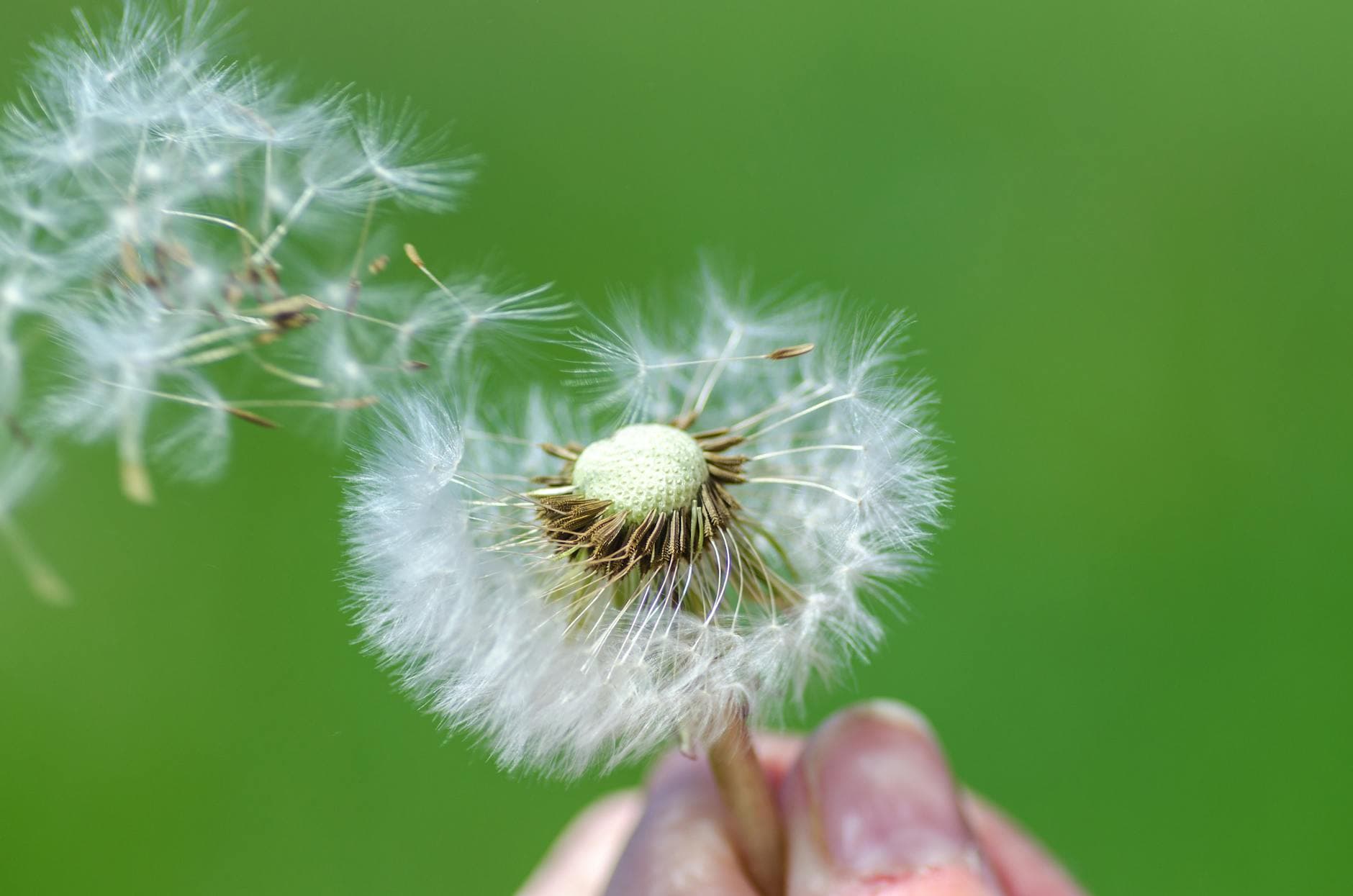
It’s a myth that spring is universally the happiest season. For millions, it’s a time of sniffles, watery eyes, and that persistent, scratchy throat. And if you’re in a relationship, this annual onslaught of pollen can do more than just trigger your sinuses; it can seriously impact your **allergy season relationship**. Most couples chalk up spring irritability to just "being sick," but the truth is far more complex, affecting mood, energy, and even intimacy.
The Unexpected Toll of Spring Allergies on Your Partnership
We often associate spring with renewal, romance, and growth, especially for newer connections. Think about it: the weather warms, people emerge from hibernation, and there’s a general sense of optimism. But for those battling seasonal allergies, this picture is a bit… blurry. The constant discomfort, fatigue, and general malaise can cast a shadow over even the brightest days, creating a unique set of challenges for any **allergy season relationship**.
When Your Partner is the One Suffering
It’s one thing to deal with your own allergy symptoms, but watching your partner struggle can be a whole different ballgame. Their usual vibrant personality might be dulled by congestion, their patience worn thin by constant itching, and their energy levels nonexistent. This isn't just about them feeling unwell; it's about how their discomfort directly affects your shared life and your connection. You might find yourself picking up extra slack around the house, or perhaps you're just missing the spontaneous outings you used to enjoy.
The Empathy Gap: Understanding the Invisible Illness
Here’s the thing: allergies are often seen as a minor inconvenience, not a debilitating condition. People who don't suffer from severe allergies might struggle to grasp the sheer misery involved. This can lead to an unintentional empathy gap. Your partner might feel dismissed or misunderstood when they complain about symptoms that others deem "not that bad." It’s crucial to remember that while the triggers are environmental, the suffering is very real. This is where genuine relationship support for allergy sufferers becomes paramount.
When You're the One Battling Pollen
Conversely, if you’re the one experiencing the full force of spring allergies, it can be incredibly isolating. You might feel guilty for not being your usual self, for snapping at your partner, or for canceling plans yet again. The constant physical discomfort can make you irritable and withdrawn, making it hard to connect emotionally. You might be thinking, "Why can't I just push through this?" but that’s often easier said than done.
The Impact on Mood and Energy
This one surprised me when I first started looking into it. The connection between allergy symptoms and mood is significant. According to National Alliance on Mental Illness research on allergy season relationship, the inflammation and histamine release associated with allergies can directly impact brain chemistry, leading to increased irritability, anxiety, and even symptoms mimicking depression. Add to that the sheer exhaustion from poor sleep due to constant sneezing and coughing, and you have a recipe for a strained **allergy season relationship**. You might find yourself wanting to be close to your partner, but the sheer fatigue and discomfort make it feel like an impossible task.

Navigating the Sniffles: Practical Strategies for Couples
So, how do you move from simply enduring allergy season to actually thriving through it as a couple? It’s not about finding a magic cure, but about building resilience and understanding. This requires open communication and a willingness to adapt.
Open Communication: The First Line of Defense
This is non-negotiable. You *have* to talk about it. Don't assume your partner knows how bad you're feeling, or that they understand the limitations allergies impose. Be specific about your symptoms and how they're affecting you. This isn't about complaining; it's about sharing your reality.
Setting Expectations Early
If you know allergy season is coming, have a conversation *before* it hits. Discuss what you might need from each other. For example, if you know you’ll be exceptionally tired, can your partner take on more household chores for a few weeks? If your partner is usually the one who plans dates, can you agree that they might need to scale back or suggest more low-key activities? This proactive approach can prevent resentment from building. It’s about partnership, not just individual suffering.
Empathy and Understanding: Beyond the Sneeze
Remember that empathy is a two-way street. If your partner is suffering, try to put yourself in their itchy, watery-eyed shoes. Acknowledge their discomfort. Simple phrases like "I can see how miserable you are" or "It sounds really tough right now" can make a world of difference.
Recognizing the Signs of Allergy Irritability
It’s easy to mistake allergy-induced grumpiness for personal attacks. If your partner is suddenly short-tempered, constantly sighing, or seems unusually withdrawn, consider the pollen count. This is where understanding the allergy irritability relationship can be a game-changer. Instead of reacting defensively, try a gentle approach. "Hey, I notice you seem a bit off today. Is it the allergies acting up again?" This can open the door for a more productive conversation and prevent misunderstandings.

When Your Partner is Sick with Allergies: What to Do
Dealing with a partner who is sick with allergies requires a different kind of care than just a common cold. It’s a persistent, often uncomfortable state that can drain both of you.
Providing Practical Support
Sometimes, the best support is the most practical. This could mean ensuring they have their medications readily available, making them a soothing cup of tea, or simply fetching them a tissue without being asked. It’s about anticipating needs before they even have to voice them.
Creating a Comfortable Environment
Think about how you can make your shared living space more allergy-friendly. This might involve keeping windows closed on high pollen days, running an air purifier, or frequently cleaning surfaces. Small adjustments can make a big difference in their daily comfort and, by extension, your shared peace.
Emotional Support: More Than Just Medicine
Beyond the physical, your partner needs emotional reassurance. They might feel frustrated with their body, embarrassed by their symptoms, or simply lonely in their discomfort. Offer words of encouragement and remind them that you're in this together.
Patience is a Virtue (Especially During Pollen Season)
This is where patience truly shines. Your partner might not be able to participate in activities they normally enjoy, their energy levels might be low, and their mood might be unpredictable. It’s important to extend grace and understand that this is a temporary phase. This is also a good time to reflect on your own capacity for allergy relationship strain and how you can manage it together.
The Unexpected Upside: Growth in Your Allergy Season Relationship
While allergy season can feel like a trial by fire, it also presents a unique opportunity for growth within your relationship. Navigating these challenges together can forge a stronger bond than ever before.
Deepening Connection Through Shared Challenges
When you face a difficult period together, whether it's navigating a health issue or a stressful life event, it can bring you closer. Successfully managing allergy season as a team can foster a sense of accomplishment and mutual reliance. You learn to lean on each other, and that builds a powerful foundation.
Strengthening Communication Skills
The need for clear, honest communication during allergy season forces couples to hone their skills. You learn to articulate your needs, listen more attentively, and find solutions collaboratively. These are invaluable skills that extend far beyond the pollen-filled months.
Discovering New Ways to Connect
When outdoor activities are off the table, you might be forced to find new ways to spend quality time together. This could be rediscovering board games, having movie marathons, or exploring new indoor hobbies. Sometimes, limitations spark creativity and lead to unexpected joys. This can be particularly true for a new relationship growth after winter, as it’s an early test of adaptability.
When Allergies Strain the Relationship: Seeking Help
It’s important to be honest: sometimes, allergy season *does* strain a relationship. The constant irritability, fatigue, and misunderstandings can feel overwhelming. If you find yourselves consistently arguing, feeling disconnected, or if one partner feels perpetually unsupported, it might be time to seek external help.
Recognizing the Warning Signs
If the issues stemming from allergy season are spilling over into other areas of your relationship, or if you feel like you're constantly walking on eggshells, pay attention. This isn't just about sniffles anymore; it's about the health of your partnership.
When to Consider Professional Support
A therapist or counselor can provide a neutral space to discuss these challenges. They can offer tools and strategies for managing conflict, improving communication, and fostering empathy. It’s a sign of strength, not weakness, to seek guidance when you need it, and it can be incredibly beneficial for navigating allergy relationship strain.
Beyond the Pollen: A Lasting Connection
Allergy season is a recurring challenge, but it doesn't have to be a recurring strain on your relationship. By approaching it with open communication, genuine empathy, and a willingness to adapt, you can not only survive but even strengthen your bond. Think about the last time you truly felt understood by your partner when you were feeling unwell. That feeling is the bedrock of a strong connection, and it’s absolutely achievable, even when the world outside is covered in a fine layer of pollen. The National Institutes of Health research on allergy season relationship consistently points to proactive communication and mutual support as key factors in maintaining relationship health during stressful periods. So, this spring, don’t just let the allergies happen *to* you; face them together.