
Did you know that a staggering 70% of relationship problems stem not from a lack of love, but from a failure to communicate unmet needs? It sounds wild, right? We get married, we think we know each other inside and out, and then suddenly, we’re living with a stranger who doesn’t understand why we’re upset about the way they load the dishwasher. This is where the crucial skill of expressing needs marriage comes into play. It’s not about nagging or demanding; it’s about building a bridge of understanding, one honest conversation at a time.
The Silent Treatment is a Relationship Killer
Look, I’ll be real with you. So many of us were never taught how to articulate what we actually want or need from our partners. We might have grown up in households where needs were either ignored, met with guilt, or expressed through passive-aggression. This leaves us ill-equipped for the intimate dance of marriage, where constant, clear communication is the ballroom floor. When we don’t express our needs, resentment builds, and that’s a toxic brew for any relationship. It’s like a slow leak in a tire; you might not notice it at first, but eventually, you’re going to be stranded.
Why We Clam Up
Fear of Rejection
This is a big one. We worry that if we say, "I need more quality time," our partner might interpret it as, "You're not enough," or worse, "I'm unhappy with you." This fear can paralyze us, making us opt for silence over the risk of an uncomfortable conversation.
Unrealistic Expectations
Sometimes, we fall into the trap of believing our partner should just *know* what we need. We think, "If they really loved me, they'd see I'm stressed and offer to help without me asking." This is a recipe for disappointment. Your partner is not a mind reader, and expecting them to be is unfair and sets you both up for failure.
Past Negative Experiences
If you've tried expressing your needs before and were met with defensiveness, dismissal, or anger, it’s natural to shut down. You learn that speaking up leads to conflict, so you avoid it. This is a learned behavior that can be unlearned, but it takes conscious effort.
The Cost of Unspoken Needs
Erosion of Intimacy
When needs go unmet, emotional distance grows. You might find yourself feeling less connected, less understood, and less loved. This can severely impact intimacy in marriage, making you both feel like roommates rather than soulmates. The American Psychological Association research on expressing needs marriage highlights how unmet needs directly correlate with decreased relationship satisfaction.
Increased Conflict
Ironically, not talking about needs often leads to *more* conflict, just not the productive kind. Instead of addressing the root issue, you end up arguing about surface-level annoyances that are actually symptoms of deeper unmet needs. Think about the last time you had a blow-up argument that felt disproportionate to the actual trigger. Chances are, underlying needs were involved.
Resentment and Bitterness
This is the slow burn. Over time, the accumulation of unmet needs can turn into deep-seated resentment. You start to feel like you're giving more than you're receiving, or that your partner simply doesn't care. This bitterness can poison the well of your relationship, making it incredibly difficult to find joy or connection.

Mastering the Art of Communicating Needs Marriage
Okay, so we know *why* it's hard, and we know the stakes. Now, let's talk about how to actually do it. This is where the rubber meets the road in expressing needs marriage. It’s about cultivating a skill, and like any skill, it takes practice and patience.
The "I Feel" Statement: Your New Best Friend
This is classic advice for a reason: it works. Instead of saying, "You never help around the house," try, "I feel overwhelmed and unappreciated when the chores aren't shared, because I need to feel like we're a team." Notice the difference? You're stating your feeling and the need it stems from, without placing blame. This opens the door for dialogue, rather than slamming it shut with an accusation. The Gottman Institute research on expressing needs marriage consistently points to "I" statements as a cornerstone of effective conflict resolution.
Breaking Down the "I Feel" Statement
Identify Your Feeling
What are you *actually* feeling? Sad? Frustrated? Lonely? Overlooked? Get specific. "Bad" is too vague. "Invisible" is more potent.
Connect Feeling to Behavior (Without Blame)
This is the tricky part. It's not about saying, "You *make* me feel this way." It's about saying, "When [specific behavior happens], I feel [your feeling]." For example, "When I’m left to manage the kids’ bedtime routine by myself every night, I feel exhausted and unsupported."
State Your Need Clearly
This is the payoff. What do you need to alleviate that feeling? "I need us to share the bedtime routine responsibilities so I can have some downtime too." Or, "I need a partner who actively participates in household tasks."
Timing is Everything
Nobody wants to have a serious conversation when they're rushing out the door, exhausted after a long day, or in the middle of a stressful event. Find a calm, neutral time when both of you are relaxed and can give each other your full attention. This might mean scheduling a "relationship check-in" time, which sounds formal, but can be incredibly effective for consistent communication. I used to think scheduling talk time was unromantic, but honestly, it saved my marriage from a lot of unnecessary friction.
Creating the Right Environment
Minimize Distractions
Put away phones, turn off the TV, and create a space where you can focus solely on each other. Even 20 minutes of uninterrupted, focused conversation can be more valuable than an hour of talking with constant interruptions.
Choose a Neutral Setting
Sometimes, bringing up sensitive topics in the bedroom or during a meal can create unintended pressure. A quiet walk, a drive in the car, or simply sitting on the couch together can be more conducive to open communication.
Active Listening: It's Not Just About Talking
Communicating needs in marriage is a two-way street. Your partner needs to feel heard and understood too. This means practicing active listening. It’s not just waiting for your turn to speak; it’s about truly absorbing what your partner is saying, both verbally and non-verbally.
Techniques for Active Listening
Paraphrase and Summarize
After your partner speaks, repeat back what you heard in your own words. "So, if I'm understanding correctly, you're feeling frustrated because you need more downtime after work?" This confirms you're listening and allows them to clarify if you've misunderstood.
Ask Clarifying Questions
If something is unclear, ask open-ended questions. "Can you tell me more about what 'feeling disconnected' looks like for you?" This shows genuine interest and helps you get to the heart of their needs.
Empathize
Try to put yourself in your partner's shoes. Even if you don't agree with their perspective, acknowledge their feelings. "I can see why that would make you feel lonely," or "It makes sense that you'd be upset about that."

Navigating the "Asking for What You Need Marriage" Landscape
This is where the rubber meets the road. You've practiced your "I feel" statements, you've found the right time, and you're ready to express your needs. But what if it still feels daunting? What if your partner gets defensive? It’s a process, and there will be bumps. The key is to approach it with a mindset of collaboration, not confrontation. This is about asking for what you need marriage, not demanding it.
Setting Realistic Expectations for Your Partner
Your partner isn't a mind reader, but they also might not be a communication expert. They might need gentle guidance on how to respond to your needs. Sometimes, a simple "I'm not looking for you to fix this right now, I just need you to listen and understand" can be incredibly helpful.
Helping Your Partner Understand
Explain Your Process
You can tell your partner, "I'm working on becoming better at expressing my needs, and I'd appreciate it if you could try to listen without getting defensive." This frames it as a shared effort towards a healthier relationship.
Offer Examples
If they’re struggling to understand what you mean, provide concrete examples. "When I say I need more affection, I mean I'd love a hug when you get home or a hand to hold during a movie."
The Power of Vulnerability
Being vulnerable is terrifying, but it's also incredibly powerful in building connection. When you open up about your needs, you're showing your partner that you trust them with your deepest feelings. This can foster a sense of intimacy and strengthen your bond. It’s about showing them the parts of yourself that are soft and perhaps a little scared, trusting that they will hold them with care. This is fundamental to relationship needs communication.
When Vulnerability Feels Too Risky
Start Small
If full vulnerability feels too much, begin by sharing smaller, less emotionally charged needs. As you build trust and see positive responses, you can gradually open up about more significant needs.
Focus on the "Why"
When you share a need, explain *why* it's important to you. This helps your partner understand the underlying emotional significance, making them more likely to respond with empathy and support. For instance, explaining that you need uninterrupted quiet time to read isn't just about the book; it's about your need for mental recharge and personal space, which is crucial for your overall well-being.
Seeking Professional Help When Needed
Sometimes, despite our best efforts, we get stuck. Old patterns are hard to break, and communication breakdowns can become entrenched. This is where seeking help from a qualified therapist or counselor can be a game-changer. Couples therapy isn't a sign of failure; it's a sign of commitment to your relationship and a willingness to invest in its future. They can provide tools and guidance to improve marriage communication and help you navigate difficult conversations more effectively. They can also help you understand individual relationship needs stemming from things like your attachment styles explained: unlock your relationships.
When to Consider Couples Therapy
Persistent Misunderstandings
If you find yourselves constantly misunderstanding each other or having the same arguments repeatedly, therapy can help untangle these patterns.
Emotional Distance
If you're feeling disconnected from your partner and struggling to bridge that gap, a therapist can offer strategies to rebuild intimacy and connection.
Major Life Transitions
Significant life changes, like having children, career shifts, or dealing with health issues, can put a strain on a marriage. Therapy can help you navigate these transitions together.
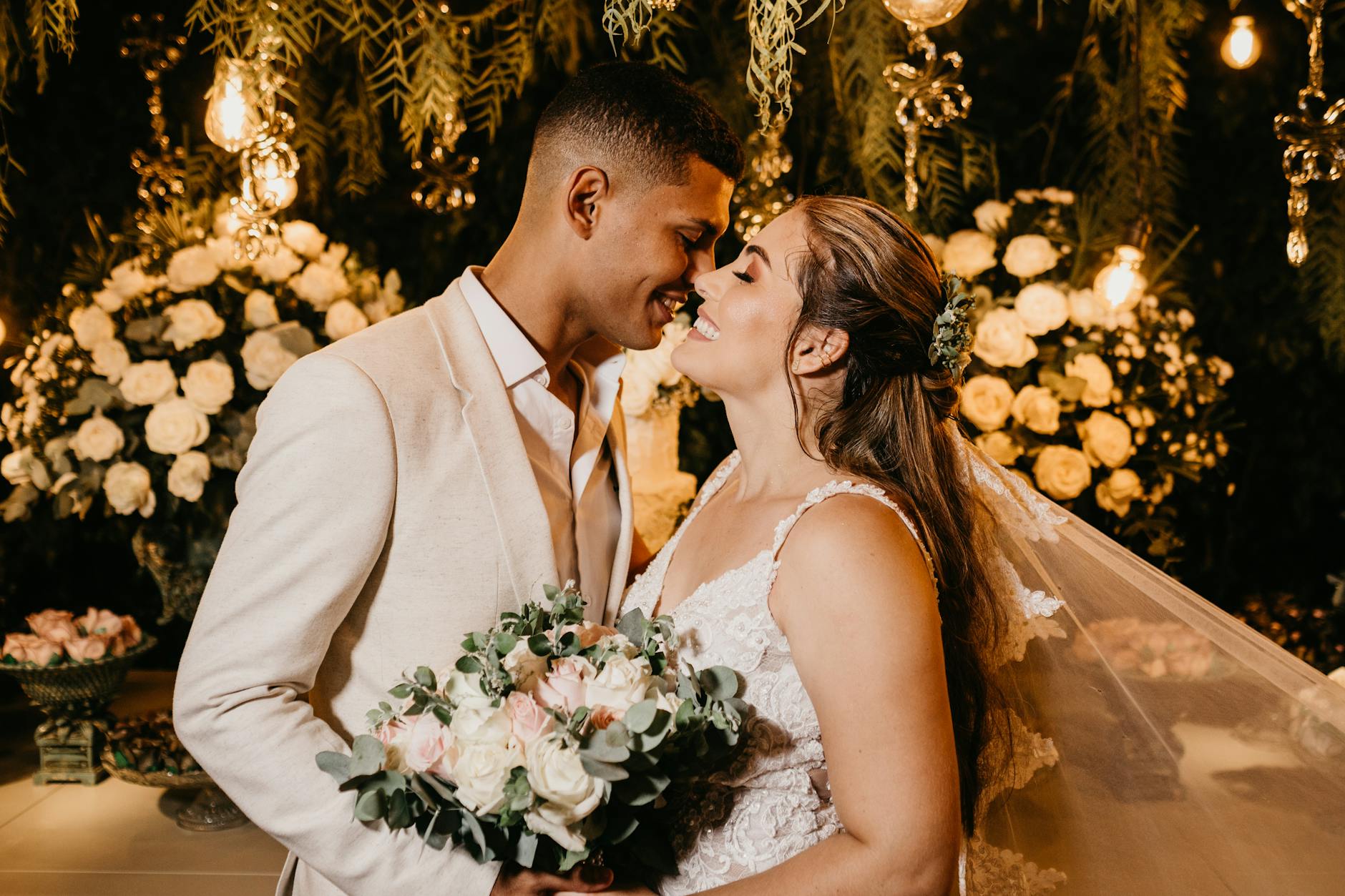

Nurturing Your Marriage Through Expressing Needs
Ultimately, expressing needs marriage is not a one-time fix; it's an ongoing practice. It's about creating a culture of openness and honesty within your relationship. When you feel safe to express your needs and your partner feels heard and respected, your marriage can flourish. You can build a deeper connection, a stronger partnership, and a more fulfilling life together. It’s about actively working to reignite relationship spark: spring tips for lasting love, not just hoping it happens on its own. Remember, a healthy marriage is built on a foundation of consistent, loving communication, and that starts with bravely sharing your heart.
The Long-Term Benefits of Open Communication
Increased Trust and Security
When your partner consistently shows up for you, listens to you, and tries to meet your needs, it builds immense trust. You feel secure knowing you can be open and honest without fear of judgment or rejection.
Deeper Intimacy and Connection
Sharing your inner world, including your needs and vulnerabilities, creates a powerful bond. This level of intimacy is what truly sets a marriage apart and makes it a source of profound joy and support.
Resilience in the Face of Challenges
Every marriage will face challenges. Couples who have strong communication skills and a solid understanding of each other's needs are far more equipped to navigate difficult times. They can weather storms together, emerging stronger on the other side. Even during tough times, like when couples experience the spring sad couples: tips to cope together, open communication is key.
Your Marriage, Your Responsibility
It's easy to point fingers or blame our partner when things aren't going well. But the truth is, a marriage is a shared endeavor. Both partners have a responsibility to contribute to its health and happiness. This includes the sometimes-uncomfortable work of learning to express needs effectively. Think about the last time you actively sought to understand your partner's needs. If it’s been a while, maybe that’s your starting point.
Embracing the Journey
Learning to express needs in marriage is a journey, not a destination. There will be good days and bad days. Celebrate the small victories, learn from the setbacks, and keep showing up for each other. Your commitment to open and honest communication is one of the most loving gifts you can give your marriage. This journey can even feel like transitioning from a casual to committed relationship: spring dating guide, where understanding and meeting each other's needs becomes paramount.