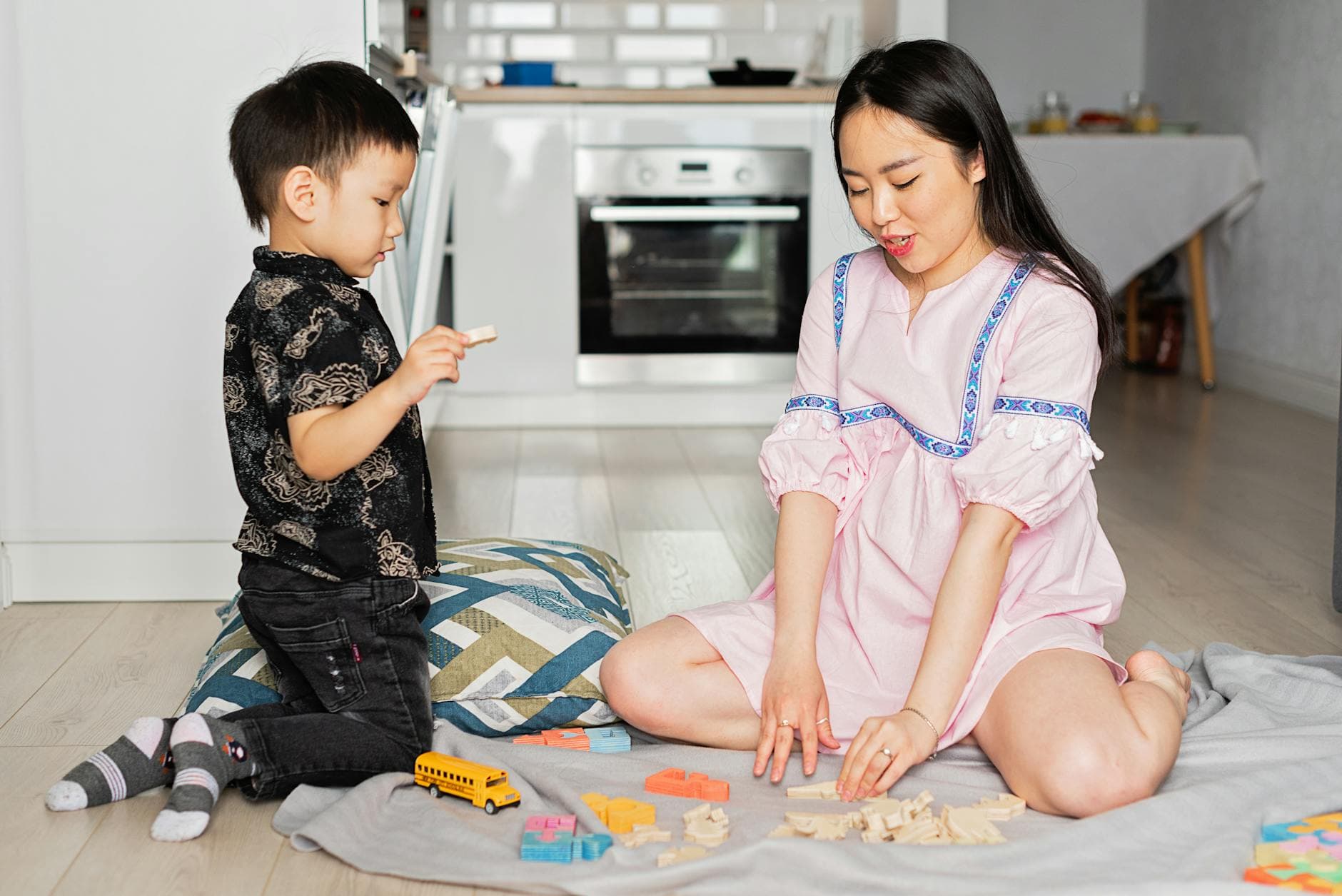
Does the thought of your child returning from a week with the other parent fill you with a mix of relief and apprehension? You're not alone. The transition back can be tricky, and getting co-parenting after break right is more art than science, but it's absolutely achievable. Whether it's a holiday, a summer vacation, or just a weekend visit, smoothing out these handoffs is crucial for your children's well-being and your own sanity.
The Post-Vacation Co-Parenting Hurdle
Holidays and breaks are supposed to be times of joy and relaxation for everyone. But for divorced or separated parents, these periods can often feel like navigating a minefield. The primary goal when it comes to co-parenting after break is to minimize disruption for the kids. They've likely had a change in routine, potentially new experiences, and time away from one parent. The reintegration phase needs to be handled with care and consideration.
Re-establishing Routine
Kids thrive on predictability. After a break, getting back into the swing of regular school, homework, extracurriculars, and bedtime routines is paramount. This isn't just about discipline; it's about providing a sense of stability and security that might have been temporarily suspended.
Managing Expectations
Both parents need to be on the same page regarding the child's return. This means discussing any special gifts, stories, or new habits picked up during the break without creating a competitive environment. The focus should remain on the child's overall happiness and adjustment.
The Reintegration Gap
You might have noticed that your child can seem a little "off" for a few days after returning from the other parent's care. This is normal. They might be tired, overstimulated, or simply adjusting back to their usual environment. Give them grace and space to settle back in. This reintegration after separation is a key part of healthy co-parenting.

Spring Break Co-Parenting Tips for Smoother Transitions
Spring break is a common time for children to travel between households. The sunshine and time off school can be wonderful, but they also present unique challenges for co-parenting after break. The key is preparation and open communication. Think about the last time you had a smooth transition after a holiday – it probably involved some planning, right?
Pre-Break Communication is Key
Before the break even begins, have a conversation with your co-parent. Discuss the schedule, any special activities planned, and how you'll handle communication while the child is away. This proactive approach can prevent misunderstandings later.
Logistical Planning
Confirm pick-up and drop-off times and locations well in advance. If there are any changes to the usual arrangement, communicate them clearly and promptly. This might involve coordinating travel plans or confirming that school holiday arrangements are clear.
Sharing the Experience (Without Competition)
Encourage your child to share their experiences from the break, but do so in a way that doesn't make the other parent feel excluded or undermined. It's about celebrating their fun, not comparing holidays. This is where effective co-parenting strategies really shine.
Post-Break Reconnection
Once your child is back, dedicate some quality time to reconnect. This could be a simple movie night, a walk in the park, or just sitting and listening to them talk about their adventures. This helps bridge the gap created by the time apart.
Active Listening
Let your child lead the conversation. Ask open-ended questions and genuinely listen to their responses. Avoid interrupting or immediately jumping in with your own stories or opinions. This fosters trust and makes them feel heard.
Focus on the Present
While it's natural to want to know everything that happened, try not to interrogate them. Focus on how they are feeling now and help them settle back into their home environment. This is vital for child adjustment after travel.

Navigating Kids Co-Parenting After Holiday: The Emotional Landscape
The emotional impact of holidays and breaks on children in co-parenting situations cannot be overstated. They are often caught between two homes, two sets of rules, and sometimes, two sets of parental emotions. Managing this emotional landscape is a core aspect of successful co-parenting after break.
Addressing Potential Guilt or Loyalty Binds
Children can sometimes feel guilty about enjoying themselves with one parent while the other is absent. Or, they might feel pressured to choose sides. It's crucial to reassure them that it's okay to love and enjoy time with both parents. This is where you can actively combat potential red flags relationships might display.
Reassurance and Validation
Tell your child explicitly that you love them and want them to have fun, no matter who they are with. Validate their feelings if they express sadness about missing one parent or excitement about being back. Their emotions are real and deserve acknowledgment.
Avoiding Parental Alienation
Never speak negatively about the other parent in front of your child, and avoid making them feel like they have to carry messages or be a go-between. This can create deep emotional rifts and is a form of Healthline research on co-parenting after break that highlights the damage it can cause. The goal is to foster a healthy relationship with both parents.
The Return Home: A Time for Calm
When your child returns, your primary focus should be on providing a calm, stable, and loving environment. They've likely experienced a lot of stimulation and change. A quiet evening, a familiar meal, and a predictable bedtime can work wonders for their adjustment.
Patience is a Virtue
Your child might be clingy, moody, or unusually tired. This is their way of processing the transition. Be patient, offer extra cuddles, and resist the urge to overload them with activities or questions immediately. This is part of the National Institutes of Health research on co-parenting after break that emphasizes the importance of a supportive home environment.
Open Lines of Communication
Encourage them to talk about their feelings, but don't force it. Sometimes, just being present and available is enough. This is where you can model healthy communication, a skill that will benefit them throughout life.

Smooth Co-Parenting Transitions: Strategies That Actually Work
Achieving smooth co-parenting after break isn't about perfection; it's about consistent effort and effective strategies. It requires both parents to prioritize the child's needs above their own personal feelings or past grievances. Honestly, this one surprised me when I first started navigating it myself.
Unified Front
Presenting a united front to your children is incredibly powerful. This doesn't mean you have to agree on everything, but it means presenting a consistent message regarding rules, discipline, and important family decisions. If one parent is lenient with screen time and the other isn't, kids will exploit that inconsistency.
Consistent Rules
Try to align on major household rules, such as bedtime, homework expectations, and consequences for misbehavior. This reduces confusion and makes it easier for children to adapt when moving between homes. This is a cornerstone of effective co-parenting strategies.
Respecting Each Other's Time
When it's the other parent's time, respect that. Avoid calling incessantly or making demands unless it's a genuine emergency. This shows your child that you trust and respect their other parent, reinforcing positive relationships.
The Power of Technology (Used Wisely)
Co-parenting apps and shared calendars can be lifesavers for managing schedules, sharing important information about the children (like doctor's appointments or school events), and maintaining a clear record of communication. This can significantly ease the burden of co-parenting after break.
Shared Calendars
Using a digital calendar where both parents can see upcoming events, school holidays, and custody exchanges eliminates many potential conflicts. It's a visual representation of the child's life across both households.
Communication Platforms
Dedicated co-parenting apps provide a neutral space for communication, keeping discussions focused on the children and away from personal disputes. This can be a lifesaver when direct communication is strained, and it helps with National Alliance on Mental Illness research on co-parenting after break that addresses the mental health toll of conflict.

My Take: Why This One Thing Makes All the Difference in Co-Parenting After Break
Look, I've seen and experienced a lot in the relationships space. When it comes to co-parenting after break, there's one element that, in my opinion, trumps all others: genuine empathy for your child's experience. It's easy to get caught up in our own feelings – the relief of having our child back, the annoyance that they might have been spoiled, or the worry that they missed us too much. But here's the thing: our kids are the ones doing the heavy lifting.
They are the ones navigating two worlds, two sets of rules, and the emotional tug-of-war that can sometimes exist. When you approach the post-break transition with empathy, you naturally shift your focus. Instead of asking "How was *my* time without them?" or "Did they miss *me* enough?", you start asking, "How is my child feeling right now?" "What do they need to feel secure and loved?" This simple shift in perspective is the bedrock of smooth transitions and healthy child adjustment after travel.
It means being patient when they're grumpy, celebrating their stories from the other home without comparison, and prioritizing their comfort over your own immediate needs. It's about remembering that their happiness and security are the ultimate goals. When you can tap into that empathetic understanding, you're not just managing a handover; you're actively nurturing your child's resilience and their ability to maintain healthy relationships with both parents. It's the foundation for a strong green flags relationship with your child, no matter the family structure. Think about the last time you felt truly understood after a difficult experience – that's the feeling you want to give your child.
This empathetic approach is also what helps prevent issues like parental alienation. When you genuinely care about your child's connection to the other parent and facilitate that, you're building a stronger, more secure future for them. It's a long game, and it's worth every bit of effort. Remember, the goal isn't just to survive co-parenting after break, but to thrive, and that starts with putting your child's emotional world first. It's about creating future harmony, not just managing the present. This can also be a great time to think about Future Goals Couple: Plan Your Spring Together, even if your "couple" is now a co-parenting unit.