
Picture this: you're sitting across the dinner table from someone you care about. The food is good, the ambiance is pleasant, but then it happens. A seemingly small comment, a raised eyebrow, a slight shift in tone, and suddenly, the air crackles. That invisible tension, that prickle of unease – that's the starting point. It’s the first whisper of what is conflict, a force that shapes every human interaction, from the most intimate partnerships to the grandest global stages.
The Undeniable Pulse of Human Interaction: What is Conflict?
More Than Just a Disagreement
When we talk about what is conflict, it's easy to fall into the trap of thinking it's just a simple disagreement. You know, like arguing over the best pizza topping or whose turn it is to take out the trash. But honestly, it’s so much more profound than that. Conflict, at its core, is a perceived incompatibility or opposition between two or more parties. This opposition can stem from a variety of sources, leading to a clash of needs, values, goals, or beliefs. It’s not just about being on different pages; it’s about feeling like you’re in entirely different books, possibly even different libraries.
The Inevitability of Friction
Here's the thing: conflict isn't inherently bad. In fact, if you're in a relationship – any relationship, romantic or otherwise – and you never experience conflict, that's a red flag. It might mean one person is suppressing their needs, or perhaps the connection isn't deep enough to spark any real friction. I used to think that a conflict-free relationship was the ultimate goal, but The Gottman Institute research on what is conflict has shown me that healthy conflict, managed well, actually strengthens bonds. It's the friction that polishes the stone, not the absence of it.
Defining the Dynamic
So, what is conflict? It's a dynamic process that arises when individuals or groups perceive that their interests, needs, or values are in opposition. This perception is key. Even if objectively there's no real clash, if one person *feels* there is, then conflict exists. It’s about the subjective experience of incompatibility. This understanding is crucial for effective conflict resolution strategies.

Unpacking the Layers: Types of Conflict
Internal Battles: Intrapersonal Conflict
Before we even get to arguing with others, we often wrestle with ourselves. Intrapersonal conflict is the battle waged within a single person. Think of that nagging voice telling you to skip the gym, or the internal debate about whether to take that new job that scares you. These internal struggles can manifest as indecision, anxiety, and self-doubt. They are the quiet groundwork upon which our external interactions are built.
The Classic Clash: Interpersonal Conflict
This is what most people immediately picture when they hear the word "conflict." Interpersonal conflict occurs between two or more individuals. It's the heated argument with your partner, the tense negotiation with a colleague, or the disagreement with a family member. This is where the rubber meets the road, where communication styles, differing needs, and unmet expectations often collide. Understanding the definition of conflict is the first step to navigating these interpersonal minefields.
Group Dynamics: Intergroup Conflict
Move beyond individuals, and you encounter intergroup conflict. This happens between different groups, whether they're departments in a company, political parties, or even rival sports teams. The dynamics here can be complex, often fueled by stereotypes, group identity, and competition for resources. Imagine the tension between the sales and marketing departments, each blaming the other for missed targets – that's intergroup conflict in action.
Larger Arenas: Societal and Global Conflict
On the grandest scale, we see societal and global conflicts. These are wars, civil unrest, and widespread social divisions. While the scale is immense, the root causes often echo those found in interpersonal conflict: differing values, competition for power and resources, and historical grievances. Healthline research on what is conflict often touches upon these broader societal issues, highlighting the pervasive nature of human disagreement.
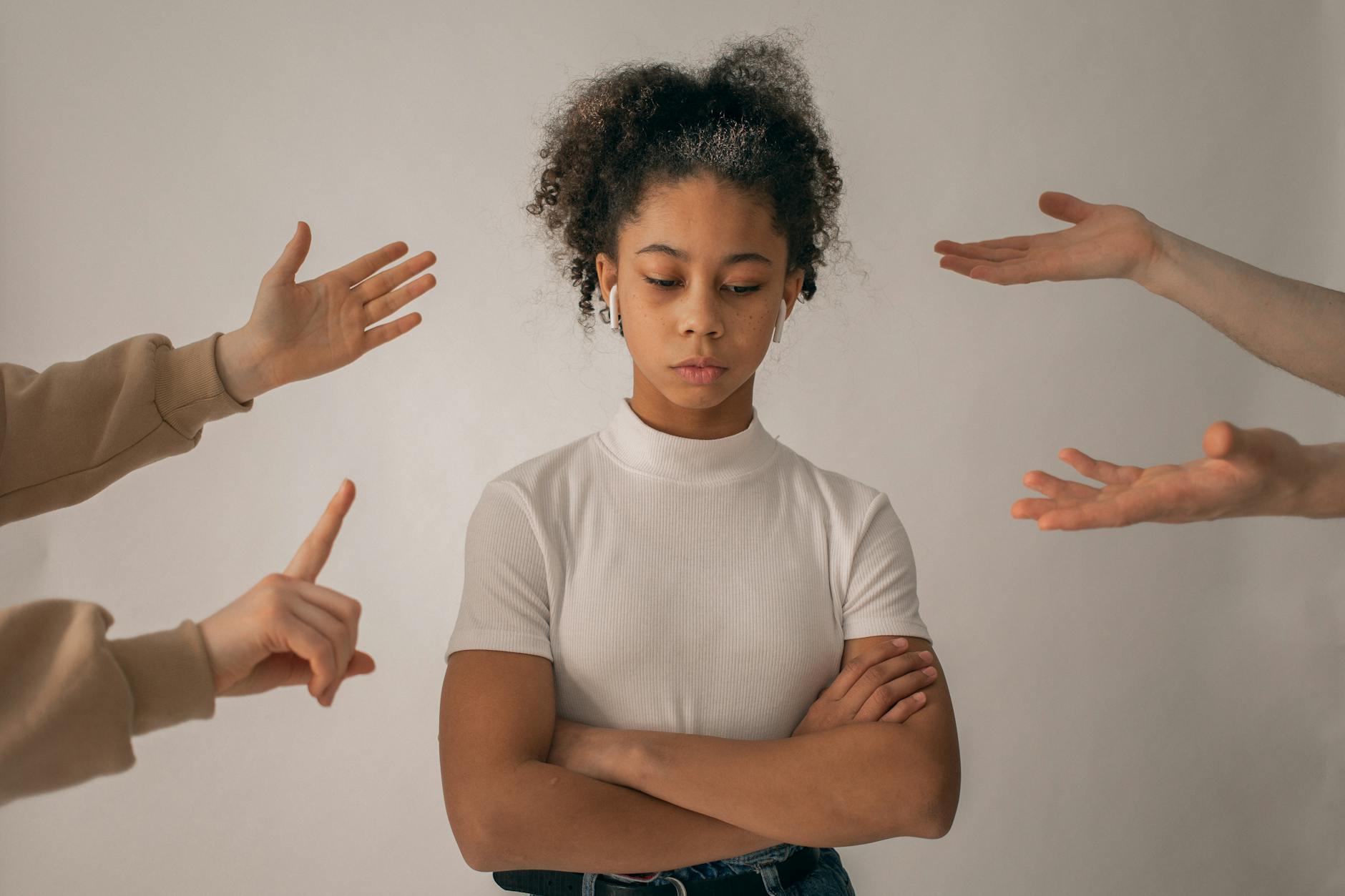
The Roots of Discord: Sources of Conflict
Misunderstandings and Miscommunication
Honestly, so many conflicts could be avoided with better communication. Misunderstandings are fertile ground for conflict. A poorly worded text message, an assumption about someone's intentions, or simply not listening actively can quickly escalate into a full-blown argument. This is why focusing on Couple Communication Goals: Spring Forward & Connect Better is so vital. When we don't express our needs clearly or fail to truly hear the other person, we're setting ourselves up for trouble.
Clashing Values and Beliefs
This one can be tough. When two people have fundamentally different core values – say, one prioritizes tradition and the other radical change – conflict is almost inevitable. It's not about one being right and the other wrong; it's about deeply ingrained beliefs that shape how we see the world. Think about differing political views or moral stances; these can be significant sources of conflict in families and friendships.
Competition for Scarce Resources
Whether it's the last slice of cake, a promotion at work, or even attention from a loved one, competition for limited resources is a classic driver of conflict. When people feel they have to fight for what they need or want, tensions will rise. This is particularly relevant in family dynamics, where siblings might vie for parental attention or inheritance.
Unmet Needs and Expectations
This is a big one for me. We all have needs – for security, for love, for respect, for autonomy. When these needs aren't met, especially within relationships, resentment can build. Similarly, unmet expectations – the silent assumptions we make about how others should behave – are a major source of disappointment and conflict. Learning to Express Relationship Needs: Spring Check-in Guide is paramount to preventing this.
Personality Differences
It’s true: some people are just wired differently! Extroverts and introverts might clash over social plans, or a highly organized person might find themselves frustrated by a more spontaneous partner. While these differences don't have to be problematic, they can become sources of conflict if not acknowledged and managed with understanding.
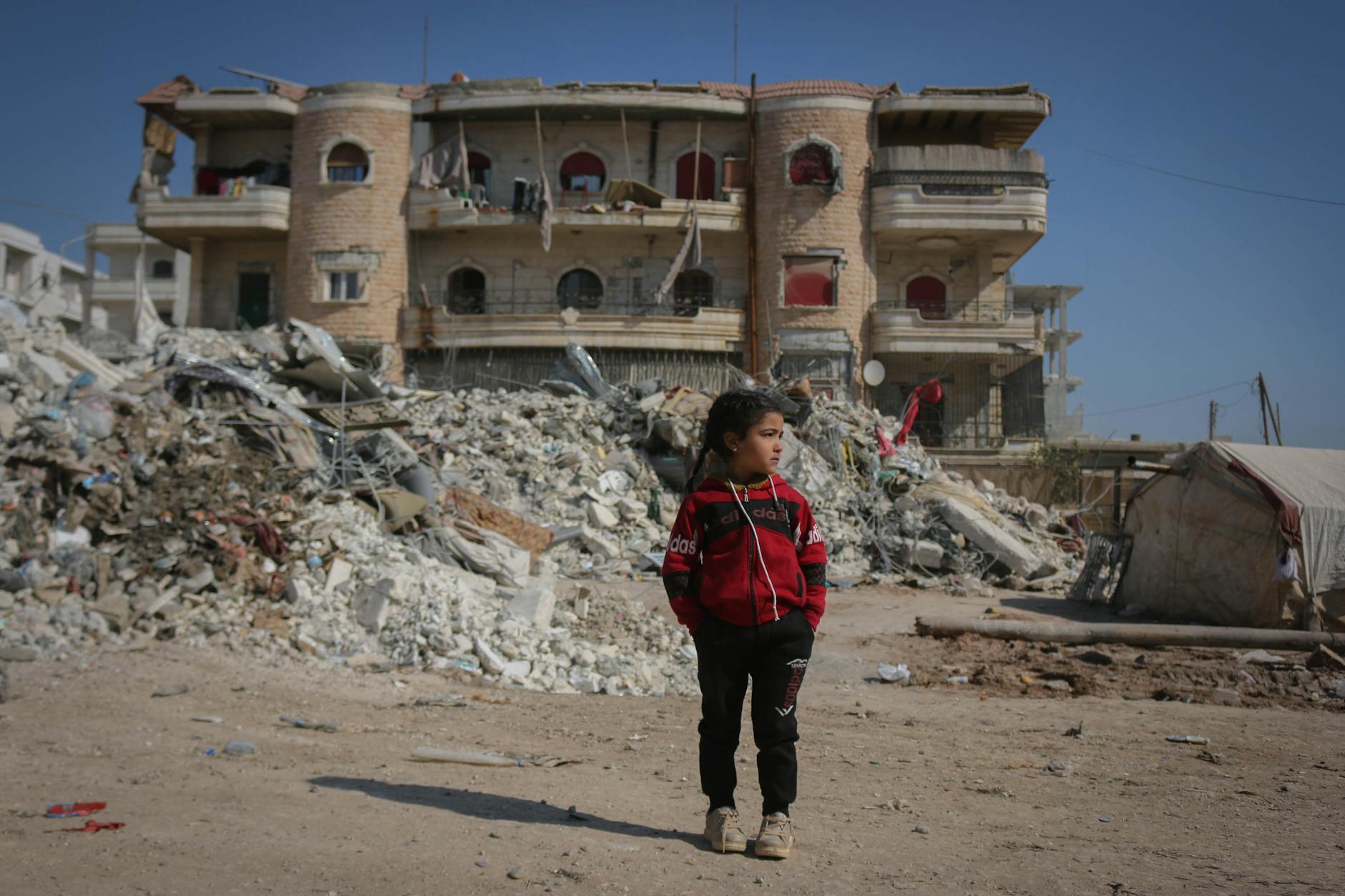
Navigating the Storm: Conflict Resolution Strategies
The Art of Active Listening
This is the bedrock of any successful conflict resolution. Active listening isn't just hearing words; it's about truly understanding the speaker's perspective, feelings, and underlying needs. It involves paying attention, asking clarifying questions, and reflecting back what you've heard. Psychology Today research on what is conflict consistently highlights listening as a critical skill. When you feel truly heard, the emotional intensity of a conflict often dissipates.
Finding the Middle Ground: Compromise
Compromise is about finding a solution that partially satisfies everyone involved. It's not about one person "winning" and the other "losing," but rather about both parties giving up something to achieve a mutually acceptable outcome. This requires flexibility and a willingness to let go of rigid demands. For example, if one partner wants to go out and the other wants to stay in, a compromise might be ordering takeout and having a cozy night in, but planning a date night out for the following week.
The Win-Win Approach: Collaboration
Collaboration takes compromise a step further. It's about working together to find a solution that fully satisfies the needs of all parties. This is the ideal outcome, but it requires significant effort, creativity, and open communication. It involves digging deeper to understand the root causes of the conflict and brainstorming solutions that address everyone's core concerns. This approach is often the most effective for long-term relationship health.
Knowing When to Pause: De-escalation Techniques
Sometimes, emotions run too high to resolve anything productively. In these moments, the most effective strategy is de-escalation. This might involve taking a break, agreeing to revisit the conversation later when both parties are calmer, or using calming phrases. It's about preventing the conflict from spiraling out of control. Implementing Couple Energy Boundaries: Protect Your Springtime Relatio... can be a powerful de-escalation tool, allowing individuals space to recharge.
Seeking Outside Help
For persistent or deeply entrenched conflicts, professional help can be invaluable. Therapists, mediators, or counselors can provide a neutral space and expert guidance to help individuals or couples navigate difficult issues. They offer tools and strategies that might be difficult to access on your own. Sometimes, seeing a conflict through the eyes of an objective third party can be transformative.

The Unseen Benefits: Why Conflict Matters
Growth Through Friction
This one surprised me. While conflict is often uncomfortable, it’s a powerful catalyst for personal and relational growth. It forces us to examine our own beliefs, assumptions, and behaviors. It pushes us to develop resilience, empathy, and better communication skills. Without conflict, we might stagnate, never truly understanding ourselves or our loved ones on a deeper level. The challenge of conflict resolution can lead to profound self-discovery.
Strengthening Bonds
When couples, friends, or family members successfully navigate conflict together, it doesn't just resolve the immediate issue; it builds trust and strengthens their connection. Successfully overcoming a disagreement shows that the relationship is strong enough to withstand challenges. It’s like weathering a storm and emerging even more solid. This process can also inform future goals, helping partners align on Future Goals Partner: Plan Your Shared Dreams This Winter.
Driving Innovation and Change
On a broader scale, conflict can be a driver of positive change. Disagreements about societal norms, political ideologies, or business strategies can spark innovation and lead to progress. Think about the civil rights movement or the evolution of technology; many advancements have arisen from challenging the status quo and engaging in robust debate. It’s the friction of differing ideas that often sparks the fire of progress.
Clarifying Relationship Health
The way individuals or couples handle conflict is a strong indicator of the overall health of their relationship. If conflicts are consistently destructive, marked by contempt, defensiveness, or stonewalling, it signals a problem. Conversely, if conflicts are approached with respect and a genuine desire for understanding, it points to a healthy, resilient connection. It's a diagnostic tool, if you will, for the state of your bonds. This is similar to how refreshing your profile on a dating app can clarify your relationship goals, as seen in Dating App Refresh: Spring Your Profile for Success.
So, what is conflict? It's not a monster under the bed, nor is it a sign of a failing relationship. It is an intrinsic, unavoidable, and often surprisingly beneficial aspect of the human experience. It’s the ebb and flow of connection, the necessary friction that polishes our relationships and sparks our growth. The real magic isn't in avoiding conflict, but in learning to dance with it, to understand its rhythm, and to transform its energy into something constructive and life-affirming. The next time you feel that familiar crackle in the air, remember: you have the power to shape it, not be consumed by it.