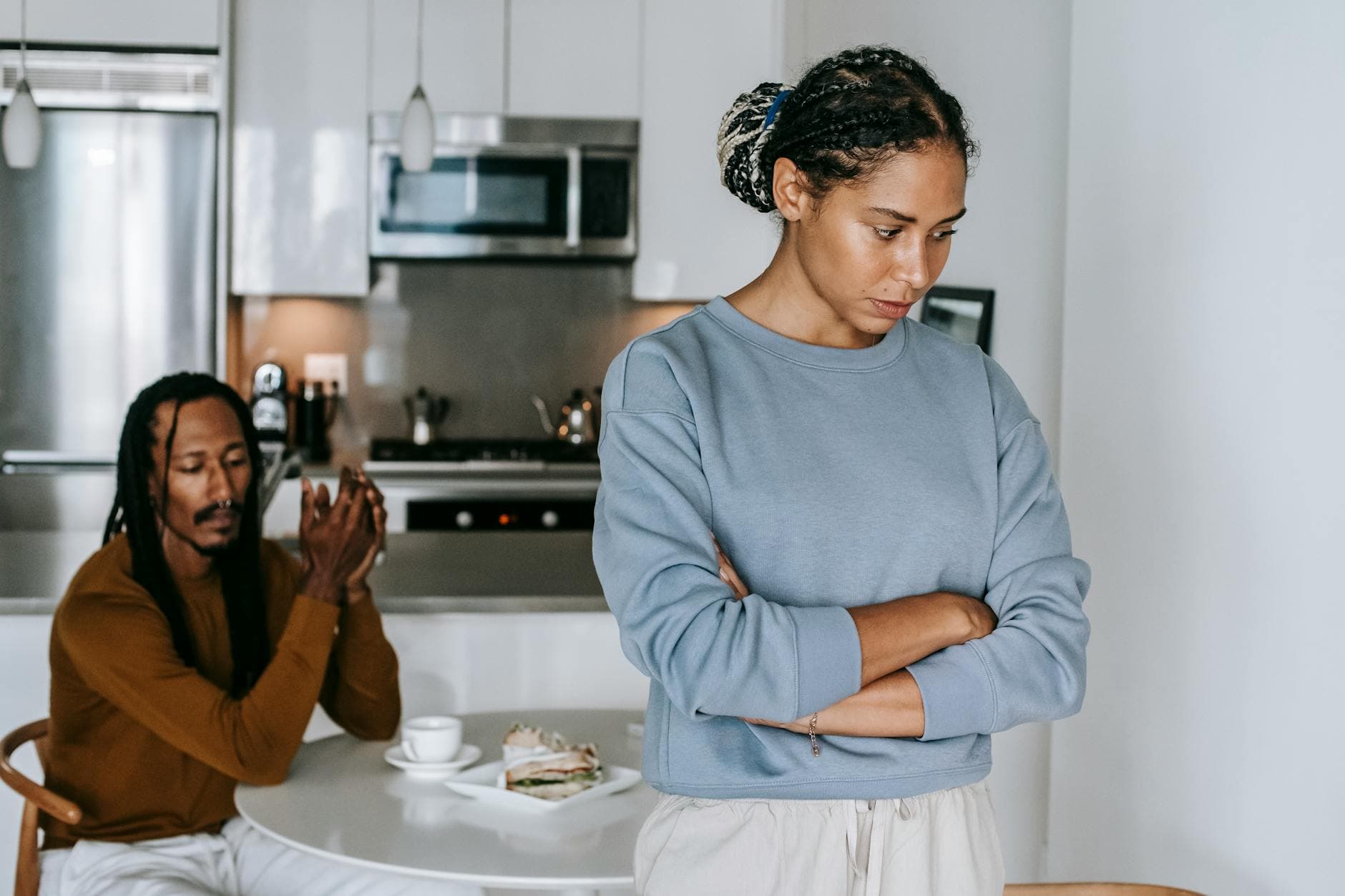
Most couples think that avoiding arguments is the key to a happy relationship. It's a common misconception, and honestly, it's a recipe for disaster. The real magic happens not in the absence of conflict, but in effective **couple conflict resolution**. It’s about how you navigate those inevitable disagreements that truly shapes the strength and longevity of your bond. Think about it: if you never fought, would you truly know each other? Or would you just be two people coexisting in polite silence?
The Myth of the Conflict-Free Relationship
Why "No Fighting" Isn't the Goal
We're often fed this idea that healthy couples are those who never raise their voices. This is a dangerous myth. It suggests that conflict is a sign of failure, when in reality, it's a sign of engagement. When partners stop arguing, it often means they've stopped caring enough to try. It's the quiet resignation, the emotional withdrawal, that's the real red flag, not the occasional heated discussion.
The Difference Between Fighting and Conflict
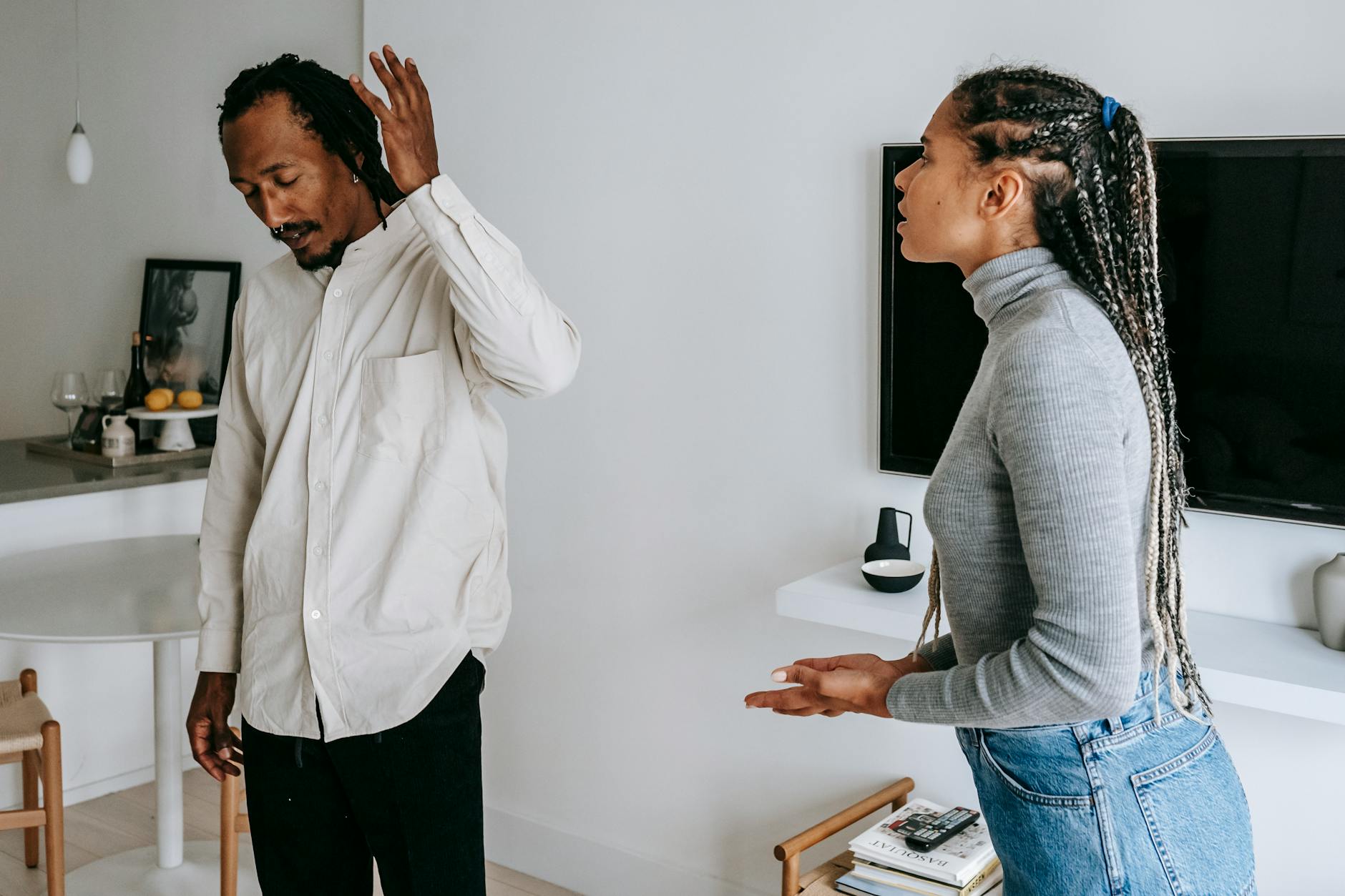
There's a crucial distinction between destructive fighting and constructive conflict. Destructive fighting is about winning, blaming, and hurting. Constructive conflict, on the other hand, is about understanding, problem-solving, and ultimately, growing together. It's about tackling the issue, not attacking the person. This is where the real work of managing relationship conflict begins.
Understanding the Roots of Your Arguments
Identifying Your Triggers
Look, we all have our sensitive spots. Maybe it's feeling unappreciated, misunderstood, or dismissed. The first step in healthy conflict resolution is recognizing what actually sets you off. Is it a specific tone of voice? A particular phrase? A recurring situation? When you can pinpoint your personal triggers, you can start to manage your reactions before they spiral.
The Underlying Needs Behind the Complaint
Often, the surface-level argument is just that – the surface. Underneath, there's usually an unmet need. If your partner is constantly complaining about you leaving socks on the floor, they might not just want a tidier laundry room. They might be craving a sense of order, respect for shared space, or even just a partner who notices and contributes to the domestic load. Understanding these deeper needs is vital for effective couple conflict resolution.
External Stressors and Their Impact
It's easy to blame your partner when things go wrong, but sometimes, the conflict isn't entirely about your relationship. Work stress, financial worries, family issues – these external pressures can spill over and make you both more irritable and less patient. Recognizing when an argument is fueled by outside stress can help you approach it with more empathy and less personal blame.

Mastering the Art of Communication During Conflict
The Power of Active Listening
This is non-negotiable. Active listening means truly hearing what your partner is saying, not just waiting for your turn to speak. It involves nodding, making eye contact, and reflecting back what you've heard. Try saying, "So, if I understand correctly, you're feeling X because of Y?" This validates their feelings and ensures you're on the same page. It’s a cornerstone of good communication in relationships.
Using "I" Statements to Express Feelings
Instead of "You always make me feel..." which sounds accusatory, try "I feel [emotion] when [specific behavior] because [reason]." For example, instead of "You never help with the dishes!", say "I feel overwhelmed and unappreciated when I'm the only one cleaning the kitchen after dinner because it feels like a lot of the household work falls on me." This approach focuses on your experience without placing blame, making it easier for your partner to hear you.
Taking Breaks When Things Get Too Heated
Here's the truth: sometimes, you just need to hit the pause button. If you feel yourself getting overwhelmed, angry, or completely unable to think clearly, it's okay to say, "I need a break. Can we come back to this in 20 minutes?" The key is to *actually* come back to it. This isn't about avoiding the conversation; it's about creating space for yourselves to cool down and approach the issue more constructively. This is a crucial part of managing relationship conflict.

Strategies for Constructive Conflict Resolution
The "Four Horsemen" to Avoid
Dr. John Gottman, a leading researcher in relationship science, identified four communication patterns that are highly destructive to relationships: criticism, contempt, defensiveness, and stonewalling. These are the absolute enemies of couple conflict resolution. Criticism attacks your partner's character, contempt expresses disgust and superiority, defensiveness involves blaming others, and stonewalling is shutting down emotionally. Recognizing and actively working to eliminate these from your interactions is paramount.
Finding Common Ground and Compromise
It’s not always about one person getting their way. Often, the best solutions lie somewhere in the middle. Brainstorm potential solutions together. What are you both willing to give on? What are your absolute deal-breakers? The goal isn't to win, but to find a resolution that respects both your needs and allows you to move forward. This is what constructive conflict couples strive for.
Repair Attempts: The Secret Sauce
Even in the heat of an argument, there are opportunities to de-escalate. A repair attempt is anything you say or do that reduces tension and brings you back toward connection. This could be a simple apology, a touch on the arm, a humorous remark (if appropriate), or acknowledging your partner's feelings. Learning to make and accept repair attempts is one of the most powerful tools for healthy conflict resolution.

When to Seek Professional Help
Recognizing the Signs You Need Support
If your arguments are constantly escalating, if you're avoiding difficult conversations altogether, or if you feel like you're stuck in a negative cycle, it might be time to seek help. Couples therapy isn't a sign of failure; it's a proactive step toward building stronger relationships. Therapists can provide tools and guidance for effective couple conflict resolution that you might not be able to find on your own.
Couples Therapy Techniques Explained
Therapists often use techniques like Emotionally Focused Therapy (EFT) or Gottman Method Couples Therapy. These approaches help couples understand the underlying emotional patterns driving their conflicts, improve communication, and rebuild trust. The Gottman Institute research on couple conflict resolution highlights how understanding attachment styles and emotional bids can significantly improve connection. You can learn more about these insights from organizations like The Gottman Institute.
The Benefits of External Guidance
An objective third party can offer a fresh perspective and help you both see patterns you might be missing. They can facilitate difficult conversations in a safe environment and teach you practical skills for navigating disagreements. Sometimes, just having a structured space to talk things through can make a world of difference. The National Alliance on Mental Illness research on couple conflict resolution also points to the benefits of professional intervention for improving overall relationship well-being.
Embracing Conflict as an Opportunity for Growth
Building Stronger Relationships Through Resolution
Every time you successfully navigate a disagreement, your relationship gets stronger. You learn more about each other, build trust, and develop a deeper understanding. This process of managing relationship conflict, when done well, actually makes you more resilient as a couple. It’s about emerging from the storm more united than before.
Spring Relationship Renewal and Couple Resolutions
As the seasons change, so can your approach to conflict. Spring is often a time for fresh starts and renewal. Consider this a chance to implement new positive relationship habits. Perhaps you can set some new Couple Resolutions, focusing on improving how you handle disagreements. Think about trying some new Spring Dating Ideas to reconnect outside of conflict zones, and use that renewed connection to tackle challenges. This can be a great time for Marriage Goals Spring, focusing on rekindling fun and connection.
The Long-Term Impact of Healthy Conflict Habits
Developing strong **couple conflict resolution** skills is an investment in your future together. It’s about creating a partnership where both individuals feel heard, respected, and loved, even when you don’t agree. When you can overcome arguments, you're not just solving problems; you're actively building a more secure, intimate, and lasting connection. This is the ultimate goal, and it's achievable with intention and practice.