
Did you know that the average person carries around an estimated 2.7 years' worth of unresolved emotional pain? That's a staggering amount of weight, and it significantly impacts our ability to connect, love, and thrive. If you're feeling stuck, repeating the same relationship patterns, or just generally weighed down, it's time to seriously consider how to declutter emotional baggage. It’s not about forgetting the past, but about understanding it, processing it, and choosing not to let it dictate your present or future.
The Hidden Cost of Unprocessed Emotions
We often think of "baggage" as something dramatic – a betrayal, a major loss. But it’s the accumulation of smaller hurts, unmet expectations, and unexpressed feelings that can truly become debilitating. This emotional clutter can manifest in countless ways, from anxiety and depression to chronic relationship issues.
The Weight We Carry
Think about it: every time you get into a new relationship, you bring your entire history with you. If that history is filled with unresolved pain, it's like showing up to a new job with a suitcase full of rocks. It slows you down, makes you tired, and can even prevent you from enjoying the journey.
Relationship Repercussions
This emotional weight doesn't just affect you; it spills over into your interactions with others. You might find yourself being overly defensive, struggling to trust, or constantly seeking validation because your past experiences haven't taught you that you are worthy and safe. It can sabotage even the most promising connections.
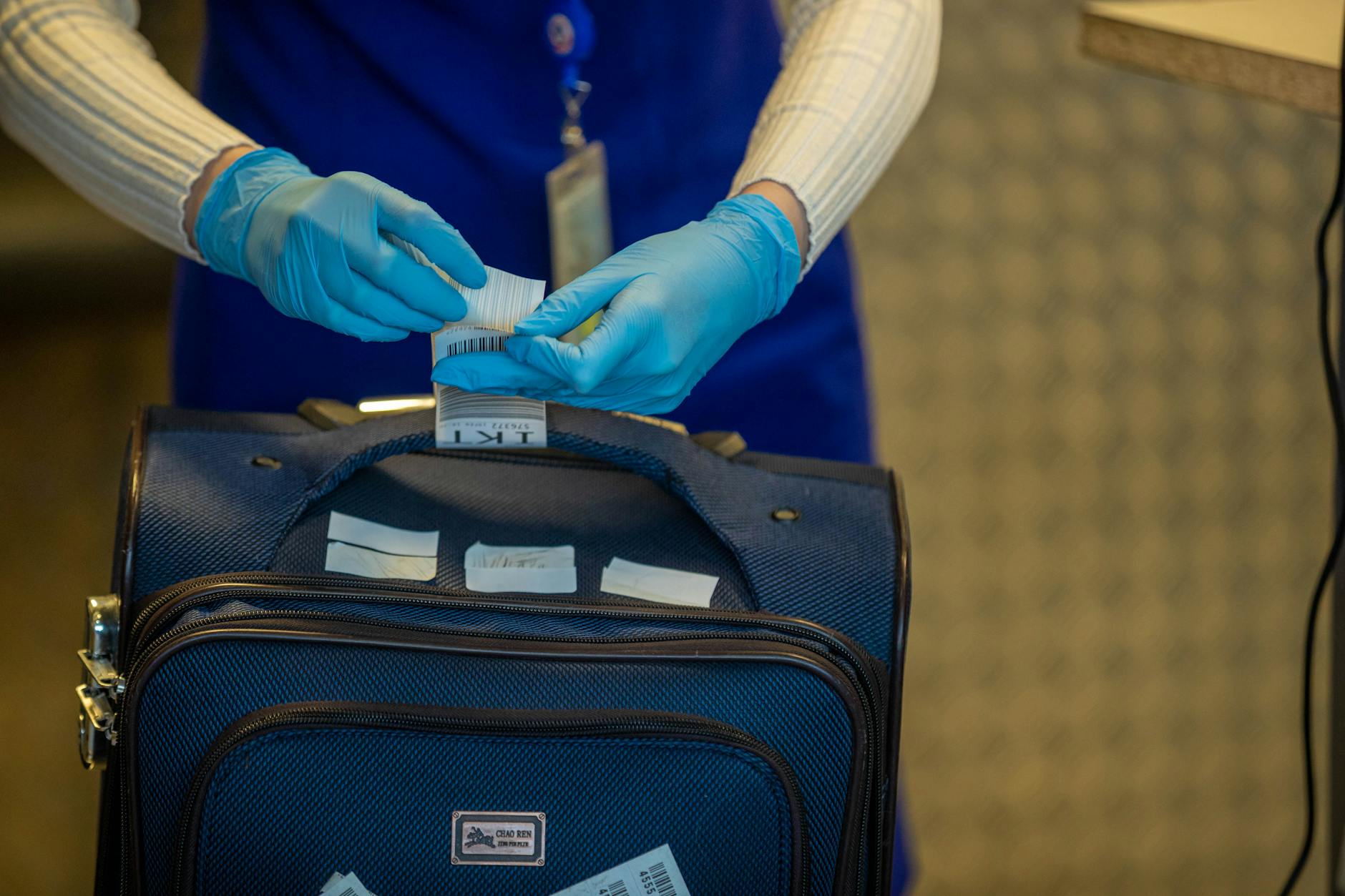
Identifying Your Emotional Clutter
The first step to decluttering is to actually see what you're carrying. Most of us are so accustomed to our baggage that we don't even recognize it as such. We just think, "This is just how I am." But that's rarely the whole story.
Recognizing the Patterns
One of the clearest signs of emotional baggage is repeating the same relationship mistakes. Do you always end up with partners who are emotionally unavailable? Do you find yourself constantly feeling insecure or jealous? These aren't random occurrences; they're often echoes of past experiences that haven't been fully processed. For instance, if you grew up with parents who were very critical, you might find yourself in relationships where you're constantly seeking approval, or conversely, you might become overly critical yourself as a defense mechanism.
The "What If" Syndrome
Another common symptom is the persistent "what if" thinking. "What if they leave me?" "What if I'm not good enough?" This anxiety often stems from past experiences where you felt abandoned, rejected, or inadequate. This can be incredibly draining and prevent you from fully engaging in healthy relationship habits.
Physical Manifestations
Sometimes, our emotional baggage shows up physically. Chronic stress, sleep disturbances, digestive issues – these can all be linked to unprocessed emotional pain. The American Psychological Association research on declutter emotional baggage highlights the strong connection between mental and physical well-being.

Strategies for Clearing Emotional Baggage
Once you've identified the clutter, it's time to start clearing it out. This isn't a quick fix, but a process of mindful effort and self-compassion. It requires courage to face what's hidden.
The Power of Acknowledgment
You can't clear what you don't acknowledge. This means being honest with yourself about past hurts, even if they were painful. It's not about blaming others, but about understanding your own experiences and how they've shaped you. Forgiveness in relationships, both of yourself and others, is a crucial part of this acknowledgment.
Facing Past Relationship Trauma
If you've experienced significant trauma in past relationships, seeking professional help is often essential. A therapist can provide a safe space to process these experiences and develop healthy coping mechanisms. This is where couples therapy for baggage can be incredibly beneficial, allowing both partners to understand the impact of past events on the present relationship.
Communication Exercises for Couples
Open and honest communication is a cornerstone of any healthy relationship. Practicing communication exercises for couples can help you both express your needs, fears, and past experiences in a constructive way. This builds trust in a relationship and creates a foundation for deeper intimacy.

Letting Go of the Past
This is often the hardest part. We get attached to our stories, even the painful ones. But holding onto them prevents us from creating new ones.
The Art of Releasing
Letting go doesn't mean you forget. It means you no longer allow the past to control your present emotions or actions. It’s about choosing to focus on what you can control now – your reactions, your choices, and your future. This is a key aspect of learning to clear emotional baggage effectively.
Embracing Forgiveness
Forgiveness is not about condoning hurtful behavior; it's about freeing yourself from the burden of resentment. It's a gift you give yourself. This can be incredibly challenging, especially after infidelity, but the process to rebuild trust infidelity is possible with commitment and forgiveness.
Creating New Narratives
Once you've cleared some space, you can start to fill it with new, positive experiences and beliefs. This is where you actively build healthy relationship habits and focus on the present moment. It's about writing a new chapter, not endlessly rereading the old ones.

Declutter Emotional Baggage for a Brighter Future
The journey to declutter emotional baggage is an ongoing one. It's not about achieving perfection, but about continuous growth and self-awareness. Every step you take towards clearing your emotional slate is a step towards a more fulfilling and joyful life, both for yourself and for your relationships.
The Ripple Effect of Healing
When you choose to declutter emotional baggage, the benefits extend far beyond your personal well-being. It positively impacts your friendships, your family relationships, and your romantic partnerships. Imagine the freedom of entering into new connections without the heavy weight of past disappointments. This is what emotional healing for couples truly aims for.
Building a Resilient Connection
By actively working on clearing your individual emotional clutter, you strengthen your bond as a couple. You create a space where vulnerability is met with understanding, and where past hurts don't automatically trigger present-day defenses. This is the foundation for a truly resilient connection, and it's something you can actively cultivate, perhaps by exploring resources like couples therapy February to reset your relationship.
A Call to Action
So, I encourage you. Look at your emotional suitcase. What’s in there that you no longer need? What’s weighing you down? Start with one small item. Acknowledge it, process it, and then, gently, set it down. The space you create will be filled with so much more light and possibility than you can imagine. It’s a challenging but profoundly rewarding endeavor, and one that will truly help you to clear emotional baggage and build stronger, more authentic connections.