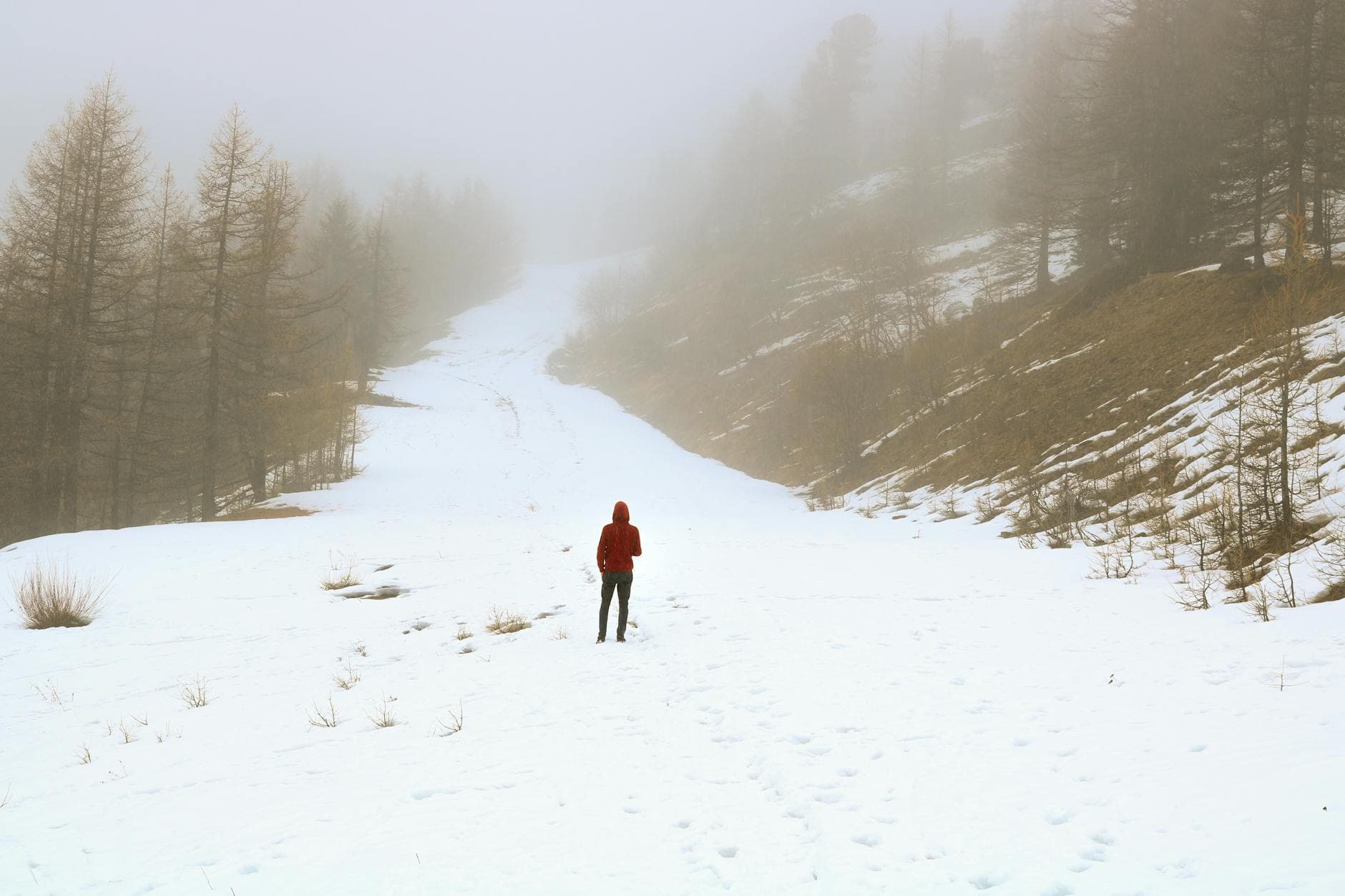
Feeling the Winter Blues? You're Not Alone
Have you noticed how the shorter days and colder weather seem to amplify feelings of sadness or isolation? You're likely experiencing some form of winter loneliness, and if it's persistent, therapy for winter loneliness could be a really helpful step. It's a common struggle, and the good news is, there are effective ways to cope and find relief.
But let's be honest, it's not always easy. The darkness seems to creep into everything, and suddenly, you might find yourself withdrawing from social activities or feeling a general lack of motivation. This is where professional support can make a huge difference.

Understanding the Roots of Winter Loneliness
The Science Behind Seasonal Affective Disorder (SAD)
Here's the thing: winter loneliness often has a direct link to Seasonal Affective Disorder (SAD). SAD is a type of depression that's related to changes in seasons. It typically starts in the fall and continues through the winter months, and it's thought to be triggered by the reduced levels of sunlight. This lack of sunlight can disrupt your body's natural sleep-wake cycle (circadian rhythm) and decrease levels of serotonin, a neurotransmitter that affects mood.
Also, less sunlight might lead to lower levels of vitamin D, which plays a role in mood regulation. You might be wondering, "How does this all translate into feeling lonely?" Well, SAD can make you feel tired, hopeless, and less interested in social interaction, which can easily lead to isolation. It's a vicious cycle that therapy can help break.
The Impact of Isolation on Mental Health
Think about it: humans are social creatures. We thrive on connection. When we're isolated, our mental health suffers. Loneliness can lead to increased anxiety, depression, and even physical health problems. I've seen it firsthand in my practice. Clients who already struggle with anxiety or depression often find their symptoms worsen during the winter months. The lack of social interaction, combined with the other factors I mentioned, creates a perfect storm for feelings of loneliness and despair. It's important to remember that you're not weak for feeling this way; it's a natural response to challenging circumstances.
Identifying Your Triggers
You should try to pinpoint what specifically contributes to your feelings. Maybe it's the lack of daylight, the pressure of the holidays, or the simple fact that you spend more time indoors. Maybe it’s the sense that everyone else is having fun. You might be surprised by what you discover. Journaling, mindfulness, and even just taking a few moments to reflect can help you identify these triggers. Once you know what's causing the problem, you can start working on solutions.

How Therapy for Winter Loneliness Can Help
Cognitive Behavioral Therapy (CBT) for a New Perspective
One of the most effective approaches for treating winter loneliness is cognitive behavioral therapy (CBT). CBT helps you identify and change negative thought patterns and behaviors. It’s like learning to challenge the "inner critic" that tells you you're alone or that things won't get better. For example, if you find yourself thinking, "Nobody wants to spend time with me," CBT can help you question that thought and replace it with a more realistic and positive one.
CBT also equips you with practical coping strategies. These might include scheduling social activities, setting realistic goals, and practicing relaxation techniques to manage anxiety and low mood. A good therapist will work with you to develop a personalized plan that addresses your specific needs. CBT is a powerful tool because it gives you the skills to manage your feelings long after therapy sessions end.
Building Social Connections and Overcoming Winter Isolation
Here's the thing: therapy for winter loneliness often involves helping you rebuild or strengthen your social connections. This might mean encouraging you to join a club, volunteer, or reconnect with old friends. It's about taking proactive steps to combat isolation. Remember, it doesn't have to be a huge undertaking. Even small steps, like calling a friend once a week or attending a local event, can make a difference. The goal is to gradually increase your social interaction and build a support network. You can explore ways to overcome winter loneliness by building stronger connections.
Medication and Other Treatment Options
Sometimes, therapy alone isn't enough. In some cases, your therapist might recommend other treatments, such as light therapy (using a special lamp that mimics sunlight) or medication, like antidepressants. This is especially true if you're diagnosed with SAD. It's important to remember that these options aren't a sign of weakness; they're simply tools that can help you feel better. Your therapist can help you navigate these options and determine what's right for you. They can also explain the benefits and potential side effects of different medications.

Finding the Right Therapist for You
What to Look for in a Therapist
Finding the right therapist is crucial. You want someone who is experienced in treating SAD or winter loneliness, who is a good listener, and with whom you feel comfortable sharing your feelings. Look for a therapist who uses evidence-based approaches, like CBT. Ask about their experience and their approach to treatment. Do your research and read reviews. It's also important to consider practical factors, such as their fees, insurance coverage, and availability.
The Importance of a Strong Therapeutic Relationship
The relationship you have with your therapist is fundamental to the success of therapy. You need to feel safe, understood, and supported. That means being able to talk openly and honestly about your feelings without fear of judgment. Here's something I’ve learned: the relationship itself, the feeling of being truly seen and heard, can be incredibly healing. If you don't feel comfortable with a therapist, it's okay to try someone else. Finding the right fit is key.
Tips for the First Therapy Session
The first session can feel a little daunting, but try to relax and be yourself. Be prepared to talk about your symptoms, your history, and what you hope to achieve through therapy. Don't be afraid to ask questions. It's your opportunity to assess whether the therapist is a good fit for you. Remember that National Alliance on Mental Illness offers a wealth of resources to help you through this process. Trust your gut feeling.

Beyond Therapy: Strategies for Coping with Winter Loneliness
Creating a Cozy and Supportive Environment
Your physical environment can have a big impact on your mood. Make sure your home is a comfortable and inviting space. Consider adding warm lighting, cozy blankets, and things that bring you joy. Maybe it's a scented candle, a favorite book, or a playlist of uplifting music. Think about the simple things that bring you comfort and incorporate them into your daily routine.
Prioritizing Self-Care and Mental Health Support
Self-care is essential, especially during the winter months. Make sure you're getting enough sleep, eating a balanced diet, and exercising regularly. Even a short walk in the daylight can make a difference. Practice mindfulness techniques, such as meditation or deep breathing, to manage anxiety and stress. Reach out to friends, family, or support groups for social connection.
Staying Connected and Building Relationships
It’s about making a conscious effort to stay connected with others. Schedule regular phone calls or video chats with loved ones. Plan social activities, even if it's just a casual coffee date. Consider volunteering or joining a club to meet new people. Remember, it's not always about quantity; it's about quality. Nurture the relationships you have and make an effort to connect with others.
When to Seek Help: Recognizing the Signs
Identifying the Symptoms of Winter Loneliness
You might be experiencing winter loneliness if you're feeling persistently sad, hopeless, or withdrawn, especially during the fall and winter months. Other signs include changes in sleep patterns, appetite changes, fatigue, and difficulty concentrating. If these symptoms are interfering with your daily life, it's time to seek professional help. Don't wait until things get really bad.
Knowing When to Seek Professional Help
If you're struggling to cope with winter loneliness on your own, or if your symptoms are severe or persistent, therapy is a really good option. A therapist can provide you with the support, tools, and strategies you need to feel better. They can also help you identify any underlying mental health issues, such as anxiety or depression. Remember, seeking help is a sign of strength, not weakness.
The Benefits of Early Intervention
The sooner you seek help, the better. Early intervention can prevent your symptoms from worsening. Therapy can help you develop coping skills and strategies to manage your symptoms and improve your overall well-being. Don't delay seeking help.
The Long-Term Benefits of Therapy for Winter Loneliness
Developing Coping Mechanisms for Future Seasons
One of the great things about therapy is that it equips you with skills you can use for life. You'll learn how to identify triggers, manage your emotions, and build a strong support system. These skills will be invaluable, not just during the winter months but throughout the year.
Building Resilience and Improving Overall Well-being
Therapy can help you build resilience and improve your overall well-being. You'll learn how to cope with stress, manage your emotions, and develop a more positive outlook on life. You'll also learn how to prioritize your mental health and make healthy choices.
Maintaining Social Connection and Preventing Isolation
By working with a therapist, you can learn how to maintain social connections and prevent isolation. You'll develop strategies for building relationships, staying connected with loved ones, and participating in social activities. This can lead to a more fulfilling and meaningful life.
In Conclusion
The goal of therapy for winter loneliness is to help you feel better, not just during the winter months, but all year round. It's about giving you the tools you need to build a life filled with connection, joy, and resilience. If you're struggling, please know that you don't have to go through this alone. Reach out for help. It's a sign of strength, and it's a step toward a brighter future. Remember, you can also explore Couples Therapy Holiday Season: Navigate Stress & Thrive if you're facing relationship issues during this time. For a deeper understanding of therapeutic approaches, you can also research The Gottman Institute research on therapy for winter loneliness.