My Winter Misery: A Lesson Learned
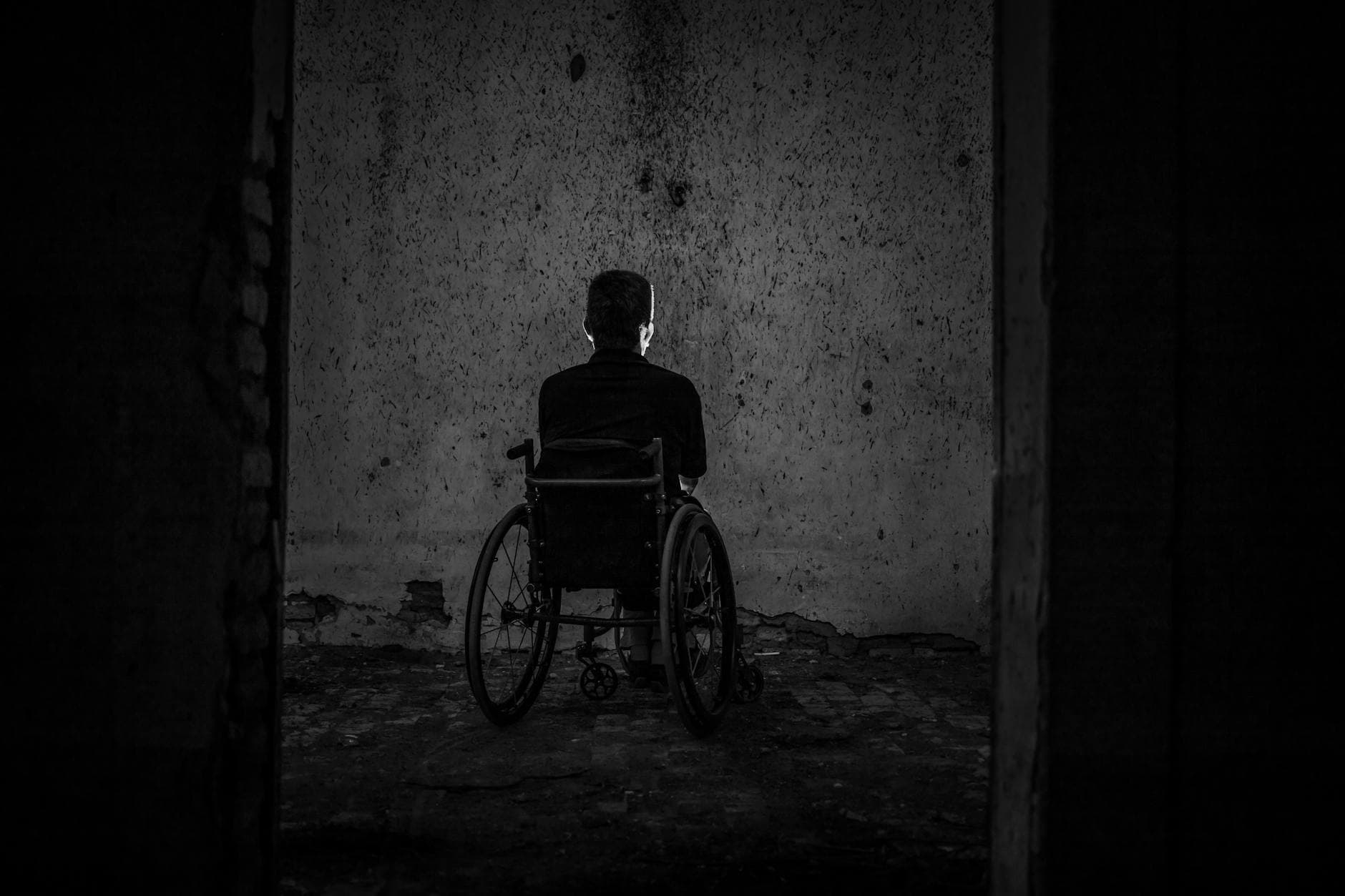
I used to think I was immune to the winter blues. Each year, I'd scoff at the notion of seasonal affective disorder, believing my inherent optimism would shield me. I'd tell myself that overcoming winter loneliness was a matter of grit, of just "toughing it out." Honestly, I was wrong. Terribly wrong. The long nights, the relentless gray, they chipped away at me, slowly but surely. It took years of feeling isolated and miserable before I finally understood that winter loneliness is a real thing, and it requires a real strategy to combat it. This piece shares the hard-won lessons I've learned, hoping they can help you navigate the challenging winter months.
Understanding the Winter Blues and Its Impact
The Science Behind the Season
The shift in seasons brings with it a cascade of changes, influencing our mental and physical well-being. Reduced sunlight is the primary culprit, disrupting our circadian rhythms and impacting the production of serotonin and melatonin. These are the neurotransmitters that regulate our mood and sleep cycles. You've probably noticed it: a lack of energy, increased cravings for carbohydrates, and a general feeling of sadness that lingers. This can lead to a condition known as seasonal affective disorder (SAD), a form of depression that follows a seasonal pattern. Understanding the science behind these changes is the first step toward finding solutions. If you suspect you have SAD, it's a good idea to learn about the symptoms.
Recognizing the Signs of Isolation
It's easy to dismiss feelings of loneliness as a personal failing, but the truth is, winter weather can exacerbate existing vulnerabilities and create new ones. The social isolation that can arise during the winter months can be profound, impacting everything from our sleep and eating habits to our motivation and overall health. Pay close attention to changes in your behavior, like withdrawing from social situations, feeling unusually irritable, or experiencing a persistent sense of emptiness. These are all red flags. If you're finding it difficult to cope, consider reaching out to a mental health professional for support.
The Physical Toll of Social Isolation
The impact of winter isolation extends beyond the emotional realm. Chronic loneliness can weaken our immune systems, increase our risk of heart disease, and even shorten our lifespan. It's not just a feeling; it's a physiological response. Studies have shown a direct correlation between social isolation and elevated levels of cortisol, the stress hormone, which can wreak havoc on our bodies over time. This is why addressing winter loneliness is not just about feeling better; it's about safeguarding your physical health.

Overcoming Winter Loneliness: Practical Strategies
Embracing Winter Social Activities
One of the most effective ways to combat winter isolation is to proactively seek out social connection. This might seem daunting, especially if you're already feeling low, but the rewards are well worth the effort. Think about joining a book club, taking a cooking class, or volunteering for a cause you care about. These activities provide a built-in structure for social interaction and can help you meet like-minded people. Consider the benefits of Psychology Today research on overcoming winter loneliness for more ideas.
Creating Your Own Social Events
Don't wait for invitations; create your own. Organize a potluck dinner, host a game night, or plan a movie marathon. The key is to be proactive and intentional about building connections. Even small gatherings can make a big difference. For example, last year, I started a weekly board game night with a few friends. It was a simple thing, but it gave us something to look forward to each week and provided a much-needed dose of laughter and connection during the darkest months.
Nurturing Existing Relationships
Winter is a good time to strengthen the bonds you already have. Make an effort to connect with friends and family, even if it's just a phone call or a virtual coffee date. Schedule regular check-ins with loved ones, and make sure to prioritize quality time together. Consider sending cards or small gifts to show you care. Maintaining and nurturing existing relationships is crucial for your well-being.
Finding Community in Winter
Look for opportunities to connect with others who share your interests. This could involve joining a local hiking group, attending a religious service, or participating in online forums related to your hobbies. Building a sense of community is a powerful antidote to loneliness, providing a sense of belonging and shared purpose. Remember, you don't have to go it alone. The National Alliance on Mental Illness research on overcoming winter loneliness has many resources to help you find support in your area.

Here's the Truth About Winter Loneliness
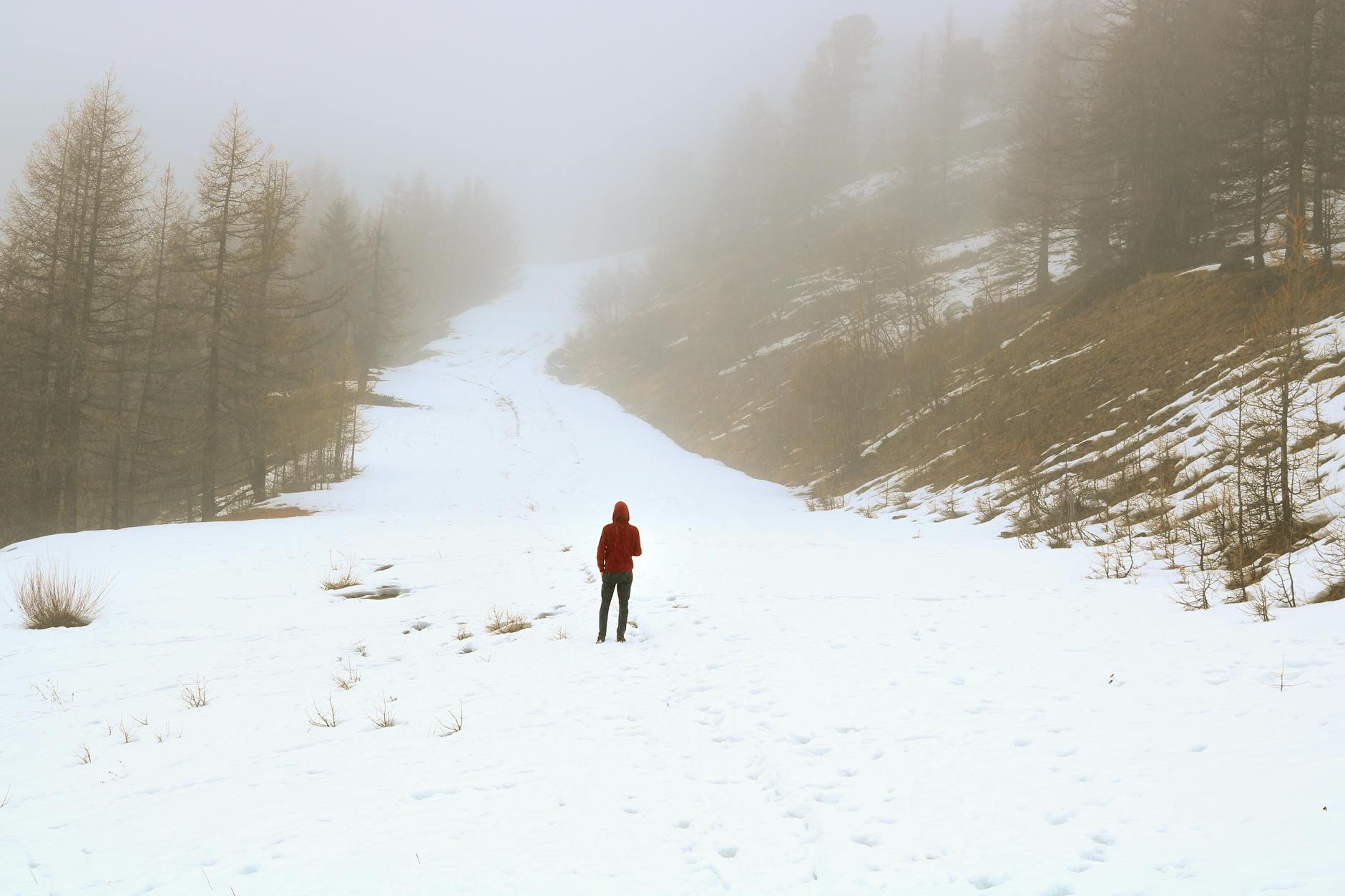
What nobody tells you is that overcoming winter loneliness isn't about finding a quick fix. It's a process. It requires effort, consistency, and a willingness to be vulnerable. There will be days when you feel like retreating, when the thought of socializing feels overwhelming. That's okay. Acknowledge those feelings, but don't let them derail you. Keep showing up, even when it's hard.

Prioritizing Self-Care for Mental Health During Winter
The Importance of Sunlight and Light Therapy
One of the most effective ways to combat the winter blues is to maximize your exposure to sunlight. Open your curtains, sit near windows, and spend time outdoors whenever possible. If natural light is limited, consider investing in a light therapy lamp. These lamps emit bright light that mimics sunlight and can help regulate your mood and sleep cycles. I used light therapy for a few years, and it helped me significantly.
Boosting Your Mood Through Exercise
Regular physical activity is a powerful mood booster. Exercise releases endorphins, which have mood-elevating effects. Aim for at least 30 minutes of moderate-intensity exercise most days of the week. This could include anything from a brisk walk to a dance class. Find activities you enjoy, so you're more likely to stick with them.
Nourishing Your Body and Mind
Pay attention to your diet and make sure you're eating a balanced, nutritious diet. Avoid excessive amounts of processed foods, sugar, and alcohol, as these can worsen mood swings. Focus on incorporating plenty of fruits, vegetables, and whole grains into your meals. Additionally, prioritize getting enough sleep. Aim for 7-9 hours of quality sleep each night. Sleep deprivation can exacerbate symptoms of depression and anxiety.
Building Resilience and Coping Mechanisms
Developing a Support System
Having a strong support system is critical for navigating the challenges of winter. Reach out to friends, family members, or a therapist when you're feeling down. Talking about your feelings can help you process your emotions and gain perspective. Consider joining a support group or online community where you can connect with others who are experiencing similar challenges.
Practicing Mindfulness and Relaxation Techniques
Mindfulness and relaxation techniques can help you manage stress and improve your mood. Practice deep breathing exercises, meditation, or yoga. These techniques can calm your nervous system and reduce feelings of anxiety and depression. There are many free resources available online, including guided meditations and mindfulness exercises. Learning how to cope with anxiety can also help.
Seeking Professional Help
If you're struggling with persistent feelings of sadness, hopelessness, or isolation, don't hesitate to seek professional help. A therapist can provide you with tools and strategies for managing your symptoms and improving your overall well-being. A doctor can also assess whether you have SAD or another underlying condition and recommend appropriate treatment options. You can also use an anxiety symptom checklist to assess whether you need help.
Moving Forward: Embracing Winter's Potential
Overcoming winter loneliness is not just about surviving the season; it's about thriving. It's about finding joy in the small things, building meaningful connections, and taking care of your mental and physical health. Remember, you are not alone in this journey. The strategies I've shared are based on my own experience, and I hope they can help you navigate the winter months with greater ease and resilience. The key is to be proactive, to be kind to yourself, and to never give up on the pursuit of well-being. The winter months can be a time of introspection, creativity, and connection. Embrace the potential of the season and find ways to make it a time of growth and joy.