
Imagine This: A Holiday Without the Dread
Picture this: It's December, the tree is up, and you're actually *looking forward* to the family gathering. No knot of anxiety in your stomach, no racing thoughts about potential conflicts. Instead, you're feeling calm, present, and genuinely excited. Sounds like a dream? It doesn't have to be. This is where cbt for holiday anxiety comes in, offering practical tools to navigate the season with more ease.
For many, the holidays are a minefield of stress. Family dynamics, financial pressures, unrealistic expectations – they all contribute to a perfect storm of anxiety. But what if you could learn to disarm these triggers? What if you could develop a toolkit to manage your thoughts and reactions, so you're not just surviving the holidays but actually enjoying them? That's the power of Cognitive Behavioral Therapy (CBT).

Understanding the Roots of Holiday Anxiety
Before diving into solutions, let's explore why the holiday season can be so challenging. It's crucial to identify the root causes of your anxiety to address them effectively. Think about the last time you felt overwhelmed during the holidays. What specifically triggered that feeling? Was it the thought of seeing certain family members? The pressure to buy the perfect gifts? Or perhaps the fear of disappointing others?
Common Anxiety Triggers Holidays
One of the most common triggers is the pressure to create a "perfect" holiday. This often involves unrealistic expectations about decorations, meals, and family interactions. The media and social media don't help, constantly bombarding us with images of flawlessly happy families, which can make our own experiences feel inadequate. This focus on perfection can quickly lead to feelings of failure and self-criticism.
Another major contributor is the financial strain. The cost of gifts, travel, and festive activities can be overwhelming, leading to significant stress. It's easy to get caught up in the consumerism of the season, and feeling like you need to spend a lot of money to show you care. This can trigger feelings of inadequacy, guilt, or resentment, especially if you're already struggling financially.
Finally, let's not forget the family factor. For many, the holidays mean spending extended periods with relatives, which can reignite old conflicts or create new ones. Differing opinions, unresolved issues, and the simple fact of spending a lot of time together in a confined space can all contribute to tension and anxiety. These situations are prime breeding grounds for negative thoughts holidays, further fueling the cycle of stress.
The Role of Cognitive Distortions
CBT emphasizes the role of our thoughts in shaping our feelings. Cognitive distortions, or unhelpful thinking patterns, are a key component of anxiety during the holidays. These are the ways we twist reality, often without realizing it, leading to negative emotions. For example, "all-or-nothing thinking" can make you see the holidays as either perfect or a complete disaster. "Catastrophizing" can lead you to imagine the worst-case scenario in every situation, like a family argument escalating into a full-blown feud.
Other common distortions include "overgeneralization," where you assume one negative experience will repeat itself. "Mind-reading," where you believe you know what others are thinking, often assuming the worst. These distorted thoughts fuel feelings of anxiety, making it harder to cope with the challenges of the holiday season.
Identifying these cognitive distortions is the first step in changing them. Once you recognize these patterns, you can start to challenge them, replacing negative thoughts with more balanced and realistic ones. This is a core principle of cbt for holiday anxiety.
The Physical Symptoms of Anxiety
Anxiety doesn't just manifest in our thoughts; it also has physical effects. You might experience a racing heart, sweating, muscle tension, or digestive problems. These physical symptoms can worsen anxiety, creating a vicious cycle. Recognizing these physical signs is important so you can implement coping mechanisms anxiety before the symptoms escalate into a full-blown panic attack holiday.
For example, if you notice your heart rate increasing before a family gathering, you can use relaxation techniques, like deep breathing or mindfulness, to calm your body. This can help prevent the physical symptoms from spiraling out of control. Similarly, if you're prone to digestive issues, you can plan your meals in advance, and avoid foods that tend to trigger your symptoms.

CBT Techniques for Holidays: Your Actionable Toolkit
So, how does CBT actually help? It provides a set of practical techniques you can use to manage your anxiety in the moment and build long-term resilience. These techniques focus on changing both your thoughts and behaviors.
Challenging Negative Thoughts
One of the most powerful CBT techniques is cognitive restructuring. This involves identifying your negative thoughts and then challenging them. When you notice a negative thought, ask yourself: Is this thought based on facts? What's the evidence for and against this thought? What's the worst that could happen? What's the best? What's the most likely outcome? By questioning these thoughts, you can start to replace them with more balanced and realistic ones.
Let's say you're worried about a family argument. Instead of thinking, "This is going to be a disaster," challenge that thought. Ask yourself: Has every family gathering been a disaster? What's the evidence suggesting it will be this time? What's the worst that could happen? By breaking down the thought, you can reduce its power and create space for a more positive outlook. This is a primary component of holiday stress cbt.
Behavioral Strategies for Holiday Anxiety
CBT also focuses on changing your behaviors. This might involve setting boundaries with family members, planning enjoyable activities, or practicing relaxation techniques. One helpful strategy is to practice assertiveness. Learn to communicate your needs and boundaries clearly and respectfully. For example, if you're feeling overwhelmed by social obligations, you can politely decline invitations. Saying "no" can be incredibly liberating.
Another powerful technique is exposure therapy. This involves gradually exposing yourself to situations that trigger your anxiety. Start with small steps, like imagining a challenging scenario, and then work your way up to facing it in real life. For example, if you're anxious about family gatherings, you might start by spending a short time with a supportive friend, and then gradually increase the duration and the number of people involved. This can help desensitize you to your anxiety triggers.
Stress Management Techniques
Stress management is crucial during the holidays. This includes practicing relaxation techniques, such as deep breathing, progressive muscle relaxation, or mindfulness. Mindfulness holiday season, in particular, involves focusing on the present moment, without judgment. This can help you detach from negative thoughts and feelings and find a sense of calm. Even a few minutes of mindfulness each day can make a big difference.
Another important aspect of stress management is self-care. Make time for activities you enjoy, like reading, listening to music, or spending time in nature. Prioritize sleep, eat healthy foods, and get regular exercise. These activities can help boost your mood and resilience, making it easier to cope with stress. It’s about building a solid foundation of well-being.
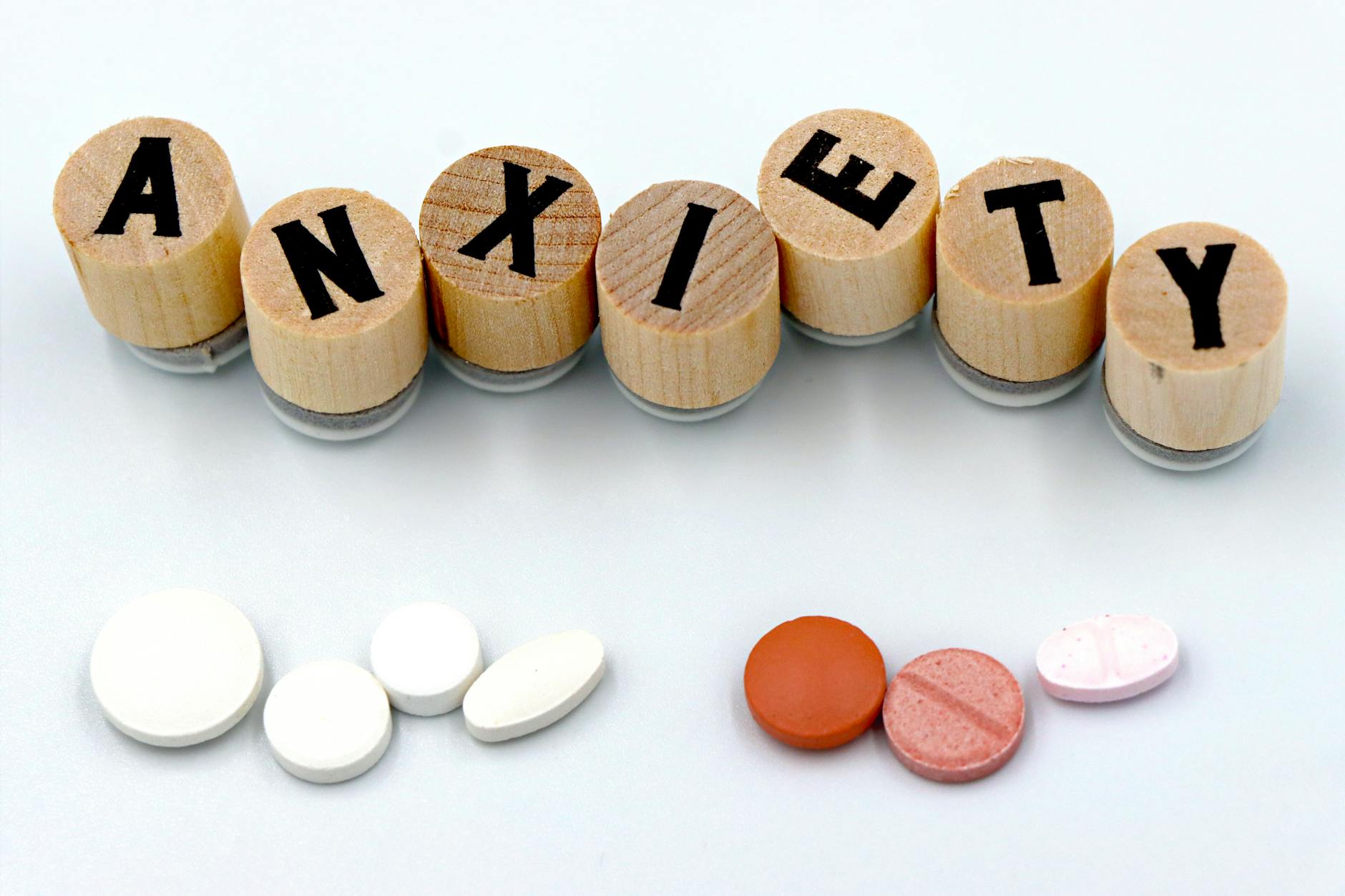
Here's the Truth: What Nobody Tells You About Holiday Anxiety
Here's the thing: It's okay if the holidays aren't perfect. We often put immense pressure on ourselves to create a magical experience, but the reality is that stress and conflict are often unavoidable. The key isn't to eliminate these challenges completely, but to develop the skills to cope with them effectively.
What nobody tells you is that progress is rarely linear. You'll likely have moments of anxiety, even after learning CBT techniques. That's normal. The important thing is to keep practicing and to be kind to yourself. Don't beat yourself up for having a bad day; instead, recognize it, learn from it, and move forward. This is a marathon, not a sprint.

CBT for Holiday Anxiety: Putting It All Together
Let's say you're dreading a family dinner. Using CBT, you could start by identifying your negative thoughts. "My aunt will criticize my cooking," or "Someone will bring up a sensitive topic." Then, you'd challenge those thoughts. Is there evidence your aunt always criticizes your cooking? What's the worst that could happen if she does? By questioning these thoughts, you can reduce their power. You might also prepare a response to potential criticisms or sensitive topics, which can help you feel more in control.
Before the dinner, you could practice relaxation techniques, like deep breathing. During the dinner, you could focus on the present moment, savoring the food and the company. If a challenging situation arises, you could use your assertiveness skills to set boundaries or change the subject. After the dinner, you could reflect on what went well and what you could do differently next time. This is a practical example of how cbt for holiday anxiety can work.
Seeking Professional Help and Support
While self-help strategies can be incredibly effective, sometimes you need professional support. If your anxiety is severe or interfering with your daily life, consider seeking help from a therapist. A therapist specializing in CBT can provide personalized guidance and support. They can help you identify your specific triggers, develop tailored coping strategies, and work through any underlying issues contributing to your anxiety. You can find qualified therapists through Psychology Today research on cbt for holiday anxiety or your local mental health services.
Consider joining a support group or talking to trusted friends or family members. Sharing your experiences and connecting with others can reduce feelings of isolation and provide valuable support. Remember, you don't have to go through this alone. Reaching out for help is a sign of strength, not weakness. Finding the right support system, whether it's through therapy, support groups, or trusted friends, can be a game-changer. It's about creating a safety net for yourself during a potentially stressful time.
Embracing a More Peaceful Holiday Season
Managing anxiety during the holidays is an ongoing process, not a one-time fix. It requires consistent effort, self-compassion, and a willingness to learn and grow. By using the techniques and strategies of cbt for holiday anxiety, you can transform the holiday season from a source of dread into a time of connection, joy, and peace. You can also explore resources for Anxiety and Depression Treatment: Find Relief & Get Help for further support.
So, the next time you feel that familiar knot of anxiety, remember the tools you have. Remember the power of challenging your thoughts, practicing relaxation, and setting boundaries. Remember that you are not alone, and that help is available. This holiday season, give yourself the gift of a calmer, more present you. And who knows, maybe you'll actually enjoy it.