
Did you know that over 10 million Americans experience symptoms of the "winter blues" every year? That’s a staggering number, and frankly, it’s one that has always felt like an understatement to me. For years, I’ve seen firsthand how the shortening days and chilly weather can cast a long shadow over people’s lives, and finding effective winter blues treatment is more than just a seasonal concern; it’s about reclaiming your well-being when you need it most.
Understanding the Winter Blues
More Than Just a Little Sadness
We often dismiss it as just feeling a bit down, a natural consequence of less sunshine. But for many, it’s a genuine struggle, a pervasive low mood that saps energy and joy. This isn't just about wanting to hibernate with a good book; it’s about a noticeable shift in mood, energy levels, and even sleep patterns.
The Biological Clock Connection
Our bodies are incredibly attuned to natural light cycles. When light diminishes, our brains can produce more melatonin, a sleep-inducing hormone, making us feel drowsy and lethargic. Serotonin, a mood regulator, can also dip. This is the biological underpinning of why Psychology Today research on winter blues treatment often points to light exposure as a key factor.
When It Becomes Seasonal Affective Disorder
It's crucial to distinguish between the everyday "winter blues" and Seasonal Affective Disorder (SAD), a more severe form of depression that follows a seasonal pattern. SAD can significantly impair daily functioning and requires professional intervention. Recognizing the signs is the first step toward effective seasonal affective disorder treatment.

Navigating Post-Winter Blues Therapy
The Lingering Sadness After Winter
The calendar might say spring, but for some, the emotional fog of winter doesn't lift so easily. This phenomenon, often referred to as sadness after winter or post-winter blues, can be particularly frustrating. You expect to feel better, but the inertia persists.
Why Does It Linger?
Several factors contribute to this lingering feeling. Perhaps the coping mechanisms used during winter were temporary fixes. Or maybe the lack of consistent self-care during the darker months has created a deeper depletion of emotional and physical reserves. It’s like a slow thaw, and sometimes, external help is needed to fully break free.
Seeking Support for Lingering Sadness
If you're experiencing lingering sadness therapy can offer a structured path toward recovery. Therapists can help you explore the root causes of this prolonged low mood and develop personalized strategies to regain your vitality. This might involve revisiting strategies that worked in the past or exploring new ones.

Effective Winter Blues Treatment Options
Light Therapy: A Beacon of Hope
For many, light therapy for sad moods is a game-changer. Using a special light box that mimics natural sunlight, individuals can help regulate their body's internal clock and boost serotonin levels. I've seen patients who were skeptical at first, only to be amazed by how much brighter they felt after just a few weeks of consistent use. The Light Therapy for SAD: Your Guide to Beating Winter Depre... article offers a deeper dive into how this works.
Getting Started with Light Therapy
It’s not as simple as sitting in front of any lamp. Specific light boxes designed for SAD therapy emit a broad spectrum of light at a controlled intensity. Typically, you'll use it for 20-30 minutes each morning. Consistency is key; missing days can diminish its effectiveness.
Potential Side Effects and Precautions
While generally safe, some people might experience headaches, eye strain, or nausea initially. It’s always best to consult with a healthcare provider before starting, especially if you have pre-existing eye conditions or are taking photosensitizing medications.
Cognitive Behavioral Therapy (CBT): Rewiring Your Thoughts
When I talk about winter blues treatment, I always emphasize the power of psychotherapy. Cognitive Behavioral Therapy (CBT) is particularly effective for winter depression. It helps you identify and challenge negative thought patterns that contribute to low mood and develop more adaptive coping strategies. It’s about learning to manage your emotional responses, not just endure them.
Identifying Negative Thought Loops
Think about the last time you felt particularly low in winter. What were you telling yourself? CBT helps you catch those automatic negative thoughts – the "I'll never feel good again" or "this is just how it is" – and reframe them into more balanced and realistic perspectives.
Behavioral Activation Strategies
Beyond thoughts, CBT also focuses on behavior. If you're feeling down, you're less likely to engage in activities you enjoy, which further perpetuates the low mood. Behavioral activation involves scheduling pleasant or meaningful activities, even when you don't feel like it, to gradually rebuild positive experiences. This is a core component of CBT for Winter Depression: Regulate Mood & Boost Well-being.
Lifestyle Adjustments: Small Changes, Big Impact
Sometimes, the most profound changes come from consistent, small adjustments to your daily routine. These aren't band-aid solutions; they are foundational elements for sustained emotional well-being.
Prioritizing Sleep Hygiene
While the winter blues can make you want to sleep more, disrupted sleep patterns can actually worsen symptoms. Aim for a consistent sleep schedule, create a relaxing bedtime routine, and ensure your bedroom is dark, quiet, and cool. This isn't just about getting enough hours; it's about the quality of your rest.
Nourishment and Movement
What you eat and how you move your body significantly impacts your mood. While comfort food might be tempting, focusing on a balanced diet rich in fruits, vegetables, and whole grains can provide sustained energy. Regular physical activity, even a brisk walk outdoors on a sunny day, releases endorphins that naturally lift your spirits. The American Psychological Association research on winter blues treatment consistently highlights the benefits of exercise.
Social Connection in Isolation
Winter can encourage isolation, which often exacerbates feelings of loneliness and sadness. Make a conscious effort to connect with friends and family, whether through phone calls, video chats, or safe in-person meetups. Even brief, positive social interactions can make a difference.
When to Seek Professional Help
Recognizing the Signs of Depression
It’s easy to brush off persistent low mood, fatigue, and loss of interest as just a phase. However, if these symptoms interfere with your work, relationships, or daily life for more than two weeks, it’s time to consider that you might be dealing with more than just the seasonal slump. Persistent feelings of hopelessness, changes in appetite or weight, and thoughts of self-harm are serious indicators that require immediate attention.
The Role of Psychotherapy for Low Mood
Therapy for depression, including psychotherapy, provides a safe and confidential space to explore your feelings and develop effective coping strategies. A trained therapist can help you understand the underlying causes of your mood and equip you with tools to manage them. This is where you can truly start to heal and build resilience, not just for winter, but for life.
Medication as Part of a Treatment Plan
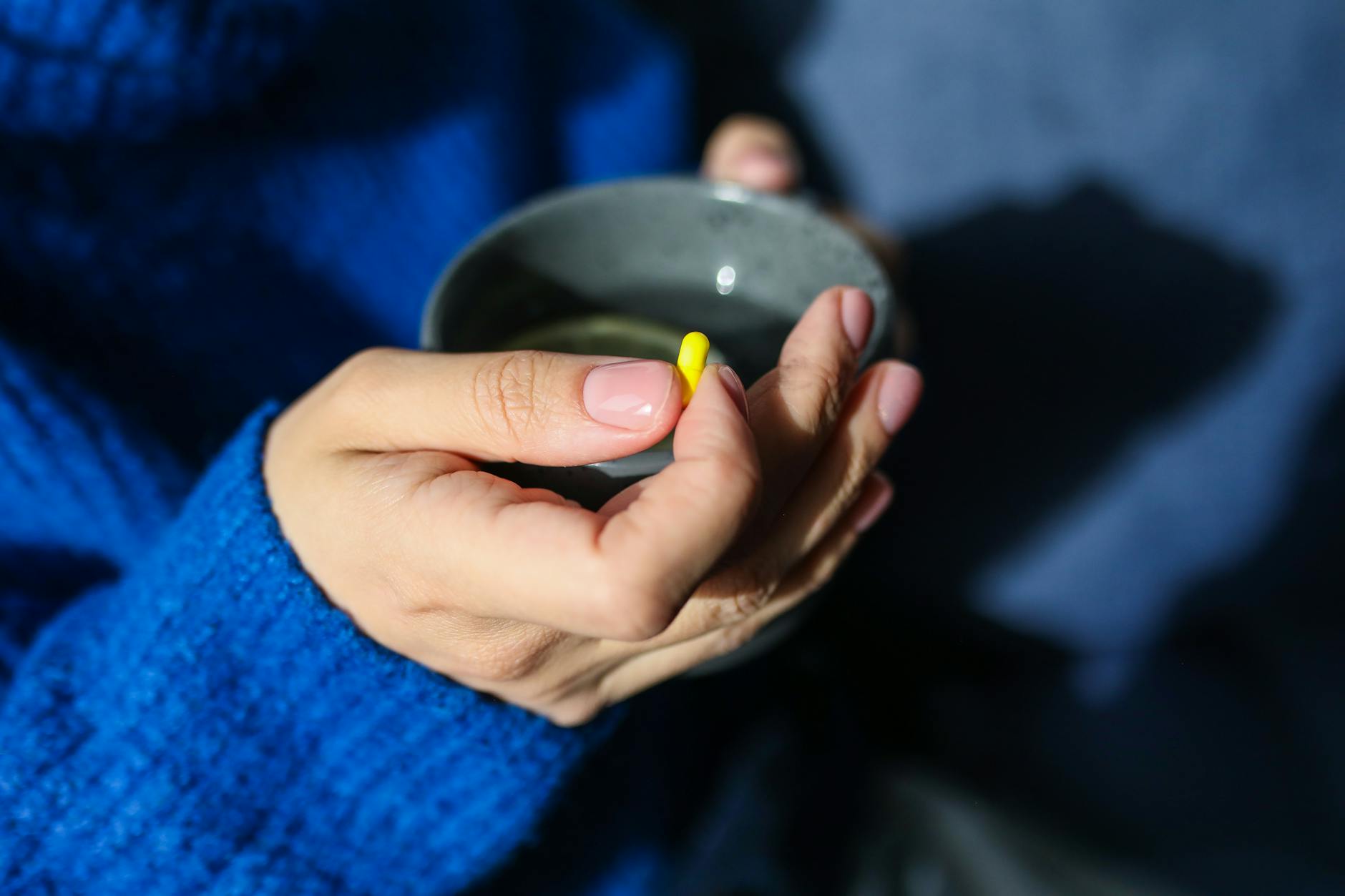
In some cases, medication, such as antidepressants, may be recommended by a doctor or psychiatrist as part of a comprehensive winter blues treatment plan. This is often used in conjunction with therapy and lifestyle changes to provide a more robust approach to managing depression. It’s about finding the right combination of interventions that work for your unique needs.

Moving Beyond the Winter Slump
Building Resilience for Future Seasons
The goal of any effective winter blues treatment is not just to get through the current season, but to build resilience for the future. By understanding your triggers, implementing consistent self-care practices, and knowing when and how to seek support, you can significantly reduce the impact of winter on your mood and energy levels in the years to come. This proactive approach is empowering.
Embracing Spring with Renewed Energy
When spring finally arrives, the feeling of emerging from a prolonged period of low energy can be immense. The transition back to feeling vibrant and engaged is a testament to the power of consistent effort and the right kind of help. It’s about celebrating the return of light, both externally and internally.
Ongoing Mental Health Support
Remember, maintaining good mental health is an ongoing process, not a one-time fix. Continue to prioritize your well-being, stay connected with your support system, and don't hesitate to reach out for help if you notice old patterns resurfacing. The journey of managing emotional well-being is continuous, and it's one worth investing in. The National Alliance on Mental Illness research on winter blues treatment offers many resources for ongoing support.